











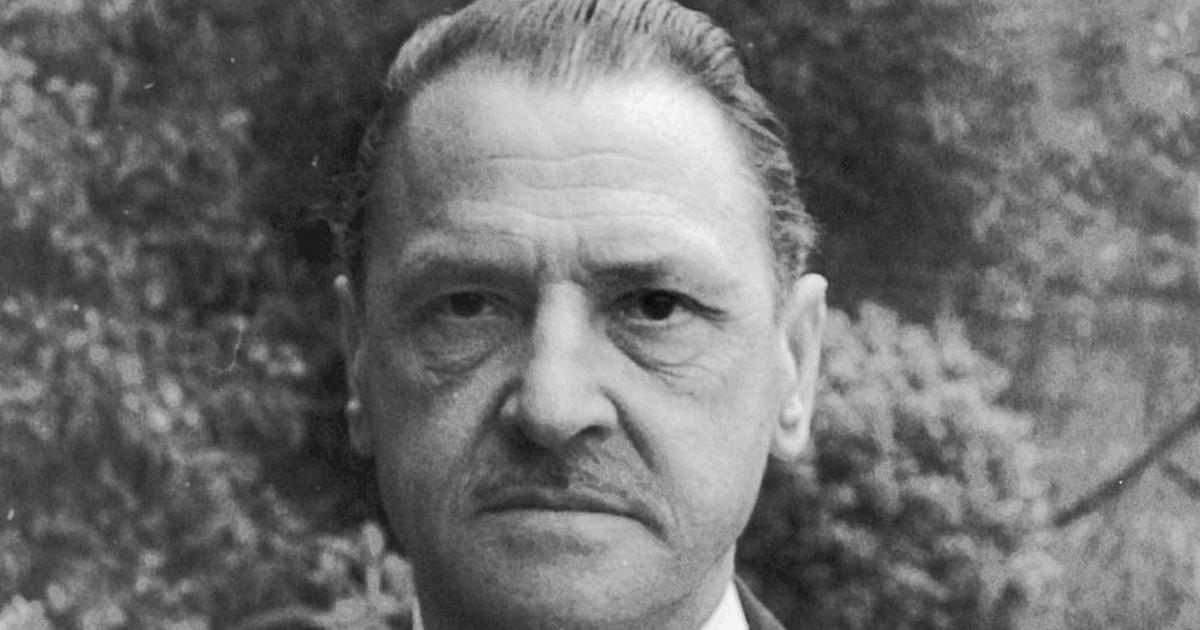
“Society is a grim monster, somnolent apparently, so that you think you can take every kind of liberty; but all the time he watches you, he watches slily, and when you least expect it puts out an iron hand to crush you.”
This cluster of lines gives the impression that W Somerset Maugham had a gripe with English high society. In all likelihood, he did, but that proves immaterial to his 1905 novel, The Merry-Go-Round, which is full of high drama, petty gossip, and plenty of salaciousness. Set in Edwardian England, the novel follows a small group of people with troubled lives, a lot of which has to do with unhappy marriages. With certain liberties granted to women of a particular social class, the novel also documents the shock and despair of the times as women began to take control of their lives, especially by pursuing romance on their own merit.
A host of lives
At the centre of this human drama is Miss Ley, 57-year-old and single, who does not want for money once she inherits the fortune of her elderly aunt. Independent and tempestuous in her youth, her later years are occupied in meddling with other people’s affairs. Miss Ley steers clear of all misadventures, giving her a unique position to advise, berate, and console her friends (whether they ask for it or not).
The other characters in The Merry-Go-Round are introduced by way of a dinner party that Miss Ley hosts. We meet Basil Kent, Frank Hurrell, Reggie and his mother Mrs Bassett, Mrs Castillyon, the widow Mrs Murray, Algernon Langton and his daughter, Bella.
For some reason, the main preoccupation of this bunch seems to be marriage and all of them do participate in the institution with varying degrees of success. Basil Kent is infatuated with Mrs Murray but offers to marry Jenny, a barmaid, when she ends up pregnant after a night together. Charmed by the prospect of being a father, Basil believes his decision is honourable despite Jenny’s lower-class background.
Mrs Castillyon violates her wedding vows when she embarks on an affair with Reggie. Bella, at 40, falls in love with a man half her age and her affection for him is borderline maternal – still, the relationship gives her the courage to defy her father, something she has never done before. Finally, Frank Hurrell, a physician, bored by the grind of life, longs for something transcendent.
In a novel where everyone is so taken by marriage and romance, each is aware of how unequal their relationship is. The imbalance crops up from the difference in social classes, the honourability of occupation, and what was perhaps most scandalous in Edwardian England, age gap.
Bella is reminded at every step that she’s “ancient” at 40 and no one can believe that someone as “plain” as her can and facilitate something so perverse. A marriage between an older woman and a younger man gets everyone’s tongue wagging – a scandal that is rare, flammable, and impossible to ignore. Meanwhile, Basil marries Jenny against Miss Ley’s advice. A novelist, Basil considers himself a great purveyor of culture – he begins to believe that Jenny’s lowly occupation makes her unworthy to be his wife and refuses to be seen with her. The marriage, which perhaps had a noble foundation, dissolves before long and Basil’s continued cruelty leads to tragic results.
Mrs Castillyon and Reggie’s relationship feels straight out of a gossip rag. Reggie is thrilled to discover a “loose” woman of his social class while Mrs Castillyon treats Reggie simply as a passing interest. She refuses to be his mistress, a snub that Reggie takes badly. The couple’s flare-ups are some of the funniest bits in the novel – full of scorn and malevolence. Maugham notes the illnesses that plague the upper classes – prudishness, selfishness, and arrogance.
A sceptical view of marriage
The Merry-Go-Round takes a melodramatic, sceptical view of marriage, especially those between unequal partners. On the other hand, it is generous in its treatment of Bella’s marriage, which is the only one founded on love and selflessness. Miss Ley, herself single, believes that marriage should be an elevator of class and material conditions, but as is proven in Basil and Mrs Castillyon’s cases, marriages forced as favours and sacrifices turn sour quickly, wealth or intellectual abundance notwithstanding.
Almost all unhappiness is brought about by the characters themselves, either through pettiness or a disinterest in knowing their true selves. Society’s “iron hand” does not choke; it only offers a helping hand when the noose of regret is already around their necks.
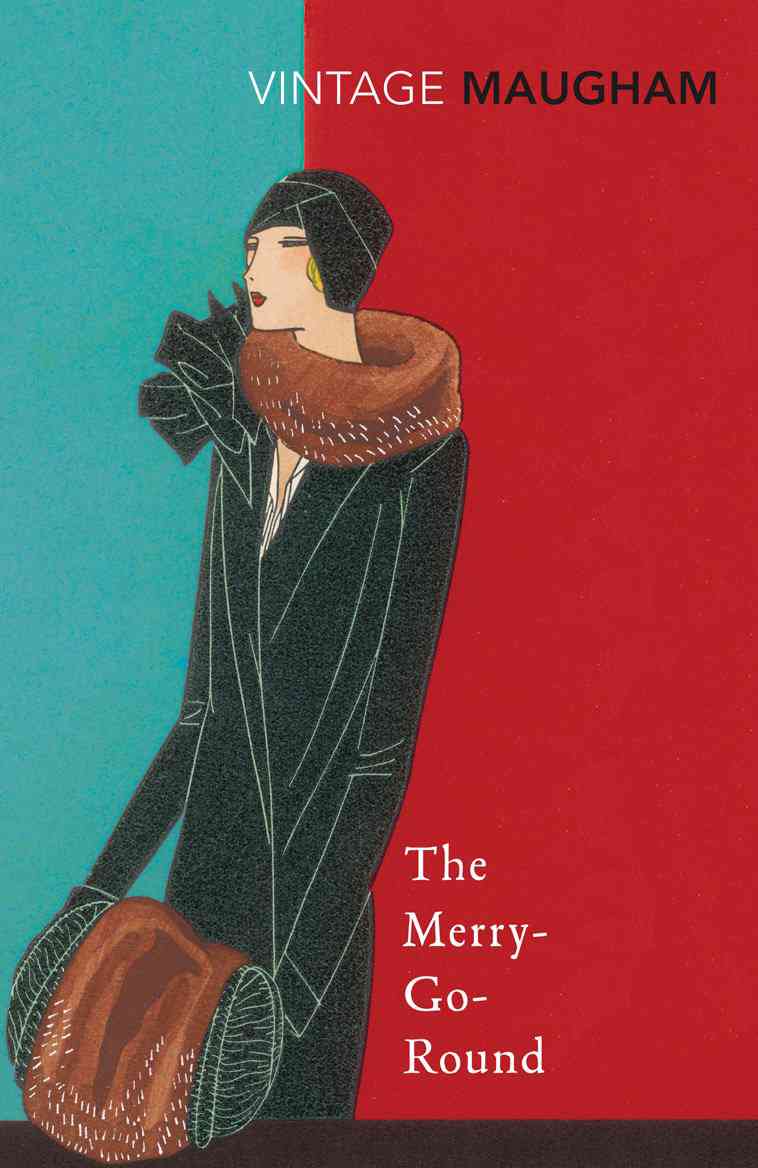
The Merry-Go-Round, W Somerset Maugham, Vintage Classics.
