






Indian-American advocacy groups and Sikh-American organisations have called on the Trump administration to address India’s alleged attempts to intimidate critics abroad and to investigate the role of senior Indian government officials.
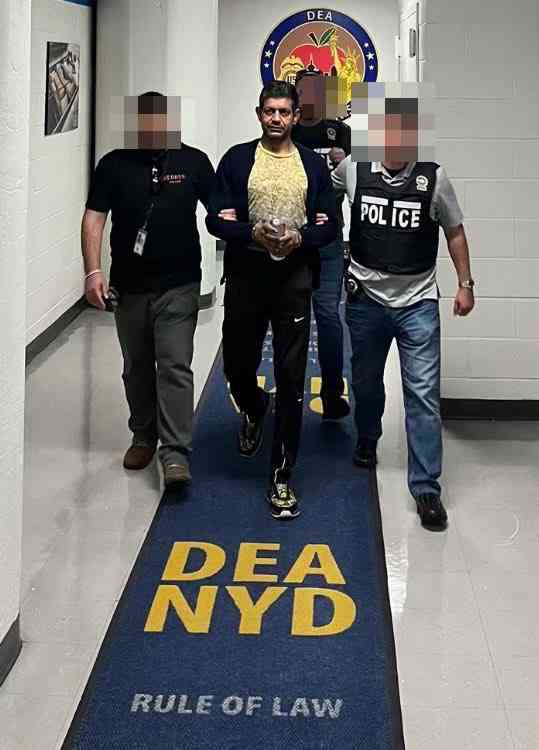
On February 13, Indian citizen Nikhil Gupta pleaded guilty to a plot to kill Sikh separatist Gurpatwant Singh Pannun, purportedly on orders from an Indian government employee. The Indian government, which has designated Pannun as an individual terrorist under the Unlawful Activities (Prevention) Act, has not commented on Gupta’s guilty plea.
Gupta admitted in a federal court in Manhattan that he agreed to murder Pannun, an American lawyer in New York who has been advocating for Khalistan, an independent homeland for Sikhs. In his plea, Gupta said he paid $15,000 as an advance to a man he believed was a hitman. The man turned out to be an undercover operative of the US Drug Enforcement Agency.
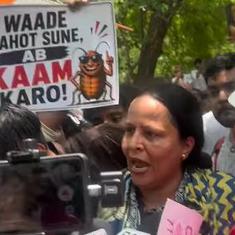
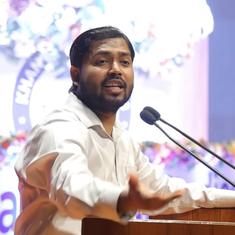
Ria Chakrabarty, senior policy director at the advocacy group Hindus for Human Rights, said the alleged attempted assassination of Panun was “just one part of a larger campaign of repressing any kind of criticism of the government of India from the outside”.
Chakrabarty cited the revocations of the Overseas Citizen of India cards of Indian-origin citizens in other countries and the blacklisting of academics and journalists who have criticised the Bharatiya Janata Party-ruled Indian government for rights abuses and its Hindutva ideology.
Prominent scholars, civil rights organisations and US politicians have also criticised the Indian government for what they allege are repressive tactics against foreign critics, including Indian-Americans.
“Nikhil Gupta plotted to assassinate a US citizen in New York City,” said US Attorney Jay Clayton, according to a press release by the US Attorney’s office, Southern District of New York. “He thought that from outside this country he could kill someone in it without consequence, simply for exercising their American right to free speech. But he was wrong, and he will face justice.”
American Sikh organisations, like the Khalsa Community Patrol, welcomed the guilty plea and said accountability should not stop with Gupta. “If someone has the courage to plot a killing in New York City, those orders are coming from someone in a position of authority,” alleged Japneet Singh, a Sikh-American activist and political leader who founded the Khalsa Community Patrol in response to hate crimes against Sikhs in New York.
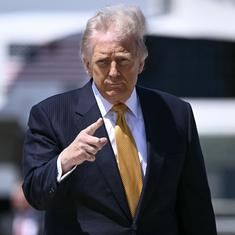
Singh said the assassination plot should be the first topic when Prime Minister Narendra Modi and US President Donald Trump meet next. “The first topic of conversation should be, ‘We have credible evidence that your government was conspiring to kill an American citizen. Is this true or not?’” Singh said.
The Sikh Coalition, an advocacy organisation representing Sikhs in the United States, echoed the call for holding senior Indian officials accountable.
It said the US Attorney’s “strong stance” was correct. “And it must apply to any senior officials in the Indian government who were aware of, aiding, or directing this campaign of violence against Sikhs,” said the organisation.
Plot to kill Pannun, others
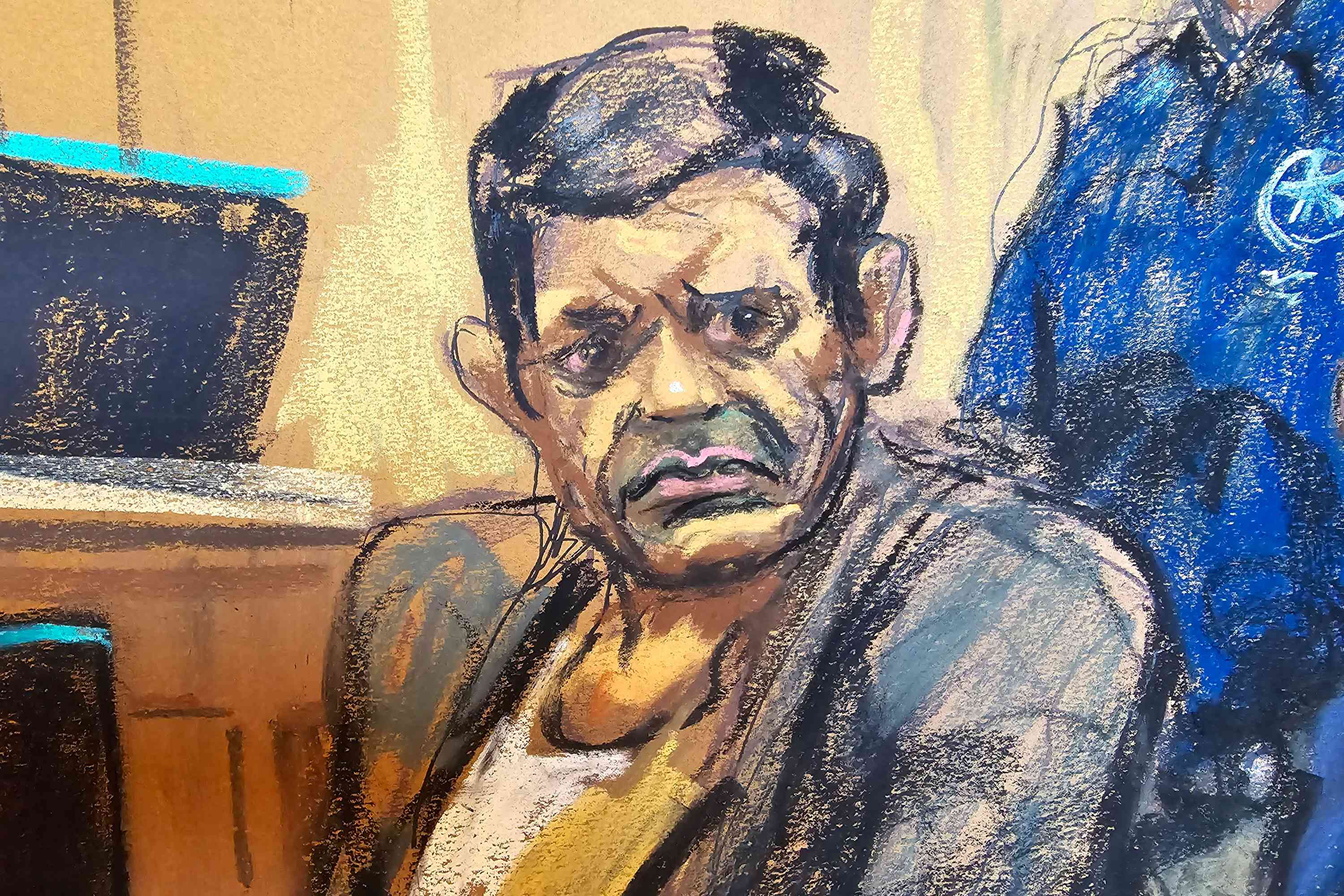
Gupta was charged with murder-for-hire, conspiracy to commit murder-for-hire, and conspiracy to commit money laundering, in connection with his efforts to murder a US citizen in New York City, said the US Attorney’s office, Southern District of New York. He is scheduled to be sentenced by US District Judge Victor Marrero on May 29, 2026.
Court documents identify Gupta’s handler as Vikash Yadav, who, US officials, said had been employed “at relevant times…by the government of India’s Cabinet Secretariat, which houses India’s foreign intelligence service, the Research and Analysis Wing”.
The indictment says Yadav reported to a “boss” in the Indian government, though that person is not named in US court filings.
Yadav, who is the subject of a Federal Bureau of Investigation wanted notice for his alleged role in directing Gupta, is in India. He was arrested in Delhi in December 2023 on unrelated kidnapping and extortion charges and has been out on bail since April 2024.
Pannun is not the only Sikh separatist to have allegedly been targeted. In September 2023, Canadian Prime Minister Justin Trudeau caused a furore by claiming that his country’s agencies were investigating “credible allegations of a potential link” between Indian government agents and the killing of Sikh separatist Hardeep Singh Nijjar in British Columbia in Canada earlier that year.
In November 2023, when the US filed charges against Gupta for the plot to assassinate Pannun, five Indian-American members of Congress had called on the Indian government to investigate the murder plot. “It is critical that India fully investigate, hold those responsible, including Indian government officials, accountable, and provide assurances that this will not happen again,” they said.
Transnational repression
FBI Assistant Director Roman Rozhavsky, in the press release by the US Attorney’s office on Gupta pleading guilty, said that a “US citizen became a target of transnational repression solely for exercising their freedom of speech”.
Transnational repression describes situations where foreign governments reach beyond their borders to intimidate, silence or harm diaspora communities. These intimidation tactics range from online harassment and digital surveillance to physical assault and extrajudicial killings.
American agencies have documented transnational repression by China, Russia, Iran and India. Chakrabarty of Hindus for Human Rights called on the US Congress to pass the Transnational Repression Policy Act, which would establish a federal definition for the phenomenon and create a framework for responding to it.
The bill was first introduced in the Senate in 2023 and reintroduced in July 2025, but has not advanced beyond the Senate Foreign Relations Committee.
A bill to train California law enforcement to recognise transnational repression was vetoed in October 2025 by Governor Gavin Newsom, a likely contender for the 2028 Democratic Party presidential nomination. Sikh-American activists had been seeking increased protection following attacks and threats they alleged were linked to the targeting of Khalistan separatists in North America by agents linked to the Indian government.
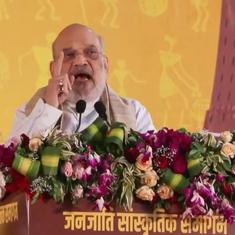
Hindus for Human Rights also urged the Trump administration to investigate and sanction India’s Home Minister, Amit Shah, under the Global Magnitsky Act, a US law which allows the government to impose visa bans and asset freezes on foreign officials who violate human rights.
The organisation cited reports by the Washington Post and Global News that Canadian intelligence officials had allegedly identified Shah as directing the plot against Pannun and the June 2023 shooting of Nijjar.
