









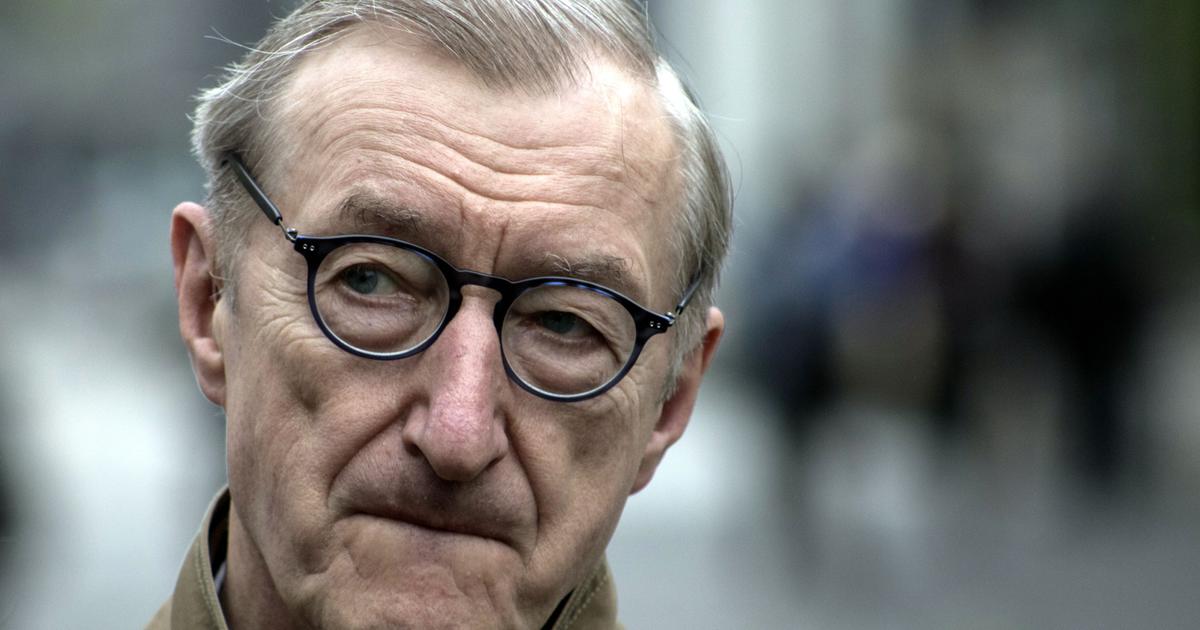
Julian Barnes, the 2011 Booker Prize-winning author, has said his latest novel, Departures(s), is also his final. For those who have read Barnes over the years, it is a bittersweet moment. It is a joy to have another novel from the 80-year-old writer after his last, Elizabeth Finch, but sadly, there won’t be another after the poignantly titled Departure(s).
A story within the story
Barnes is one of the most experimental writers in the English language – he has proved this in his 45-year-long writing career. His novels Metroland, The Sense of an Ending, or Before She Met Me won him love from readers, while Flaubert’s Parrot, A History of the World in 10 1/2 Chapters, or Talking it Over bowled critics over with their inventive styles. His final novel balances both acts – it is a hybrid novel. He seems to have set out on a brand new project – of attempting an autobiography, a love story, and then a final word before meeting death. On the ninth page of this novel, he states:
There will be a story – or a story within the story…
This will be my last book.
So the reader is prepared to experience Barnes’s clever wit once again, even if for the last time. Departure(s) will take the reader on a journey into the phases and ideas through which Barnes has made sense of life.
It starts with medical entries and Proust’s madeleines being dunked in lemon-flower tea. It is the IAM, the involuntary autobiographical memory, that Barnes ponders over. Here the narrator/author is in his seventies, diagnosed with a rare form of blood cancer. He writes about the events leading to this diagnosis and his reaction to it. While he writes about himself, the story within the story follows.
It is the love story of Jean and Stephen. Two people he had once brought together back at university. And then yet again, after a lifetime of absence, the author brought them together until they decided to marry each other in their sixties. However, their marriage is anything but happy.
Stephen is expressive of his commitment, whereas Jean finds the overtures of love excessive. They go to the “novelist” to complain about the other and to seek his opinion. These moments, which occur in the section “The End of the Story”, read like Barnes’s early novels. Somnolent dialogues and strong tension hold the plot together. Jean was a delight to read, and I wished for more of her in the story. To her, the author isn’t how the world sees him – she has her own reasons to seek him out.
These two narratives converge to create a mosaic of the many stories one tells and the promises one breaks. Yet, it is the presence of a Jack Russell, Jimmy (Jean’s dog) that moves the author more than his own life or that of his friends’.
The novel is a thinking mind. It thinks of life (“Incurable yet manageable”). It thinks of death (“I thought of it as always being there, on a set of parallel tracks alongside my life”). It thinks of love (“…the stupid, insistent yearning within us all that there should be happy endings for those we love, especially when it seems deserved, and despite whether this is feasible or not.”) It thinks of identity (“…what it was like to be Jimmy.”) It thinks of fiction. It is brimming but never spills over. A love story and an autobiographical record of a terminal illness weave cohesively.
In 2024, Garth Greenwell’s medical fiction, Small Rain, caused a stir. Set in an American hospital at the peak of a global pandemic outbreak, it records the life of a man coming to terms with a rare disease as his partner waits at home. Greenwell’s writing had the swirling, hypnotic, melancholia of being locked down when a disease has broken out. Barnes’s novel made me return to Greenwell’s novel and yet realise how differently the two experiences were written. For instance, Barnes thinks of his cancer as “an anonymous overall presence – not really a companion… for it hardly feels companionable.”
Raging against the dying of the light
Somewhere in the middle, the author drops a question asked to him by an interviewer, “So, Mr Barnes, you are now 76, and you will never win the Nobel Prize because you are a white man – are you raging against the dying of the light?” It comes at a crucial moment in the book. Literary circles in Britain and America have pondered over “The Vanishing White Male Author’ and what it means for publishing.
Barnes is careful while commenting on this. He goes into a long, winding narrative about the Dylan Thomas quote tossed around carelessly these days. He analyses the root of rage, pain and suffering when it comes to confronting death. However, he completely ignores the question about the politics of the white male writers and the literary industry. He makes a mention of regret over the Albanian novelist Ismail Kadare not winning the Nobel Prize, but steers away from getting to the root of such a question. Perhaps the novel would have gained if the author shed light on the politics of not-winning-the-Nobel-Prize-because-you-are-white-male. But was the dismissal a mere omission? Or was it simply the wrong question?
Those who have read Barnes over the years will reach an emotionally heightened moment in the final pages of the novel. He says, “I shall ‘miss’ ‘you’ – whatever the means.” It is a moment when he finally leans into the reader and lets his hand “rest” on them. For the first time, he makes this intimacy known to an audience who has heard him and thought of him for many long years. This is the hardest farewell for a reader and a writer; to know that this is the last word and that there will not be another.
Rahul Singh is an academic and a novelist. His debut novel, Unfolding, was published by Harper Collins India.
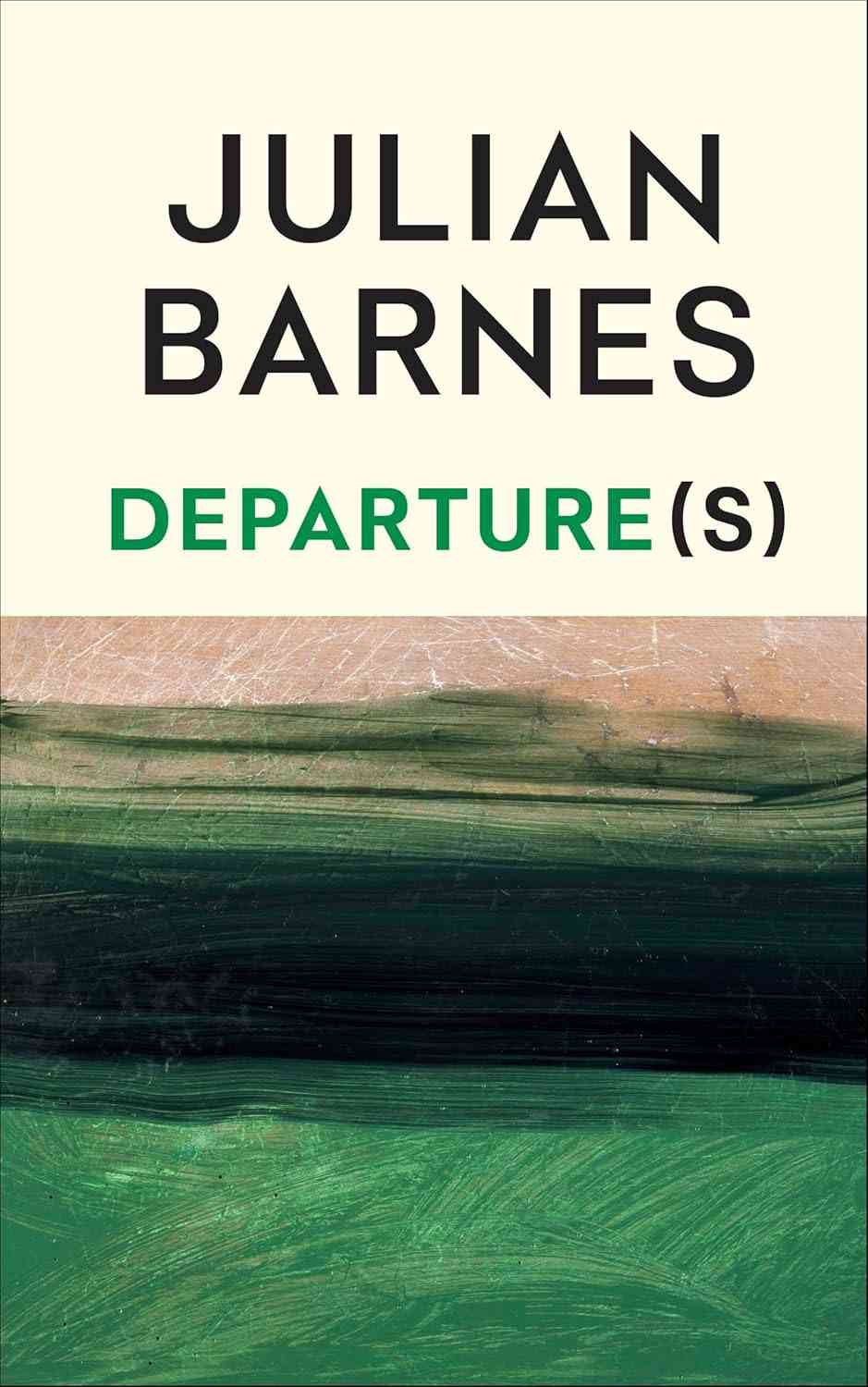
Departure(s), Julian Barnes, Jonathan Cape.
