



All information sourced from publishers.
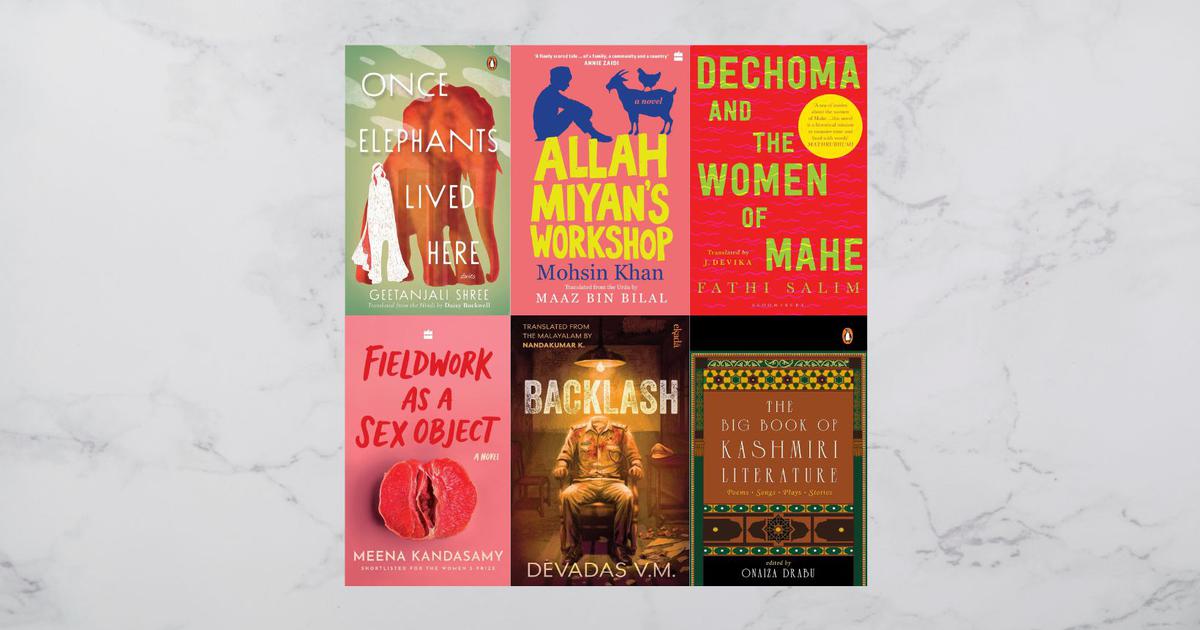
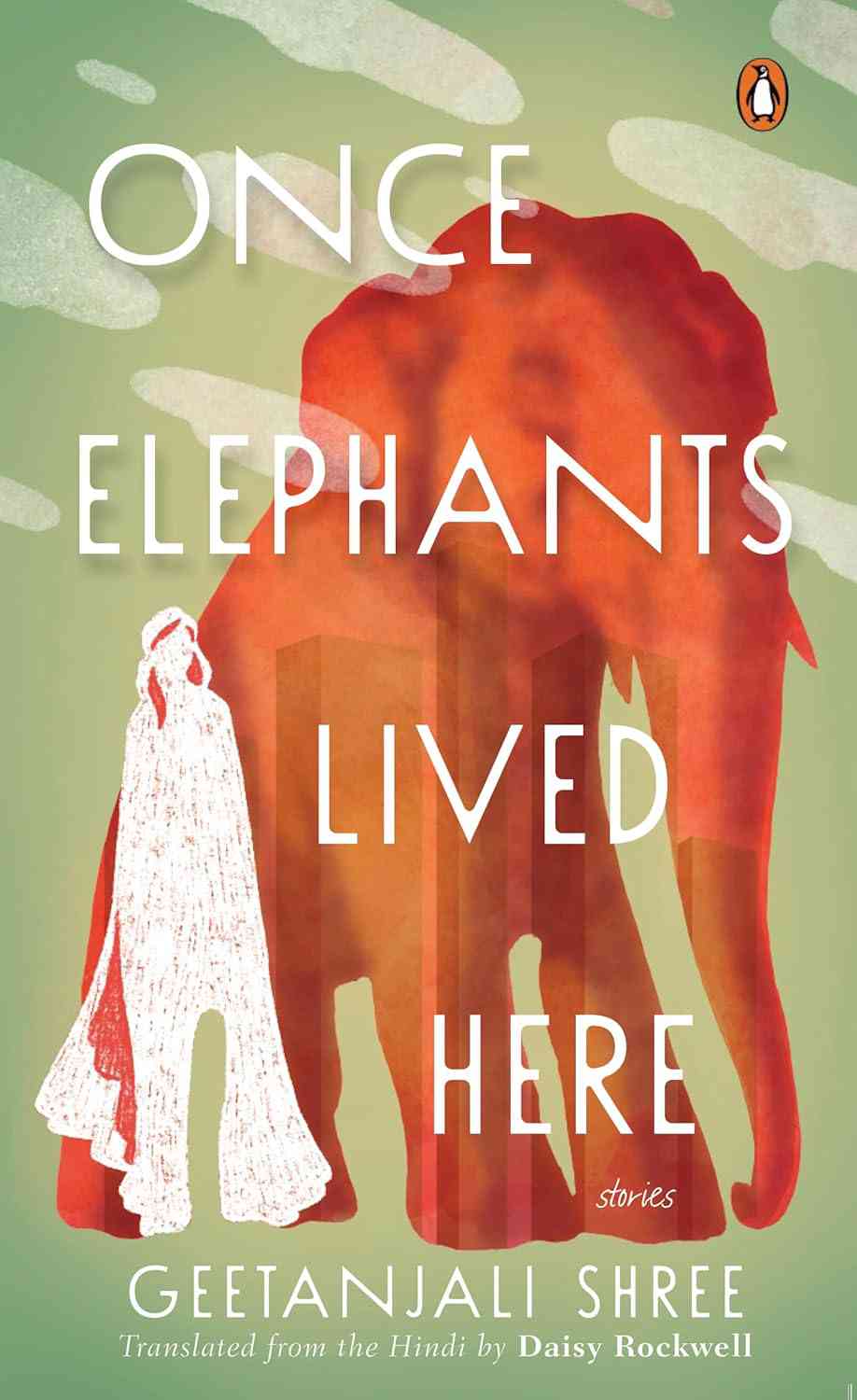
Once Elephants Lived Here: Stories, Geetanjali Shree, translated from the Hindi by Daisy Rockwell
The 11 stories cover a wide variety of themes, but all have in common the stylistic experimentalism which came to blossom fully in Tomb of Sand. There is an iconoclasm to Shree’s writing, especially beginning with this collection. Readers will soon learn that nothing is sacred to the author: narrative and genre conventions are summarily pushed off their pedestals and in their place we find…what?
Entirely new ways of conceiving and presenting storytelling unfurl before us as we come to question our own rigid preconceptions of the short story genre. In one story, a woman spends all day compulsively walking in circles around her housing complex. There is no introduction, no explanation, no denouement. In another, a woman goes on a writer’s retreat, and in a pseudo-sci-fi turn of events, falls passionately in love with the sky. The other participants in the retreat are robots. In a third, “Butterflies”, a narrator staying in a cottage in Kerala is overwhelmed with the grief over past events, but is surprised out of her self-indulgence by a mysterious group of young women who are either nurses or diabetes patients; she’s never sure which. Plots break, sentences shatter, grammar careens, new words are formed, and new narrative structures are erected and felled.
Once Elephants Lived Here reveals to us the pathbreaking experiments that led to Shree’s magnum opus, Tomb of Sand.
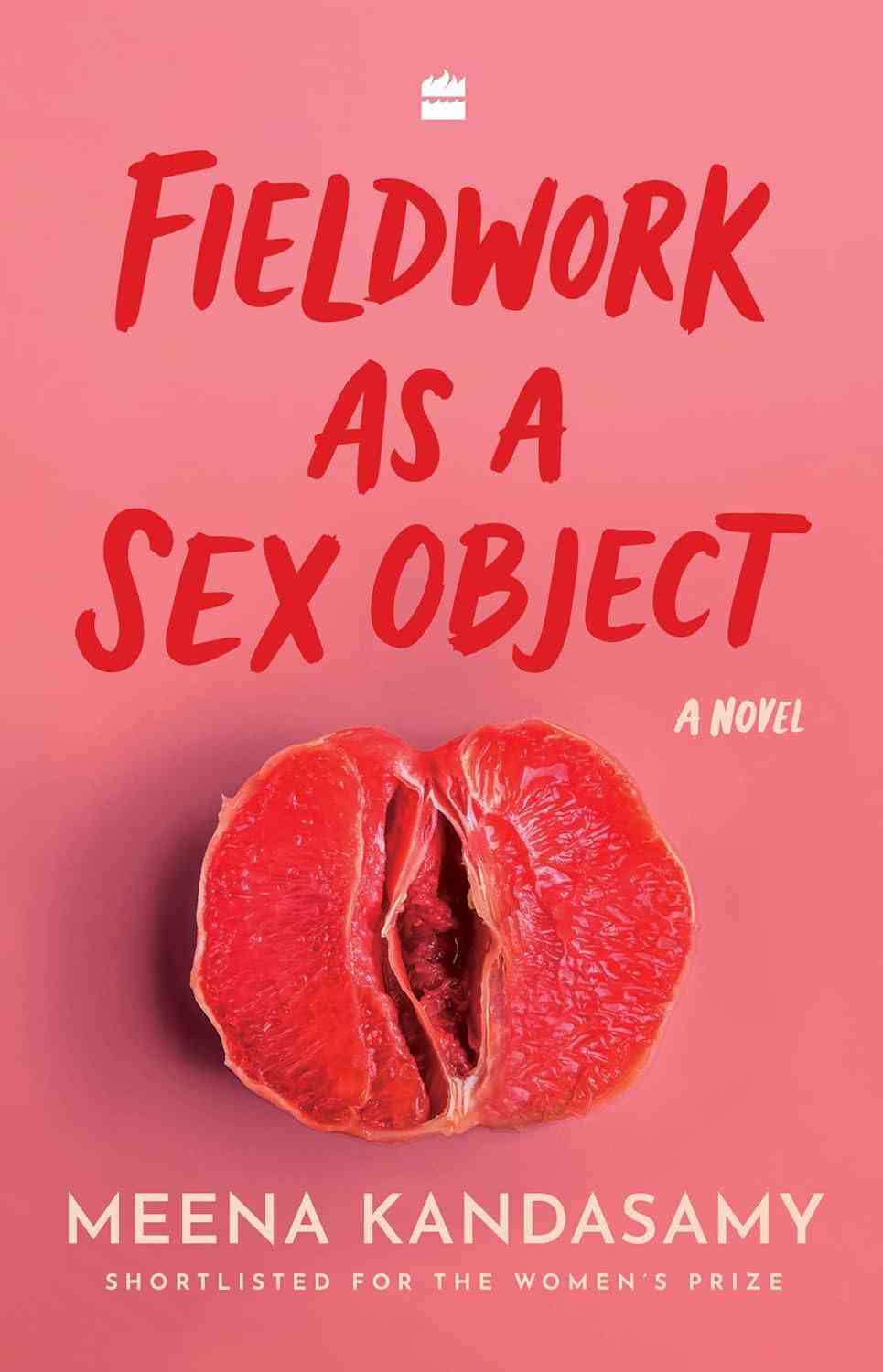
Fieldwork as Sex Object, Meena Kandasamy
Amrita Chaturvedi – Amy in her London circles – identifies as a communist on Twitter, but her bio omits any mention of her privileged life back in Delhi and a stint on reality TV.
When a scandalous deepfake video featuring her suddenly goes viral, the truth catches up with Amy. Overnight, she becomes a trending hashtag, hunted by right-wing trolls, betrayed by friends and family.
As the media frenzy explodes and legal persecution looms on the horizon, Amy must, with some support from unlikely allies, find a way to stem the public hysteria and overcome the onslaught. But does she really have a chance?
Kandasamy’s Fieldwork as a Sex Object is an exploration of caste, misogyny, sex, sexuality and the insecurities that drive people to do what they do. In the end, it asks each one of us how much we're prepared to risk for our principles.
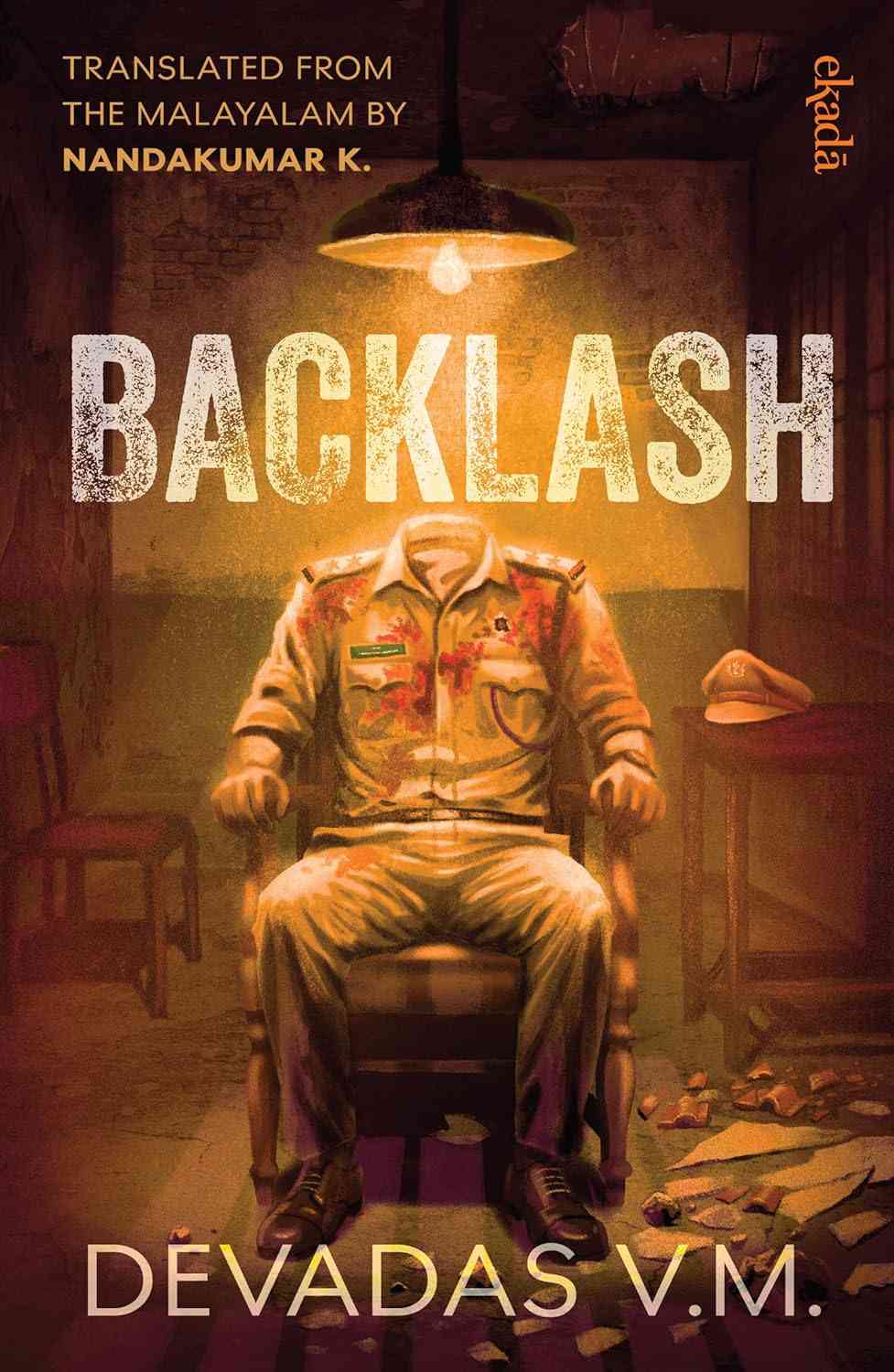
Backlash, Devadas VM, translated from the Malayalam by Nandakumar K
Having retired from the Kerala State Police, Shreedharan Nair seeks a quiet life in a small village. But the peace he has just begun to savour is shattered one night when stones clatter against his tiled roof. As the stone-throwing becomes routine, Nair – once feared as the ruthless “Kaalan Shreedharan”, Kaalan being Yama, the god of death – suspects that retribution may finally be at his door. While some well-wishers see in it the handiwork of supernatural forces, others point to ghosts from his chequered past. Driven by fear and curiosity, Nair begins retracing his career, compiling a grim list of those he once brutalised with the infamous “third degree”.
Backlash unfolds through Kaalan’s encounters with figures entangled in India's darkest chapters – the Emergency, the Babri Masjid demolition, the rise of religious fanaticism, fake encounters and mob violence – events that changed the nation’s social fabric.
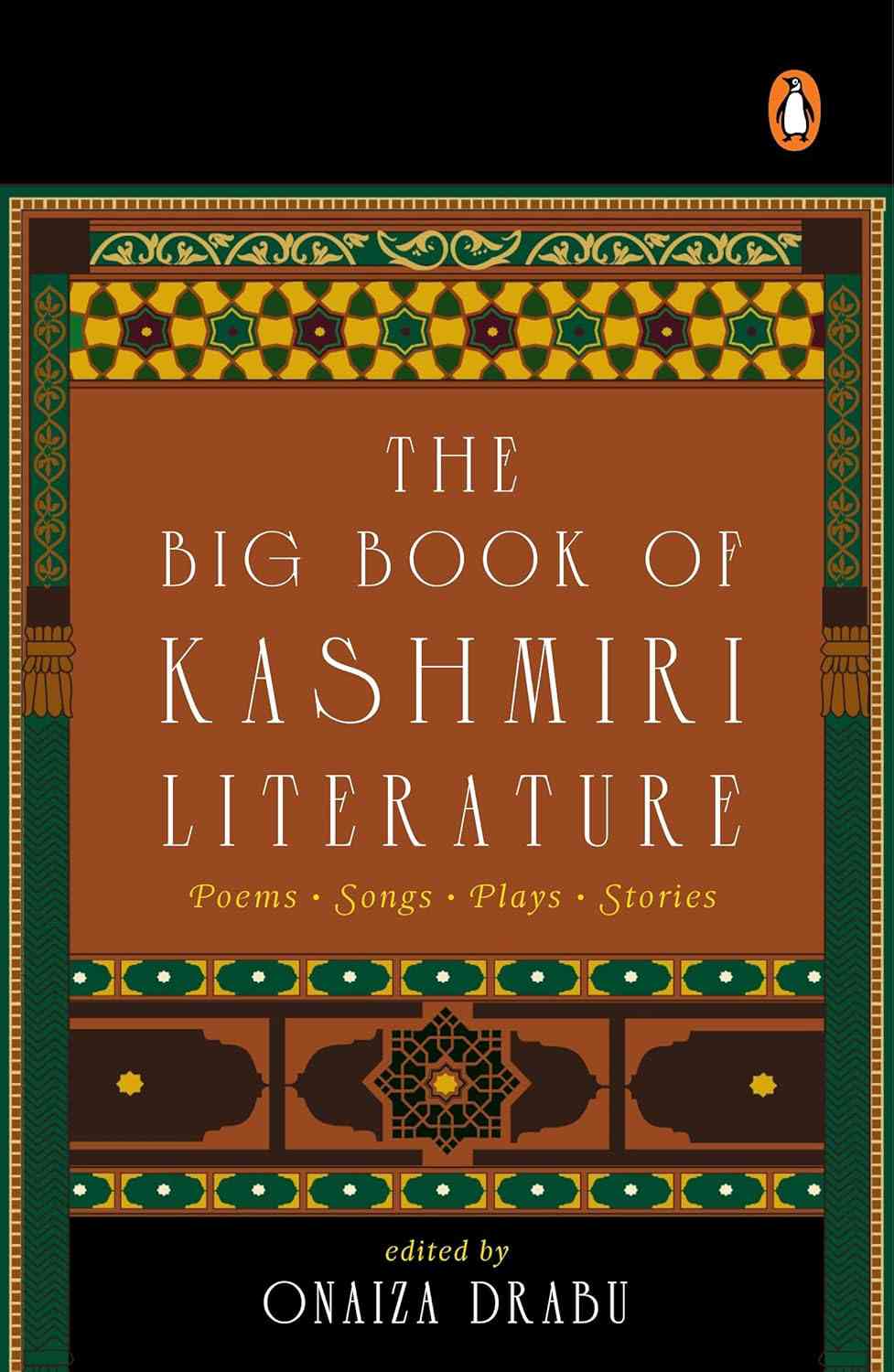
The Big Book of Kashmiri Literature: Poems, Songs, Plays, Stories, edited by Onaiza Drabu
This anthology of literature translated from the Kashmiri language is the first of its kind. It is as much an introduction into the literary landscape of Kashmir as a journey through its history. From pre-modern verse to radio plays, folk chants to metaphysical ghazals, flash fiction to excerpts from a novel – The Big Book of Kashmiri Literature is a compilation of memory and an anthology of voices. The reader will encounter scholars, saints, experimental dramatists and unlettered poets starting from the 14th century to today.
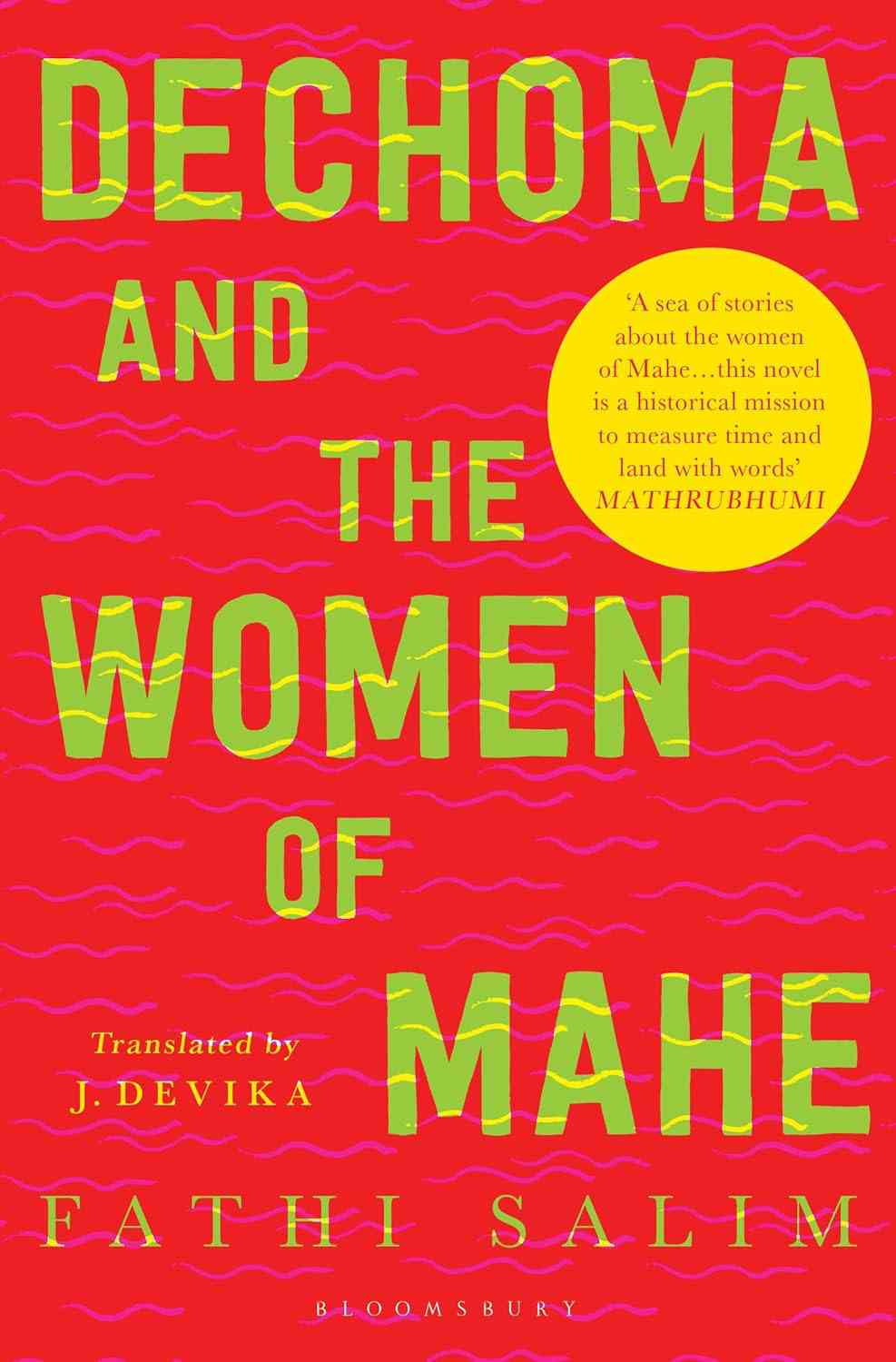
Dechoma and the Women of Mahe, Fatih Salim, translated from the Malayalam by J Devika
Enter the world of Umaiba, a girl at the threshold of youth, a magic time of life. She is a keen student at school but also curious about marriage, love and her body. Her confidant is Dechoma, a servant in her grandmother’s house, who affectionately disapproves of her rebellious tendencies. But Dechoma is also a great fount of love that keeps Umaiba from falling into despair or loneliness as she exits her childhood.
Fathi Salim balances the buoyant and the poignant in her debut novel. With great skill, she braids Umaiba’s excitements with her fears, and joys with her disappointments. Through the girl’s bright eyes, we see a whole inner domain of women and hear their stories in her sweet voice. We skip with her merrily and lightheartedly from chapter to chapter hopscotch style, until Umaiba leaps into her youth – and realises that she cannot jump anymore.
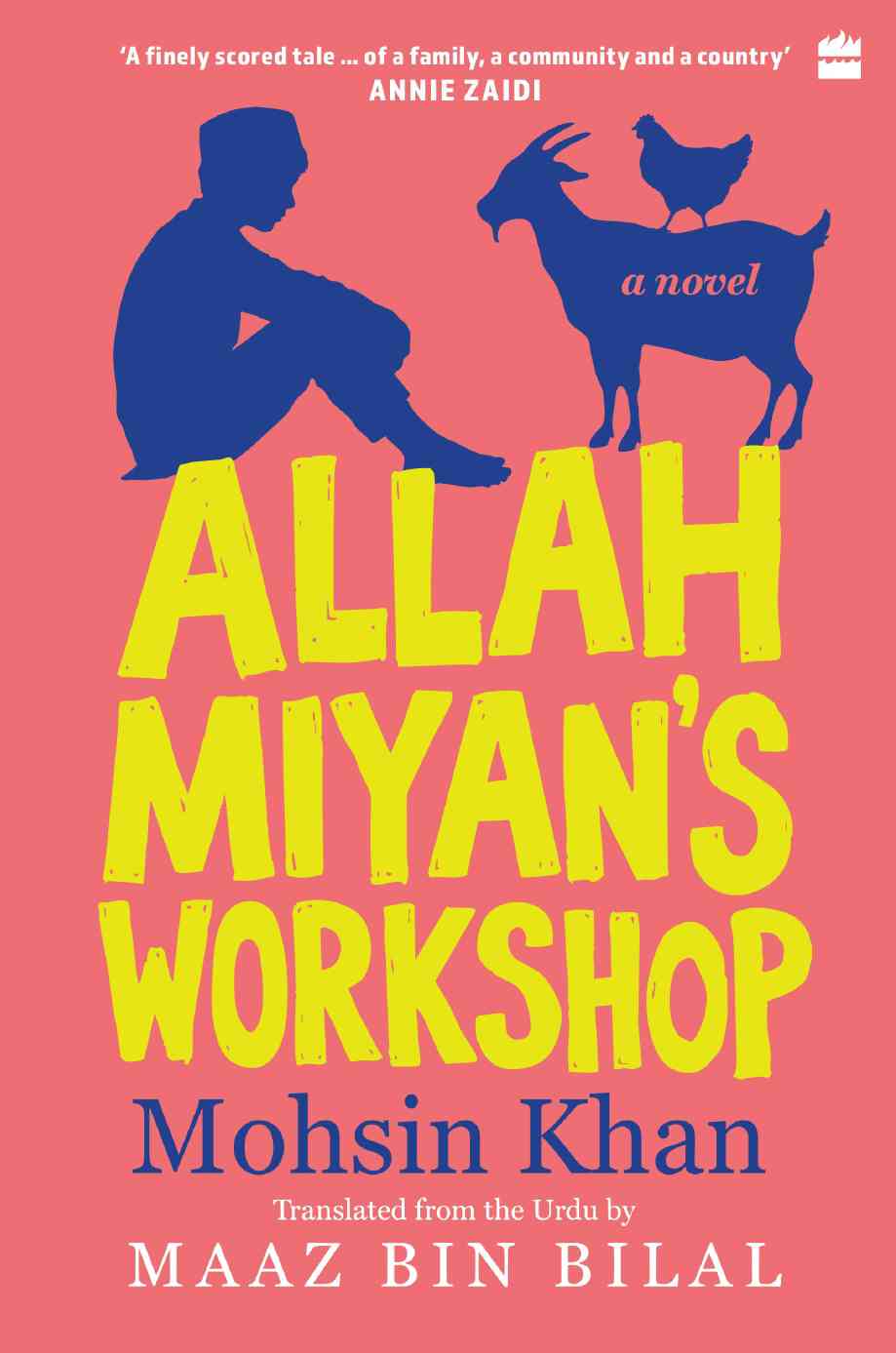
Allah Miyan’s Workshop, Mohsin Khan, translated from the Urdu by Maaz Bin Bilal
In a small village in Awadh, 14-year-old Gibran’s conservative father wants him to get employed in a mosque. The boy attends the madrasa, memorises his lessons, helps his Amma at home … and yet, on freezing Friday mornings, when he must bathe before offering prayers, he wonders why there must be Fridays in winter.
Gibran’s is an innocent world: he loves flying kites, flies even dragonflies by tying strings to their tails, skips the madrasa to watch the Nat's tamasha, gets caned for stealing a quarter-rupee coin, and when a cat grabs their hen, he asks why He who made the cat also made the hen.
One day, news arrives that his father has been arrested on suspicion of terrorism, and Gibran’s world turns upside down. Faced with death, parting and abandonment, his only refuge might lie in a world of imagination.