






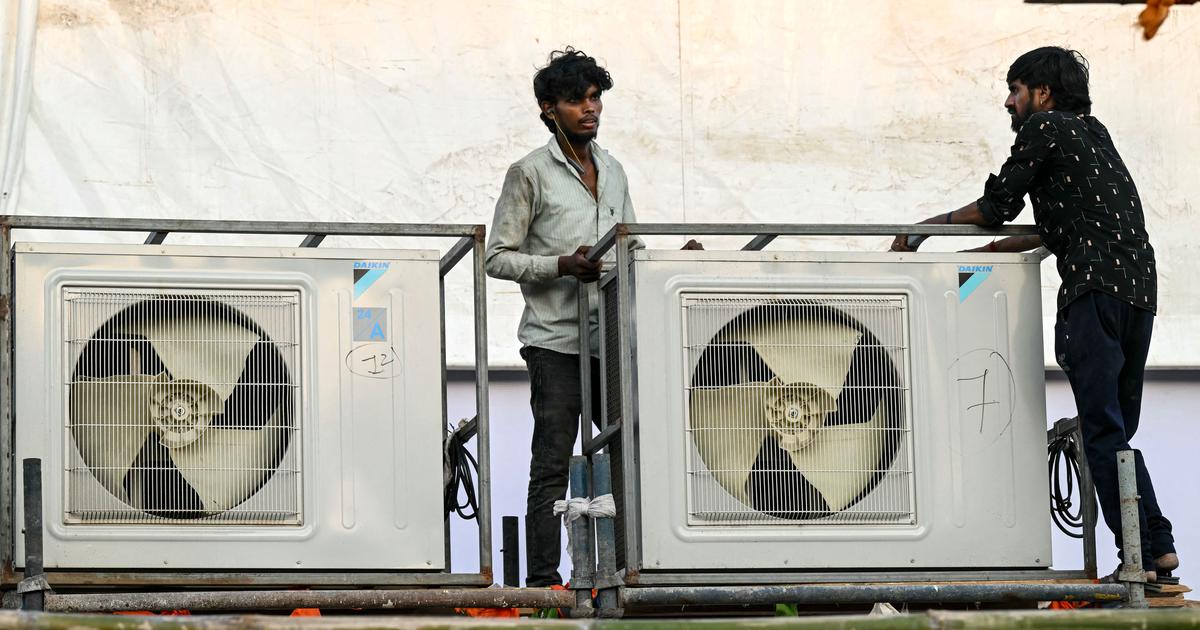
India’s energy challenge is increasingly becoming a cooling challenge. As extreme heat drives electricity demand from air conditioning and other cooling services, it is straining an already stressed grid.
On May 21, for instance, peak demand exceeded the Central Electricity Authority’s 2026 projection of 270 gigawatt, with some regions in the country facing power cuts.
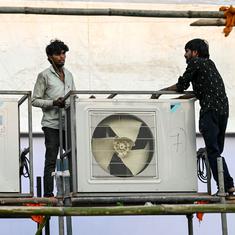
Air conditioners account for 40% to 60% of peak summer load in large Indian cities, studies show. The growing demand has exposed the vulnerability of India’s power system, as is evident in the regular power cuts, equipment breakdowns, outages, and transformer burnouts across the country.
Such disruptions highlight that the challenge of India’s energy transition is no longer limited to adding renewable energy capacity – it is also about building a resilient power system capable of equitably meeting rapidly increasing demand.
A power system under stress
Extreme heat does not merely increase power demand; it also weakens the infrastructure required to meet that demand. Around 1.3 million distribution transformer failures occur in India annually due to factors such as overloading and poor repairs.
Heatwaves also impact transmission infrastructure, as overhead lines sag and trip under soaring temperatures. All this results in mounting transmission and distribution losses and further adds to power shortages.
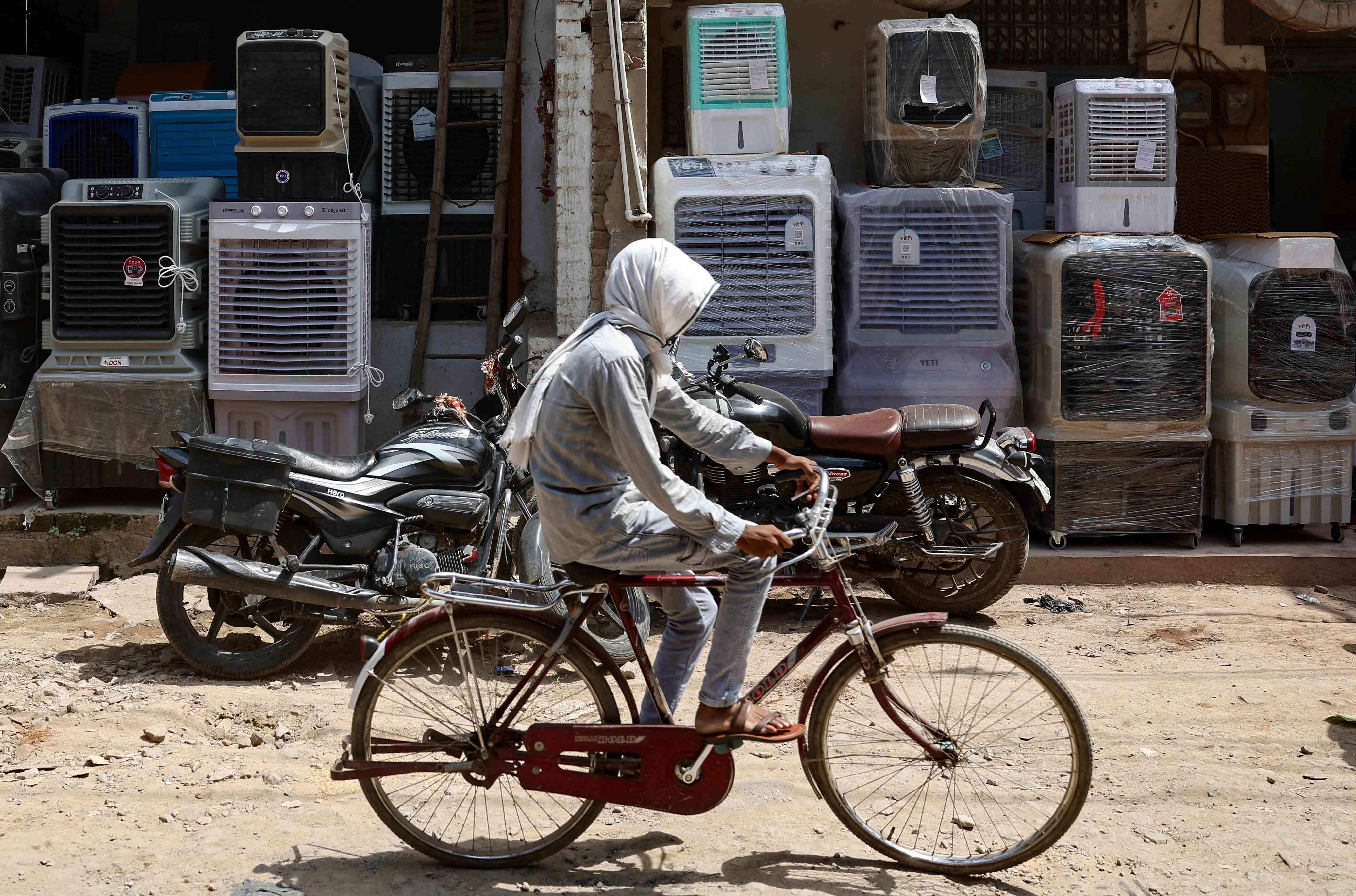
India’s cooling energy demand has been increasing drastically and is poised to grow 15-fold by 2050. This increase is driven in part by rising household incomes, rapid urbanisation and the necessity to adapt to frequent heatwaves, resulting in a surge in AC ownership.
The government’s India Cooling Action Plan projects the residential AC ownership to increase five-fold by 2038, driving the current 8% penetration rate to a staggering 40%.
This surge would test the resilience of our power grid and intensify heat-related hardships for low-income households due to frequent outages and breakdowns.
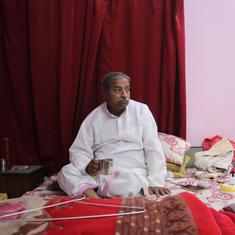
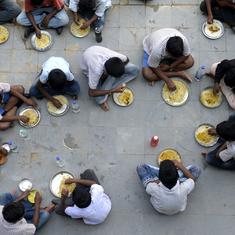
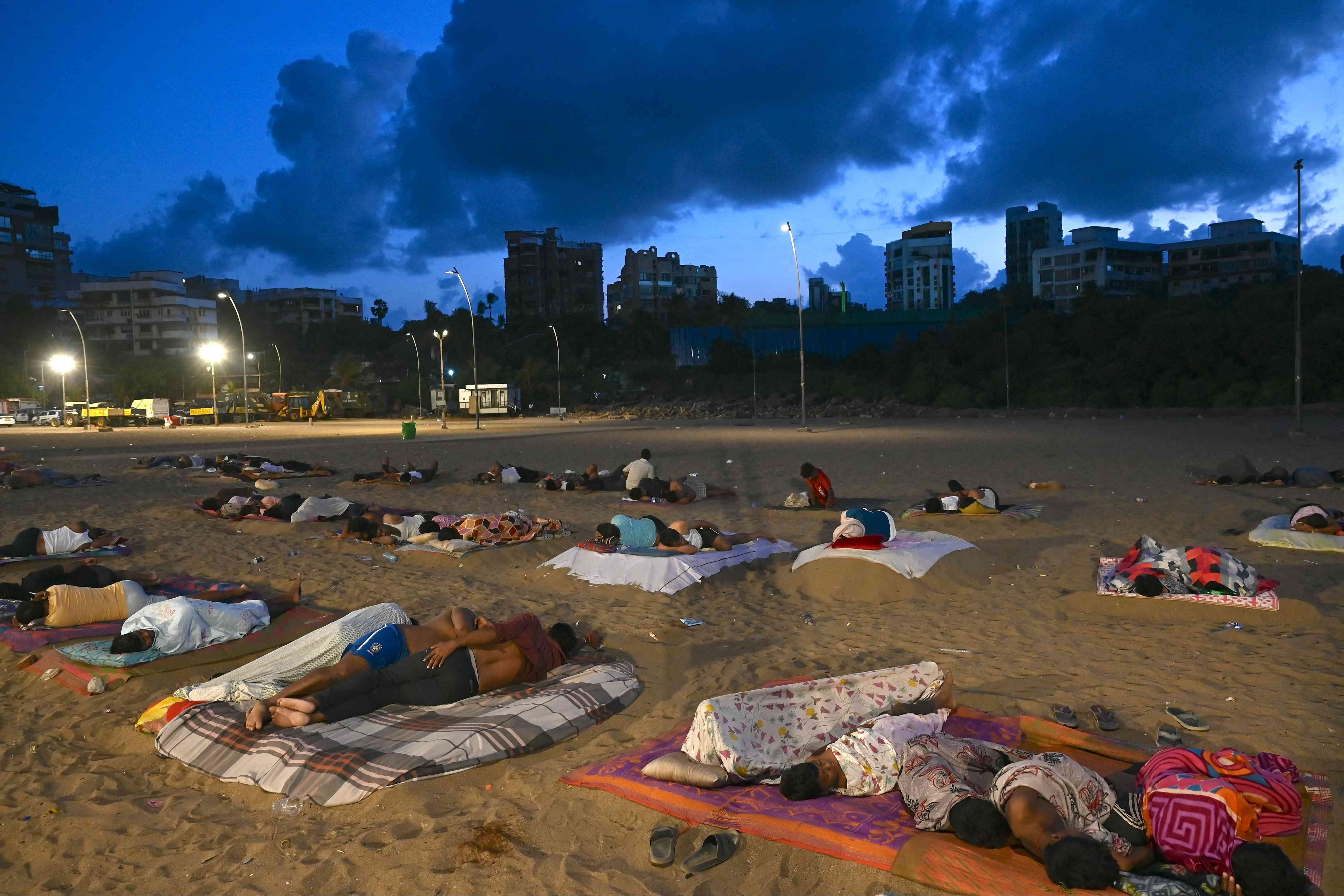
Power system failures disproportionately impact vulnerable populations who are not only the most heat-exposed but also contribute minimally to energy demand. Many low-income households continue to rely only on fans and work in the most heat-exposed occupations. They also live in dense informal settlements, which act as heat traps with tin roofs and minimal green and blue cover.
Heat stress is exacerbated on severely hot days when AC usage in well-to-do neighbourhoods pushes power demand to unprecedented levels. This often leaves low-income neighbourhoods among the first to face load shedding, thus worsening energy inequity during extreme heat.
The rising cost of cooling
The challenge of managing peak power demand is increasingly becoming intertwined with efforts to advance a clean energy transition. India has certainly improved power availability during daytime peaks, thanks to the expansion of renewable energy sources.
Between March 2021 and March 2026, renewable energy, including hydro, expanded from 140 GW to 275 GW, raising its share of India’s total installed capacity from 37% to 52%. This rapid expansion has translated into a growing role of renewable energy sources in daytime peak demand management. Renewable energy, led by solar, helps meet around one-third of the daytime peak demand in India.
However, managing evening peaks remains a challenge.
Moreover, peak demand patterns are changing, with cooling demand emerging as one of the largest contributors. Escalating heat stress has thus exposed gaps in traditional demand forecasting based on a normal summer. As a result, electricity distribution companies are forced to procure costly power from the spot market to meet peak demand, further straining their already frail financial health.
Beyond supply expansion
The growing cooling demand and the power system’s exposure to heat stress are an opportunity for India to rethink how electricity demand, infrastructure resilience, and equitable energy transition pathways are planned. Rather than responding only through short-term supply augmentation, the emerging challenge calls for a broader approach that combines technological innovation, policy reform and socially inclusive adaptation strategies.
At the technical level, India needs to move beyond simply adding generation capacity. Improving energy-efficient cooling technologies, strengthening appliance efficiency standards, and promoting passive cooling measures could significantly reduce peak demand.
As a large share of future housing has yet to be built, greater emphasis on climate-responsive building design could reduce energy demand. Such measures are particularly important in urban areas where heat stress is amplified by a dense built environment that absorbs, retains and re-radiates heat, making urban areas warmer than the surrounding areas. This is often referred to as the urban “heat island” effect.
In addition, decentralised renewable energy, such as solar rooftops with battery storage, could help manage demand peaks during non-solar hours. An emphasis on storage infrastructure and demand-side management technologies could further reduce pressure on the transmission and distribution infrastructure during peak demand and improve the reliability of power supply.
At the policy level, escalating heat stress highlights the need for climate-resilient power system planning. Heatwave scenarios, volatile cooling demand and peak load variability should be integrated into electricity planning, urban governance frameworks and adaptation policies. India also needs to strengthen and promote measures like time-of-day tariffs, smart metering, and incentives for storage and flexible consumption.
Most importantly, energy transition must be reimagined to strengthen grid resilience in the face of uncertain future climatic conditions.
Making cooling equitable
At the social level, the growing demand for cooling raises important questions about equity and energy access. With rising temperatures and more frequent heatwaves, cooling is increasingly becoming essential for protecting health, livelihoods, and productivity, rather than being just a luxury. However, infrastructure failures disproportionately affect low-income households, who have limited access to affordable cooling options.
Therefore, ensuring affordable and reliable thermal comfort requires socially inclusive approaches that combine energy access, housing design, public infrastructure and decentralised energy systems.
Heatwaves are no longer temporary disruptions to India’s power system; they are emerging as one of its defining operating conditions. The challenge is not merely to keep pace with rising power demand, but also to build a power system that is reliable, climate-resilient, socially equitable, and capable of supporting the country’s long-term energy transition.
Sarada Prasanna Das and Anna Agarwal are fellows with Sustainable Futures Collaborative, New Delhi, and Shubhranshu Suman is a research associate with the organisation.
