










There are an estimated 258 million widows in the world, with one in ten living in extreme poverty. Widows are significantly more numerous than widowers, who usually remarry quickly, almost always to younger women – so tend to die before their wives.
June 23 is International Widows’ Day, officially established by the United Nations to draw attention to widows and their all-too-problematic position and neglected rights.
The word “widow” naturally conjures up an image of elderly women. But in most countries where 23 June is marked, little attention has so far been paid to children who become widows.
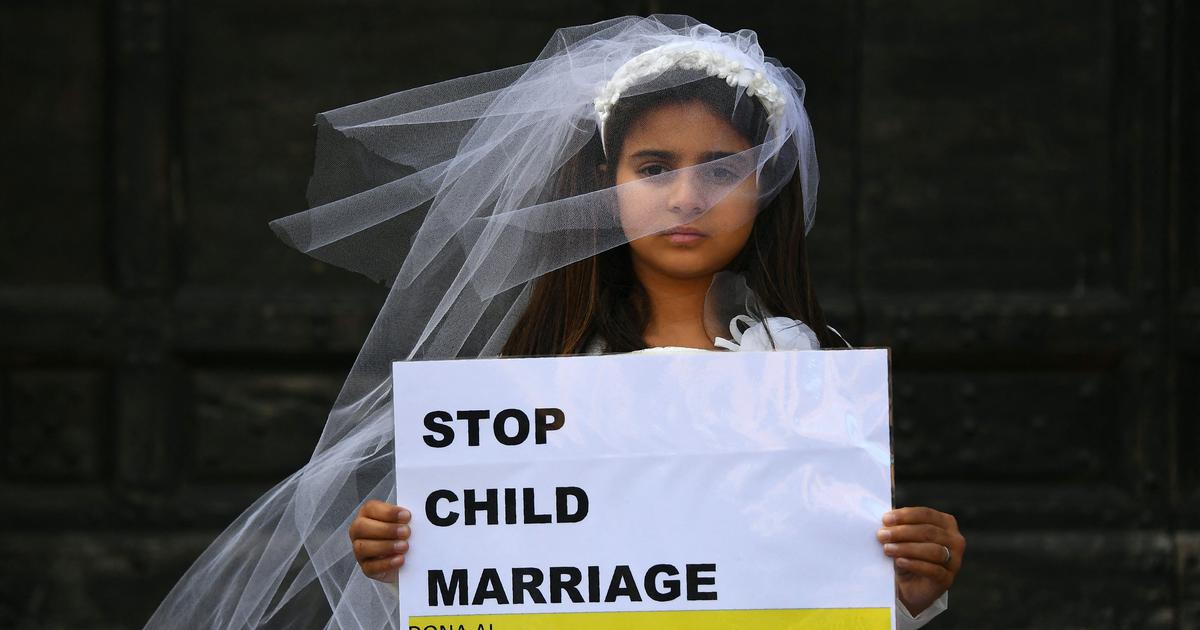
Every year, 12 million girls around the world under the age of 18 are married off, mainly in parts of Africa and Asia. These children sometimes do not attend school, or drop out as soon as they get married. Afterwards, they rarely have the opportunity to continue their education.
The millions of girls married far too young are mainly found in rural areas, where customs and discriminatory interpretations of religious laws often take precedence over modern legislation that has long raised the legal age of marriage. In these contexts, widowhood means social death.
A Child Widows Report in 2018 states that an estimated 1.36 million widows are under the age of 18, often even younger. The actual number is undoubtedly higher, since many child brides and child widows are undocumented. Some are little girls, not yet ten, or young mothers of around 12 years.
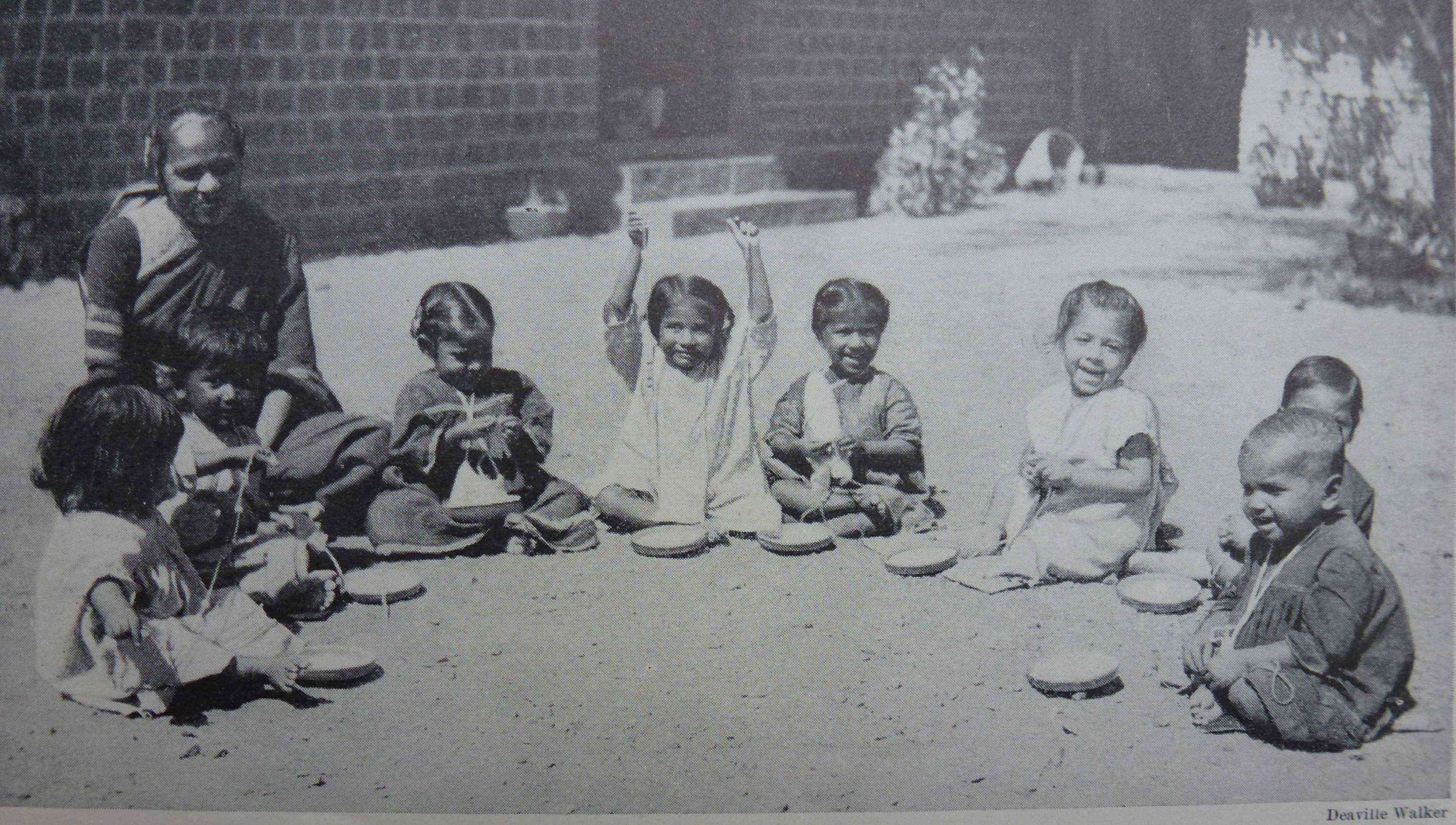
There are even toddlers and babies among them. In this photograph from a century ago are eight child widows cast out by their in-laws; they were fortunate enough to be taken in by a children’s home in Delhi.
A young widow from Bangladesh, who had only been married for a few months, summed up her married life in 2017: “I was absolutely terrified when I saw my future husband. He had one tooth, a hunchback, and was very old. I was so scared when I was left at his house that I tried to crawl under his mother’s bed to escape him. He hurt me. I was glad when he died.”
In sub-Saharan Africa, the number of child marriages is highest. In Niger, 76% of girls marry before the age of 18 and 28% before the age of 15. But most child brides live in South Asia because of the region’s larger populations.
Most countries have developed legislation prohibiting child marriage, and many have also signed the relevant international conventions. Thus, the number of child marriages has fallen, and the number of child widows.
But in rural, impoverished regions, custom carries more weight than national legislation. This is certainly true where parents are required to provide a dowry for their daughters. If there are many daughters, this can spell financial ruin. Those who cannot meet the demands of the in-laws cannot be choosy.
It is not uncommon for their much-older husbands to die before them, sometimes shortly after the marriage. In some places, the girls remain widows for life due to the tradition that dictates that a woman must never remarry out of respect for her deceased husband.
Modern Indians have long been opposed to the age-old practice of child marriage, but in many parts of the country, conservative families uphold the traditional rules, particularly in regions where poverty and illiteracy are rife.
In many families, there is barely enough food for the children, and so the boys are given lion’s share. The notion that baby boys are more valuable certainly does not exist in India alone. Wherever a vocal preference for sons has been passed down, giving birth to boys has earned their mothers the highest possible social prestige. No wonder, then, that many mothers would rather have a son than a daughter.
‘Life was a misery’
In 1994, a Widows’ Conference was held in Bangalore, where widows from a caste in which remarriage was forbidden dared to speak openly about their situation for the first time. A 70-year-old woman, widowed when she was five, told her own story:
“I was playing outside with my little sister and a cousin when my mother called me inside and said, ‘Your husband is dead.’ I asked, ‘Who is a husband, Mummy?’ I had never seen him. From that day on, my life changed. I was no longer allowed to play outside with the other children. I had to take off my jewellery. I continued to live with my mother, but she kept me indoors. I did all the housework – cooking, cleaning and washing. From that moment on, my life was a misery. I turned to god for help.”
In some countries, if her husband dies young, a girl is accused of having committed grave sins in a previous life; otherwise, her husband would not have died so soon.
Child brides who have not attended school are entirely dependent on that older husband. Without social security, they are constantly at risk as child widows: they have no defence against violence, have no right to inheritance and, in many cases, are driven away, often accused of witchcraft.
The 2018 Child Widows Report first drew attention to their alarming situation at the United Nations. These child widows inevitably fall between two stools: they are often not covered by aid programmes for children, yet organisations concerned with the plight of widows also fail to recognise their rights.
Mineke Schipper is a writer and emeritus professor of literary studies at Leiden University. Her latest book Widows: A Global History, published by Speaking Tiger.
June 23 is International Widows’ Day.
