



Dhun Mehta hollered a greeting as he passed by the compound of our office on the morning of June 26, 1975. Were we aware, he inquired, that prominent opposition leaders like Jayaprakash Narayan, Morarji Desai, Jyoti Basu, LK Advani and others had been arrested, censorship imposed and a state of emergency declared in the country?
We confessed total ignorance.
The morning papers had made no mention of any such developments. Mehta, a former neighbour, said he had heard the news on BBC Radio earlier that day.
There was no reason to doubt the veracity of his startling announcement. Jayaprakash Narayan had been demanding Prime Minister Indira Gandhi resign office after the Allahabad High Court on June 12 had found her guilty of electoral malpractices while contesting her parliamentary seat from Rai Bareilly in the 1971 general elections.
She had appealed the verdict and appointed noted lawyer and civil rights advocate Nani Palkhivala to argue her case. Much to the surprise and chagrin of many civic-minded libertarians, Palkhivala had agreed. Indira Gandhi’s younger son, Sanjay, reportedly urged his mother to adopt a more contrarian stance.
Sadly, fearful of losing her legal appeal, the beleaguered Indira Gandhi succumbed despite Palkhivala assuring her she had a good case. She opted to suspend the civil liberties of all Indians. A pliant president, Fakhruddin Ali Ahmed, conspired to do her bidding and declared a state of Emergency.
As jurist AG Noorani later bemoaned in his column in the weekly Opinion, rarely had one witnessed such low cunning in such high places.
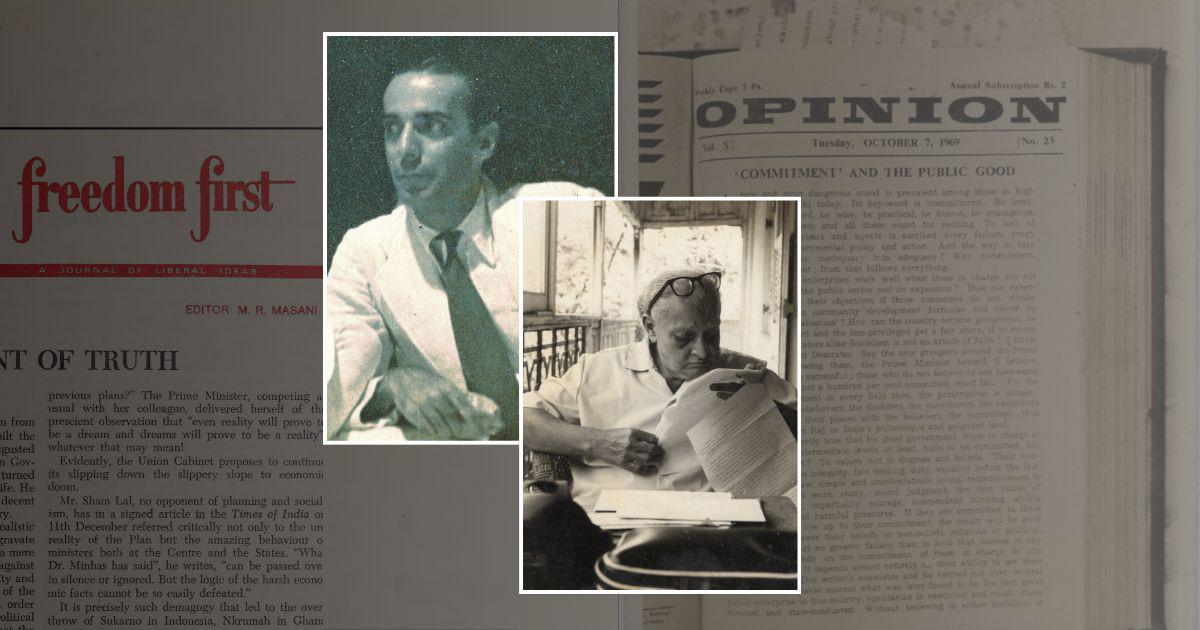
Among the many citizens who opposed her authoritarian diktat were former Indian Civil Service officer Astad Dinshah Gorwala and former parliamentarian Minoo Masani, a founder of the laissez faire Swatantra Party.
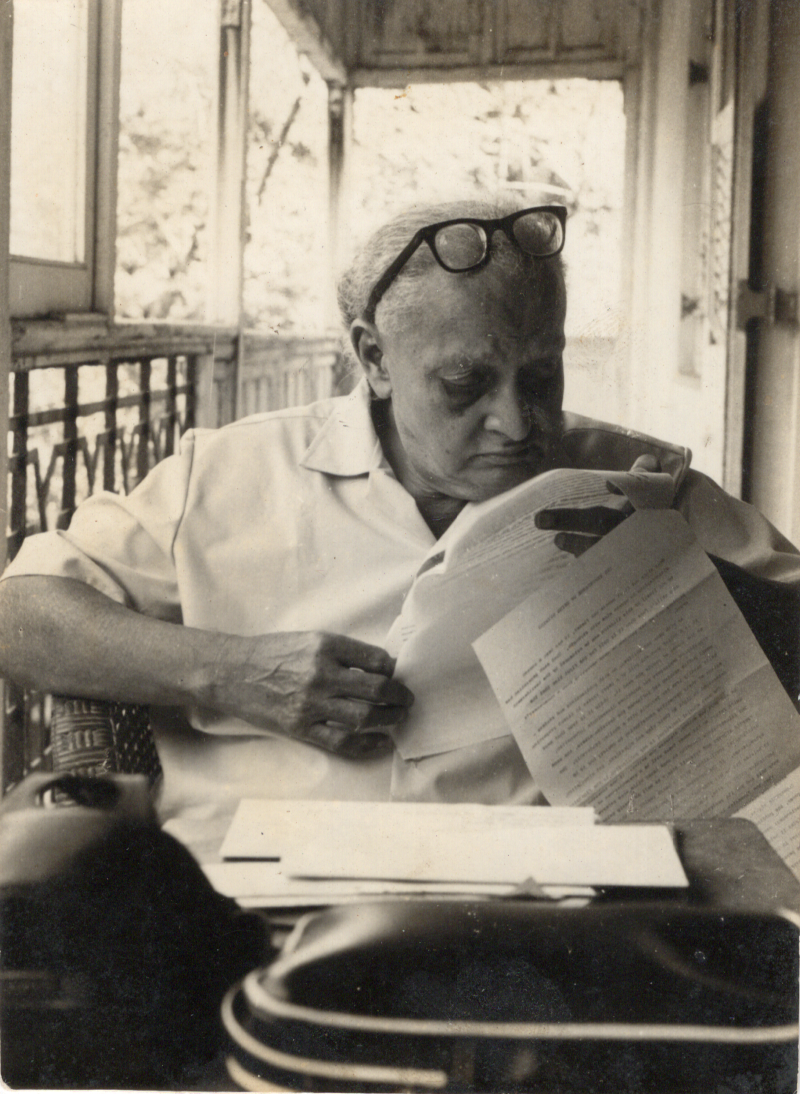
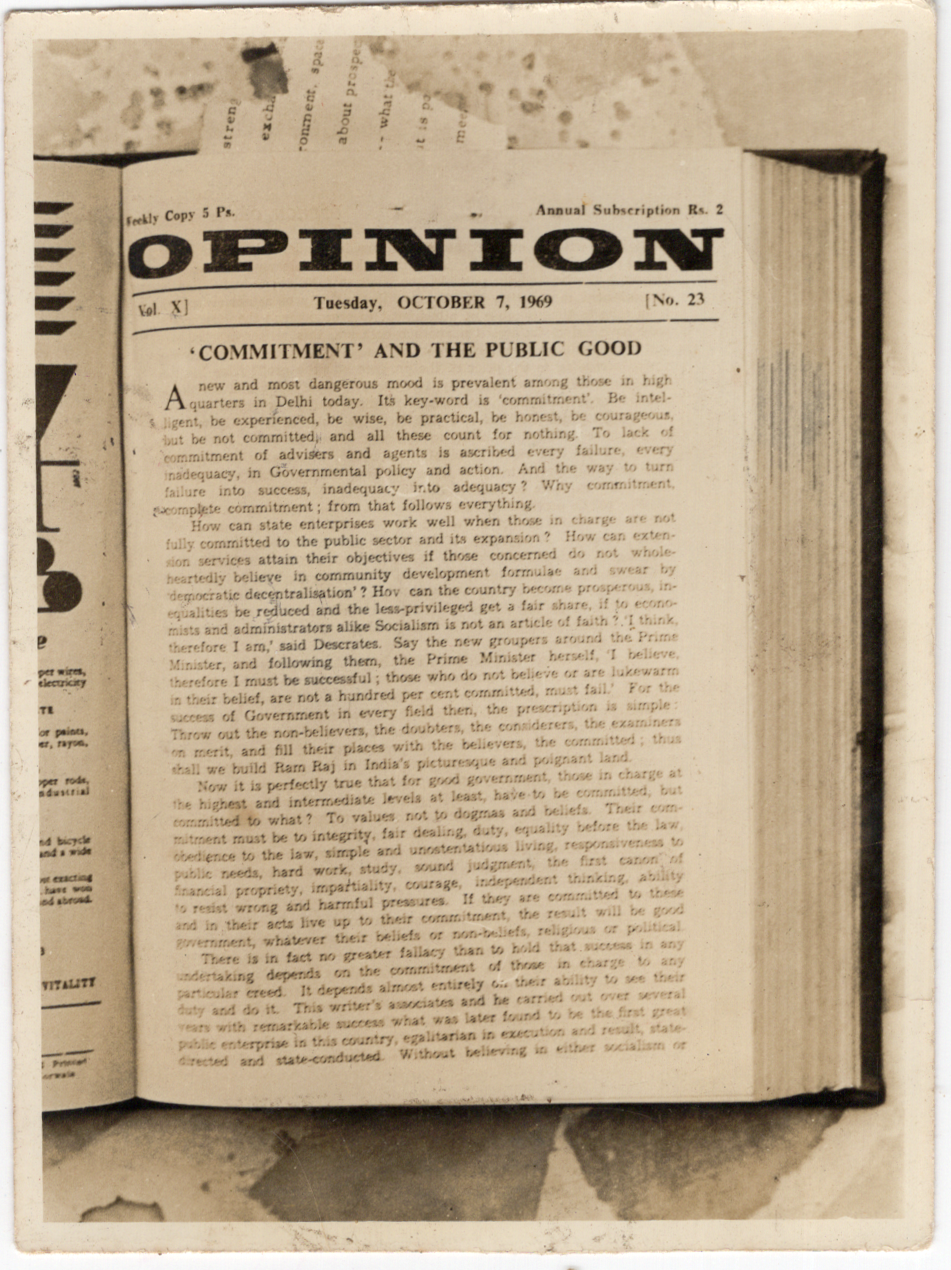
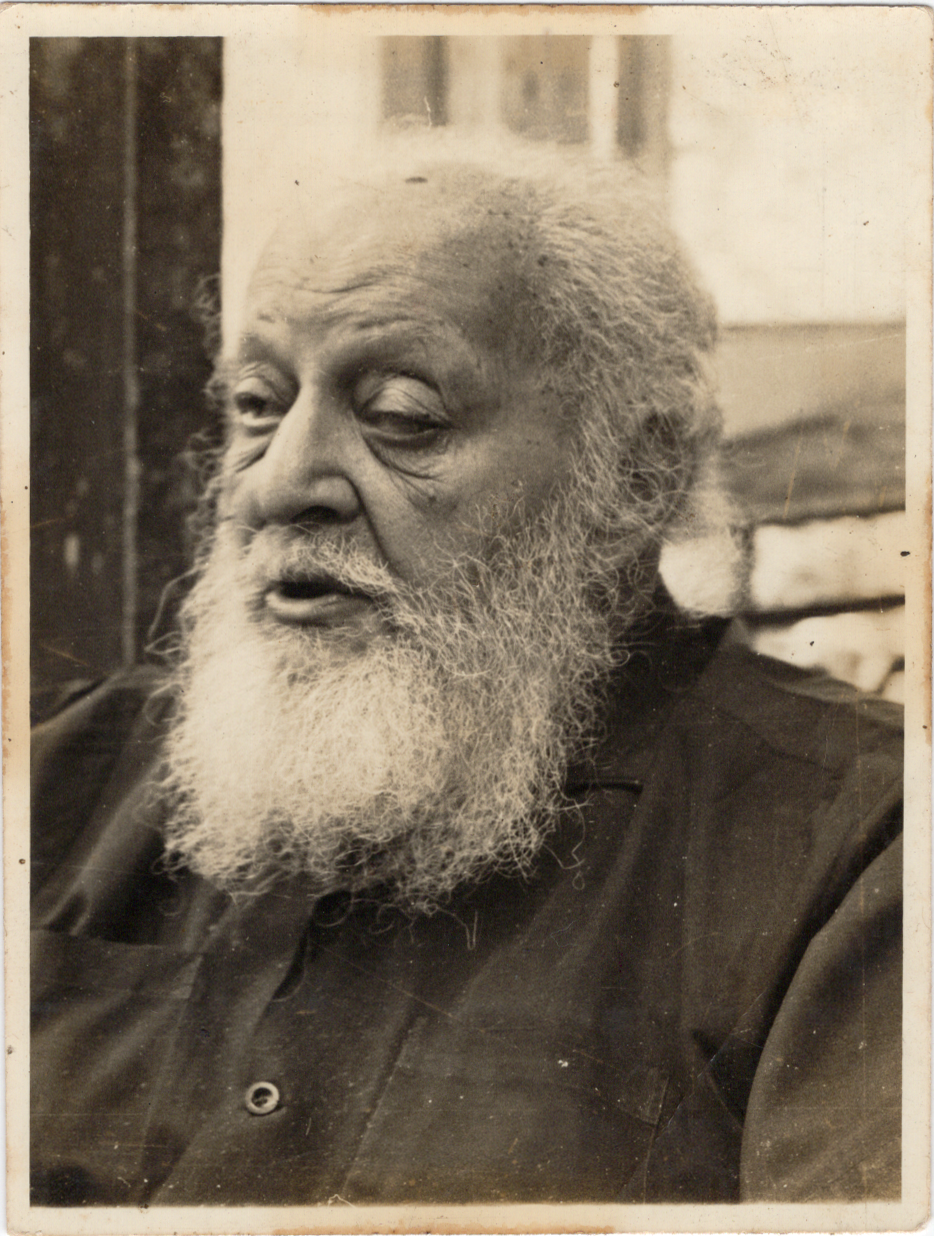
Gorwala edited the highly regarded weekly Opinion that relentlessly and fearlessly criticised the authoritarian rule of the Congress party headed by Indira Gandhi. (One of his headlines labelled her “An arrant liar”.) To add insult to injury, the fiery editor sent his weekly journal complimentary to all members of parliament.
He kept the annual subscription at an economical but unviable Rs 2. A handful of bold well-wishers lent advertising support. Gorwala kept his lifestyle simple. He lived on his pension as a retired Indian Civil Service officer and bore the financial burden of publishing the journal from his rented home on Bombay’s Malabar Hill.
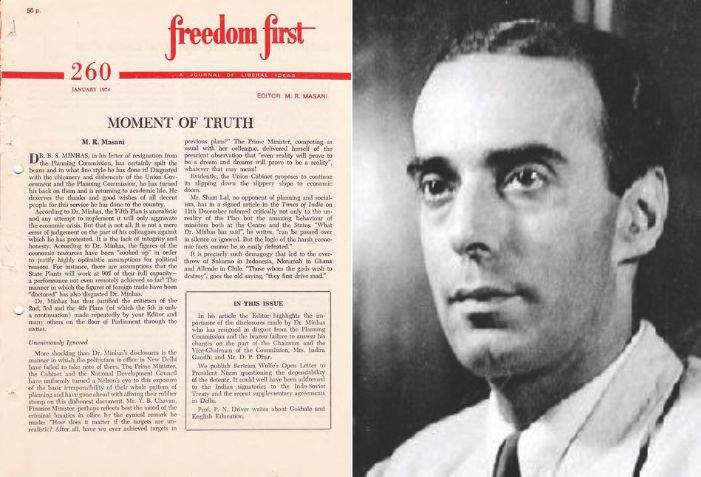
Masani, who ran a consultancy firm, edited Freedom First, a monthly journal of liberal ideas from the offices of the Democratic Research Services near Kala Ghoda downtown.
Under the Emergency, an already pliant national press had to have editorial content filtered by government appointed censors. In Bombay, editorial material had to be submitted to the censor’s office in Sachivalaya (now Mantralaya) while assistant censors sat in the offices of all major newspapers to oversee content. Publications were encouraged or coerced to publish stories that extolled the positive aspects of the government (many had done so even prior to the Emergency).
Hoardings and bus panels were emblazoned with government slogans inspired by Indira’s 20-point programme stating: “Discipline makes the nation great,” and “Hard work is the only magic.”
With radio and television channels owned by the government and the major newspapers by large business houses beholden to the ruling party for licences, permits and quotas (including for newsprint), silence for most meant survival. Little dissent was voiced. As LK Advani, leader of the Jan Sangh (which later became the Bharatiya Janata Party), admonished the press after the Emergency, “You were asked to bend but you crawled.”
A day or two after the Emergency was declared, Gorwala phoned Palkhivala to ascertain his views on the course of action to be followed. Palkhivala called Gorwala to his residence at Nariman Point. Talking on the phone was risky as the telephone lines of prominent people were being tapped.
A chagrined Palkhivala first justified to Gorwala why he took on Gandhi’s brief. He believed she had a winnable case and by overturning the verdict she could continue to remain in office; there would be no need to take recourse to extra-constitutional methods.
For the forthcoming issue of Opinion, Gorwala put together his editorial material and ventured to the chief censor Binod Rao’s office on the ground floor of Sachivalaya, a white, elongated, six-storey building that houses the state government’s offices. Rao greeted Gorwala courteously, glanced at the editorial and other content and, without looking him in the eye, said his office would respond to him.
After exiting, Gorwala, who had no intention of waiting for any censorial approval, dispatched the editorial matter for typesetting to the Mouj Printing Press at Charni Road, the weekly’s printers since its inception. After printing, copies were transported to the General Post Office’s sorting centre near Victoria Terminus (now Chhatrapati Shivaji Terminus) to be posted to subscribers.
Shortly after the copies were mailed, Gorwala received a summons from the magistrate’s court at Azad Maidan asking him to explain why he had published the journal without the censor’s approval.
Gorwala, accompanied by well-wishers and noted lawyers like Noorani and Rani Jethmalani, appeared at the Esplanade Magistrate’s Court before Chief Magistrate Jal Vakil. Vakil, like many other jurists, was apparently not in favor of the suspension of human rights and the arrest of opposition leaders, not to mention censorship. Vakil asked the lawyers how much should he fine Gorwala. They proposed Rs 200. The chief magistrate agreed but added that left to himself he would have levied a fine of only Rs 50.
When the next issue of Opinion was printed and taken to the General Post Office, the mailing staff refused to post the copies. When Gorwala went to the post office to inquire why, he was informed they had been instructed to act this way. He thought for a moment and then decided to approach the post master general. After all he had been a very senior civil officer and the postmaster general would have been subordinate to him so he felt justified in approaching the officer without an appointment.
The cordial, sari-clad postmaster general, respectful of Gorwala’s former standing in the civil service, graciously called him in. Gorwala asked her why the mailing had been forestalled to which she replied this was as per the orders received. When further pressured for the rationale, she repeated politely that the orders were “not to post”.
Gorwala arranged for the copies to be retrieved from the post office and had his well-wishers and volunteers stuff them in envelopes and mail them in batches of 50 from various other post offices in the city.
When the next issue was sent to Mouj, they said they could not print the journal. The material was sent to another press but the police went there and broke up the hand-composed, metal type pages.
Undeterred, Gorwala decided to cyclostyle the issues. A stencil was cut by a sympathetic secretary and taken for cyclostyling to a shop near the Bombay Stock Exchange. The copies were inserted in envelopes to avoid detection and posted in batches of 50. Around 1,500 copies had been prepared.
When the next stencil was cut, the copies, through an oversight, were printed on a larger sized sheet and needed to be trimmed to fit in the envelopes. They were carried to a nearby printer whose staff knew the proprietor of the cyclostyling shop and as a favor agreed to cut the paper.
Just then, the proprietor of the press stepped in and asked what was being cut. He picked up a copy and started reading. Gorwala’s volunteer froze. After reading a few lines the owner glanced up and commented, “You are people of principles. I used to have principles” but now follow a more practical approach. He permitted the cutting to proceed.
It was a close call. Had he called the police, everyone involved with the process could have been implicated and eventually imprisoned. All of them, barring the lady who cut the stencil, were unaware of the seditious nature of the content. They went along innocently assuming they were acting within the bounds of the law.
Was it therefore morally right to have exposed them to such perilous risks without their consent? That quandary may have weighed on Gorwala’s mind and that of his well-wishers.
A few days later, Gorwala received another summons from the magistrate’s court. He decided to appear but without any lawyers. He had wilfully disregarded the law, had no defense and would plead guilty. The magistrate fined him Rs 50.
The prosecuting attorney badgered the jurist to make Gorwala disclose the location of the cyclostyling machine but the magistrate took no heed of his persistent query. Gorwala sat in the courtroom while a constable accompanied his companion to a higher floor where the cashier was located. Once the fine was paid, Gorwala was free to leave.
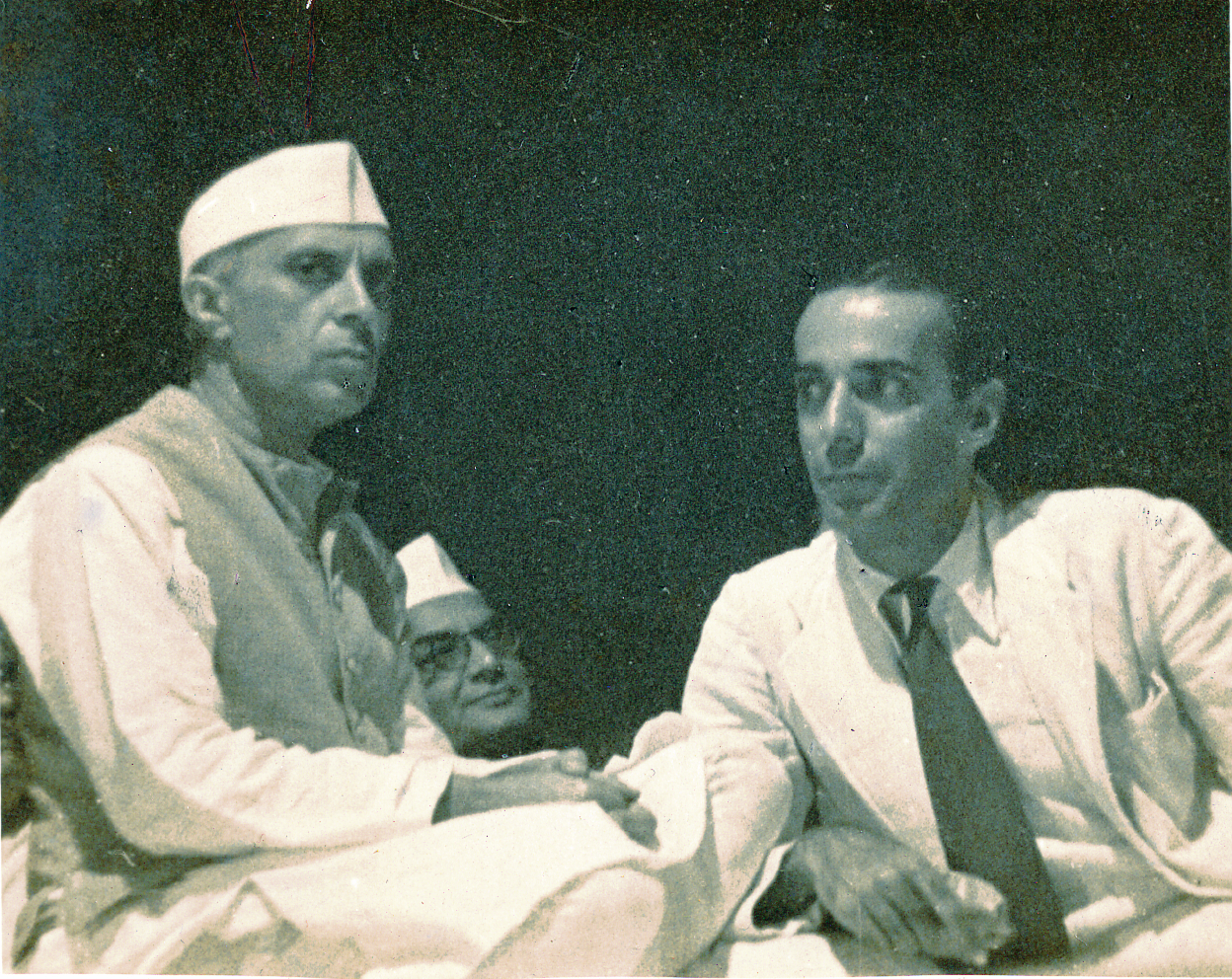
Masani followed another track. He roped in jurist Soli Sorabjee to argue before the Bombay High Court that the censor did not have unbridled powers to decide what was suitable or not for publication. Justices RP Bhatt, and later a divisional bench headed by Justices Dinshaw Mehta and MH Kania all restricted the censor’s powers.
“The Press is not only an instrument of disseminating information but it is a powerful medium of molding public opinion…,” the bench observed. “It is not the function of the censor acting under the censorship order to make all newspapers and periodicals trim their sails to one wind… The censor is appointed the nursemaid of democracy and not its gravedigger.”
Despite his judicial success, Masani opted to cease publication of Freedom First for the duration of the Emergency. He was not going to submit any editorial content to the censor. Opinion similarly ceased publication for some time.
Many opposed the Emergency directly or indirectly, knowingly or unknowingly. Gorwala chose to defy censorship and violated the unjust and arbitrary legislation meant to stifle any dissent. Masani followed the law but used its checks and balances to hopefully minimise arbitrary abuse by the bureaucracy and its masters. The Maintenance of Internal Security Act gave the government unrestricted power to do whatever it wanted. A pliant Supreme Court further cemented Indira Gandhi’s authoritarian rule. One of Gandhi’s even remarked that the opposition should be grateful she didn’t have them shot.
In such an environment, we have to admire all the more the courage and boldness of individuals like Gorwala and Masani and many others. Today, without an Emergency being officially declared, India ranks 157 out of 180 countries in the 2026 World Press Freedom Index compiled by Reporters Without Borders. India is placed in the “very serious category” of endangered media. In 2025 we were positioned at 151. Fifty-one years after the noxious Emergency, we are still crawling.
The author is a journalist who edited and published Parsiana magazine for 52 years until 2025. He had previously edited Opinion for a few months prior to its closure, and was also publisher and assistant editor of Freedom First.
