


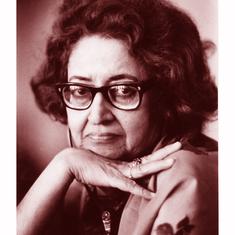




After nearly two decades, Taslima Nasrin is returning to Kolkata.
The Bangladeshi-born writer is expected to attend a literary event at Kolkata’s Rabindra Sadan on August 1, marking her first visit to the city she was forced to leave in 2007 after some Muslim fundamentalists claimed that her autobiographical book Dwikhandito had hurt their religious sentiments.
For three years before that, the exiled Nasrin had lived in Kolkata, a city she described as her second home. She now lives in Delhi.
The organisers of the literary event next month have said that West Bengal Chief Minister Suvendu Adhikari is expected to felicitate her – a remarkable political reversal for a writer who, under both the Left Front and the Trinamool Congress governments, was effectively unwelcome in the city.
Writer Shirshendu Mukhopadhyay and Finance Minister Swapan Dasgupta may also attend the event.
However, Nasrin’s return to Kolkata raises a more uncomfortable question: will the writer ever be able to return to the country of her birth – Bangladesh?
For now, the answer appears to be no.
Almost every major political dispensation in Bangladesh has had an opportunity to rewrite her story, yet every one of them has chosen not to.
Nasrin fled Bangladesh in 1994 when the Bangladesh Nationalist Party government led by Khaleda Zia was in power. She had faced death threats and criminal cases for her writings, particularly Lajja, her novel examining the persecution of Bangladesh’s Hindu minority in the aftermath of the Babri Masjid demolition.
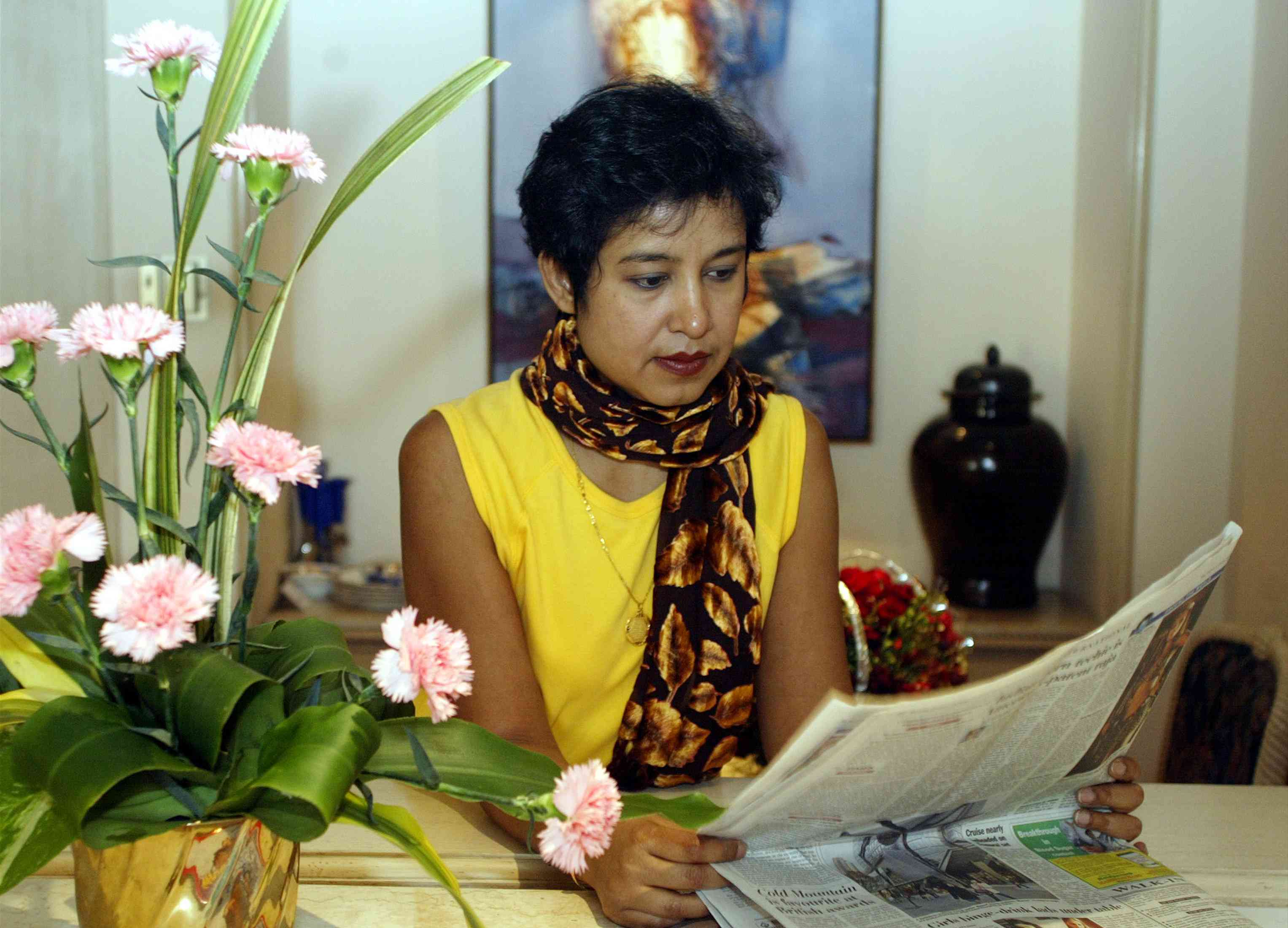
When the Awami League came to power, first in 1996 and then again from 2009, many expected a party that consistently projected itself as secular and liberal to create conditions for Nasrin’s return. But it did not.
In fact, the Sheikh Hasina years were not a safe period for secular writers and publishers in Bangladesh.
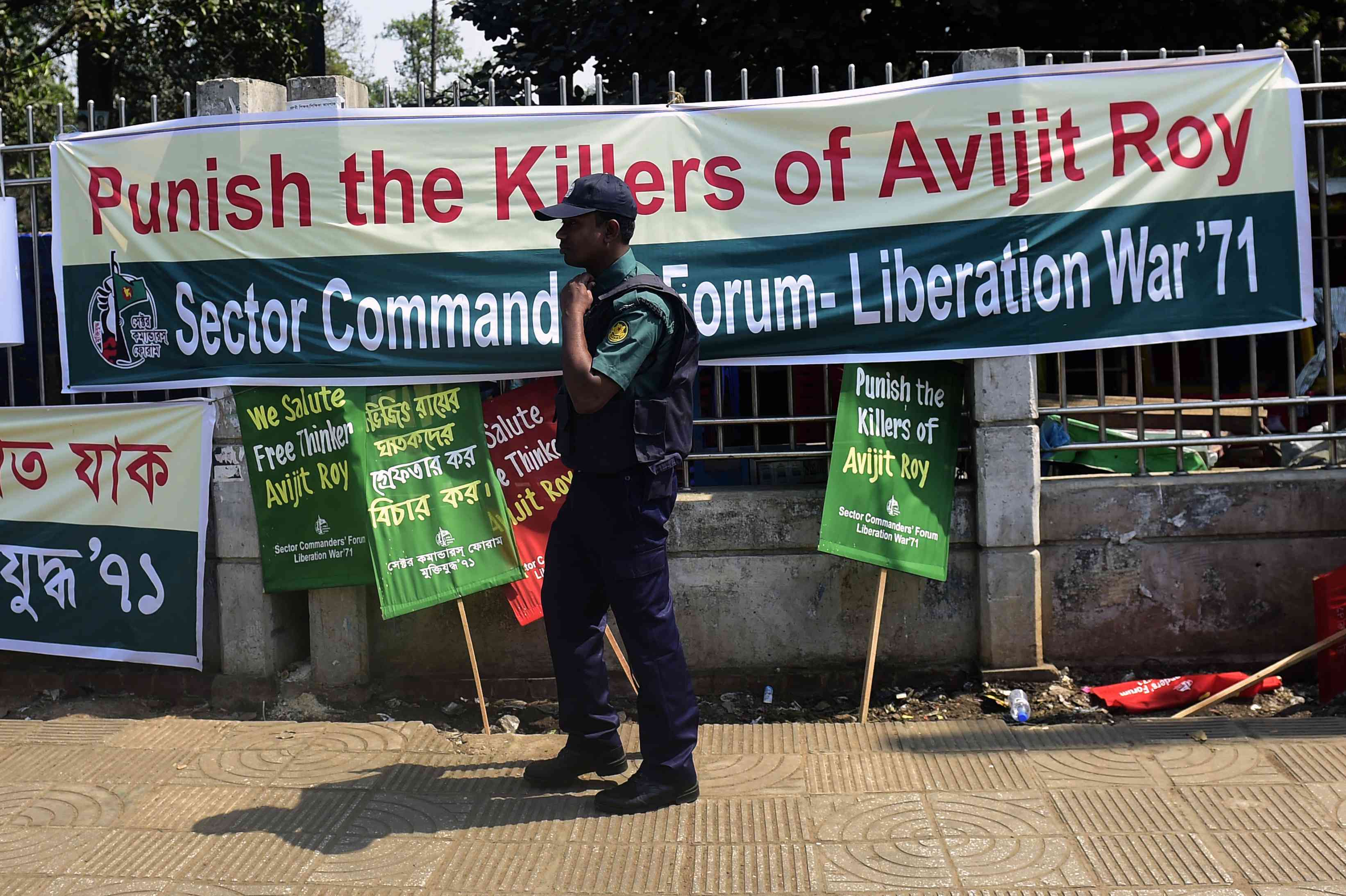
In 2015, Bangladeshi-American writer and blogger Avijit Roy was hacked to death by Islamist hardliners outside the Amar Ekushey Book Fair after attending a book launch.
Eight months later, his publisher, Faisal Arefin Dipan of Jagriti Prokashoni was similarly hacked to death in his office in Dhaka.
After Sheikh Hasina’s government fell in 2024, the situation could finally have changed if the interim administration led by Muhammad Yunus had allowed Nasrin to come home after three decades in exile. Instead, the political space narrowed further.
At last year’s Amar Ekushey Book Fair, protests erupted because a publisher was selling books written by Nasrin. The police intervened, a writer associated with the stall was escorted away and the stall was temporarily shut.
Today, with the Bangladesh Nationalist Party back in office, there is little reason to believe the political calculus has fundamentally changed. This is what makes Nasrin’s exile remarkable.
Bangladesh’s two principal political parties have disagreed on almost every defining issue of the country’s recent history. Yet, on Taslima Nasrin, they have arrived at something close to a bipartisan consensus.
Neither has been willing to bear the political cost of facilitating the return of one of Bangladesh’s most widely-known writers.
Questions of religion remain among the most politically combustible issues in Bangladesh, often making governments reluctant to defend even those writers whose freedom of expression they may privately support.
Keeping Nasrin outside the country has, for successive governments, proved politically easier than confronting the controversy her return would inevitably generate.
At the same time, the writer’s standing within Bangladesh’s liberal intelligentsia is no longer what it was even a decade ago.
Over the past few years, particularly during Bangladesh’s political upheaval after the fall of the Awami League government, Nasrin repeatedly shared misinformation, disputed claims and made sweeping assessments of developments inside the country on social media, contributing to growing scepticism about her credibility.
Still, separating the writer from her recent political commentary is important.
Long before social media, Nasrin had already secured her place in Bangla literature. In the 1980s and early 1990s, she was among Bangladesh’s most widely read newspaper columnists, while her novels were commercially successful.
She combined literary ability with outspoken feminism and a relentless criticism of religious orthodoxy, becoming one of the country’s most influential public intellectuals.
In 2014, an “Indian-Bangla” film was made on her life, titled Nirbashito (Banished).
Readers often disagreed passionately with her arguments but few questioned her significance. Thirty-two years after leaving Bangladesh, the country still appears unable to imagine a place for one of its most consequential literary figures. Can a democratic society permanently exclude a writer because her views are politically inconvenient?
There is another irony. In recent years, Nasrin has become known more for her social media activities than for new literary works.
Exile inevitably changes a writer. Writers are shaped by conversations, readers, publishers, criticism and the everyday rhythms of the language in which they write.
One cannot help wondering what Bangla literature may have lost during those years of her displacement when she was moving between Sweden, New Delhi and the United States.
If Nasrin is finally able to spend more time, or even permanently settle in Kolkata, a city that is one of the world’s major centres of Bangla literary life, it could offer a stable cultural environment in which to write again.
Even so, another question lingers.
Nasrin’s return has become possible because West Bengal’s political climate has changed. Leaders associated with the Bharatiya Janata Party have publicly championed her return. In recent years, many of her public interventions – particularly on Bangladesh, Islamism and the persecution of religious minorities – have found resonance within sections of the BJP’s political discourse.
Political establishments often embrace outspoken writers when their arguments reinforce a broader political narrative. They are usually less enthusiastic once those same writers begin questioning the establishment itself. It remains to be seen how long the love affair between Taslima Nasrin and the BJP will endure.
Jannatul Naym Pieal is a Dhaka-based writer, researcher and journalist. His email address is jn.pieal@gmail.com.
