




Rush Hour: NIA makes 7th arrest in Delhi blast case, EC says no need to defer SIR in Kerala & more
Become a Scroll member to get Rush Hour – a wrap of the day’s important stories delivered straight to your inbox every evening.
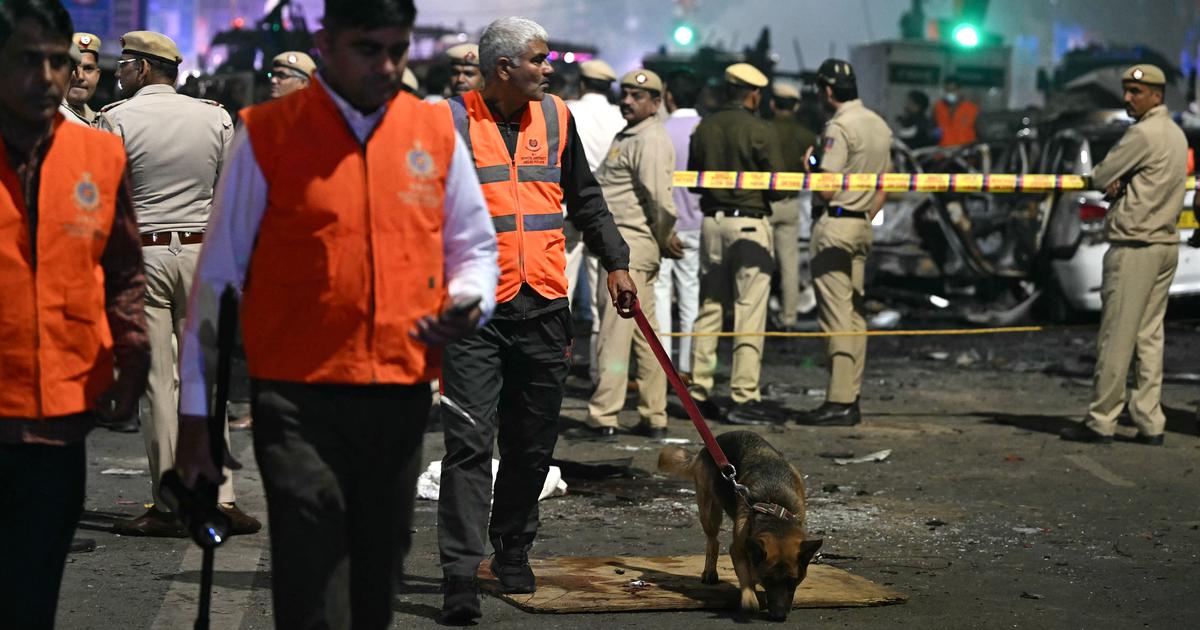
The National Investigation Agency has arrested a man for allegedly harbouring and providing logistical support to Umar Nabi, the doctor who is believed to have been driving the car that exploded in Delhi on November 10. The agency identified the seventh person arrested in the case as Soyab from Dhauj in Haryana’s Faridabad.
The blast near the Red Fort metro station left 13 persons dead. Two days after the explosion, the Union government described it as a “terrorist incident”.
The NIA has said that it is pursuing several leads in connection with the “suicide bombing”, and has been conducting searches across states in coordination with the police forces to identify and track others involved in the attack. Read on.
The Election Commission has told the Supreme Court that there is no need to defer the special intensive revision of the voter rolls underway in Kerala because of the local body polls in the state. The bench was hearing several petitions filed against the validity of the exercise.
The poll panel also said that political parties were creating “a scare” about the exercise in Kerala, Tamil Nadu and West Bengal, among other states. The court will hear Tamil Nadu’s petition on December 4 and that of West Bengal on December 9
The Kerala government has sought to postpone the revision of voter rolls in the state until after local body elections in December. The state government said that revising the voter lists and conducting the polls simultaneously will lead to an “administrative impasse” and disrupt the elections.
However, on Wednesday, the Election Commission told the court that 99% of the voters in Kerala had been given enumeration forms and 50% of them had been digitised. Read on.
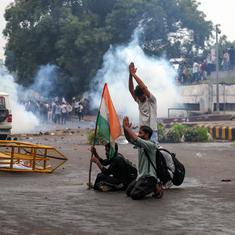
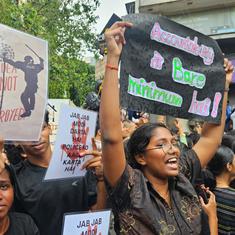
Student protests in the wake of a jaundice outbreak at Vellore Institute of Technology in Madhya Pradesh’s Bhopal turned violent. This came after about 24 students had fallen ill with symptoms of the disease in recent weeks, police officers said.
Several students alleged poor hygiene conditions and contaminated water in the hostels. They added that repeated complaints to university officials about the food and water quality were ignored.
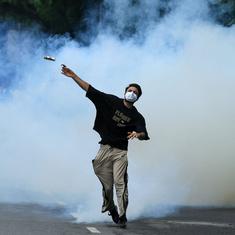
On Tuesday, protests against the situation escalated into violence after faculty members allegedly assaulted students, prompting larger groups to gather across the campus. By midnight, students allegedly set several vehicles on fire and damaged parts of the chancellor’s bungalow.
Superintendent of Police Deepak Shukla on Wednesday said that the situation on campus was normal. He added that the university would remain closed till Sunday for safety reasons. Read on.
Forty-one Maoists, including 32 carrying a collective reward of Rs 1.19 crore, have surrendered before the police in Chhattisgarh’s Bijapur district. The group, which included 12 women, laid down arms before senior police officers, Bijapur Superintendent of Police Jitendra Kumar Yadav said.
Thirty-nine of the 41 cadres were allegedly part of the Maoists’ south sub-zonal bureau. Under the state’s rehabilitation policy, each of those who surrendered received Rs 50,000 in immediate financial assistance.
With Wednesday’s surrenders, 790 Maoist cadres have surrendered in Bijapur since January 2024, Yadav said. In the same period, 202 Maoists have been killed in gunfights and 1,031 arrested in the district, he added.
Across Chhattisgarh, more than 2,200 Maoists have surrendered in the past 23 months, officials said.
The Union government has repeatedly vowed to end Maoism by March 31, 2026. Read on.
If you haven’t already, sign up for our Daily Brief newsletter.
