





Akhlaq lynching case: UP court rejects state’s plea to withdraw charges against accused persons
The judge ordered that the case be classified as ‘most important’ and be heard on a daily basis.
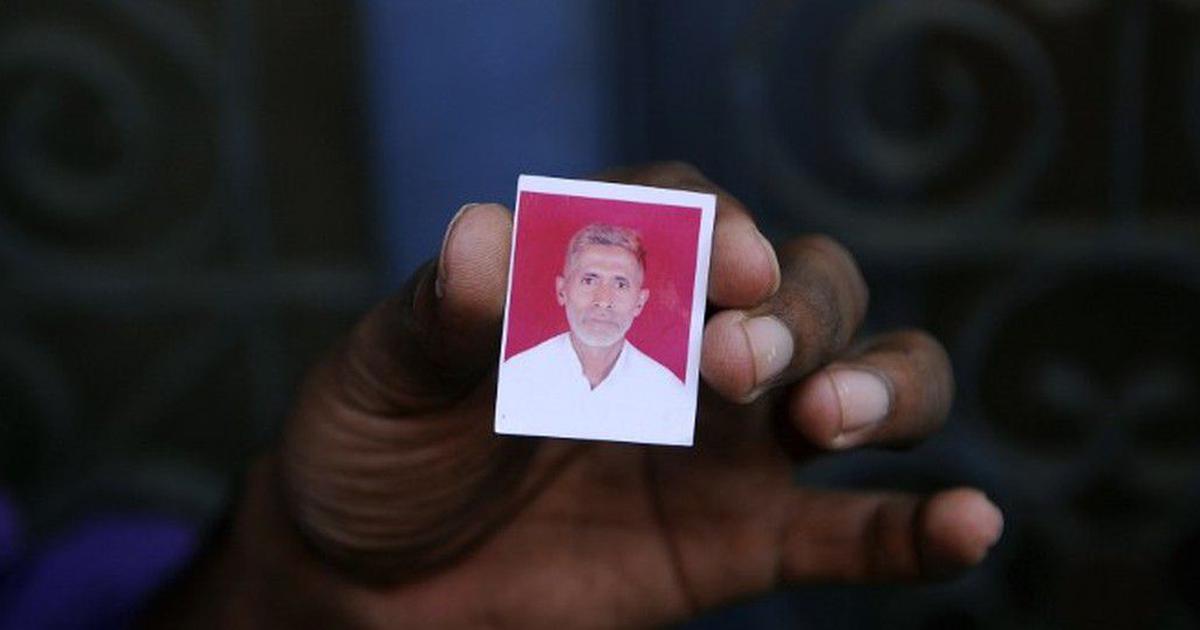
A court in Uttar Pradesh on Tuesday rejected a petition filed by the state’s Bharatiya Janata Party government to withdraw all charges against persons accused in the lynching of Mohammad Akhlaq in 2015, The Indian Express reported.
Additional District Judge Saurabh Dwivedi ordered that the case be classified as “most important” and be heard on a daily basis. The judge also directed the government to write to the police to ensure that the evidence is safeguarded, according to The Indian Express.
The case has been listed for further hearing on January 6.
On September 28, 2015, 50-year-old Akhlaq was lynched following rumours that he and his family had killed a calf and eaten beef during Eid festivities.
A forensic report in May 2016 said the meat found in Akhlaq’s home was that of a cow or its progeny. The police had then said the report “does not diminish the case as murder is an offence”.
On October 15, the Uttar Pradesh government filed an application before the Upper Sessions Court in Gautam Buddha Nagar under the Criminal Procedure Code to withdraw all charges against the 10 persons accused in the case.
All the accused persons have been out on bail since 2017. They face charges of murder, attempt to murder, voluntarily causing hurt, intentional insult with intent to provoke breach of peace and criminal intimidation.
The application before the trial court said that the state government has the written approval of the governor and reiterated that the meat found was identified to be beef.
Before Adityanath became the state’s chief minister, he had said Akhlaq’s family should face charges for cow slaughter and be stripped of the benefits they were given after his killing.
The September 2015 incident had sparked nationwide outrage and fuelled a debate on religious intolerance in the country.
Samajwadi Party leader Akhilesh Yadav, who was the chief minister of Uttar Pradesh at the time, had offered Akhlaq’s family Rs 20 lakh as compensation. The family moved to Delhi soon after the lynching, fearing for their safety.
