




Rush Hour: Report flags systemic communal violence in 2025, Rahul targets PM on Indore deaths & more
Become a Scroll member to get Rush Hour – a wrap of the day’s important stories delivered straight to your inbox every evening.

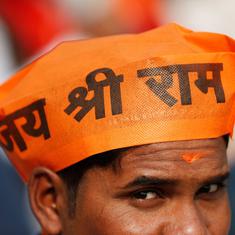
While the number of communal riots declined in India in 2025, religion-based violence and exclusion shifted to more systemic forms, a new report said. The Centre for Study of Society and Secularism recorded 28 communal riots in 2025, down from 59 in 2024, a reduction of 52%. These riots left four people dead and 360 injured.
However, mob violence increased slightly during the year, with 14 incidents claiming eight lives. In 2024, there were 13 cases of mob violence, resulting in 11 deaths.
The study was based on reports published in the Mumbai editions of The Indian Express, The Hindu, The Times of India, Sahafat and Inquilab. It said that despite fewer riots, there was little respite from “identity-based conflict and religion-based hatred”.
It also flagged the recent attacks and disruptions during Christmas celebrations in several parts of the country as a sign of rising communal hostility. Read on.
Congress leader Rahul Gandhi, commenting on the deaths of at least 10 persons who consumed contaminated drinking water in Indore, remarked that Prime Minister Narendra Modi remains silent “every time the poor die”. He alleged that BJP-ruled Madhya Pradesh had become the “epicentre of misgovernance” and asked why authorities did not pay heed to residents repeatedly complaining about the “dirty, foul-smelling water”.
More than 1,400 persons had fallen ill with symptoms such as vomiting, diarrhoea and dehydration in Indore’s Bhagirathpura area as cases were first reported on December 24. The authorities had earlier said that residents of the area had complained that the water supplied to them had a foul smell.
On Friday, Mayor Pushyamitra Bhargava said that he had received information about 10 deaths due to contaminated water. However, residents of the area have claimed that 14 persons, including an infant, died. Read on.
The Ghaziabad Police ordered an inquiry after a video on social media showed a station house officer intimidating residents in temporary settlements in Kaushambi, claiming that a device could determine whether they were Bangladeshi. The police said that the officer concerned was “given a strict warning that such behavior should not recur in the future”.
In the video, the station house officer of the Kaushambi police station was seen placing what appears to be a smartphone on the back of an elderly man and asking if he was a Bangladeshi. “The machine shows that you are, doesn’t it?” he asserted.
The man and his family are heard saying that they hail from Araria district in Bihar and are seen showing identity documents on a mobile phone.
The Ghaziabad Police later said the incident took place during an “area domination” exercise, during which residents of temporary settlements and slums were being asked questions. Read on.
At least two journalists have returned mobile phones that were distributed by the Assam government as New Year gifts months ahead of Assembly elections. The state plans to give phones to more than 2,200 journalists registered with the Directorate of Information and Public Relations.
Some journalists received the phones during Chief Minister Himanta Biswa Sarma’s press conference in Guwahati on Thursday, while others are expected to get them from district commissioners by Magh Bihu on January 14.
According to an official, all accredited journalists will receive a Samsung Galaxy F17. The phones are priced online between Rs 12,600 and Rs 16,000. “Every year we give some gifts to the journalists,” the official said. “[Earlier], we had given laptop bags, leather bags, water bottles, among others.”
So far, Umanand Jaiswal of The Telegraph and Bikash Singh of The Economic Times have returned the devices. Read on.
If you haven’t already, sign up for our Daily Brief newsletter.
