






Agriculture, dairy sectors protected in US trade deal, Centre tells Parliament
The tariff on Indian goods is lower than the levies on competitor nations, the minister said.
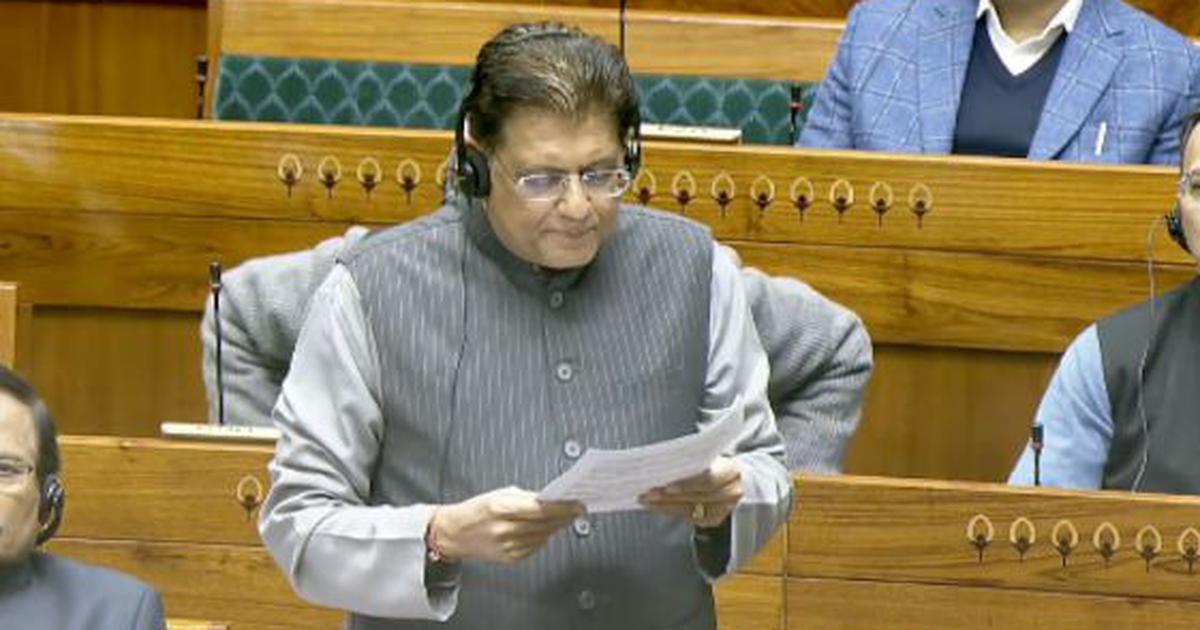
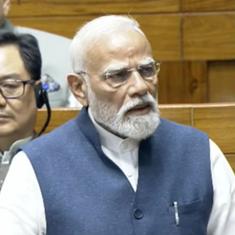
Union Commerce Minister Piyush Goyal on Wednesday told Parliament that interests of sensitive sectors such as agriculture and dairy will be protected under the trade deal between India and the United States.
The US has also protected sectors that it considers sensitive, he added.
Goyal said that the negotiators had succeeded in finalising several aspects of the bilateral trade agreement after several rounds of talks in about a year.
He reiterated that US’ tariffs on Indian goods will be reduced to 18%, down from a combined tariff rate of 50%. This had included a punitive levy of 25% imposed in August for buying Russian oil.
The tariff rate applicable on Indian goods now was lower than those on several competitor nations, Goyal told the Lok Sabha.
The commerce minister added that the deal will help promote the Union government’s initiatives such as Viksit Bharat, Make in India, Innovate in India and Design in India, and will make the country self-reliant.
He also said that the deal will open opportunities for skilled Indians and micro, small and medium enterprises in the US market.
He reiterated that New Delhi and Washington are completing the technical processes of the deal and the same will be announced soon.
President Donald Trump on Monday night said that India and the US had agreed to a trade deal and that he was cutting tariffs imposed on New Delhi to 18% with immediate effect. The announcement came after Trump and Prime Minister Narendra Modi spoke that day.
#BudgetSession2026
— SansadTV (@sansad_tv) February 4, 2026
India-US trade agreement safeguards India’s sensitive sectors, especially agriculture and dairy, while opening new opportunities for MSMEs, skilled workers and manufacturing. It will also strengthen India’s vision of “Make in India for the World”, “Design in… pic.twitter.com/y9cEBNmTSL
The Congress said on Wednesday that Goyal’s comments in Parliament were “a non-statement”, adding that it “provides no details since the details are still being negotiated”.
The commerce minister’s “high-sounding claims go completely contrary” to what the US president and officials “have put out in their names on social media”, Congress leader Jairam Ramesh said.
“It is 100% clear that Monday’s announcement of the deal at the urging of prime minister was for grabbing headlines – nothing more, nothing else,” he said on social media.
Ramesh added: “It was urgent and momentary damage control on his part. However, when the details of the deal are finally out, the real damage to Indian farmers will become most painfully evident.”
Goyal’s statement in Parliament came hours after White House Press Secretary Karoline Leavitt on Tuesday said that Modi had committed to $500 billion worth of purchases of US energy, transportation and agricultural products.
She also claimed that New Delhi has agreed to “stop purchasing Russian oil” and to buy more American oil as part of the trade deal.
The US has been repeatedly alleging that India’s purchases of Russian oil have helped fuel the war in Ukraine, while New Delhi has maintained that its oil purchases are aimed at ensuring its own energy security.
US Trade Representative Jamieson Greer on Tuesday told CNBC that Washington will “continue to maintain some level of tariffs against India – 18% – because we have this giant trade deficit with them”.
However, India has agreed to reduce tariffs on a variety of agricultural products, manufactured goods, chemicals and medical devices, Greer said.
India has not yet commented on the claims by US officials.
Opposition parties in India have expressed concerns that the interests of farmers have been jeopardised in the deal.
Opposition leader Rahul Gandhi on Tuesday claimed that the prime minister has been “compromised”, adding that he has “sold out” the “sweat and blood” of the country’s farmers by buckling under pressure from the US to finalise a trade deal.
On Tuesday, Goyal said that the interests of Indian farmers were safeguarded and their protection was key during the course of negotiations for the deal.
