






Rush Hour: Tarique Rahman sworn in as Bangladesh PM, Rahul Gandhi cleared in defamation case & more
Become a Scroll member to get Rush Hour – a wrap of the day’s important stories delivered straight to your inbox every evening.
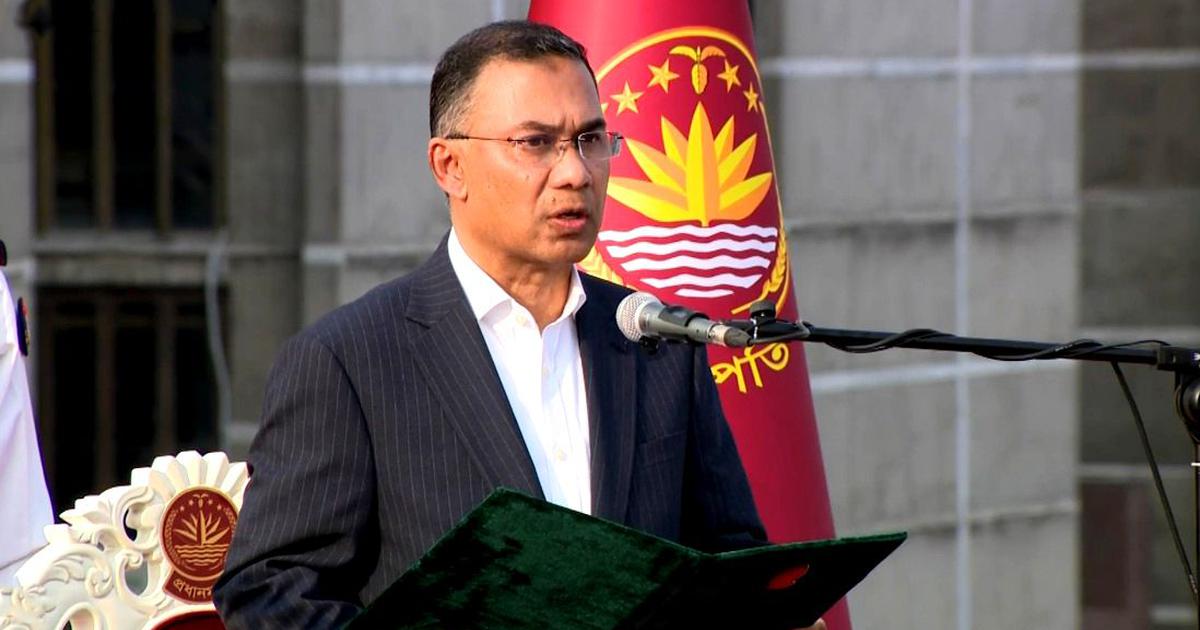
Tarique Rahman, the chairperson of the Bangladesh Nationalist Party, was sworn in as the prime minister of Bangladesh. Along with him, several Cabinet members also took the oath of office.
All elected MPs, including those from the Opposition Jamaat-e-Islami, were sworn-in in Parliament. However, Bangladesh Nationalist Party legislators declined to take a second oath as members of the Constitution Reform Commission.
The two oaths were undertaken to integrate the results of the parliamentary elections and a referendum for extensive constitutional amendments by including the July Charter into the Constitution. Read on.
The Karnataka High Court quashed criminal defamation proceedings against Congress leader Rahul Gandhi in a case filed by the Bharatiya Janata Party. Permitting the case to continue would amount to an abuse of law, said the bench.
The complaint in the matter was filed by BJP leader S Keshava Prasad against Gandhi, Chief Minister Siddaramaiah and Deputy Chief Minister DK Shivakumar in May 2023.
Prasad objected to the Congress’ allegations that the BJP government, which was in power from 2019 to 2023, was charging a 40% commission or bribes from contractors for undertaking public works. Read on.
The Kerala High Court quashed an order issued by the state government on October 10 that launched the Nava Kerala Citizen Response Programme. The programme aimed to collect feedback from households in the state on welfare measures through committees and volunteers.
The court observed that the state government cannot use public funds and machinery for a large-scale household survey that resembles a political campaign ahead of the Assembly elections, which are expected to be held in April.
The verdict came on two public interest litigation petitions, which claimed that the Communist Party of India (Marxist)-led Left Democratic Front government was misusing public funds ahead of the elections. Read on.
The interim government in Bangladesh provided compensation in savings certificates worth 2.5 million Bangladeshi taka, or about Rs 18.5 lakh, to Dipu Chandra Das’ family. Das, a garment worker, was a Hindu man who was lynched in the country’s Mymensingh district on December 18.
He had been accused of blasphemy and beaten to death by a mob, after which his body was allegedly tied to a tree and set on fire. Eighteen persons were taken into custody in connection with the killing.
Das’ killing and several other attacks on religious minorities had been reported in Bangladesh at the time, which led to demonstrations in India. The developments had worsened strained ties between New Delhi and Dhaka. Read on.
If you haven’t already, sign up for our Daily Brief newsletter.
