








US strikes Iran after Trump blames Tehran for downing Army helicopter
The Iranian military retaliated, claiming that it hit 21 United States military sites in Kuwait, Bahrain and Jordan.
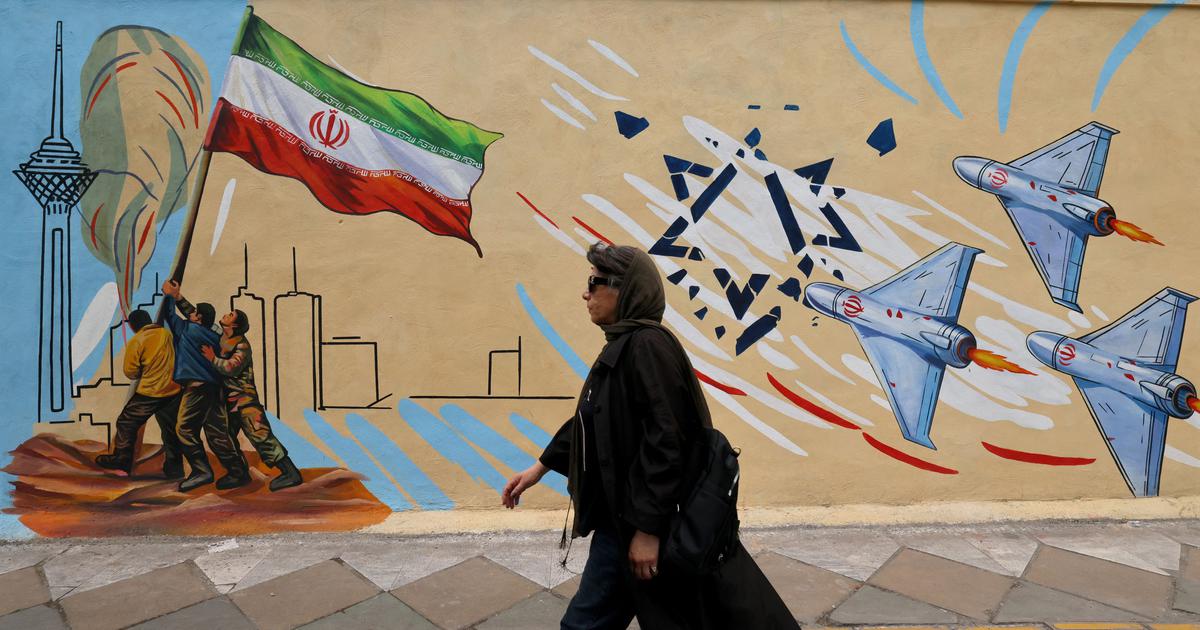
The United States launched airstrikes on Iran on Wednesday after President Donald Trump blamed Tehran for the downing of a US Army helicopter near the Strait of Hormuz.
In retaliation, Iran’s Islamic Revolutionary Guard Corps claimed that it struck 21 US military sites in Kuwait, Bahrain and Jordan, escalating the latest tensions in West Asia that could threaten a fragile ceasefire that took effect on April 8.
The Iranian military also claimed that hangars housing the US’ advanced F-35 fighter jets, and a command and control centre were among the targets hit at the al-Azraq base in Jordan, state-backed Mehr news agency reported.
The US military’s Central Command said that the “self-defence strikes” began at 5 pm US time at Trump’s direction.
“The operation was a proportional response to recent attacks on US forces and international commercial ships transiting regional waters,” the US military agency said.
Trump had earlier claimed in a social media post that Iran shot down the aircraft while it was patrolling the strait and said that the US “must, of necessity, respond to this attack”.
The downing of the Apache attack helicopter and the US strikes came a day after Iran and Israel exchanged fire for the first time since the ceasefire took effect.
On Monday, Trump had warned Israeli Prime Minister Benjamin Netanyahu that Israel could lose American support if it continued to attack Lebanon and Iran.
The warning had come after Israeli strikes on military targets in western and central Iran in retaliation for Tehran’s missile strike on the country.
Both Israel and Iran signalled on Monday that they would pause the attacks. The Iranian military’s joint command said Monday that it was halting its offensive operations. However, it added that if Israel or its supporters carried out any further “aggression and hostile acts”, including in southern Lebanon, then “much more severe and crushing measures than before will follow”, AP reported.
Netanyahu also said that the fighting had stopped “after we hit the terror regime in Tehran.” However, he added: “If the terror regime in Iran makes the mistake and returns to attacking us, we will respond with force.”
The war
The US and Israel launched an attack on Iran on February 28, claiming that Tehran’s action posed an existential threat to Israel. Washington acts as a guarantor of Israel’s security. Iran retaliated by striking Israel and US military bases in the region, targeting major cities in Gulf countries and ships.
Since the conflict began, the Strait of Hormuz, the narrow waterbody connecting the Gulf to the Arabian Sea, has been blocked for most international commercial vessels, triggering a global energy crisis. About 20% of global petroleum supply passes through the maritime chokepoint.
On April 8, the US and Iran agreed to a ceasefire to allow for further negotiations to end the war. However, the two sides have not yet been able to turn the ceasefire into a permanent end to the conflict.
Written by Tanya Shrivastava. Edited by Neerad Pandharipande.
Also read:
- US lost 42 aircraft, including fighter jets and drones, in Iran war: Congressional study
- Why ‘shooting down’ fighter jets has become central to narrative setting
