








July rainfall expected to be below normal, 40% monsoon deficit so far: IMD
Last month was the fifth driest June since 1901.
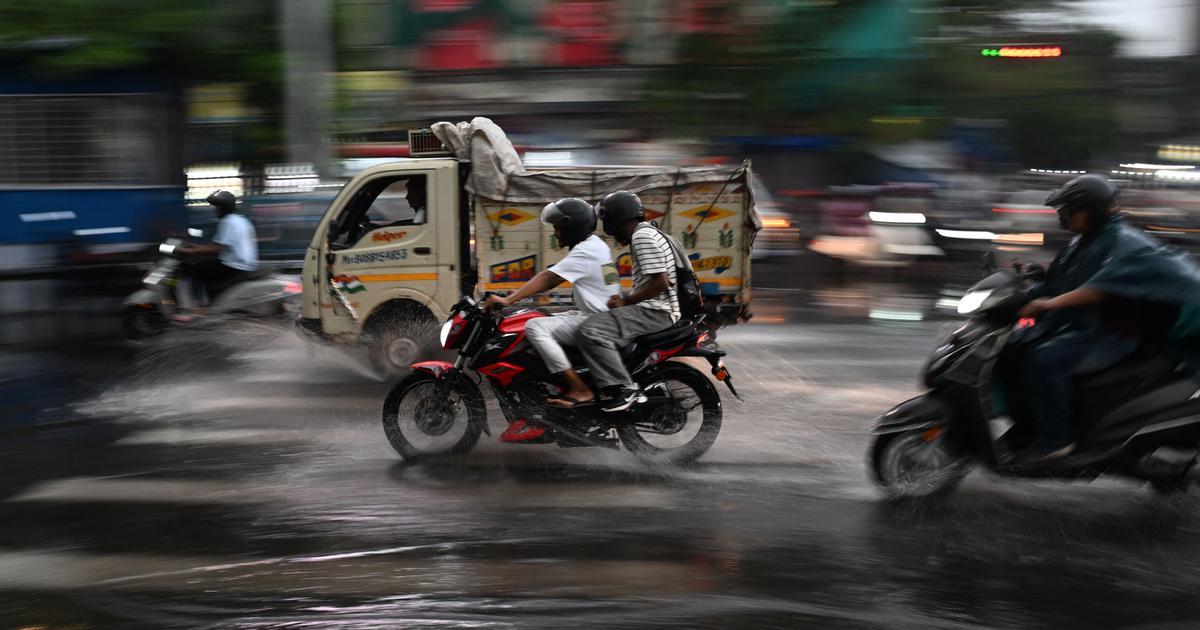
The India Meteorological Department on Tuesday forecast below-normal rainfall across the country in July.
This follows a 40% rainfall deficit in June, the Deccan Herald reported.
India is likely to receive less than 94% of its average rainfall for the month, the weather department said. The long period average rainfall for July, based on data from 1971 to 2020, is 280.4 mm.
Below-normal rainfall is expected in most parts of the country. However, some areas in northwestern and northeastern India, east-central India and the eastern peninsular region are likely to receive normal to above-normal rainfall.
The IMD said that the first seven to ten days of July are expected to bring good rainfall, but the situation is likely to worsen in the second half of the month, which traditionally accounts for one-third of the rainfall during the southwest monsoon season.
“Below-normal rainfall can pose significant challenges for agriculture, water resources, hydropower generation, ecosystem sustainability, and drinking water availability,” the weather department said. “Such conditions may increase the risk of heat stress, and pressure on available water resources in several regions.”
Maximum temperatures are expected to remain above normal in most parts of the country during July, except a few isolated areas in west-central India where they are likely to be normal to below normal.
Minimum temperatures are also expected to remain above normal in most regions, except some areas of central and northeastern India where they are likely to be normal.
Rainfall deficit
Meanwhile, June was the fifth driest June since 1901 even as rainfall picked up during the last two days of the month, Reuters reported.
There was a 40% deficit in rainfall during the month.
For comparison, June 2009 was the driest in 126 years, with a rainfall deficit of 47%, the Deccan Herald reported.
However, deficient rainfall in June does not necessarily indicate a below-normal monsoon season, the Deccan Herald quoted a weather department official as saying. Since 1951, there have been 26 years when June rainfall was below normal, but only eight of those years ended with below-normal southwest monsoon rains.
El Niño has affected the monsoon so far, while the Indian Ocean Dipole, a weather pattern that can reduce the impact of El Niño, has remained neutral. However, some weather models show a positive Indian Ocean Dipole in the second half of the monsoon. If that happens, it may to some extent offset the effects of El Niño, the Deccan Herald reported.
The El Niño weather phenomenon involves the warming of ocean surface temperatures in the eastern and central Pacific. It typically occurs every few years and has been linked to reduced monsoon rainfall in India.
On Monday, data released by the Union government showed that the sowing of Kharif crops fell by 22.7% as compared to last year as delayed monsoon slowed planting in several states.
The Kharif season in India is between June and October. The crops are sown at the beginning of the monsoon and harvested at the end of it.
Written by Tanya Shrivastava. Edited by Nachiket Deuskar.
Also read: El Niño likely to intensify as India’s monsoon advances slowly
