




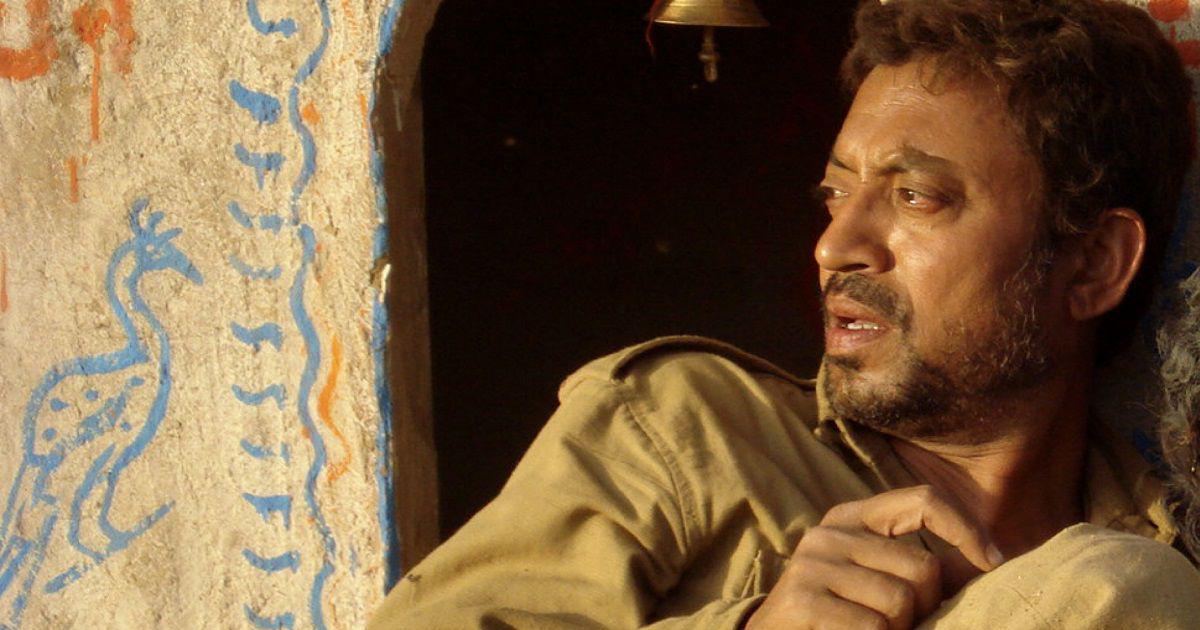
Before Tigmanshu Dhulia made his own films, he was the casting director on Shekhar Kapur’s Bandit Queen from 1994. Dhulia had recommended Irrfan for the role eventually played by Nirmal Pandey. When Dhulia made his own biopic Paan Singh Tomar, he cast Irrfan as the eponymous soldier and athlete who finds that he cannot outrun his past.
Tomar was a steeplechase champion who represented India at the Asian Games in 1958. Dhulia’s movie explores the family feud, corruption and disrespect that force Tomar to turn to dacoity. Tomar was killed in a standoff with the police in 1981.
Paan Singh Tomar was released in 2012. The film is a high point for both the director and Irrfan.
This was not the first time Dhulia and Irrfan had worked together. Their association dates back to Dhulia’s feature debut Haasil in 2003. They had given several interviews about the challenges of shooting Paan Singh Tomar on actual locations, including the Chambal Valley. Proof of the enormous effort involved in mounting the production can be found in Ranjeeta Kaur’s documentary A Story That Refused to Die.
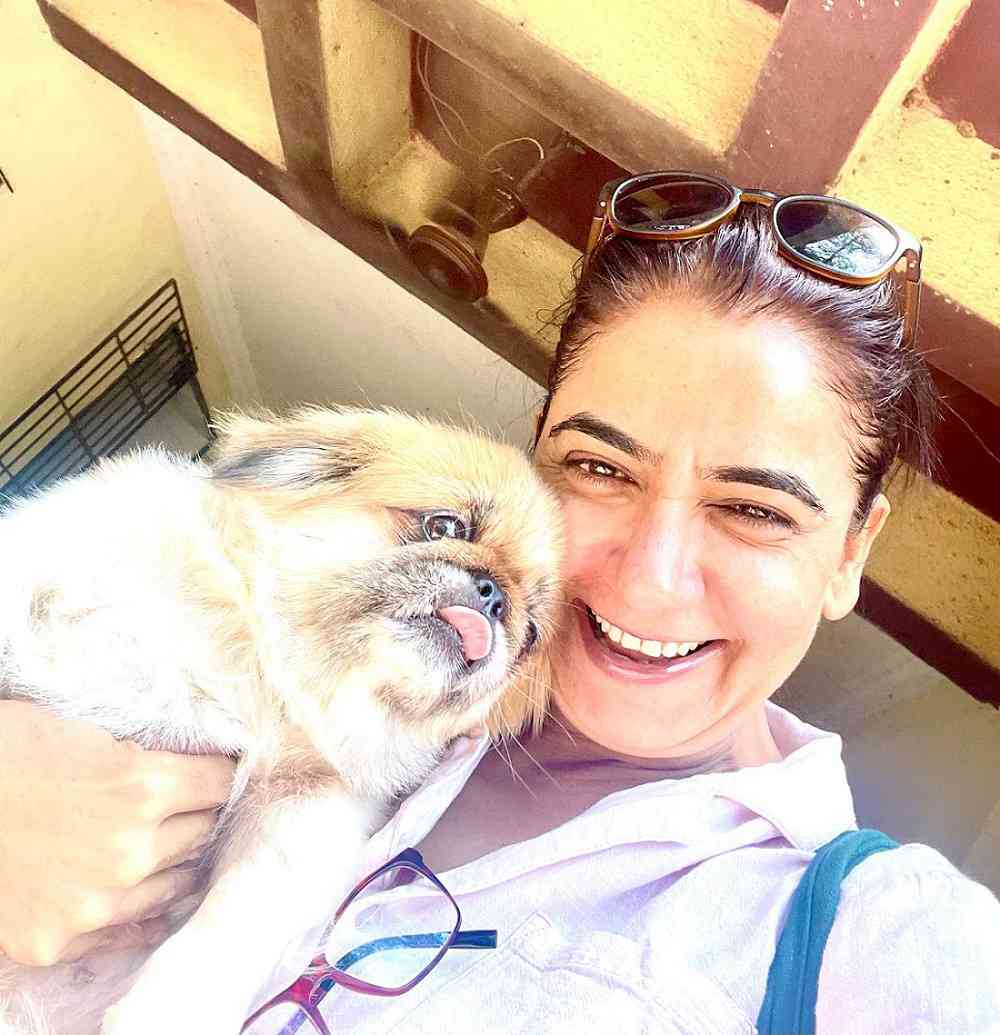
Kaur was working as a maker of behind-the-scenes films at the time. Producers commissioned Kaur to attend shoots and record pivotal moments and interviews. A Story That Refused to Die was meant to be a series of clips that would aid Paan Singh Tomar’s promotional journey. However, the documentary went through a journey that was as dramatic as the making of Paan Singh Tomar itself.
The footage was lost and resurrected twice before being bashed together into a coherent record of the blood and sweat then went into Paan Singh Tomar. “Paan Singh’s life story translated into the film’s journey and that similarly translated into the documentary without us knowing it,” Kaur told Scroll.
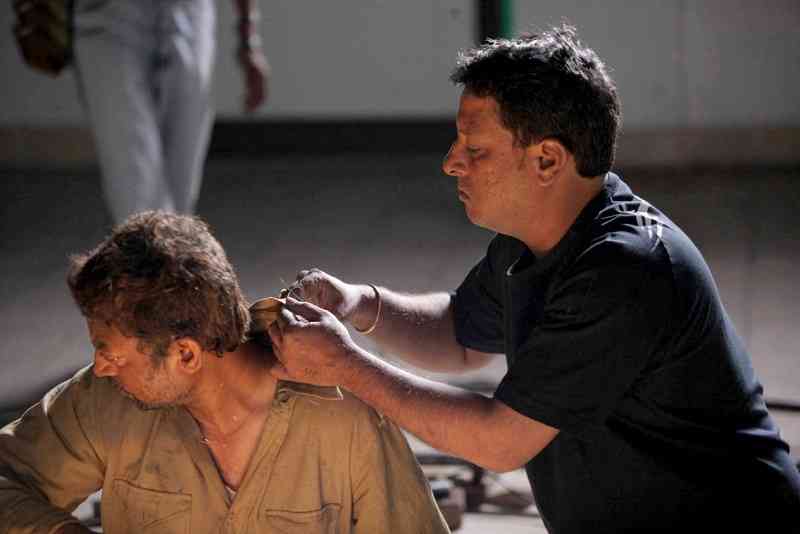
A Story That Refused to Die will be premiered on April 29 at Mumbai’s Nita Mukesh Ambani Cultural Centre. The event, which marks Irrfan’s sixth death anniversary, will include a conversation between Dhulia and Vishal Bhardwaj as well as a musical performance by Mehfil-E-Zor.
Kaur’s involvement with Paan Singh Tomar began in 2008. She was hired by the producer, UTV Films. “The first schedule happened in December 2008, in Dholpur,” Kaur recalled. “Then we went back in March to Chambal.”
Irrfan was badly injured while filming an action sequence, which pushed back the shoot by six months. Kaur not only has this moment in A Story That Refused to Die but also Irrfan’s brave insistence on continuing to work despite being in visible pain.
Paan Singh Tomar was wrapped up by September 2009. Kaur had accumulated nearly 60 hours of footage. There were still a few things left to do, such as interviews and background music. Then disaster struck.
Paan Singh Tomar’s release date was fixed for March 2, 2012. Kaur got a call from the producer, asking for the footage she had previously shot. She sent across the files. “I waited and waited for the clips to come out on YouTube – that was the pattern at the time,” she said.
It was a no-show. Moisture had ruined all the tapes. The images were pixilated and unusable. “I was heartbroken – by this time, the movie had won acclaim on its own merit,” Kaur said.
She moved on to other assignments. In 2013, she made a chance discovery. The original footage that had been shot in the digital video format had been digitised and saved in a drive.
Kaur refused to let go. “I thought, if nothing else, let me make a film for my own happiness,” she said. At her own expense, she began assembling the shots, wrote a voiceover and hired an editor.
Nearly 34 hours of footage could not be extricated. “I saved whatever I could and made a 46-minute film,” Kaur said. When she ran out of funds, Tigmanshu Dhulia stepped in.
“Tigmanshu said, let’s make the film, and he enabled the set-up,” Kaur said. “He saw the first cut and got emotional. He said that I had blended the film and its journey very beautifully.”
As the showbiz cliche goes, there were further twists in store.
The drive containing the 46-minute documentary crashed too, with no chance of repair. Fortunately for Kaur, her assistant had created an MOV version based on the files in the hard drive. There was talk of producing a coffee table book on Paan Singh Tomar, which would have a DVD that included Kaur’s film.
The conversations continued through technological shifts and corporate takeovers. UTV had been bought over by the Disney group in 2012. The rights of Paan Singh Tomar changed hands. Kaur’s film went into merger limbo.
In 2018, Irrfan made the shocking announcement of a neuroendocrine tumour diagnosis. The actor fought the illness for two years, but died in 2020. The need for Ranjeeta Kaur’s film to be completed and be seen became all the more important.
“Ever since Irrfan saab passed away, I haven’t been able to watch any film of his,” Kaur said. A Story That Refused to Die isn’t just her dogged tribute to one of Irrfan’s most cherished films, but also to his irrepressible spirit.
“When I was there on the sets, I could see Irfaan saab’s passion and commitment to his art,” Kaur said. “Yet, he wasn’t walking around in a cloud of seriousness. The liveliness, the love for life, the laughter are all evident.”
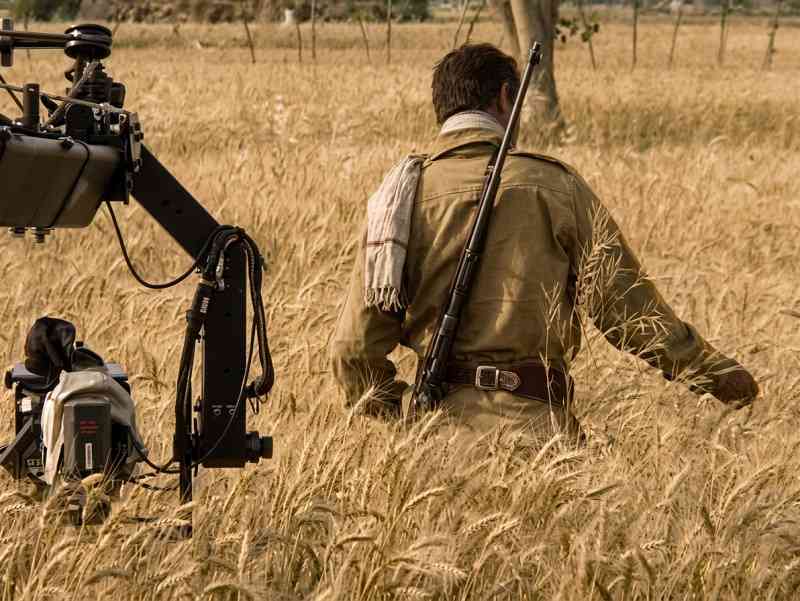
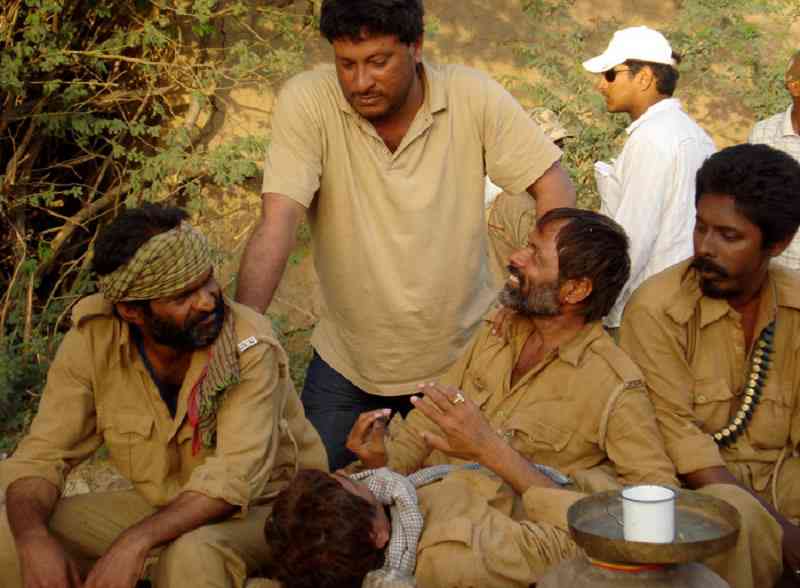
Kaur’s poignant documentary reveals the complexities of the Paan Singh Tomar productions. She has captured for posterity the massive crowds that threatened to disrupt the shoot, the remote locations, Dhulia’s rapport with his actors.
“I made the film for the love of cinema, for what I had experienced by being on the sets,” Kaur said. “There was something different going on here – the passion was so inspiring that it got me to move forward differently and make my own films. I felt that every cinema lover should watch whatever I could salvage.”
The footage that was permanently lost included further instances of the shooting process, interviews and candid moments.
“I could have included a longer interview with Irrfan ji, more explanations of scenes and more of the surroundings,” Kaur explained. “But I am very happy that I could capture the vibe of the film.”
Vignettes about how movies are made in India are few and far between. Whenever such clips exist, they reveal insights into the filmmaking process that are edifying for fans, scholars and researchers alike.
A Story That Refused to Die describes itself as a collection of “fragments rescued from failure”. What Ranjeeta Kaur has successfully done, despite the constraints and challenges, is to rescue a slice of film history from erasure.
She’s a fan of making-of documentaries, especially Hearts of Darkness, about the problems that plagued Francis Ford Coppola’s Apocalypse Now. “My documentary isn’t on the same scale, but it has the same emotion,” Kaur said. She also admires Les Blank’s Burden of Dreams, which captures the chaos of Werner Herzog’s Fitzacarraldo.
“If these films could exist, why not a film about Paan Singh Tomar’s journey?’ Kaur observed. “In the Hindi film industry, behind the scenes are all about capturing bloopers or creating promotional clips. But it’s far more valuable when you watch how a film is made, especially a film that becomes a part of your life and endures in popular culture too.”
Also read:
Tigmanshu Dhulia on Irrfan: ‘His observation of life was very surgical, very meticulous’
