











The dystopian film is unsettling – and prescient. Movies about societies on the brink of or in the throes of collapse examine scenarios that are ultimately not too far-fetched. The exaggerated production design, heightened stakes and sense of accelerated decline suggest worlds different from our own but very much within the realm of possibility.
Strange Days (1995) fits the label to the hilt. Kathryn Bigelow’s thriller repurposes the conventions of film noir to explore voyeurism, racism and the perils of unchecked technology.
The film is available on JioHotstar. Written by James Cameron and Jay Cocks, Strange Days unfolds in Los Angeles in the final two days of 1999. The city is mired in chaos. The streets are too dangerous to walk on. Armed men guard stores. Anti-police sentiment is high.
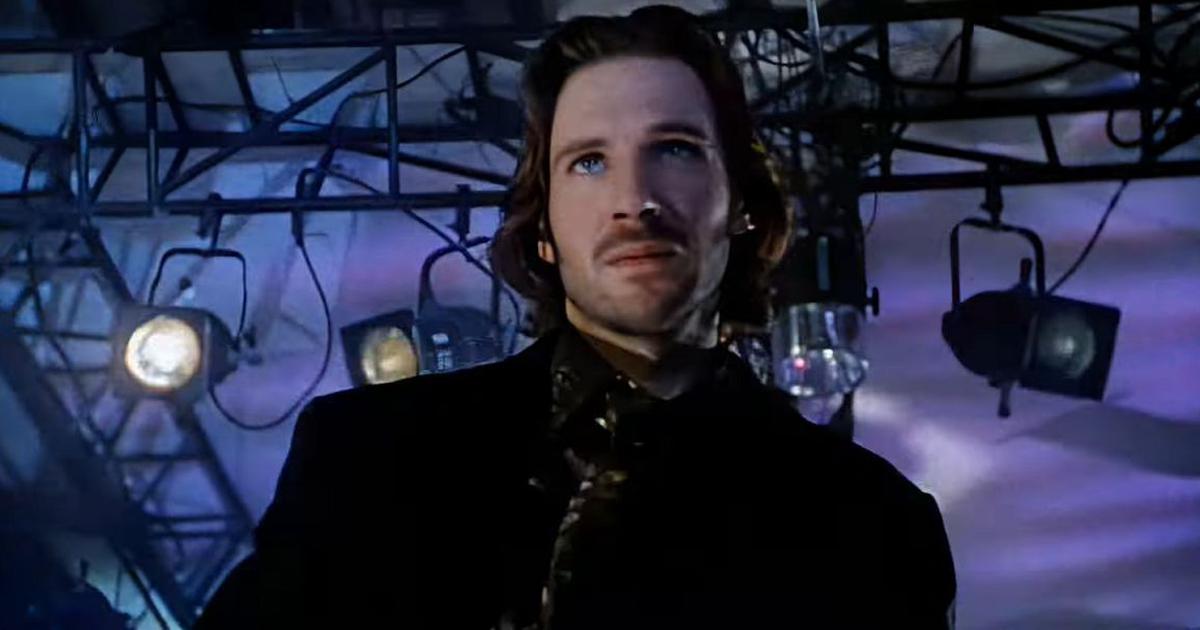
The disorder suits the black marketeer Lenny (Ralph Fiennes) just fine. Not for nothing is Lenny famous for saying, “One man’s mundane and desperate existence is another man’s Technicolor.”
Lenny deals in SQUID, a recording device that is worn like a crown of thorns and that clandestinely captures whatever the wearer is seeing. Since the device is connected directly to the cerebral cortex, it also replicates the physical and emotional sensations created by the footage.
SQUID buyers participate in gruesome, sexually explicit experiences that are all the more exciting because they have been illegally recorded. It’s like TV, only better, Lenny says as part of his marketing spiel – it’s pieces of life, pure and uncut.
When SQUID recordings turn up footage of the slaying of a Tupac Shakur-like rapper as well as a rape-murder, Lenny, his ex-colleague Max (Tom Sizemore), friend Mace (Angela Basset) and ex-girlfriend Faith (Juliette Lewis) get drawn into a criminal conspiracy.
Kathryn Bigelow’s impeccable staging and propulsive pacing carry the plot over 145 minutes. The performances, especially by Ralph Fiennes, are on point. Fiennes is magnificent as the seedy and amoral Lenny, who nevertheless has something resembling a soul underneath his shiny shirts.
The film is a bit too expertly shot, with Matthew F Leonetti’s camera replicating with uncomfortable closeness the point of view of the SQUID users. Strange Days makes viewers complicit in its voyeurism, creating a thin line between the sickening footage and the undeniable arousal this causes. Some of the movie’s provocations are disturbing, and not always sensitive to the larger themes of consent and power dynamics.
Strange Days hasn’t aged in one respect: it anticipates current debates about technology’s ability to not only satisfy but also increase the human appetite for vicarious kicks. Illicit sensations have gone licit, and mainstream. We are all upgrades of SQUID consumers, greedily feeding off the lives of others. The movie’s SQUID is today’s smart eyewear.
