


The birth centenary of Ritwik Ghatak (1925-1976) has been observed in several ways. His grandnephew Shamya Dasgupta brought out an anthology of essays about the acclaimed Bengali filmmaker, titled Unmechanical – Ritwik Ghatak In 50 Fragments. There have been screenings of Ghatak’s films, as well as public discussions about his legacy.
The National Film Archive of India has joined the celebration. The government-run archive has restored all of Ghatak’s films. The restorations spans Ghatak’s eight features, short films, documentaries and unfinished projects.
The eight features – among them Meghe Dhaka Tara, Ajantrik, Komal Gandhar, Subarnarekha and Titas Ekti Nadir Naam – were recently screened by NFAI’s parent body, National Film Development Corporation, at the British Film Institute in London. The package has also travelled to the Il Cinema Ritrovato festival dedicated to classic cinema in Bologna.
“Ritwik Ghatak’s body of work is huge, and given the centenary and his significance, we thought that we should restore all his films,” Prakash Magdum, Managing Director, NFDC, told Scroll. “There are also plans to release the films in cinemas across the country. The idea is to make this cinema accessible.”
While many prints were already at the NFAI centre in Pune, a few were taken from the West Bengal State Film Archive in Kolkata. The restoration, part of the Union Ministry of Information and Broadcasting’s National Film Heritage Mission, saw the involvement of noted cinematographer Avik Mukhopadhyay.
The restoration will allow cinephiles to revisit Ghatak’s radical imagination as well as appreciate anew his singular visual aesthetic, Mukhopadhyay said.
“He is one of the most original filmmakers from India, not just in terms of his subject matter or his personal passion – he created visuals that no other filmmaker has tried,” Mukhopadhyay said.
Mukhopadhyay entered the restoration process at the grading phase. “First, there is the physical restoration of prints that are damaged because of age or because of being stored in poor conditions,” Mukhopadhyay explained. “The digital restoration cleans up dust and scratches on the print. Then there is the digital intermediate, or DI, which is where the cinematographer comes in. This part is handled by the cinematographer if he is alive, or someone else who has some knowledge about the film and the period in which it was made.”
Apart from the DI portions, Mukhopadhyay also conducted a final check on the restored images. “Restoration involves many people and several teams with different roles working on different sequences, so you need somebody to see how everything comes together in the end,” he pointed out.
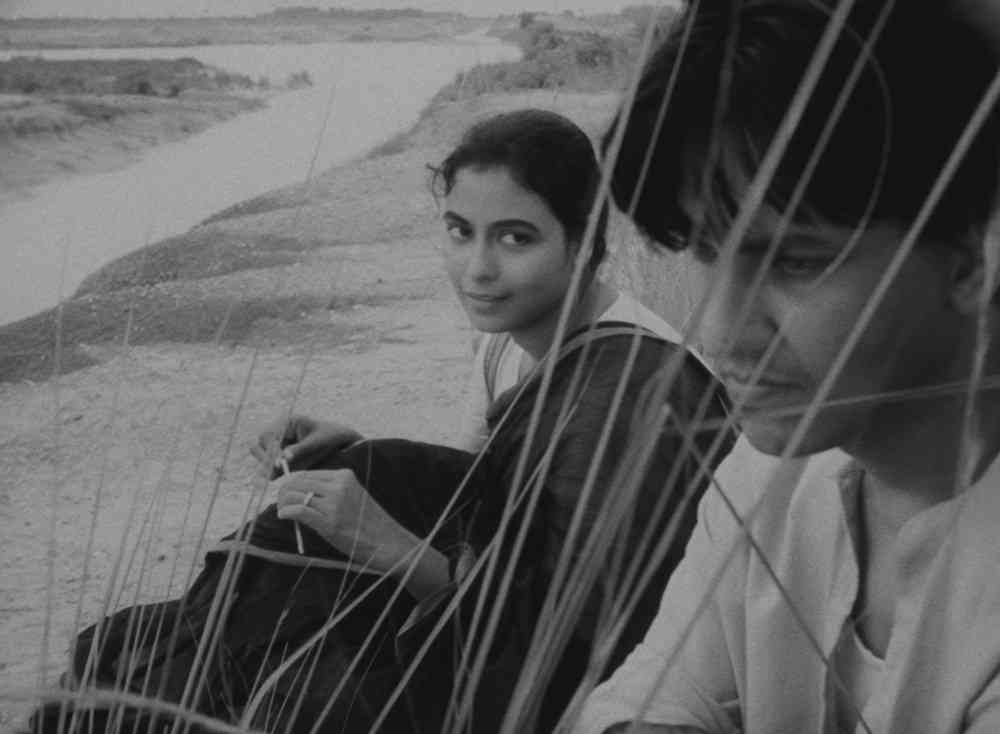
The current thinking behind restoration the world over is to preserve a film’s essence while addressing the ravages of time. The approach shouldn’t be to make an older movie look “very contrasted, very clean”, Mukhopadhyay said.
“If there are flaws in the exposure or the compositions, you don’t touch it,” the Film and Television Institute of India alum said. “You maintain a tonal balance based on what you know about the period, the kind of film stock that was used. Sometimes, there can be a bit of grain, or even some dust on the camera while shooting – all these things add to the period detail. All you need to remove is the wear and tear that happens with time.”
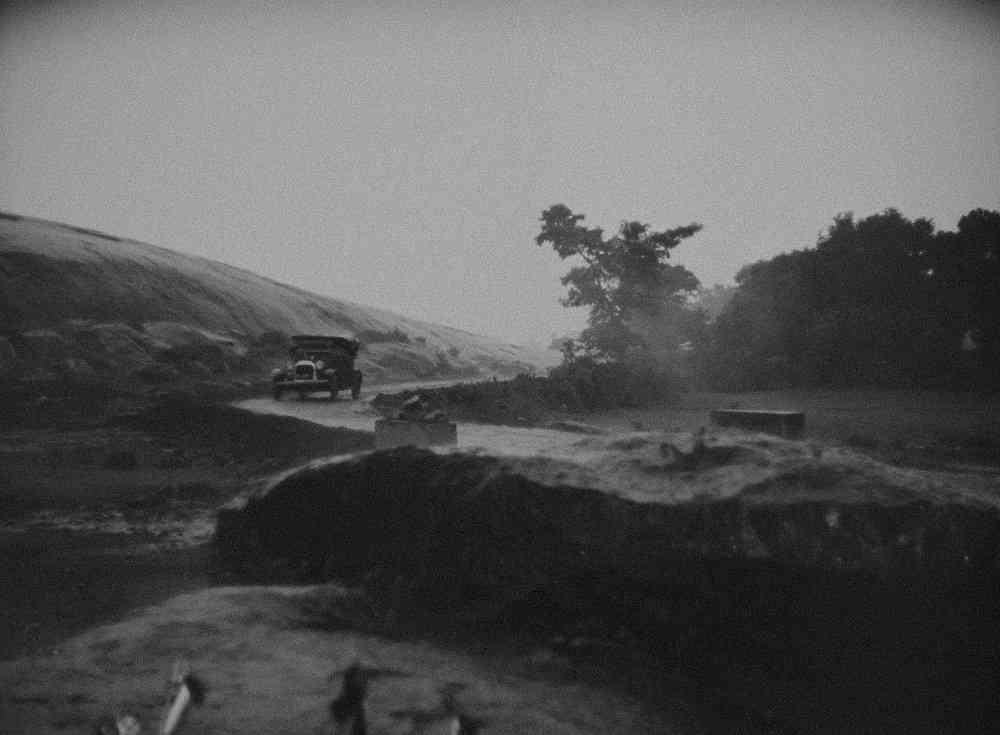
The main purpose is to make the restored film look as it did when it first came out. Mukhopadhyay had this understanding, having watched Ghatak’s films in cinemas in the past.
“I had met people who worked with Ghatak, such as Dinen Gupta, the cinematographer of Meghe Dhaka Tara,” Mukhopadhyay said. “I also knew the cinematographer Subrata Mitra – although he didn’t work with Ghatak, he had very good knowledge about the black and white cinematography of that time.”
As the creator of sumptuous visuals himself in such films as Raincoat, Dosar, October, Sardar Udham and Deep6, Mukhopadhyay was keenly attuned to Ghatak’s unusual image-making.
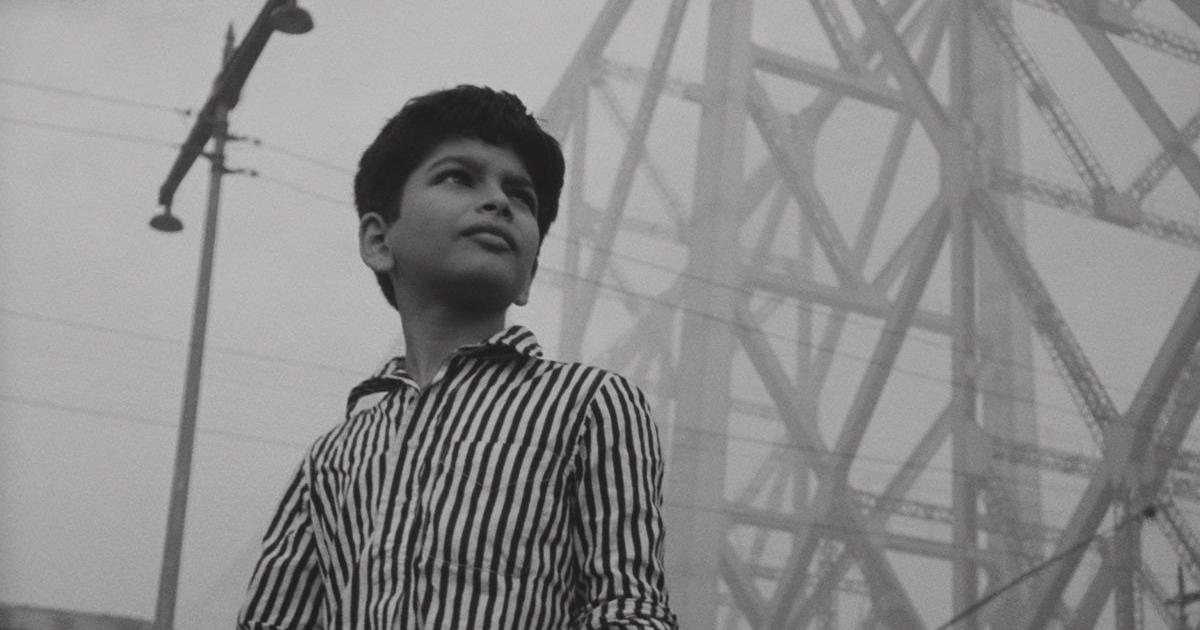
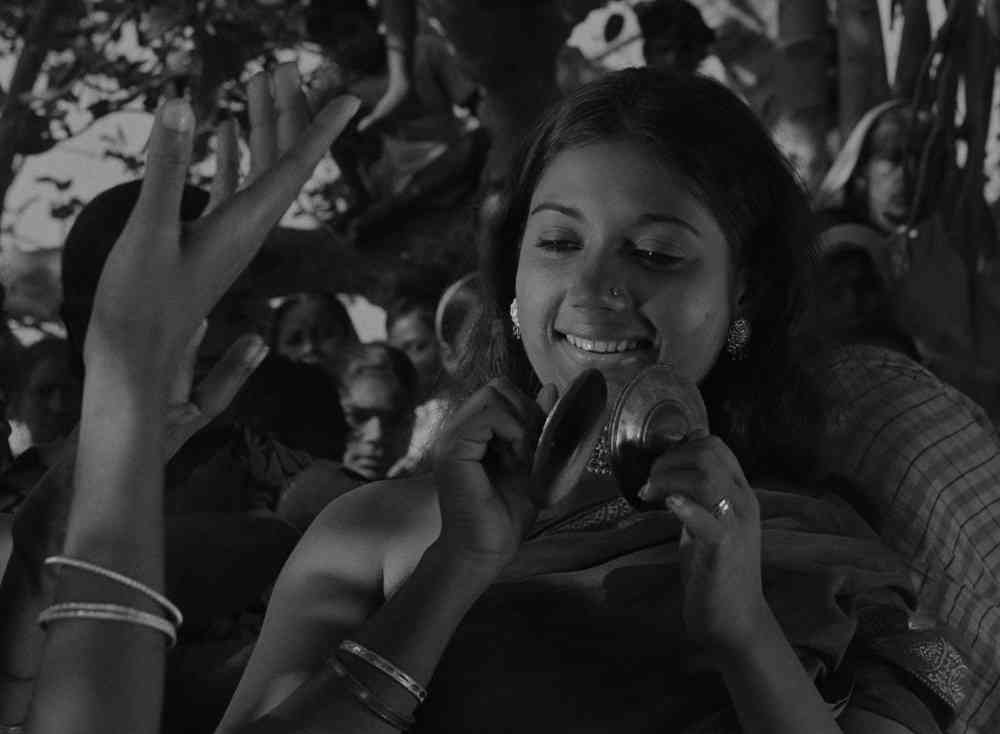
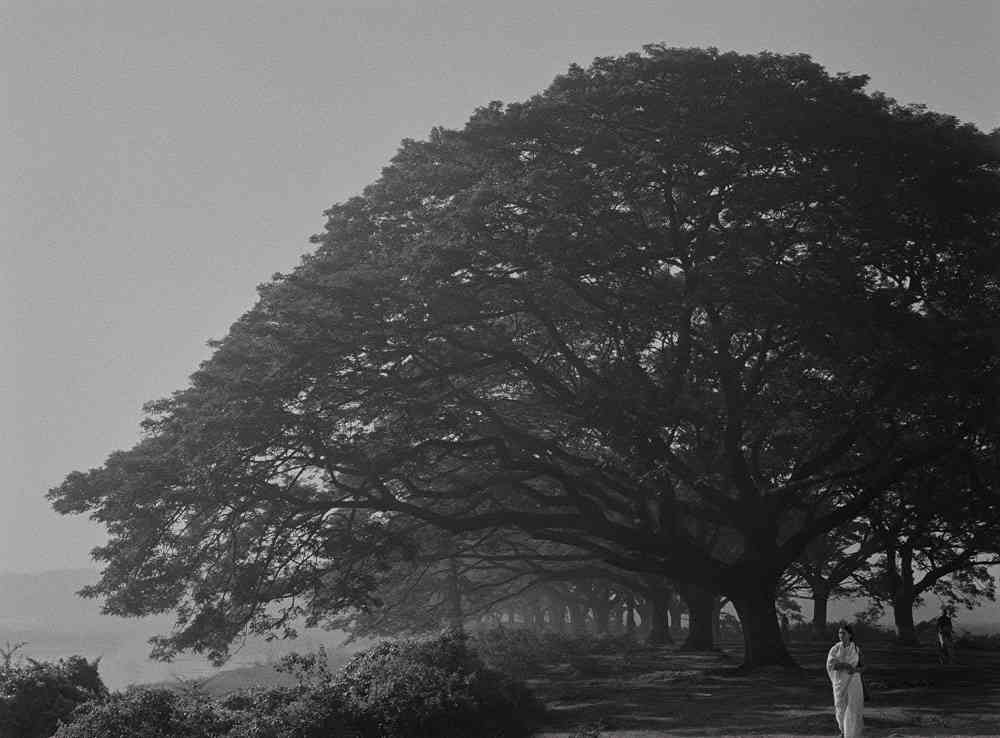
“The things I noticed were the compositions, how light and shadows were used, his treatment of locations,” Mukhopadhyay said. “Ghatak used various lenses for close-ups, which are very different from the glamorous close-ups generally seen in Indian cinema. His close-ups are a bit more jarring. He also tried lensing and compositions that created huge negative space around single characters.”
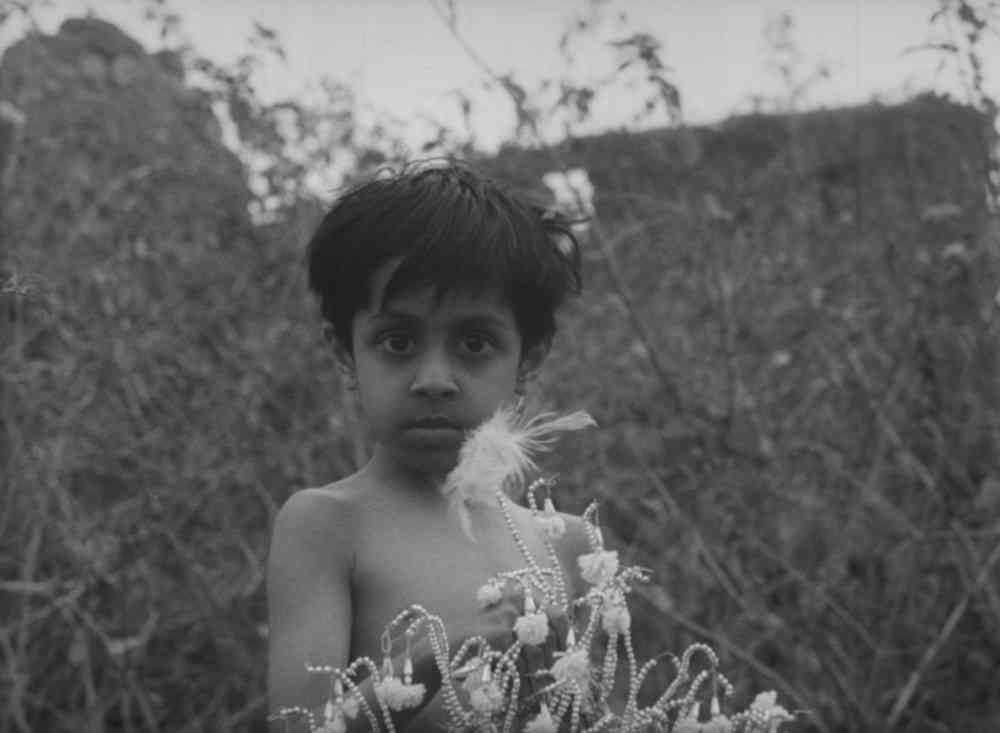
A film like Subarnarekha, Ghatak’s masterpiece about Partition and displacement, has expansive and depopulated landscapes. Ghatak was born in Dhaka in undivided Bengal. His family later moved to Kolkata, where Ghatak experienced first-hand the travails of Partition. The sundering of Bengal was one of the major threads in Ghatak’s films, especially the trilogy Meghe Dhaka Tara, Komal Gandhar and Subarnarekha.
“Bangladesh has greenery and rivers, so Ghatak started from there and then took his stories to completely barren landscapes,” Mukhopadhyay said. “There is an extreme contrast. He also loved mountains, and used them a lot in his films, such as in Komal Gandhar and Meghe Dhaka Tara.”
The restoration will once again reveal facets of Ghatak’s narrative approach that account for why his films are so evocative and emotionally wrenching, Mukhopadhyay said.
“Ghatak didn’t get into the Hollywood approach of close-ups or over-the-shoulder shots,” he added. “His blocking was very different. He didn’t believe in any standard filmmaking style that was prevalent at the time – he created his own storytelling.”
Also read:
All these years later, nobody has chronicled the Partition like Ritwik Ghatak
Mani Kaul interview on Ritwik Ghatak is a lesson in appreciating ‘Titas Ekti Nadir Naam’ and cinema
Interview: ‘Ritwik Ghatak was far ahead of his time, addressing issues that remain very real today’
