








Sonai Bibi’r Bil. A low-lying fen in a remote corner of the earth far away from the hustle and bustle of everyday life. In the bitter cold of winter, when winds from the north blow hard and dry, Sonai Bibi’r Bil shrivels into herself like the rotting carcass of an old woman. All that is visible are her skeletal remains. Patches of water, green with scum, shimmer between masses of earth risen from her breast. And around them, as far as the eye can see, are unending sweeps of wild reeds, bulrushes and tussock grass. There are deep shadows here. Shadows and silence. Water and verdure are locked together in restful sleep.
When the first monsoon showers fall upon the earth Sonai Bibi’r Bil awakes. Shaking off her torpor, she raises her face to the sky and drinks great gulps of pelting rain. Her contours change. She stretches and expands. Her newly awakened limbs unfurl and spread in all directions. To the north, south, east and west… all the way to the horizon. The river Meghna helps her. Swelling and frothing in a demonic dance she bursts her banks and makes her way into the fen. Wrapping her in a fierce embrace she turns her into a great sheet of waving water. Sensuous, joyous, seductive…
Then, after Autumn has waned and the fierce frosty winds of Hemanta have raped and battered her voluptuous form, Sonai Bibi’r Bil turns into a sad, withered replica of her once glorious self. The sap of youth drains away from her limbs and, who knows from what dark depths, stretches of virgin soil appear.
Winter follows. And now flocks of birds…katora, imli, jalpipi and innumerable others come flying in from distant shores. They have many names. Many colours. Descending on her in sweeps, they turn Sonai Bibi’r Bil into a rainbow. With them come other migratory creatures. Bedeys, nomadic snake charmers, anchor their boats in her shallow waters. The sound of rushing wings and soft footfalls enters her ears. Delicious tremors rise from deep within and her land and water sway and shiver with ecstasy.
That they are here this winter, too, is evident from the many tents that have blossomed like land lotuses all over Sonai Bibi’r Bil. Other flowers can be seen. Along with the krishnakali that dapples the breast of the fen with clutches of purple stars are the snake maidens. These are winsome creatures in motley-colored skirts rippling seductively from narrow waists to slim ankles. Bunches of golden flowers wave coyly from tangled locks. Their eyes are long and languorous. But, at times, a sudden flame can spurt into a dark iris and flicker and dance like the head of a deadly cobra. They wear ornaments made from the bones of snakes and birds. Imli wing necklaces and kuchila spine bracelets adorn long necks and arms. Danglers, fashioned from the delicate neck bones of a shankha nag, swing from tiny earlobes.
The short days of winter provide a welcome rest for the nomads, a brief diversion in their wandering lives. A time to suspend floating over turbulent waters and experience the joy of putting down roots. To revel in the comfort and security enjoyed by the householder. Nagmati bedeyni’s snake maidens sit all day long, basking in warm sunshine, weaving trays and baskets. The men squatting beside them peel reeds and twine tufts of tussock grass into ropes. They are young men with stone-hard limbs and staring eyes…crimson from mahua wine. Their rough tawny manes are tied with lengths of entrails pulled out of chakrachoor snakes and dried to ribbons. Dark lips are parted in foolish smiles. But not all are employed thus. Some pursue more arduous tasks. Stealing sheaves of mustard, sesame and kaon paddy from the waving fields on three sides of the fen, is one of them. Stalking wild geese and bringing them down with skilled throws of sharp-edged harpoons is another.
They come every winter. Winter stretches into Spring on the wings of mellow breezes. Summer follows. The parched earth bakes and cracks, raising swirls of scorching dust. Still, the call to resume their roving lives doesn’t reach their ears. But when the first monsoon clouds rise from the horizon and cool winds laden with moisture come wafting into Sonai Bibi’r Bil, they shake off their languor and ready themselves for their tryst with the waiting waters. Sails are unfurled and oars mended. Towing ropes stretch and tighten in muscled palms. Muttering fervent prayers to Allah and Bish hari, their preferred name for the snake goddess Manasa, they set sail once more. Frail barks ride high on the waves as the ferocious Meghna comes swaying and swerving into Sonai Bibi’r Bil.
Reeds, bulrush, tussock and broom disappear. Sonai Bibi’r Bil turns into a sea of black water. Boats fly over foam-tipped waves and down again. From the Meghna to the Padma. From the Padma to the Kalabadar. Mooring, from time to time, on alien banks. Then sky and water resonate with the echoes of sharp, sweet voices. Bish pathor Ma! Khanti bish pathor! Bish hari’r doai shob bish uithya aashbo. Dudhraj, Chandrachud, Aalad, Gokkhur… Jodhi booti niba Ma? Jodhi booti?
(Poison stones, Mistress! Genuine poison stones! Blessed by Bish hari herself. Guaranteed to draw out every trace of poison… be it that of adder, krait, python or cobra. Herbs and roots, Mistress? Herbs and roots?)
Snake maidens hawking their wares. Calling out to the village women. To wives and mothers…
Hopes and dreams rise in heaving breasts. The nesting instinct pulls at their heartstrings. A slumberous numbness creeps into their veins and blood flows slow and heavy as though scented with opium flowers. The mind begins to send out roots and tendrils. But as soon as the sky darkens with cloud and rain comes pelting down, they remember their ancestral promise to the waters of the earth and resume their drifting, roving lives.
This winter morning, as on all others, they sit with their backs turned to the sweet warm sun weaving dried grass and reeds into bins and baskets to be sold by the men at the weekly market in Kamalaganj. Their hands work swiftly for soon it will be time for them to walk down the village paths with their pouches of poison stones and baskets of snakes. To persuade wives and mothers to buy their herbs and roots, potions, charms and amulets. To entertain the villagers by making the deadliest snakes dance to their pipes. To return with fistfuls of silver joy…
Sonai Bibi’r Bil resonates with quick voices and shrill laughter. Mohabbat looks up from his task of peeling a bamboo cane and turns to one of the younger girls. “Ki lo Palanki?” he asks with a mocking smile, “Where’s Shankhini this morning? She’s not to be seen anywhere. Has her position as Amma turned her into a star in the sky?”
Shankhini is, presently, the mistress of this band of bedeys. The Queen Bee. Comments like these are tantamount to treason. Besides, no one has the right to take her name. She must be addressed as Amma. She can, if she wishes, split any heart in two with a deadly thrust of her javelin. But Mohabbat is foolish and reckless. Quite often he forgets his place.
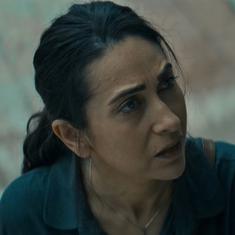
Palanka darts a timid glance at Mohabbat. There is something about her that sets her apart from the other girls. She is like a wild flower, small and humble, that knows it was born in the dust. Her eyes are misty with a faraway look in them. A scent, faint and sweet as a musk deer’s, rises from her limbs. It spreads around and beyond her like a cloud, soothing and calming all those who come near her. Eyes grow soft when they meet hers and the soul is filled with tranquillity.
She has no answer to Mohabbat’s question. Her heart beats fast and she lowers her eyes. Another woman is quick to respond. A cackle of fierce laughter bursts from Atarjaan’s lips … so loud and bitter that the heart of the fen trembles with fear. Atarjaan’s body is tight and well-formed, but her face is black and crumpled as though ravaged by a phantom fire. “O re Mohabattya! Spawn of a slave!” she shrieks, her ugly mouth twisted in contempt, “The nesting fever has gripped our Shankhini. Don’t you know? She has worn a red sari and smeared sindoor on her brow and parting. She’s standing before a mirror, admiring herself. Go take a look. Hee Hee Hee!” Turning to the girl, she screeches with laughter, “Ki lo Palanki! You’re pining for a home and husband too…aren’t you? Go … go. Turn yourself into a wife and mother you slut. Hee Hee Hee!”
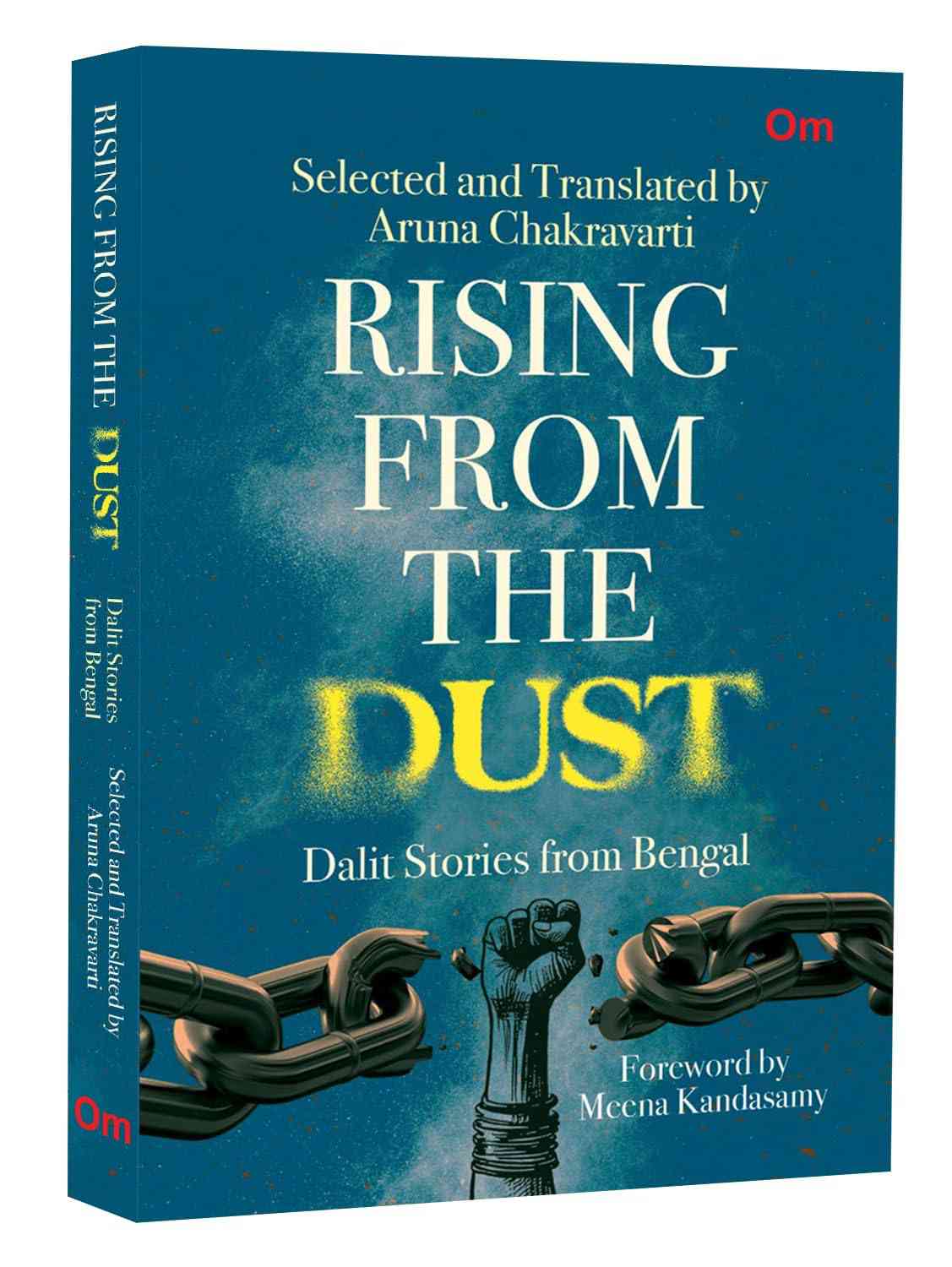
Excerpted with permission from ‘Snake Maiden’ by Prafulla Kumar Roy in Rising from the Dust: Dalit Stories from Bengal, selected and translated by Aruna Chakravarti, Om Books International.
