









During the global campaign against the South African apartheid state in the two decades from the 1960s, the regime and its supporters would claim that they were not an exception since many countries practice various forms of discrimination. India, for instance, had caste discrimination.
The response at that time was that the Indian state does not sanction caste discrimination or discrimination based on religion. The discrimination in South Africa was structural. It means that the apartheid state and its laws and policies discriminated against a particular group.
In present-day India, are we sliding into structural discrimination, particularly against religious minorities? The arrest of two Catholic nuns in Chhattisgarh in July on charges of human trafficking and forced religious conversion is emblematic of the country’s slide towards structural discrimination.
In this case, a Bajrang Dal member filed a case, which resulted in the nuns being arrested. Though the nuns were granted bail, the fact that they were arrested based on mere claims by a Bajrang Dal member demonstrated the power wielded by the group over the local police and the lower court.
Chhattisgarh Chief Minister Vishnudeo Sai defended the arrests, demonstrating that the action had support at the highest levels.
The anti-conversion laws that exist in 12 states provide the basis for targeting Christians and Muslims on the allegation that they are engaged in the conversion of Hindus.
The International Covenant on Civil and Political Rights (Article 18 [2]) prohibits any individual or group of individuals from using coercion to convert any other individual or group of individuals to a different religion.
However, the anti-conversion laws adopted in India are vague. For example, the 2025 anti-conversion law adopted by Rajasthan deems that a conversion is unlawful and void if done through “misrepresentation, force, undue influence, coercion, allurement or by any fraudulent means or by marriage”. The term “allurement” is common to all existing anti-conversion laws.
In the Rajasthan case, the term covers a wide range of acts, including “any gift, gratification, easy money or material benefit either in cash or kind: employment, free education in a school run by any religious body: or a better lifestyle, divine displeasure or otherwise”.
Such an encompassing and vague nature has the potential to criminalise charitable activities conducted by minority groups. Providing free education or offering teaching jobs to Hindus in a Muslim or Christian institution could be construed as “allurement” under the anti-conversion laws.
These anti-conversion laws, contrary to basic principles of the rule of law, shift the burden of proof to the accused. Anti-conversion laws provide considerable legal protection to those who take action to prevent so-called conversions. The state protects them from prosecution if they had acted in good faith. It is left to the local police to determine the nature of their action.
In most cases, including in the arrest of the two Kerala nuns, local Hindutva groups that intimidate individuals from minority communities are given legal immunity. The state does not seriously pursue prosecution. Impunity is the outcome of such protection provided to Hindutva groups.
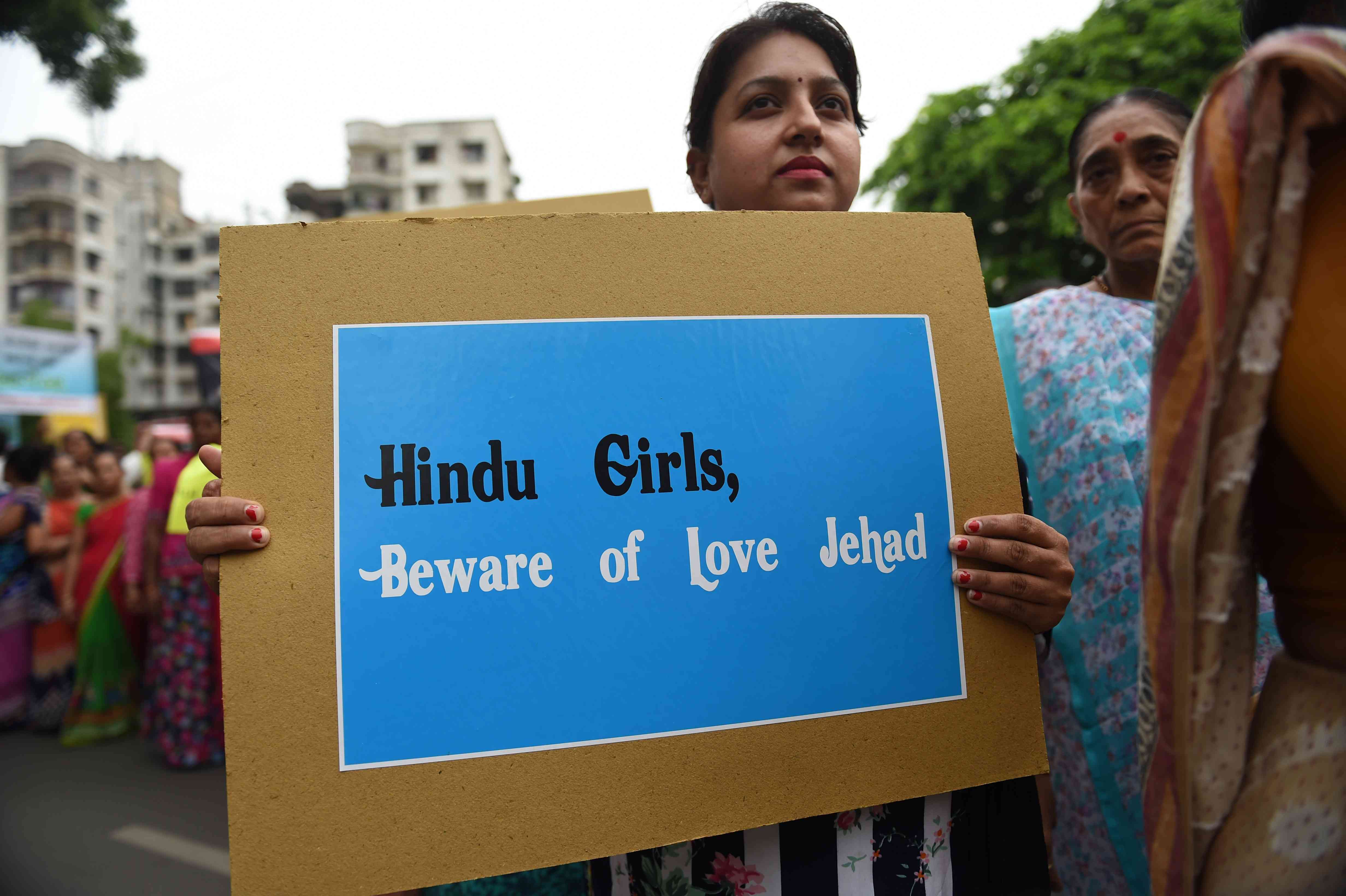
The anti-conversion laws justify acting against the so-called love jihad. Based on an unfounded conspiracy theory, it basically communalises any friendship, camaraderie and at times love between adult individuals belonging to different faiths. The claim is that Muslim men are ensnaring Hindu women in relationships solely with the intention of converting them.
By using the term “love jihad”, this campaign targets the Muslim community.
In the last decade, armed with the anti-conversion law and the love jihad conspiracy theory, Hindutva groups, with the active support of the police, have interfered in numerous interfaith consensual relationships, including accusing entire families of aiding unlawful conversions.
The “bulldozer justice” widely practiced in several Bharatiya Janata Party-ruled states is another example of state-sanctioned targeting of minorities, particularly Muslims.
It involves police or other authorities using bulldozers to demolish houses and shops of members of the Muslim community claimed to have committed offences, even though Indian law does not allow such punitive action. Hindutva groups and even some mainstream media outlets have welcomed such illegal actions by the State.
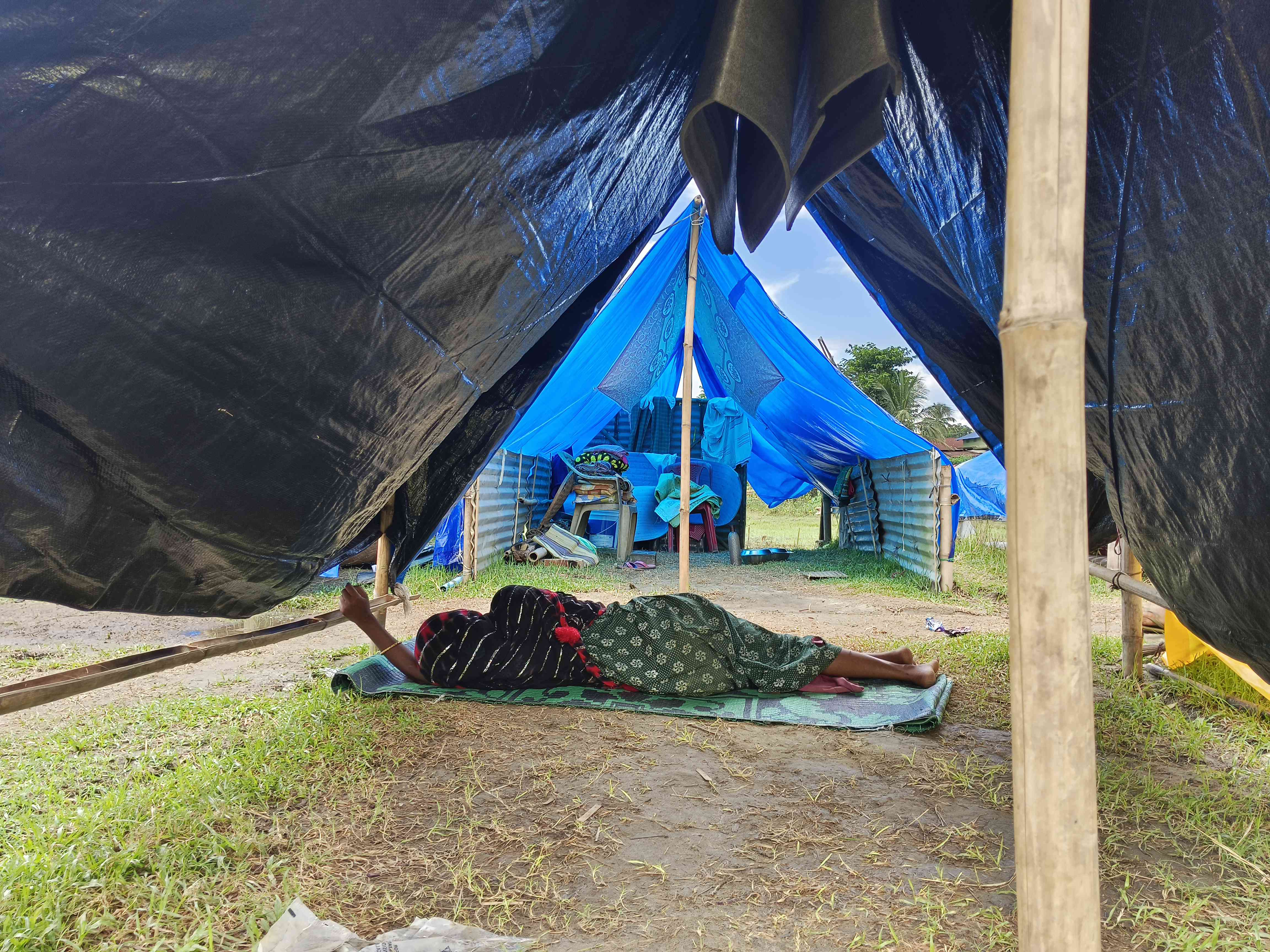
“Bulldozer justice” shows that the authorities can arbitrarily target and cause immense harm to members of minority communities. Since the Supreme Court in April 2024 issued guidelines to be followed when the authorities demolished structures they claim are illegal, such actions have diminished – but not completely.
Also conducted without due process is the campaign to detain and sometimes force across the border Bengali-speaking Muslims in several states, particularly in Assam, claiming that they are actually undocumented Bangladeshi migrants. Based on public interest petitions filed against the arbitrary detention of Bengali-speaking Muslims, the Supreme Court has issued notice to several state governments asking if their attempts to identify so-called infiltrators was biased. But the court did not order even an interim stay against such detentions.
Over a period of time, particularly in the last decade, members of the minority community have increasingly been denied equal protection under the law. They have gradually been reduced to second-class citizens with the enactment of anti-conversion laws, popularisation of conspiracy theories such as love jihad and land jihad, hate speech against minorities, forced evictions, punitive demolitions, mob violence against minority groups and vigilantism violence against those transporting cows.
The state is reluctant to take robust actions against Hindutva groups to prosecute and prevent violence against members of minority communities. These factors cumulatively demonstrate that minority groups in India are potentially facing structural discrimination.
The author is a member of the UN Working Group on the use of mercenaries as a means of violating human rights and impeding the exercise of the right of peoples to self-determination. Views expressed are made in personal capacity.
