




Veerappan: Dreaded not Hated
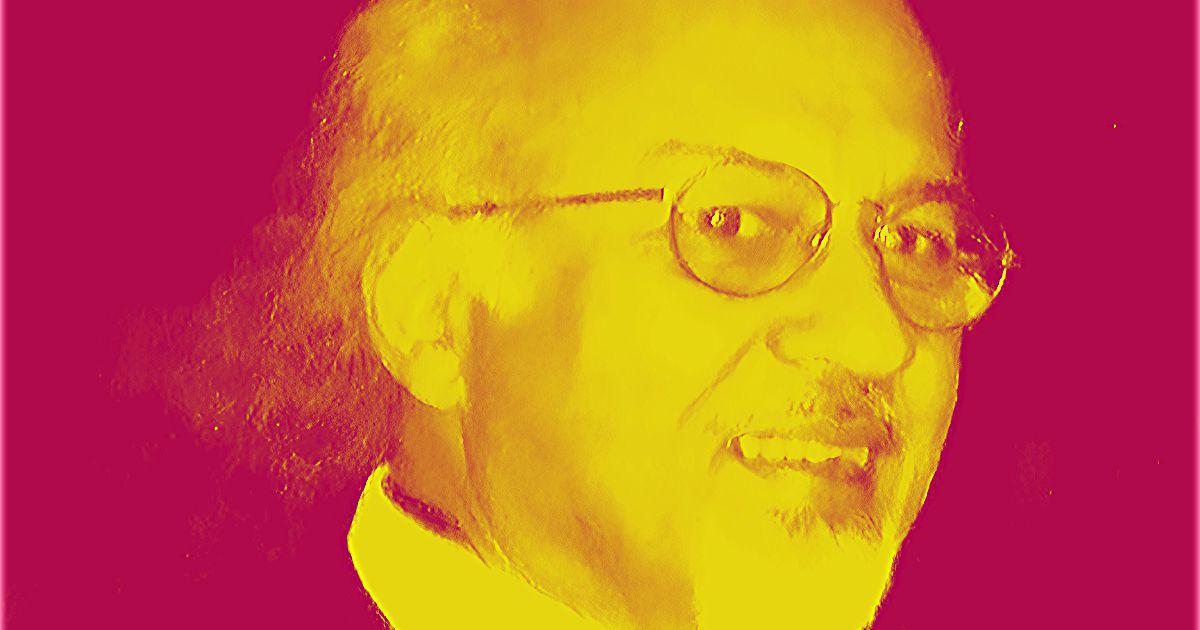
Alongside his murderous instincts, Veerappan possessed some surprising character traits. He was a religious man. He did the Surya Namaskar and walked a minimum of ten miles a day. He loved to dance, his own rustic formulation of measured steps. He would cut bamboo into flutes and enjoy the sound he made from them.
He was proud about his moustache and would tend to it with great care using special oils and herbs. He derived pleasure from rolling the mouche with his fingers, shaping it carefully, fondling it. In 2015, Lush, a foreign cosmetic company marketed what it called Veerappan Moustache Wax at the impressive price of $15.95 for an 8-gram jar. When some noise arose about ‘glorifying a bandit’, the company stopped producing the wax.
For all the glamour that surrounded him, a man as shrewd as Veerappan must have known that the life of a fugitive could end abruptly. Muthulakshmi could not have been unaware of it either. The daughters themselves must have felt the unusualness of the circumstances that surrounded them.
After his murder of police officers, Tamil Nadu and Karnataka governments set up a joint force in 1991 to track him down. It became known as the costliest operation of its kind in Indian history, eating up one billion rupees in 12 years. At one stage, experienced and capable officers such as K Vijaya Kumar and NK Senthamarai Kannan were put in charge of the hunt. Vijaya Kumar would eventually put details of the hunt in print with his book Veerappan: Chasing the Brigand.
The all-out operation to capture Veerappan turned out to be not only expensive but also time-consuming. In the end, they trapped him with a complicated plot, as the official version went. Police agents apparently infiltrated Veerappan’s inner group and bided their time. When their quarry developed an eye problem, they suggested a visit to the hospital. An ambulance was organised which, unbeknown to Veerappan, happened to be a police vehicle. The driver was an undercover policeman.
The old suspicious Veerappan turned into a new trusting Veerappan and boarded the vehicle. He and his closest associates who accompanied him were all armed. When they reached a village in Dharmapuri, the ambulance was suddenly challenged. Instantly, the area exploded with an exchange of gunfire. The ambulance driver ran to safety while Veerappan was killed in the vehicle along with his companions in crime.
It all sounded very neat. A bit too neat, perhaps. Quickly, unofficial versions began to circulate. According to one, the gang was killed by a double agent who poisoned their buttermilk. Another said the men were sedated (the buttermilk?), taken into custody, tortured for two days, then shot. A credible doubt that arose could not be easily brushed aside. This centred round the police claim that Veerappan was already trapped in a police vehicle driven by a police driver. If that were true, it must have been easy to capture him alive. So why was he killed on the spot?
Those who raised the question also supplied the answer – that arrest, imprisonment, and a possible trial could have led to disclosures inconvenient to many leaders. A dead Veerappan was safer. Chief ministers and home ministers who took policy decisions and top police officers who conducted ground operations were all aware of Veerappan being in a class of his own.
The operation chief who finally nabbed him, K Vijay Kumar, was insightful when he wrote: ‘I never saw him only as an adversary. If he had taken competent STFs on a ride for over a decade, there must have been something going for him. What was that? Tactics? Intel? Good PR? or all of it…. He had audacity and cunning. He was a beast with a human brain. Give the devil its due. Minus some negative energy from his persona, and he could have been a terrific commander of any fighting force.’ That was high tribute from the commander of a fighting force.
An assorted mix of people gave their own tributes in their own way. The number of men and women from the villages who collected to attend his obsequies was a pointer to his hold on the popular imagination. Dignity marked the conduct of people who assembled to bid him goodbye.
Two days after his death, the body, wrapped in a white shroud, was buried near Mettur. A youth brigade dressed in white trousers stood in silence at the site, like an honour guard. Thousands attended the 15-minute ceremony, thousands more stood some distance away, cordoned off by the police. For days, hundreds of common folk queued up to pay homage to the man who was called a brigand. Crowds still collect there on special days.
Does Veerappan, the idea, have a life of its own? His formidable moustache has become something of a fashion accessory across Tamil Nadu. And the consequences of continuing misery in the forgotten hamlets of the forest keep raising questions. There were unconfirmed reports about a “Junior Veerappan” appearing in the hills. Given the wretchedness of the villagers and the all-round exploitation that is still goes on, a senior Veerappan might well emerge. As US President John F Kennedy reminded the world: “Those who make peaceful revolution impossible will make violent revolution inevitable.”
Excerpted with permission from The Dismantling of India in 35 Portraits, TJS George, Simon & Schuster.
