










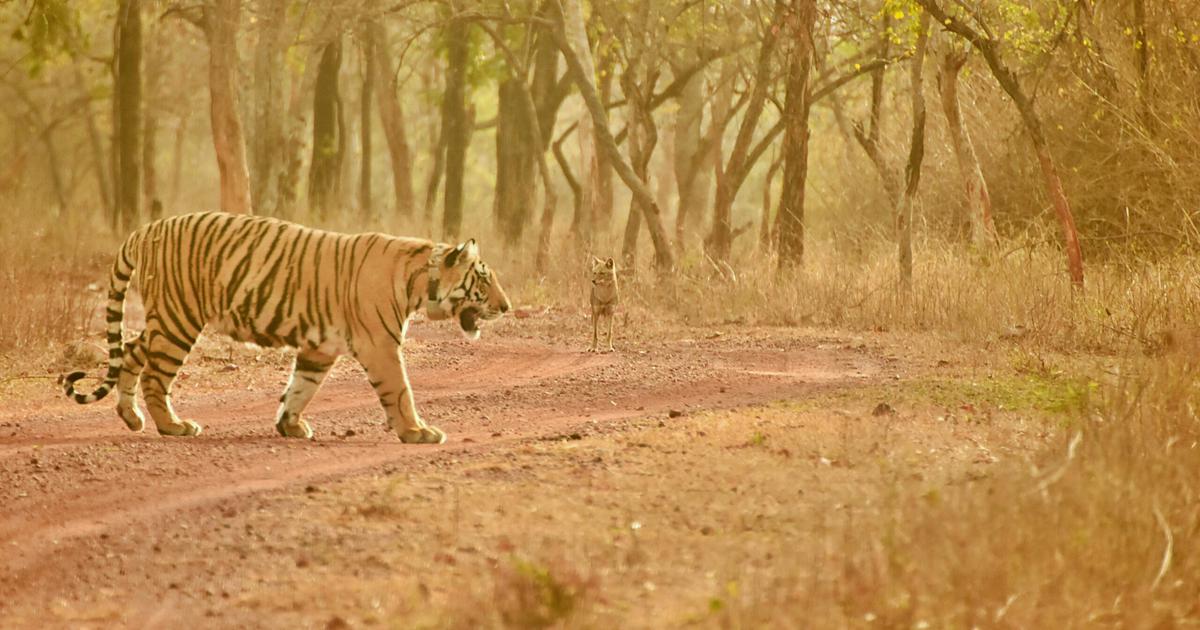
In 2009, Panna Tiger Reserve in Madhya Pradesh lost all its tigers to poaching. They were reintroduced a few years later and have since re-established populations.
While carnivore reintroduction has been considered as an important strategy to restore ecological balance, a recent study highlights that prey abundance and habitat quality also play an essential role.
“Focusing exclusively on the apex predator (for ecosystem recovery) tells only a fraction of the story. The answer lies in the broader mammalian community that supports them,” says Supratim Dutta, research scholar at the Wildlife Institute of India and one of the authors of the study. “The real question is not whether tigers came back, but what made that recovery possible.”
A landscape built on extremes
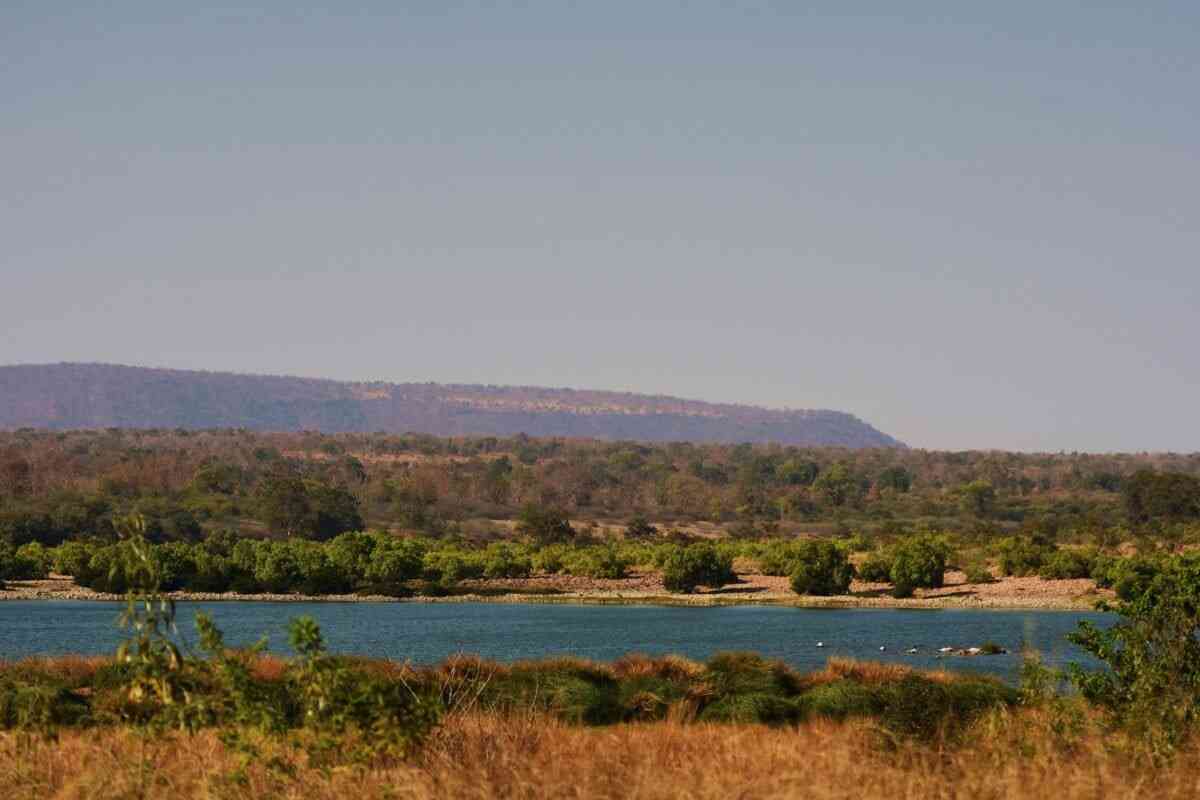
Panna Tiger Reserve spans 1,574 square kilometres across Madhya Pradesh, with 542 sq km of core and a larger buffer zone. The terrain is rugged, cut through by the Ken River, the only perennial water source. Summers can touch 45 degrees celsius, and winters drop to around 5 degrees celsius. Vegetation is largely a tropical dry deciduous forest.
The reserve supports a dense mammal community. Tigers and leopards are apex predators. Below them in the chain are wolves, jackals and hyenas. Prey includes chital, sambar, nilgai and wild pig. Around 30,000 people live in settlements in the buffer zone.
To understand how the various animals use this landscape, researchers conducted large-scale camera trap surveys in 2019. Each camera ran continuously for over a month, capturing animals moving along trails, riverbeds and forest roads. In total, the cameras captured 475 sites in winter and 338 in summer.
About 40,308 images detecting animals were generated. About 10 key species were identified in the images. Cattle appeared most often, followed by chital and sambar. Among carnivores, hyenas were recorded the most, followed by jackals and leopards.
At each location, the team also recorded variables such as distance to water, villages, forest cover and slope. “A tiger and chital appearing at the same location could mean two very different things. The tiger could be following prey. Or the prey could be avoiding the tiger,” Dutta says.
To unpack this, the researchers used a modelling approach that can test multiple relationships at once. They built three versions. One assumed predators drive the system. Another assumed prey availability drives it. A third combined both, along with environmental factors. “We needed a framework that could model both directions and separate their contributions,” Dutta says.
The combined model performed best, suggesting the system cannot be explained by a single force.
No single driver
Predators appear closely tied to prey distribution, rather than acting alone as ecosystem regulators. Tiger presence was strongly linked to chital and sambar. Leopard presence was associated with nilgai, hare and wild pig.
What was missing mattered just as much. The expected pattern of predators reducing prey numbers was not strongly captured in the final model. “The tigers did not suppress their prey into equilibrium. They tracked an already abundant and spatially organised prey community,” says Dutta.
At the same time, the study finds that both shape the system, with neither acting alone.
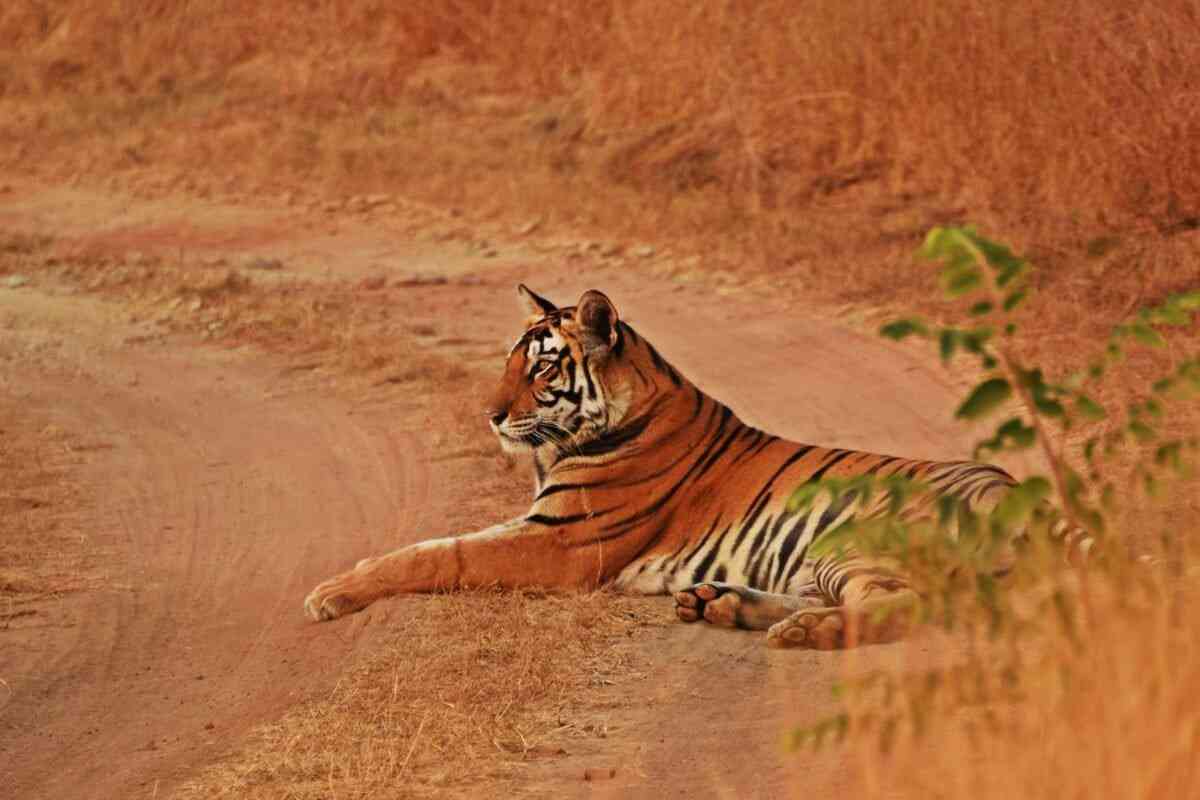
The reintroduction, in the case of Panna, likely worked, in part, because the prey base and habitat were already intact.
“Prey is as important as predators in determining how a community functions. Predator recovery depends on prey density, just as prey populations are shaped by predators. In Panna, tigers were lost to poaching, not because prey had collapsed. That’s not the case in many other landscapes,” says Anish Andheria, President and CEO of the Wildlife Conservation Trust. He was not associated with the study.
When predators help other predators
In most systems, larger predators are expected to suppress smaller carnivores. In Panna, the study instead found strong positive associations. Hyenas were more likely to occur in areas with tigers and leopards. “Far from being suppressed, hyenas showed a strong positive association with tigers and leopards,” Dutta says.
The likely reason is scavenging. Large predators leave behind carcasses, which become food for hyenas.
The study describes this as trophic facilitation, in which predators indirectly support other species while potentially competing with them. “This was a genuinely unexpected result. Apex predators were functionally subsidising the scavenger guild through carrion provisioning,” says Dutta.
Water shapes everything
Among environmental factors influencing species distribution, proximity to water stood out. Across species, the probability of detecting animals dropped as the distance from a water source increased.
In a dry landscape like Panna, that is expected. “The Ken River functions as the ecological backbone of the entire mammalian community,” Dutta says.
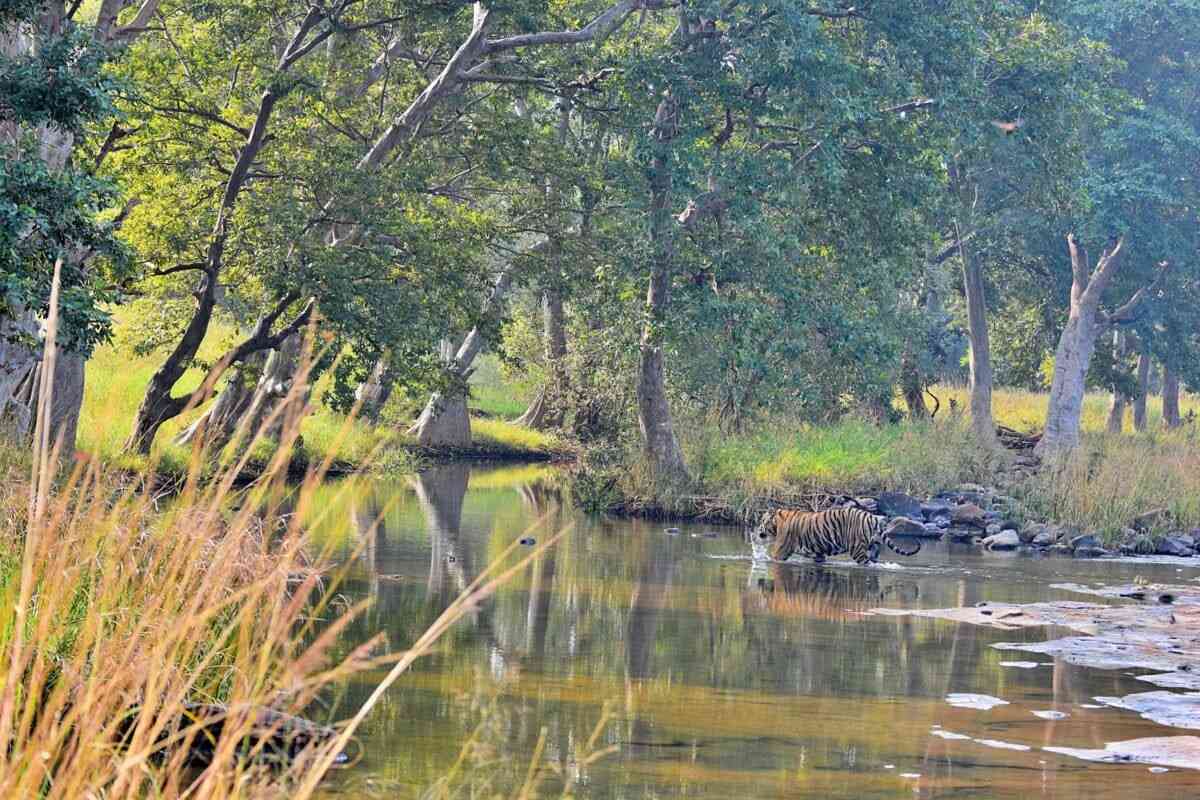
Forest cover also shaped the distribution. Leopards and sambar preferred denser vegetation. Jackals tended to avoid it.
Human presence had mixed effects. Most wildlife avoided villages, while cattle and wild pigs were more common near human-dominated areas.
A recovery built on what already existed
The study’s results overall suggest that Panna’s recovery cannot be explained by a single trigger, such as the tiger reintroduction. It likely held because multiple pieces were already in place. This finding shifts how conservation is framed. “Predator recovery is catalysed by a healthy prey base and intact habitat. Without that, recovery is slow,” says Andheria.
Rewilding cannot focus only on predators. It has to account for prey, habitat and basic resources like water. Without these, predator recovery is unlikely to hold. “A reintroduced predator population does not restore an ecosystem; it reveals whether [a stable] one already exists,” says Dutta.
This article was first published on Mongabay.
