




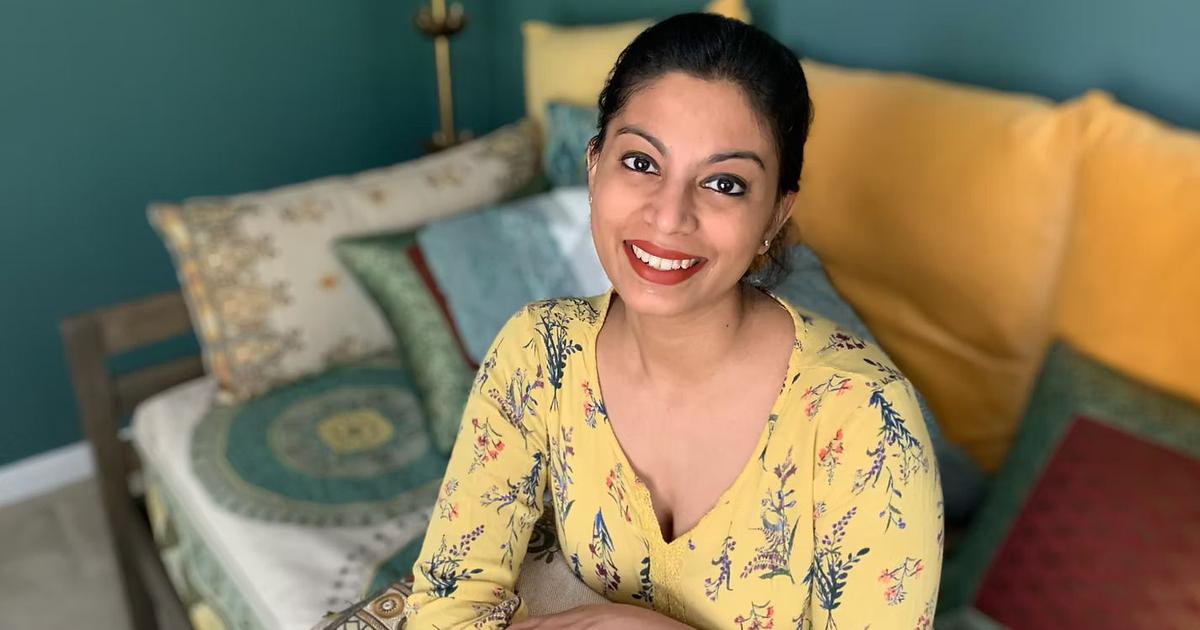
In June 2014, journalist Meera Vijayann gave a talk at the TEDx Houses of Parliament about her experience of sexual assault as a girl in India. By doing so, she hoped to get a difficult but essential discourse started, showing other women that it was okay to speak up; in fact, it was essential that they break the silence around harassment that was passed down, along with the trauma through generations. This was also her plea, asking “communities to participate in their systems through citizen journalism.”
The video went viral, with over 1.1 million views. It was a fitting culmination of years of her speaking out. In the epilogue of Vijayann’s recently released debut memoir-in-essays collection, Girls Who Said Nothing and Everything, she writes about how, between 2012 and 2015, she spent three years alone in Bangalore without her parents or her younger sisters. The family had emigrated to Canada, but as a non-dependent, unmarried applicant, her visa was rejected. These years would be “instrumental in shaping [her] as a young woman.”
“I became outspoken about what it meant to face gender-based discrimination and sexual assault. I attended protests, I recorded video blogs that appeared on CNN-IBN and reported stories for the Guardian, Forbes, and the Deccan Herald.”
Four years later, she was diagnosed with severe Complex-Post Traumatic Stress Disorder (C-PTSD) and learned just how bad of a toll ignoring her early childhood experiences had taken on her physical and mental health. Soon after, she began writing essays to “process past trauma and talk about the long-term psychological toll of patriarchal norms on girls”. This book is a culmination of that long and complicated journey.
Speaking up
In the Tamil Nadar community, “speaking the truth about your family life [was] a great betrayal” irrespective of gender. But, of course, women were subjected to a life of silence in a way the men never were; the demands and expectations on them, their lack of economic options, not to mention the societal and familial ostracisation if any dared to step out of line.
At home, her parents always talked about how they wanted a different life for her and her sisters where they had more freedom and opportunities, but contradicted that with their actions as soon as she, the eldest, questioned something or didn’t do as well at school as they expected; her mother in particular berating her about being ungrateful for all the blessings she got that she’d never been allowed. It took her many years to realise that they were battling their own demons while they tried to give their girls what they never had, in ways that were well-meaning and what they could manage within the specific context of their upbringing and (physical and emotional) resources at hand, even if at the cost of what the girls needed from them in real time. Love, acceptance, understanding.
The first of eleven essays that make up Vijayann’s collection begins on the playground. It is summer in the industrial city of Sivakasi, and she is a third grader collecting red mites under the blazing sun during her lunch break – and she has a secret in the form of a red and grey horseshoe magnet that’s making her anxious. If discovered, especially by the severe and feared headmistress, Mrs Johnson, there will be trouble. Her best friend, Vishnu, is the only person she trusts to keep her secret and wants to share the magnet with. But by the end of the break, there will have been a horrible accident that leads to public humiliation, which, then, will lead to her parents sending her to the same boarding school her father had attended as a boy, a ten-hour drive up in the hills.
This co-educational boarding school provides a young Meera with more (relative) freedom, even as she and her peers cotton on fairly young that there will always be different rules and limits for boys and girls (“to be a girl was to go to an all-you-can-eat buffet in handcuffs”). It also gives her a support system of friends, fellow girls in similar situations who show her what it means to have true community and camaraderie, unconditional love, validation, and the space to be herself, to learn and grow and change and discover. In them she finds what all of them lack at home and with their families: someone to confide in.
Speaking out
Laid out chronologically, these essays tackle the specific trials and tribulations experienced by pre-adolescent, adolescent, and teenage girls from middle-class families in 1990s India. From first loves to money matters to the shame around girls wearing glasses to maths struggles to family discord to never talking about emotions at home to the constant reminders to “cover up”, “be quiet”, and “be a good girl from a good family” to discussions about faith, caste, and role models to the complicity of communities in this endeavour of silence. From living independently in a different city (Chennai) for college to deciding to continue living away from family to eventually moving abroad for a year for a master’s degree and dealing with everything that’s an intrinsic part of that and then some.
What is the cost of this silence on identity, self-expression, and mental health? What if these girls and women didn’t have to be so strong and resilient because of a system set up to fail them? Girls Who Said Nothing and Everything is a layered, tender, honest, funny, brutal, hopeful snapshot of Indian girlhood that many will be able to relate to. Vijayann’s great at scene setting, utilising all of our senses with specificity without relying on elaborate language. The writing is alternatingly confessional, matter-of-fact, and expansive. And always compelling.
“…throughout my life, I was witness to the rage, disillusionment, and neglect of generations of women…”
There is power in a vulnerability that comes from a place of conviction. By giving a voice to the girl that she was and the woman that she is, Vijayann is not only embracing and accepting her deepest emotions as a human, but she’s also reclaiming her story and reframing it outside of shame – alongside opening up the conversation for others to join in and feel less alone. She didn’t escape unscathed, but break away she did, and this courageous book is her saying, “I won’t stay quiet,” community pressures be damned. It’s her saying, “I refuse to pass on this generational trauma to my kids,” in turn finally breaking the bonds that have caged all the men and women in her family.
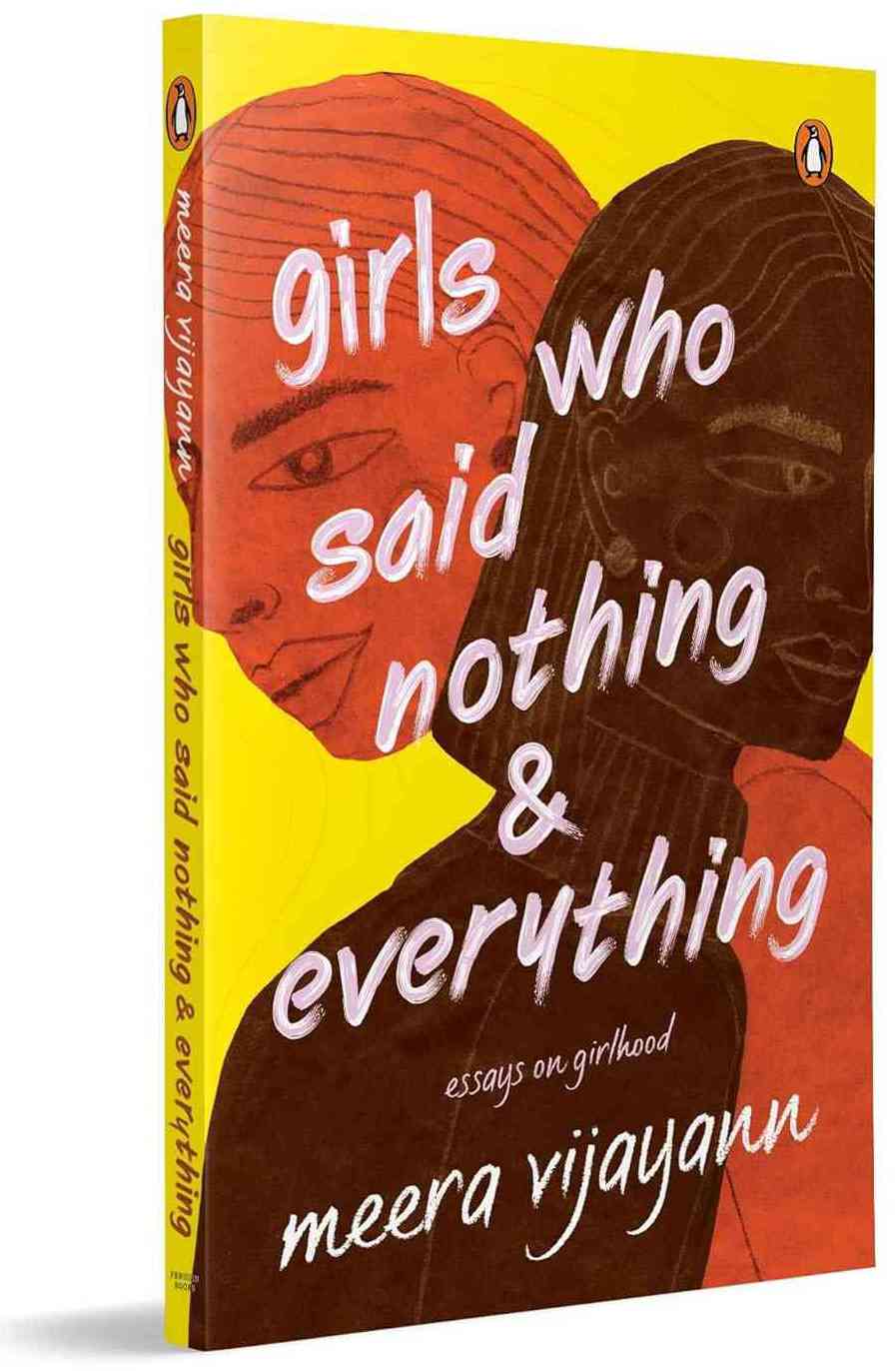
Girls Who Said Nothing and Everything, Meera Vijayann, Penguin India.
