









As the year-end chill (such as it is) begins to descend upon Mumbai, I begin to send Jerry texts around mid-morning. “Is he here?”
Jerry saunters into his balcony and surveys the vegetable and fruit vendors on the pavement below. “Not yet,” he responds most often.
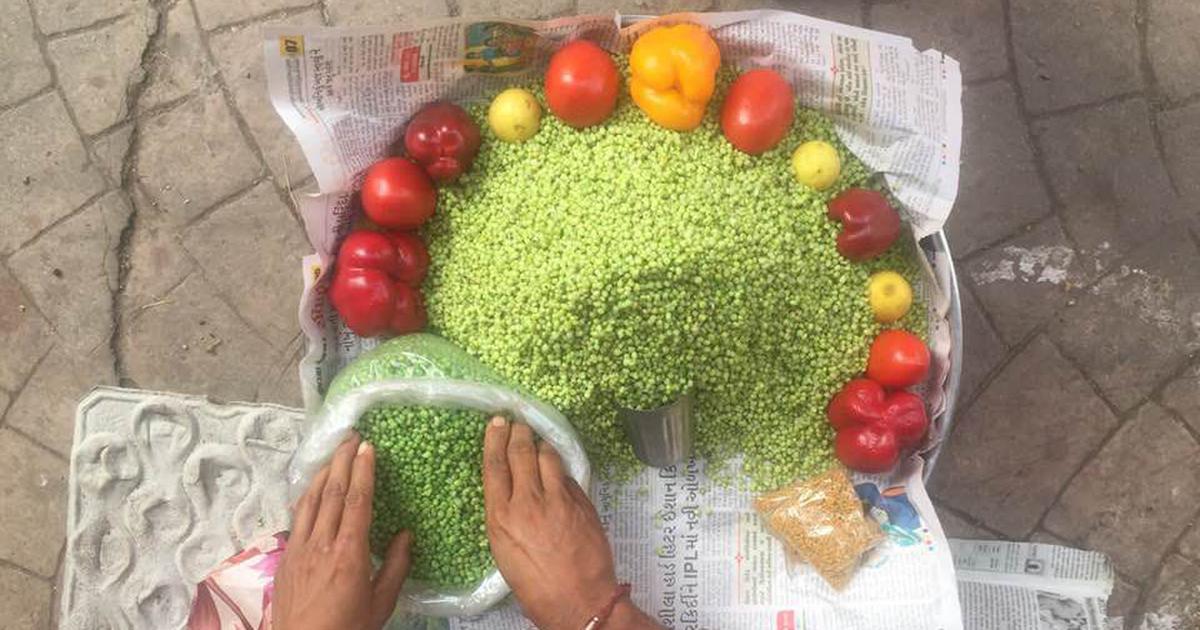
Eventually, though, when the weather is cool enough, the man with the basket makes his appearance, having taken the early morning train from Surat to squat down at his spot at the Citylight market.
Ponk season has begun.
Ponk, as it’s known in the city’s Gujarati areas, and hurda, as it’s called by Maharashtrians, is the tender taste of winter.
The tiny grains of young jowar, or sorghum, lightly roasted, can be eaten plain. But many prefer them tossed together with crisp lemon sev, slivers of onion, garlic chutney, a squeeze of lime and anything else they think would be appealing. Ponk is also fashioned into deep-fried vadas and patties.
In Gujarat and Maharashtra, ponk parties are organised to celebrate the respite from the heat.
In recent years, dieticians have extolled the virtues of ponk: it is high in fibre, antioxidants and minerals such as potassium and zinc, they say. Ponk, it seems, is good carbs.
I use it to give texture to salads or as a late afternoon snack to tide me over to dinner.
But mostly, I savour ponk because it reminds me of the changing of the seasons. In an era in which mangoes are available even in December, imported from Malawi, and Washington apples never disappear from the bazaar, ponk remains obdurately available only in winter.
Anticipation, as Angela Carter said, is the greater part of pleasure.
