







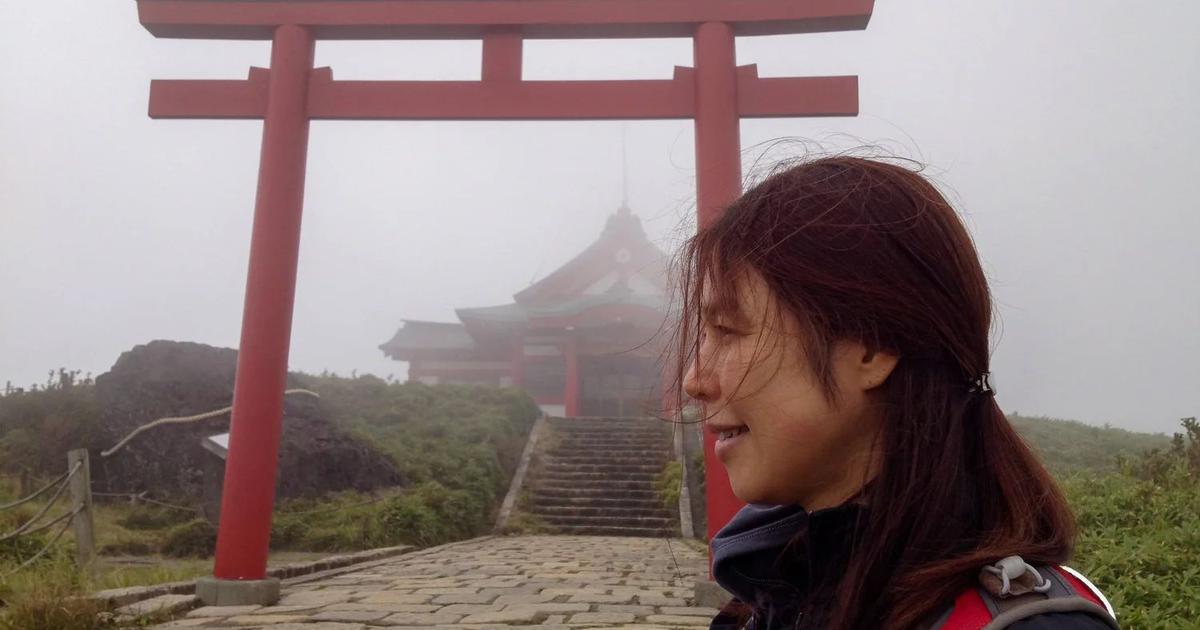
Anger comes when I least expect it, in waves large and small, snippets of memory washing over me like ocean tides, throwing me off-balance as the sands of time shift beneath my feet.
It doesn’t happen often, but for some reason, it always seems to coincide with my brushing my teeth in the morning. I’ve come to think of this as my own personal “witching hour,” that moment when Western folklore says ghosts are most likely to appear. Perhaps it is because I am still between wake and sleep, the gears of my consciousness only starting to grind back into life. I am relaxed, but also off guard. Sometimes my subconscious chooses this moment to open the floodgates a crack, and out sneak memories that I’ve tried to consign to the darkness.
My mother compared me with my younger sister endlessly. Anytime I said something wrong or didn’t do something in the way my mother expected, I’d hear: Your little sister wouldn’t do this. Your little sister does that. Why can’t you be more like your little sister? It felt like I had to fight for everything I ever wanted, simply for having been born two years earlier. Looking back now, I see this as her attempt to foster a sense of responsibility in me. But at the time, I hated her for it.
As with so many first children, my parents were always stricter with me. No doubt they saw their instincts as protective, but to me, a little girl at the time, it all felt restrictive and preordained. Stop it, Hiroko. No, you can’t do that. This discussion is over. Yet, should my little sister attempt the exact same thing, she would be permitted, even encouraged.
One day, out of exasperation, I confronted my mother. Why was everything between us a fight, while my sister got everything she asked for on a silver platter? I can hear her response as clearly as the long-ago day she said it.
“Because being older is unfair. That’s how it is.” End of discussion.
My mother was the oldest of four sisters. While I knew them, we weren’t really close. My mother never shared any details of their youthful interactions, and I realise now that she carried childhood baggage of her own. I must have realised this to a degree even then, for I never broached the subject ever again.
When I turned 19, I decided I wanted a driver’s license. Mother shut this down. Driving is risky, she said. No. Period. But I was older and craftier now. I devised a plan. Every January, there is a national holiday known as Coming of Age Day. It celebrates citizens who turn twenty that year. Traditionally, when a woman turns twenty, her mother buys her a gorgeous long-sleeved kimono called a furisode. Municipalities host elaborate ceremonies where freshly minted adults are lauded and given certificates. Friends dress up in their finest and celebrate at parties afterwards. The girls almost inevitably wear their furisode. Maybe it’s a little analogous to the idea of prom at an American high school, though it takes place a few years later and isn’t about finding a date.
Furisode are not cheap. They cost the equivalent of about $6,000. This just so happened to roughly coincide with the cost of attending a driving school. (It is notoriously expensive to get a license in Japan.) Don’t buy me a kimono, I told my mother. Give me the money for driving school instead. She took the deal, and I got my driver’s license. I didn’t bother going to my city’s coming-of-age ceremony, nor did I go to any parties. It somehow didn’t feel right after the bargain.
Two years later, when my sister turned 20, my mother bought her a furisode and sent her to driving school. On Coming of Age Day, mother sent her to a salon to fix her hair in a beautiful traditional style, then accompanied her to a local studio for photos. Of course, my sister attended the ceremony with her friends in tow and had a grand time. My mother took great vicarious pleasure in all this; she even borrowed another kimono from a neighbour for another round of photos later. She compiled them into an album that she showed off proudly to anyone who visited. Few noticed that only one of her daughters was pictured in it.
Shortly thereafter, my mother began suffering the first symptoms of her long illness and needed to be taken to a hospital for a more thorough examination than the local practitioner could give. My sister was still too inexperienced to be comfortable driving alone, and my father was too busy with work. So I took her.
“I’m so glad that you got a driver’s license,” she said along the way. “Letting you get one was the right thing to do.”
So why did you make me fight for it? I wanted to ask. But what was done was done. It was obvious she’d made her peace with our deal. So had I, but it would be many years before I realized at what cost. In an attempt to assuage the sense of loss I’d felt at missing my coming of age, at sharing this experience with family and friends, I’d convinced myself that I didn’t look good in a kimono. No, even more – that I looked ugly in one. Kimonos weren’t for me, ever.
That twisted logic was how I justified the deal with my mother. It was the rationalisation that let me bury my sadness and frustration and move on with my life.
Now, I don’t tell you this story because I think my mother was a monster. She wasn’t. Or that I believe myself deserving of pity, or even sympathy, really. I tell it because I think this kind of thing is utterly normal. We all have seeds of frustration sown deep within us. Maybe they were planted by interactions with parents, or siblings, or friends, or coworkers. But those seeds are always there, and they can blossom into anger if we don’t care for them properly.
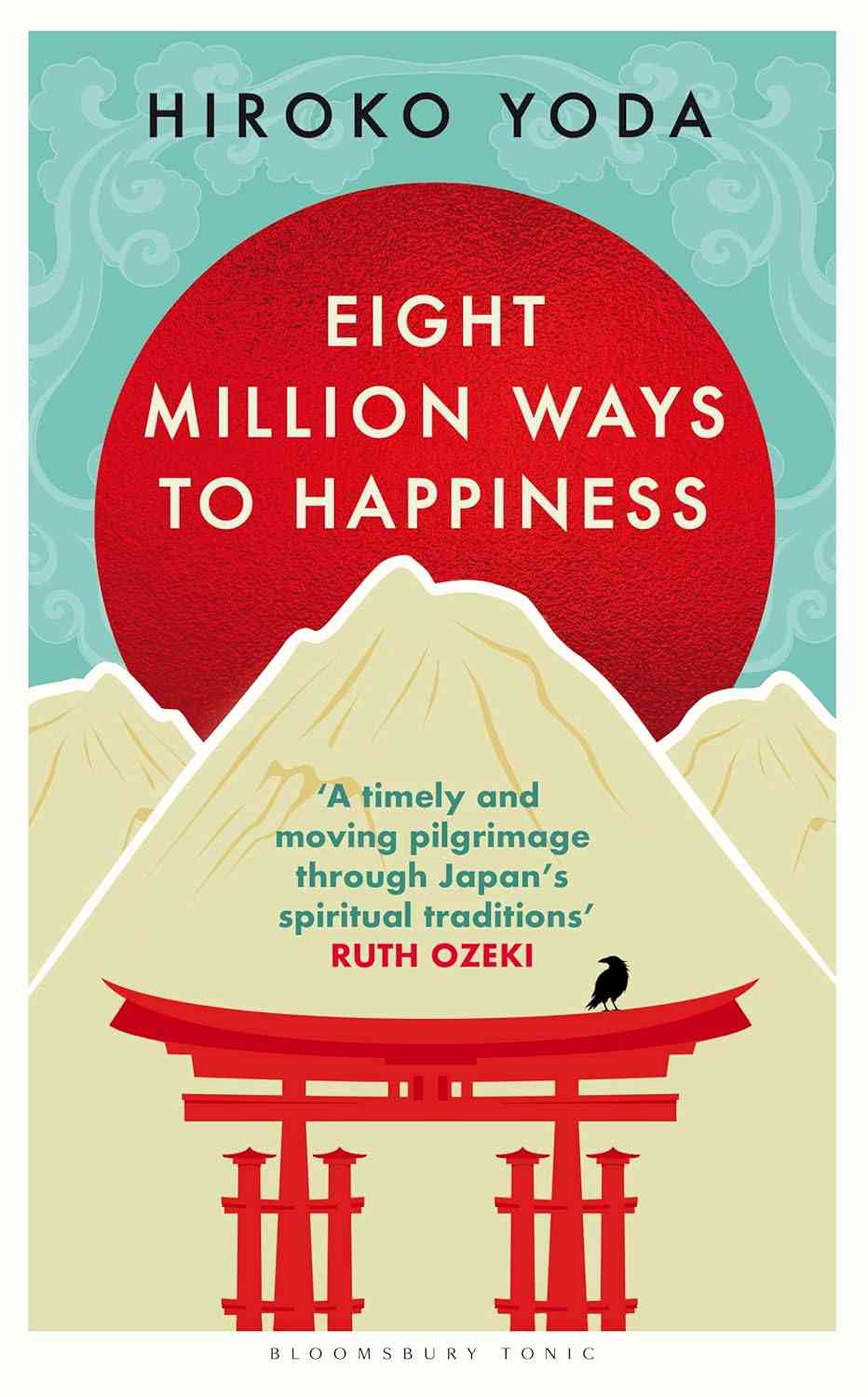
Excerpted with permission from Eight Million Ways to Happiness, Hiroko Yoda, Bloomsbury.
