









Several years ago, about twelve university students from the southern United States visited our home in the winter. Their professor had asked if he might introduce them to a Korean home and meal, so we hosted them for an evening.
One of the students was dressed in extremely shabby clothes. Even his shoes were noticeably worn.
My wife asked the professor, “Does that student come from a poor family?”
To which the professor replied, “What makes you say that?”
My wife explained that his tattered clothing and shoes gave that impression.
The professor then said, “No, in fact, that student is probably one of the wealthiest of the group. His father owns a ranch in Texas and his mother runs another in Mexico. They have more cattle than they can count, and they sell them by the hundreds. But he dresses that way because of his parents’ upbringing. Where he comes from, the wealthier the family, the more strict they are with money. Very few families give their children more money than they need or pay tuition in full without conditions.”
We have a rough idea of how Western families operate when it comes to money. Children are often given weekly allowances from a young age. If they need extra money, they borrow it or receive help from their parents under certain conditions. It’s rare for parents to cover the full cost of the children’s college education unconditionally. Barring special circumstances, college students are expected to earn their own living expenses. Raised this way, they develop financial independence and learn the value of money early on in life. The parents aim to help their children develop an ability to manage money, for only then can they pass down the family business to their children knowing it will be in good hands.
This is something our society has already begun to understand, and an issue we must deeply reflect on. There are countless cases where young people who came into money quickly have become entangled in gambling or drugs and don’t take responsibility for themselves. Where does the problem originate? One could think that this is a family matter, but the underlying problem may apply to all of us parents.
Carl Hilty once said that if the only value a family, no matter how wealthy, can teach their children is how to build wealth and enjoy life, such an upbringing cannot produce truly great people. But the poorest of households can produce remarkable individuals if they teach their children to care for their neighbours and be invested in their community. An exemplary home, then, is not one that gives much by way of wealth, but one that instils a sense of social consciousness in its children.
With this in mind, we can understand why so many wealthy young people today, who live selfishly and without much thought for others, grew up without learning that genuine social responsibility. Speaking in terms of numbers, a person with a 90-point character can manage up to 89 points of wealth. A person with a 60-point character can handle up to 59 points of wealth. But someone with a 40-point character who inherits 80 points of wealth becomes miserable trying to manage wealth he did not earn and brings harm to society as well.
Yet we still often prioritise passing on material wealth over nurturing our children’s character and humanity. Sometimes we even restrict their personal development just to protect that wealth. Isn’t that what we now see playing out in the world around us? Those with large fortunes aren’t the only ones making these mistakes. Any parent who neglects their children’s character while pushing them to pursue wealth, fame, status or success is making the same error – and will face the same result.
What we must first give to those we love is not material possessions, but an environment conducive to the development of their character and the cultivation of their humanity. Material things are important only as a means to this vital end. If we can instil the value of money and a sound sense of social responsibility, then much of the personal and societal misfortune brought on by wealth could be prevented.
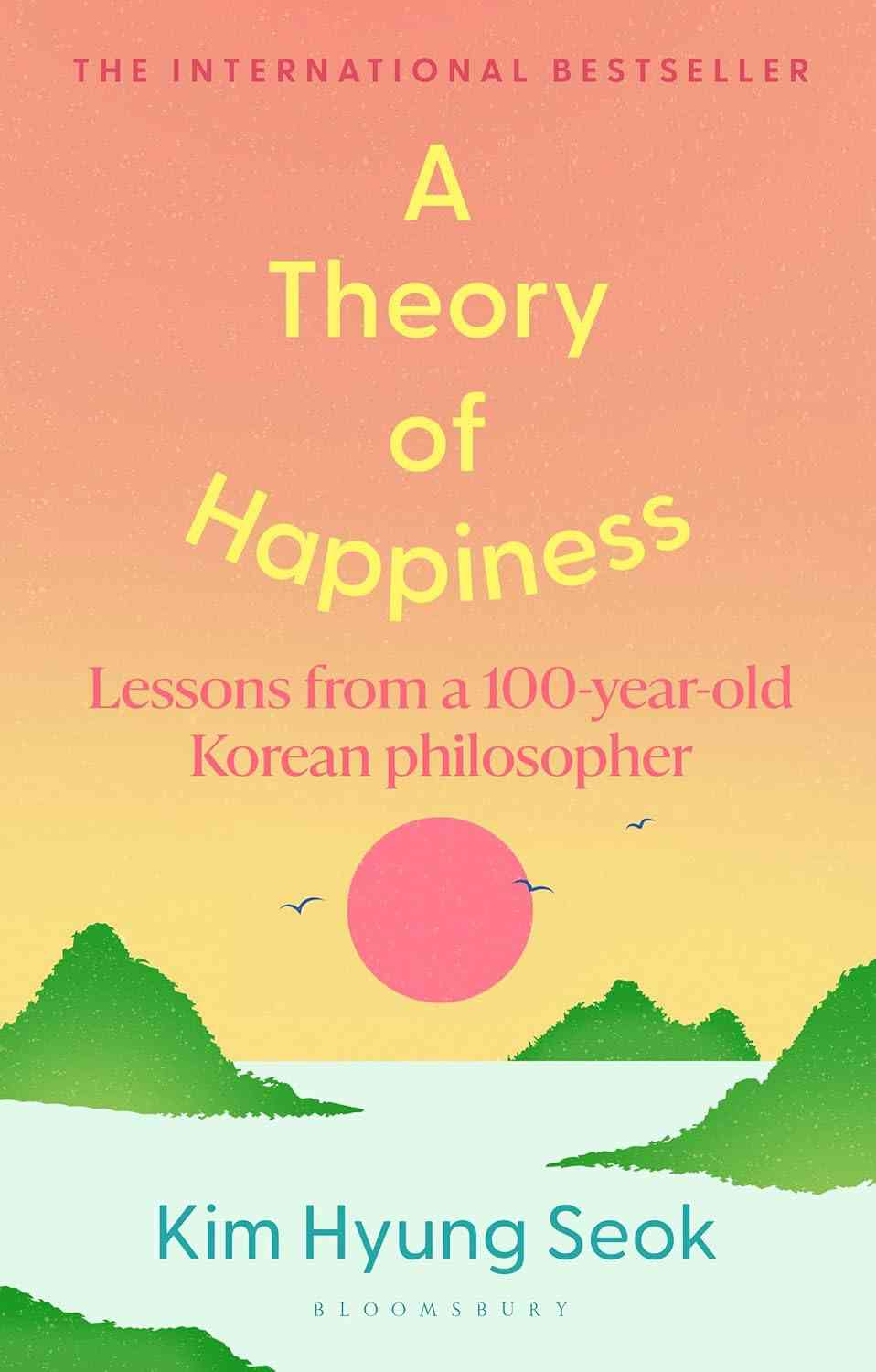
Excerpted with permission from A Theory of Happiness: Lessons from a 100-year-old Korean Philosopher, Kim Hyung Seok, Bloomsbury.
