

All information sourced from publishers.
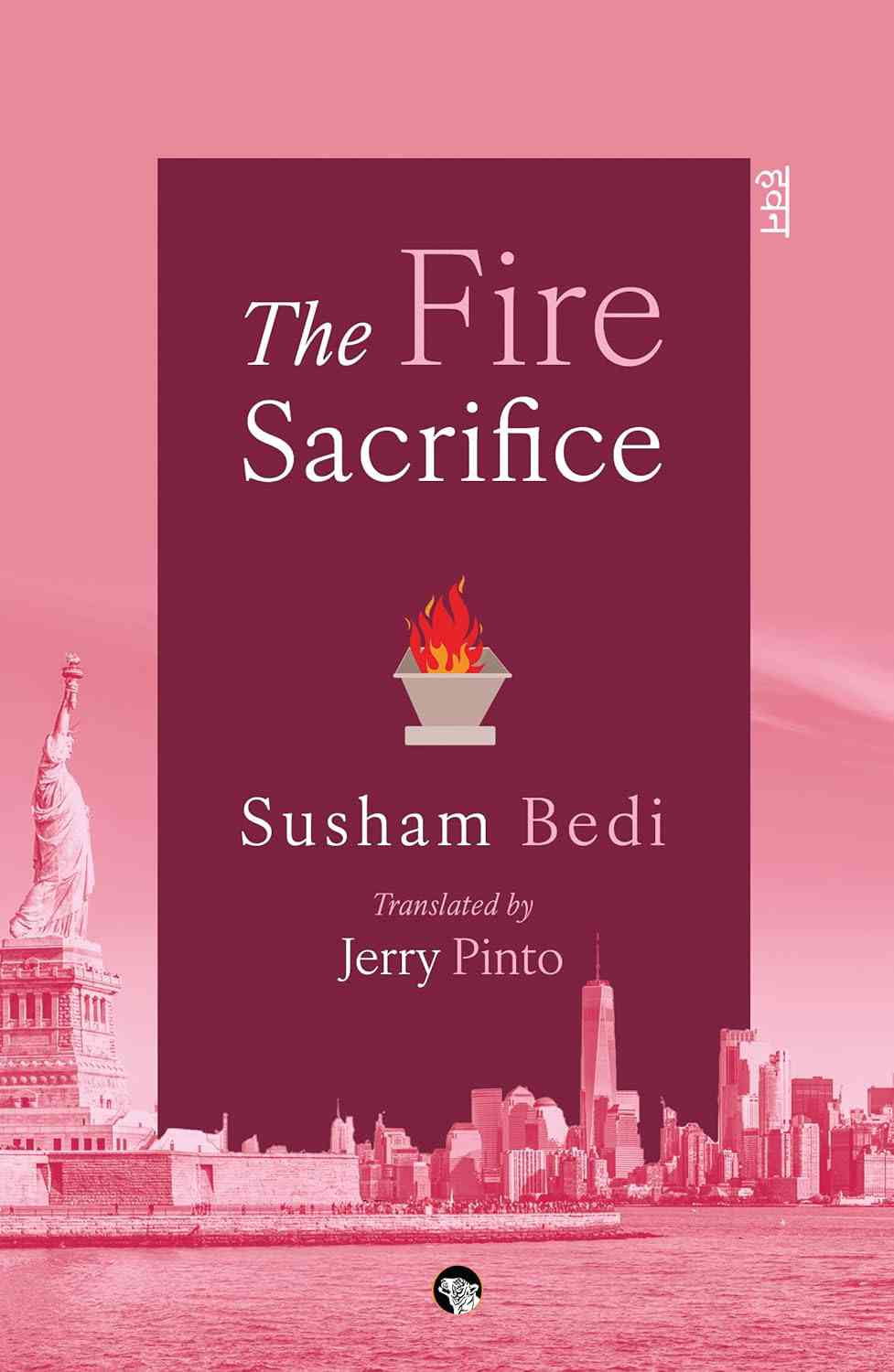
The Fire Sacrifice, Susham Bedi, translated from the Hindi by Jerry Pinto
As the New Year arrives in New York, Guddo prepares a havan – a fire offering – she has put off for a decade, too busy surviving to risk smoke alarms, neighbours, and memory. As family crowds into her apartment, the mantras she recites begin to loosen the past: a widow remade into an immigrant; a proud life of “respectability” traded for the humiliations of subway platforms, night shifts, cramped rooms, and the unspoken accounting that governs even sisterhood.
Guddo came to America for her children’s future. What she finds instead is the slow, bruising cost of arrival: the erosion of old certainties, the sharp bargains of work and citizenship, and a generation growing up between languages and loyalties – hungry for freedom, status, and speed. In the city’s relentless churn, love can turn transactional, care can become leverage, and danger can flash, sudden and intimate, in the spaces meant to be ordinary.
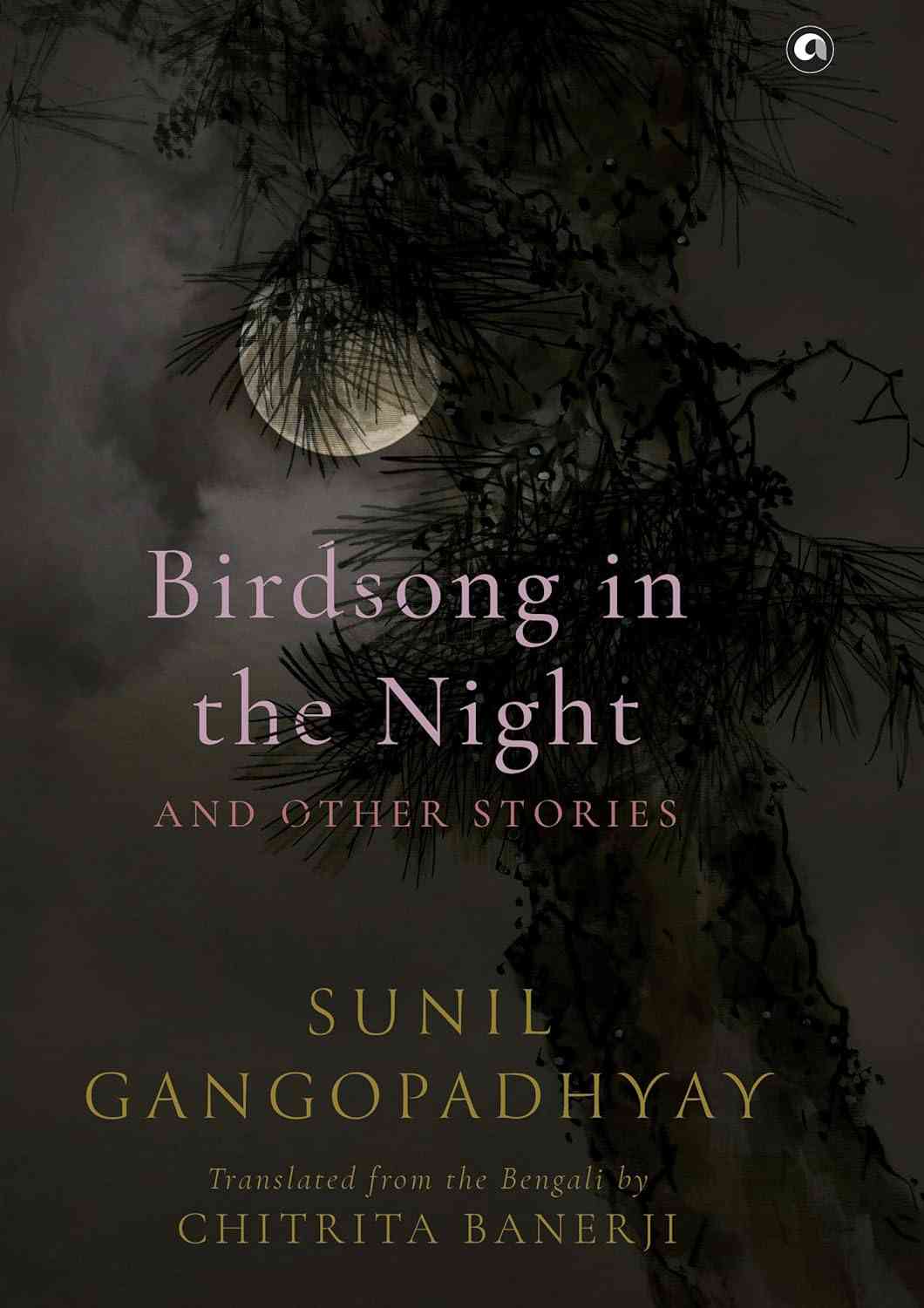
Birdsong in the Night and Other Stories, Sunil Gangopadhyay, translated from the Bengali by Chitrita Banerji
Birdsong in the Night and Other Stories is a collection of stories by Sunil Gangopadhyay – one of Bengal’s most celebrated modern writers – where he captures a society in flux with rare subtlety and emotional depth. Set across the streets, offices, forests, and forgotten margins of 1970s Bengal, these stories explore human desire, vulnerability, disillusionment, and resilience with an unsparing yet compassionate eye.
In the eponymous story, young Bachkun, haunted by a horrific memory, is awakened in the dead of night by mysterious birdsong; she then drifts into a profound meditation on sorrow, trauma, resilience, and the miracle of beauty arriving when least expected. In “The Drought”, we meet a journalist who is grappling with moral fatigue in a drought-stricken land. “Three Men” is about a young man whose rebellion at work reveals the impossibility of human dignity within a corrupt system. As her husband’s secrets and silences close in around her, Manisha clings to a vision of Tehran – an imagined freedom just out of reach in “Dreaming of Tehran”.
In each of these stories, Gangopadhyay oscillates from the stark realities of drought and political unrest to the intimate inner worlds of women navigating love, loss, and dignity.
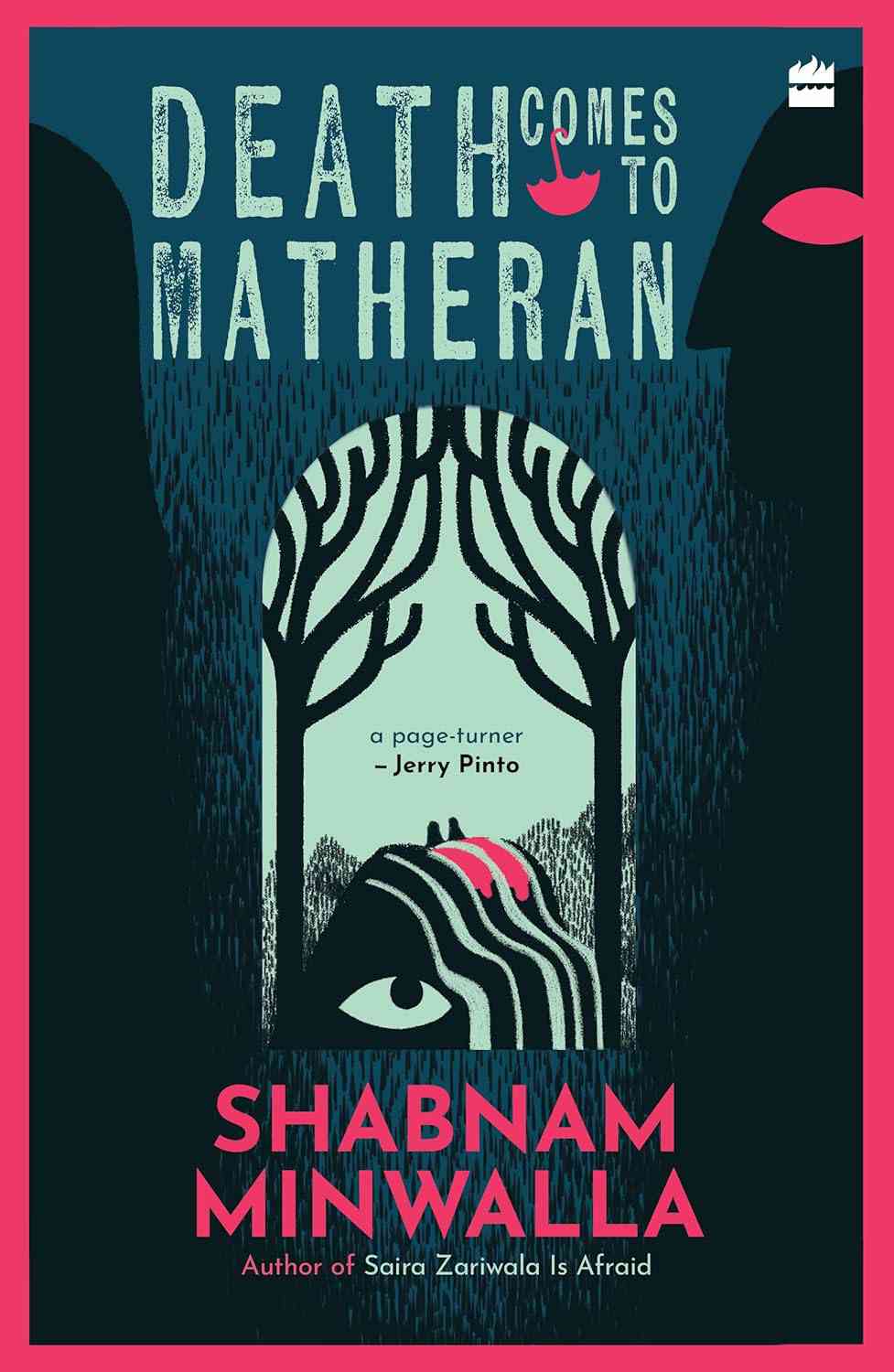
Death Comes to Matheran, Shabnam Minwalla
On a rainy night in 2012, Rakesh Jhaveri fell to his death from a slippery hillside in Matheran. Despite the many loose ends, the police closed the case as a tragic accident.
Eleven years later, Tara Jhaveri is furious – at her father for dying so unnecessarily, at her mother for suffering from partial amnesia, and at her childhood friends for shutting her out.
But when her mother’s unreliable memory flickers to life, Tara finds herself investigating what really happened in Matheran. Helping her is a mysterious ally who has been quietly recording the recollections of the other people in Matheran that fateful night – Rakesh Jhaveri’s closest friends.
With old secrets threatening to surface, Tara must rely on her own wits and sift through a tangle of half-truths and fractured memories to piece together the past – before another tragedy unfolds.
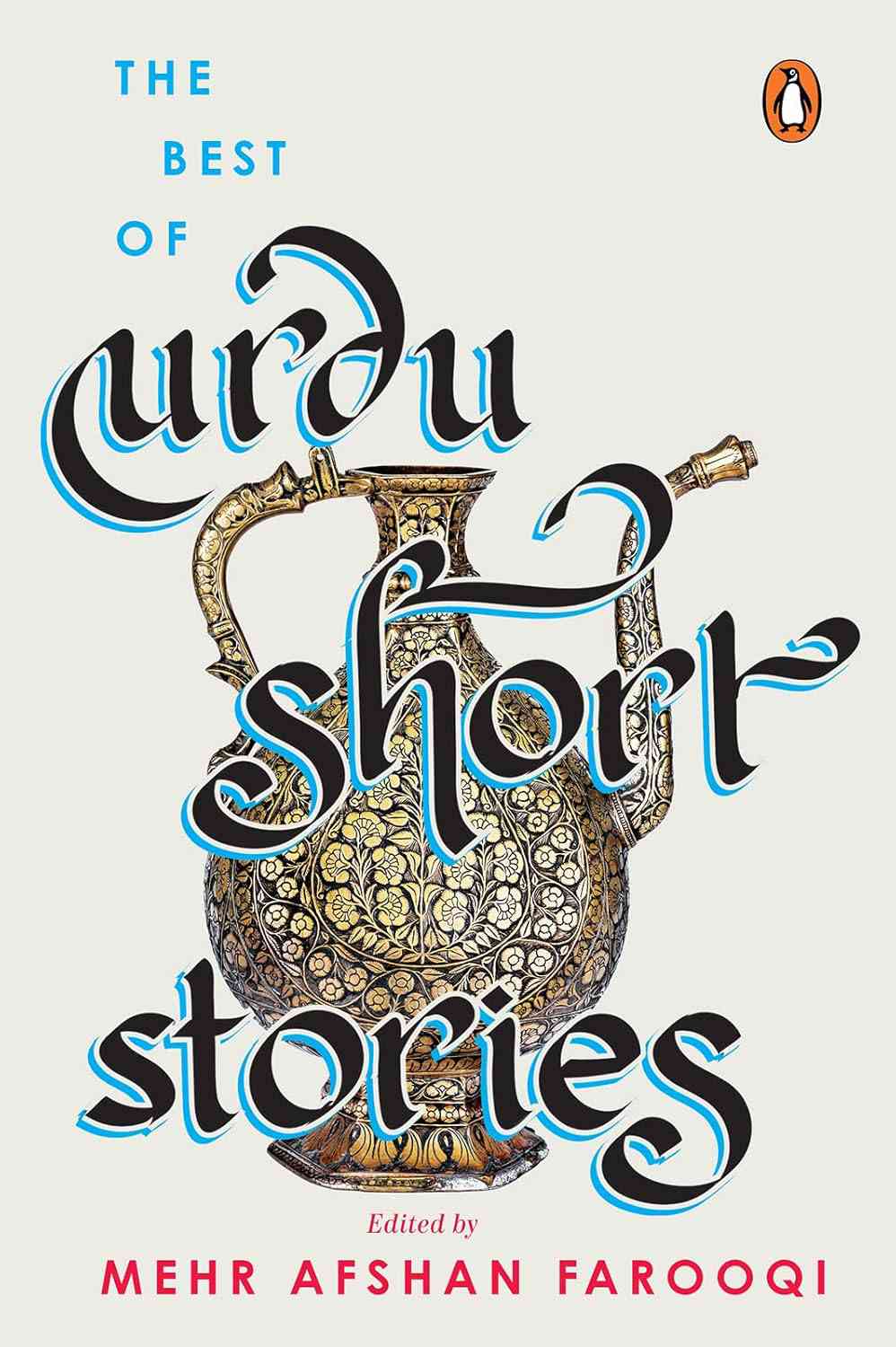
The Best of Urdu Short Stories, edited by Mehr Afshan Farooqi
Urdu Literature has provided a scintillating treasure house of fiction, beginning from the earliest novels like Umrao Jan Ada (1900) to Kai Chand the Sar-e Asman (2006). But it is in the genre of short story that Urdu literature truly shines with a galaxy of writers and rich narratives. In this rigorously curated and distinctive anthology, we bring to lovers of Urdu literature the best of writers such as Premchand, Ismat Chughtai, Manto, Rajinder Singh Bedi, Intizar Husain, Hajra Masroor to Khalid Jawed and Ali Akbar Natiq.
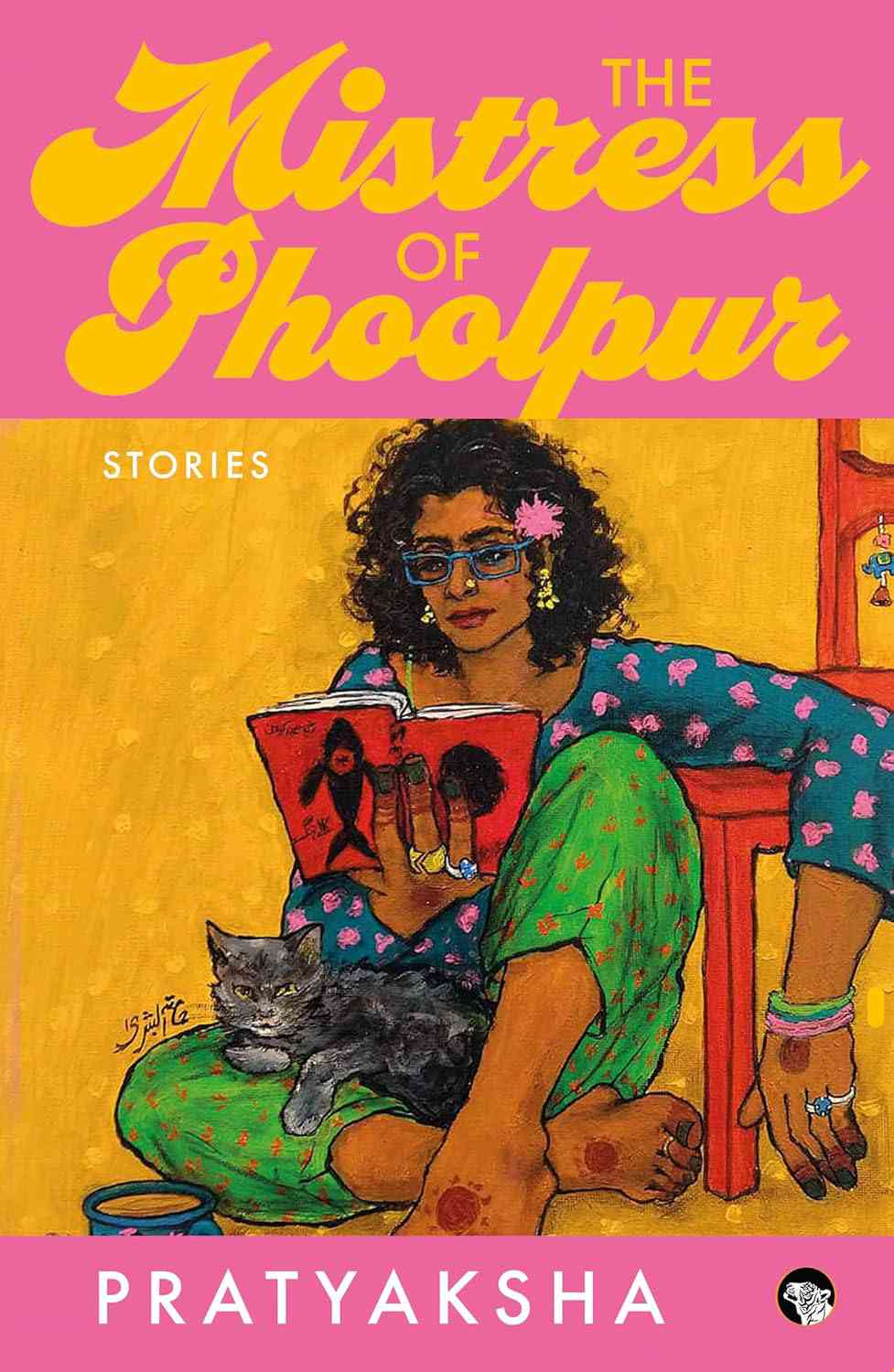
The Mistress of Phoolpur, Pratyaksha
In these stories, Pratyaksha turns her gaze towards the intimate theatres of everyday life – villages and small towns, inner courtyards and closed rooms, bodies marked by longing, shame, faith, and hunger. Desire moves quietly through these pages: furtive, unruly, sometimes tender, sometimes unsettling. It slips into kitchens heavy with spice, into marriages and friendships, into childhood memories that refuse to stay buried.
Women and men in these stories live at the edge of permission – watching, waiting, wanting. A fragrance becomes obsession; a glance becomes a wound; a single touch alters the moral weather of a household. Pratyaksha writes with an unflinching attentiveness to the textures of the body and the contradictions of intimacy: pleasure and revulsion, devotion and betrayal, innocence and knowingness coexisting in the same breath.
The Mistress of Phoolpur maps the fault lines between restraint and transgression, solitude and belonging.
The Bucket, Arnab Ray
One a Bollywood superstar. One a professor of physics in California. One is about to become a government minister. One is dying of cancer.
Thirty years ago, they were boys. Best friends.
Then Pramila was found dead, drowned in a bucket.
The police arrested a man. He died in jail.
Now, a documentary is asking questions about that night, questions the four men thought had been buried forever.
For water remembers.
And so does murder.