





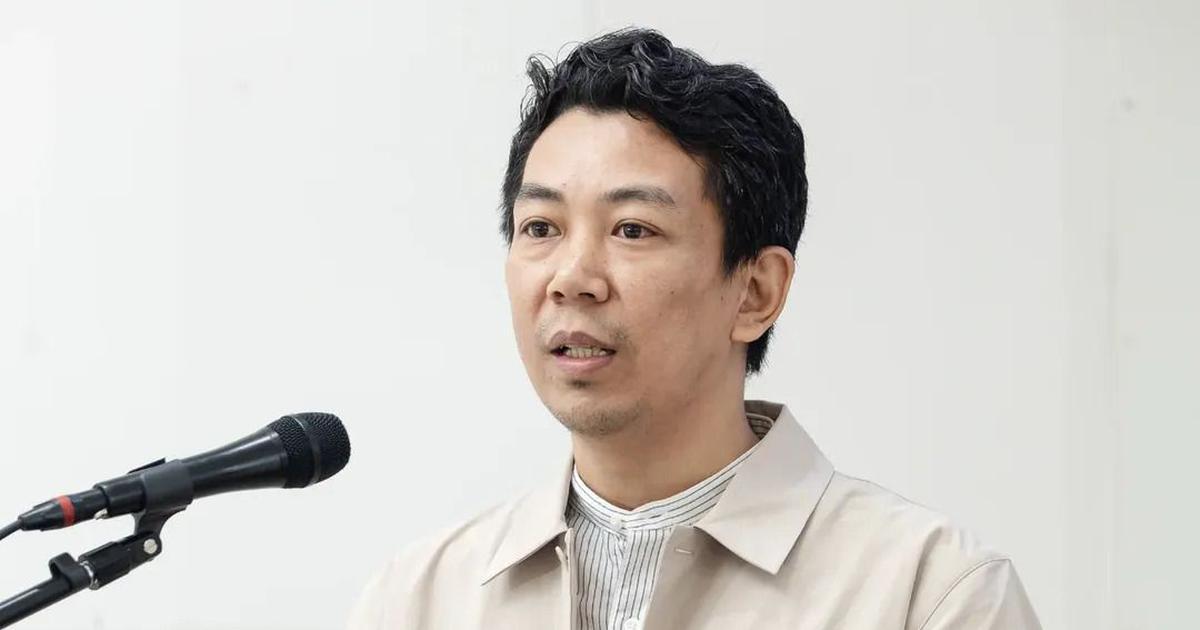
“The mist rising from the river cast a blanket over the valley in the morning. The grass drooped low with dew. Time here was static and yet fleeting. The colours, the light, the mist changed every so often. Each moment, as magical as only time could weave. Time existed only as day and night, there were no hours or minutes.” writes Jim Wungramyao Kasom. This echoes across the 12 stories of The Last Free Naga, where he does something very simple. He tells us stories about people, places, land, jungle, and rivers. Simple, yes, but far from ordinary. The simplicity is deceptive. Kasom resists the usual push of romanticising his experience and stories and preserves and protects them with urgency, and in tune with their elemental rhythms.
Knowing the land and its people
The stories are rooted in the Naga homeland, protected and defined by its remoteness. It isn't a book you rush through; the stories make you sit with them even after they are over. There is an ease in the stories that only comes from someone who knows their land and people intimately, in all its beauty, harshness and details. In the titular story, a young boy is back home after finishing his matriculation exam. What could have been a familiar coming-of-age moment becomes something that sets the tone for what awaits him in the vast unknown beyond his own world. He realises and is forced to live through the reality where even though they were in hundreds of miles of forest-covered land, they still weren’t safe – “It was a small village far from civilisation and war. But war and death made their way.”
In “Salt”, one man finds himself confronted by the violence of the state after returning to his village. He wants to exist, accepting the fact that he and many others are living “at the crossroads of life and death, chaos and corruption”, but soon realises that “life in Imphal is as cheap as the goods that come from Moreh, the Indo-Myanmar border town. It’s as if all lives being manufactured here come with a finite warranty.” As the stories unfold, Kasom shows us how power and violence here is not abstract—it enters without warning, interrupts, and leaves lasting damage in its wake.
You can’t argue with them. You can’t put sense into their closed minds, animated by the catalysts of pride, greed and power. You can’t expect them to be reasonable.
There is no intention of sensationalising the suffering in these stories; it’s precise. The prose makes sure we see the land itself as a character, equally suffering. The hills, the rivers, and the forests offer refuge, but they also demand endurance. Even in deep isolation, the people accept the hardship as part of themselves and, in turn, foster reflection and endurance.
“Good Samaritan on a Rainy Day” and “Malice as Old as the Land” echo the question asked by many and all living here, “Where did they belong if they could not roam freely in their homeland?” These stories stay with us because they are packed with smells, sounds, and memories. These stories tell us that, for many, leaving or staying isn’t just about education or opportunity; it’s about what they leave behind, what they carry within themselves, and what others in the outside world believe they represent. The tension between staying and leaving, between holding on and moving forward, never ends.
The community
The characters at these thresholds of childhood and adulthood, tradition and change, safety and risk – their internal negotiations are dealt with care, the hesitation, silence, and second thoughts, especially where one’s identity is under construction, is where Kasom’s prose shines brilliantly. For many who grow up in small towns, there’s a familiar sentiment in the words of the story “Postcards”: “I wanted to write about my little hometown, unknown to the world and despised by those who grew up in it.”, Here, however, it becomes much deeper, more tender telling of young love, heartbreak, shaped by the harsh realities of life in these parts.
In “Season of Cicadas”, “The River that Bends Time”, “Snow” and “What is Heaven Baking Today”, the stories drift into this dreamlike state of folklore, fears, and encounters that blur the boundaries between the imagined and remembered, memories drape over the lives like fishing nets over rivers, looping back on themselves. With relationships, The Last Free Naga does something remarkable – fathers, mothers, grandmothers, uncles emerge as anchors of endurance and quiet authority. The community feels like a river itself, folding, overflowing, tugging and reshaping as they continue their journey. One wonders why they feel so real, maybe because they are not simply turned into symbols, they are allowed to be incomplete, unresolved but living on in habits, images, and passing down of stories and silences alike.
There are no fast plots in these stories. They don’t require it. Life in Imphal and Ukhrul in the 1990s was brutal, and The Last Free Naga meets the honesty that telling stories from that time demands with remarkable success.
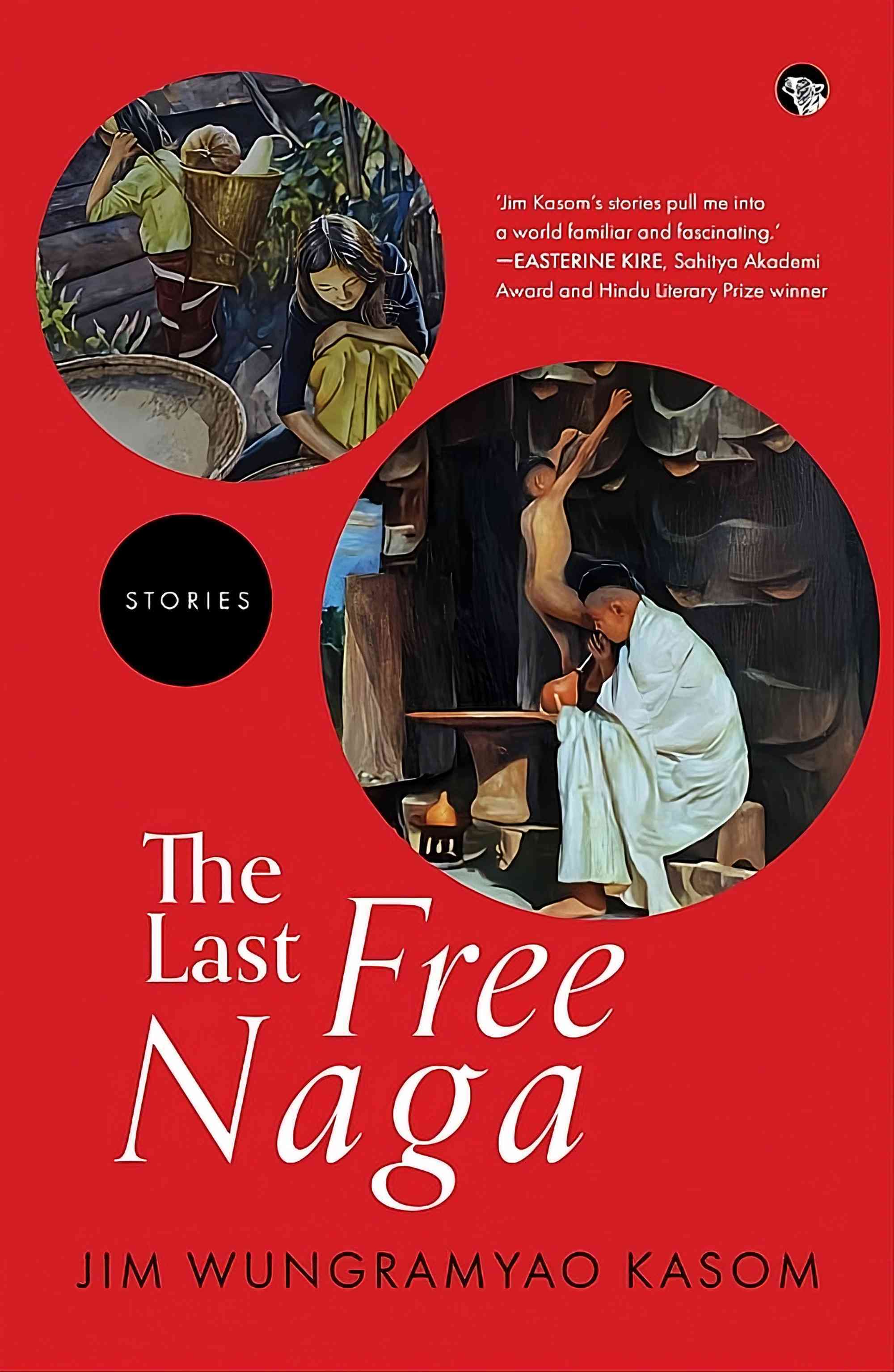
The Last Free Naga: Stories, Jim Wungramyao Kasom, Speaking Tiger Books.
