


The Four Noble Truths
Daya Dissanayake
When he saw the
Suffering
And the Pain around him
Prince Siddhartha could leave
Everything behind
Even his family
To seek a way to end such suffering
For all beings,
Because he left his wealth behind.
Today
When we see the suffering
Pain Inequality
And exploitation around us we can leave
Our families
Our jobs
Our business
Only to find our own salvation
Leaving behind our loved ones
To continue their suffering
Because we have nothing to leave for them.
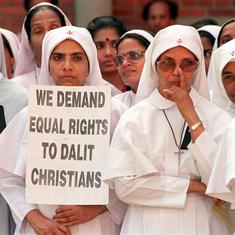
The Latex
Gautam Vegda
I would have shed
My skin like a serpent,
If it could change my caste
Like that,
But it’s so imbibed in all
Like the latex of cactus,
If you peel the skin,
It will emerge,
From the core.
Schlepping or oozing,
Either way is equally
Excruciating and malignant.
Photograph, Atchuvely
Indran Amirthanayagam
I photograph ruins and share the snaps with my cousins –
of Papa’s house by Saint Joseph’s Church in Atchuvely,
foundation stones and arches of the poet Tambimuttu’s compound
on the main road. I went to Jaffna and the adjoining villages
for this, and to see the red earth again where bombs rained
from fighter jets and helicopter gunships, to finger indentations
in walls from not so errant shells, holes in roofs not yet repaired,
like broken palmyra at Pappa’s home, abandoned, full of leaves,
a well whose water has not been drawn in twenty years – I cannot
say exactly how many have passed since Tigers left the property
to soldiers who scrawled telephone numbers on the walls. Kilroy
was indeed here, the house a shell, standing still.
This Self
Kamalakar Bhat
The sky screams under the weight of a world of secrets
The earthquakes under the limitless lust
The sun hides having stumbled at the borders of darkness
The bursting noise of this self
The bouncing lust of this self
The burning temper of this self
Its darkness as if the world itself has overturned
Its hunger as if the sky itself has opened its mouth
It’s blindness as if light itself is spellbound
The pestering pain of this self
The torturous temper of this self
The crouching cruelty of this self
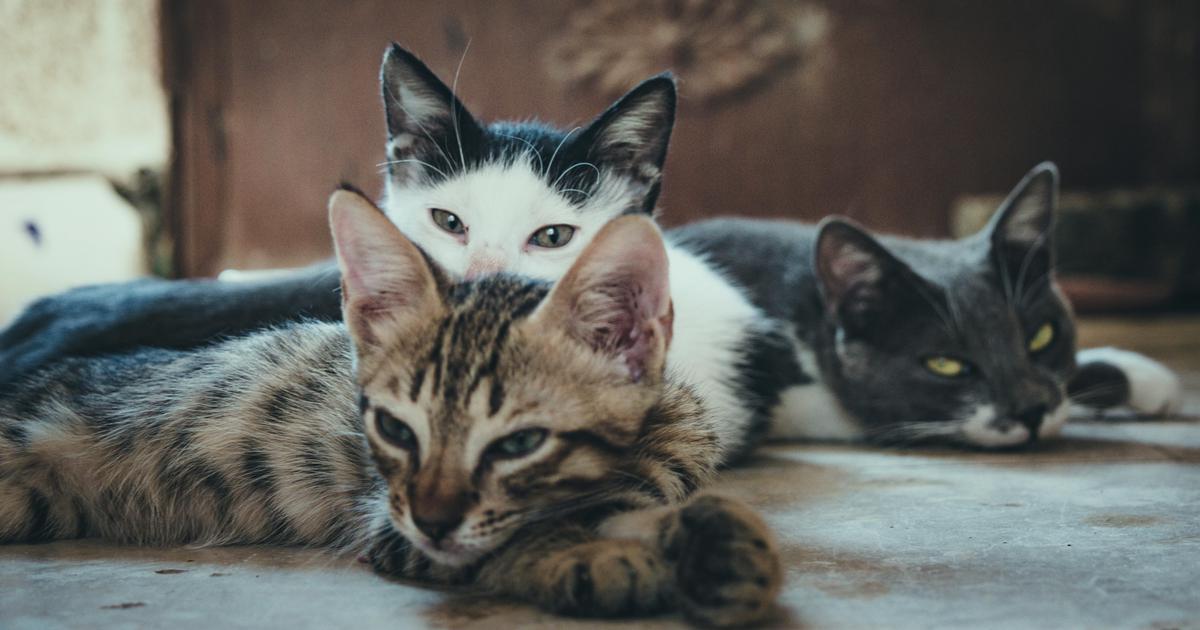
The lady, not the cats
Nipuni Ranaweera
My mother I remember primly
referring to her as
“my sister, the unmarried one”
and she wasn’t getting over her
living ringless, annexed above
some lady who kept cats
who seemed to saunter around, tails
switching in subdued rage.
(the cats, not the lady)
we loved the tiny flat
for things in neat piles
for the very quiet we’d robbed
out of our parents’ home
and the meditative way
in which she plaited her hair for work
or sew dreamily a matching jacket
for the saree she’d bought.
“Of course she can afford to be neat”
I recall another aunt saying darkly
for me her tiny balcony
seemed to roll over to the horizon
plants trailing their tresses like
Rapunzel over the rail
her pile of women’s magazines,
a treasure trove
and I luxuriated in the presence
of such bounty, a luscious
entry to the kind of adulthood
I could picture myself easing into
except that –
the hissing from downstairs
(it was the cats, not the lady)
was said to give me the creeps.
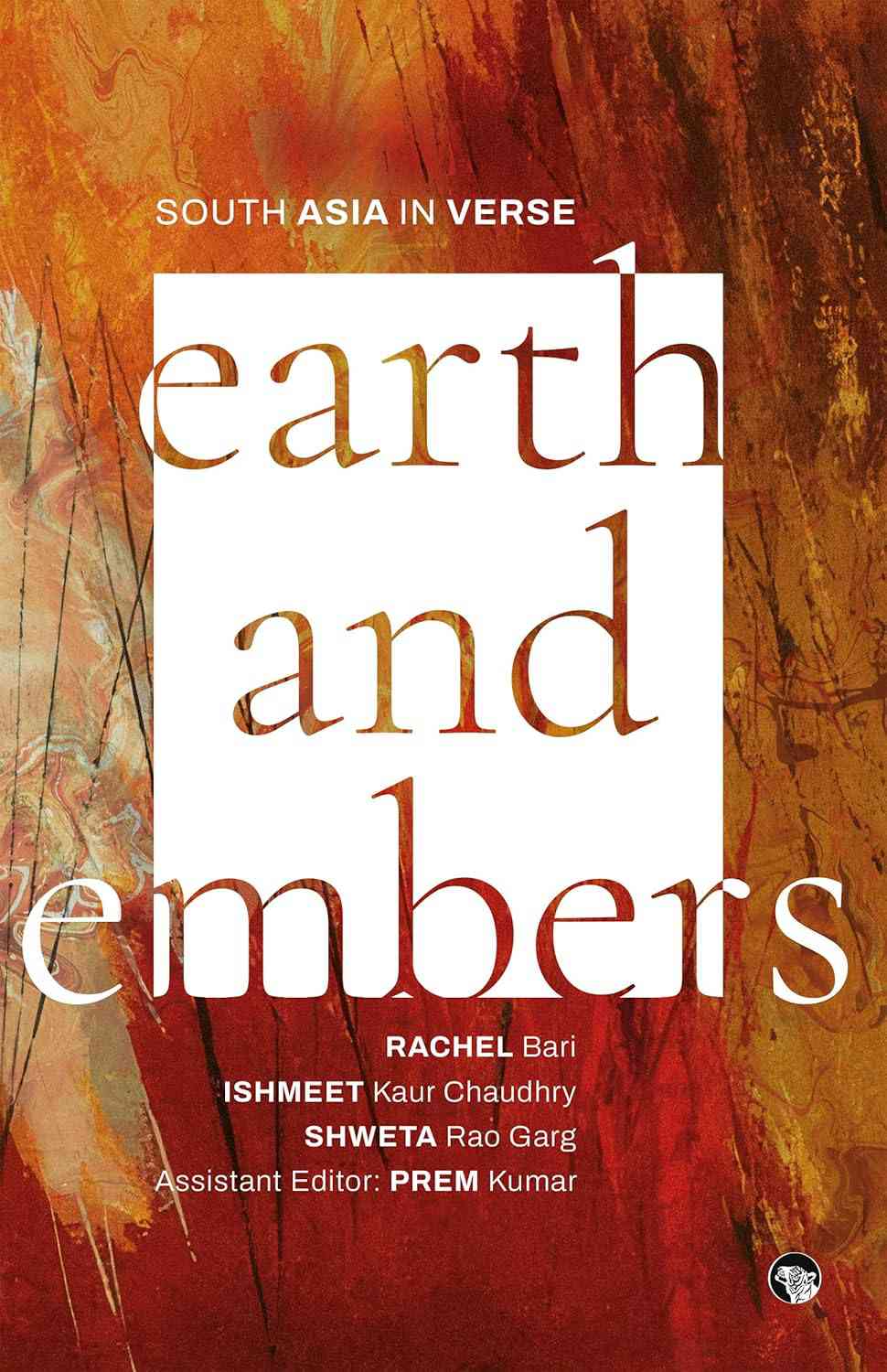
Excerpted with permission from Earth and Embers: South Asia in Verse, edited by Rachel Bari, Ishmeet Kaur Chaudhry, Shweta Rao Garg, and Prem Kumar, Speaking Tiger Books.
