




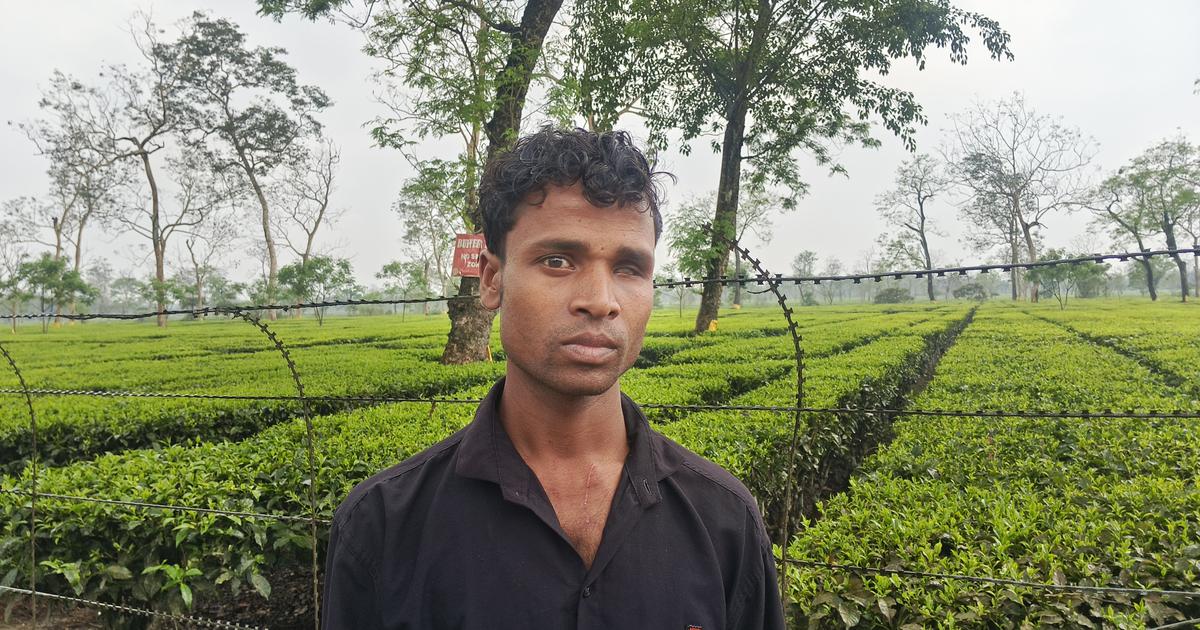
Dharmashwer Gogoi, a 70-year-old resident of Assam’s Jorhat district, reels off reasons to be disgruntled with the state government.
Not one woman in his family has been enrolled into the Bharatiya Janata Party government’s flagship Orunodoi scheme, which promises a monthly cash transfer of Rs 1,250 to lakhs of women in the state. Nor has he got a house under the central government’s Pradhan Mantri Awas Yojana. Then, there are the monthly expenses on buying drinking water because of a sharp drop in the water table in the village.
Gogoi said he was also disappointed that the Himanta Biswa Sarma government did not keep its promise of increasing the monthly pension for senior citizens. “It is difficult to survive with Rs 250 a month,” he said. “I am an old person and my health does not allow me to work anymore.”
But the elderly farmer, who was once a Congress voter, admits that the BJP government has benefitedhim on one count. Under the state’s land regularisation scheme, Gogoi was given ownership rights over 2.5 katha of his total 3 katha land. One katha equals 0.031 acre of land.
Gogoi added: “Like me, others did not get titles for their entire land. But we are hopeful we will get it in the next term.”
The Sarma government’s large network of cash benefits has reached a large chunk of residents of Nutunmati, from a Rs 1.5 lakh grant to the village prayer hall or namghar to a one-time assistance of Rs 2 lakh for 10 young entrepreneurs to the regular payouts to women. In March, the BJP government disbursed Rs 9,000 to each of the 40 lakh Orunodoi beneficiaries – this included a Rs 4,000 annual Bihu bonus, besides the payments from January to April.
For many voters in this village in Mariani constituency, the decision of whom to vote in the Assembly election might depend on the calculation of benefits received or not.
Gogoi’s neighbour, Biswaswar Gogoi, put it candidly. “People will vote for the BJP as Himanta Biswa Sarma holds out the temptation that he will provide more benefits and cash if he comes to power,” the 61-year-old farmer said. “Those who have been left out in the last term are unhappy but they are hoping their turn will come in this term.”
As Scroll travelled across five constituencies in Upper Assam, the BJP’s welfare schemes dominated conversations with voters, interspersed by rumblings of discontent about the rise in prices and lack of jobs. Strikingly, unlike in Central or Lower Assam, the chief minister’s polarising rhetoric against Bengal-origin Muslims appeared to have fewer takers.
The anti-incumbency has opened up opportunities for the Congress-led Opposition alliance, whose leaders are fairly popular in the region. “The Congress-led alliance seems to be posing a stronger challenge to the BJP in Upper Assam this time,” Chandan Kumar Sharma, who teaches sociology at Tezpur University, told Scroll.
But the parties’ weak organisational presence could prove to be a stumbling block, voters and party workers told Scroll.
The region sends 35 legislators to the Assembly. In the 2021 Assembly poll, the National Democratic Alliance led by the BJP won 29 of those seats.
The 3G challenge
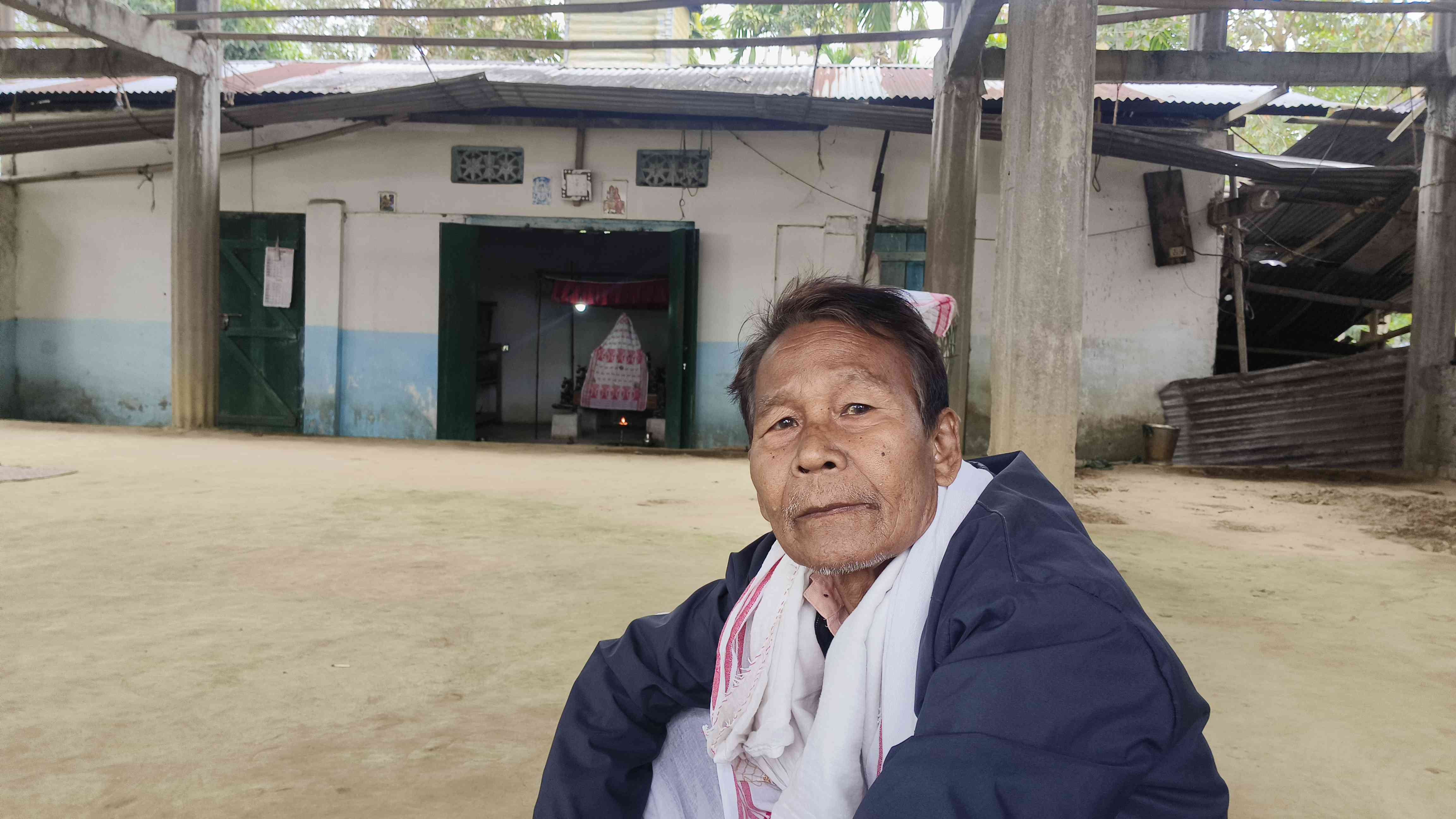
The challenge to the BJP is being fronted by the “three Gogois” – Gaurav Gogoi of the Congress, Akhil Gogoi of Raijor Dal and former students’ leader Lurunjyoti Gogoi of the Assam Jatiya Parishad.
The Raijor Dal and the Assam Jatiya Parishad, among the last to join the six-party alliance, were born out of protests against the Citizenship Amendment Act in 2019.
Gaurav Gogoi, the Assam Congress chief and Lok Sabha MP, told Scroll: “All three of us are united for a nutun bor Axom (a new greater Assam) and against the politics of Himanta Biswa Sarma who stands for personal wealth, greed and power.”
Three Ahom leaders fighting together has resonance in a region where the Ahom community is dominant, even among voters who think that the BJP is headed for a win. “Even if they can't form the government, they can raise our issues in the Assembly,” said Bijay Kakati, a 48-year-old resident of Mautgaon village in Sivasagar district. “They can act as a check on the government, which won’t be able to take unilateral, anti-people steps.”
‘We don’t like Hindu-Muslim politics’
Several voters were uncomfortable with Himanta Sarma’s allegations about Gaurav Gogoi’s “Pakistan links”, his communal politics and belligerent behavior as head of the state.
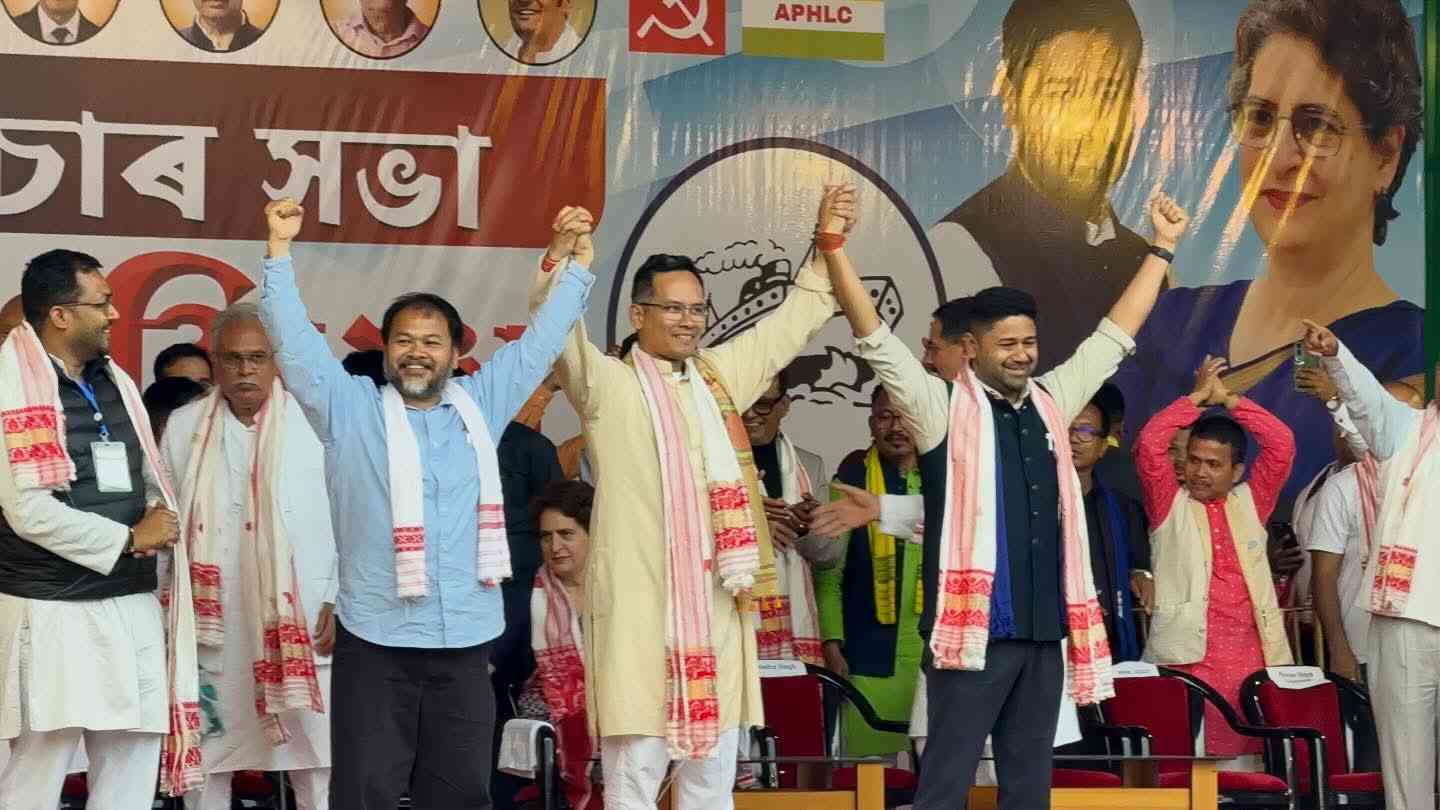
“Mukhor lekam nai,” said Ridib Bora, a 26-old taxi driver in the Teok assembly seat. “He has no control over his tongue. He says whatever comes to his mind. It makes people angry.”
Bora, who voted for the BJP-led alliance in the last elections, is unwilling to give it another chance even though he admitted that the government built roads and brought development. “But where are the jobs?” he asked. “Even after graduating from college, we get a salary of Rs 10,000-Rs 15,000. Our expenditure is more than our income.”
Debajit Bora, a 26-year-old businessman from Bilimusa Changmai village in Sivasagar district, said the constant Hindu-Muslims politics will affect the ruling party.
“People in Sivasagar don't like Hindu-Muslim politics,” Bora said. “I do business with Muslim people. Inter-faith relations have thrived here for centuries.”
Sivasagar, once the seat of the Ahom kingdom, is also home to Assamese Muslims, many of whom settled in the region in the 16th century.
Bora added: “This kind of hate politics has hampered our businesses and causes anxiety.”
Voters also brought up the “disproportionate increase in wealth and properties” of the chief minister’s family, echoing the Opposition campaign against Sarma. (Four days ahead of the election, the Congress doubled down on its allegations, accusing Sarma’s wife of possessing three passports and owning property in the United Arab Emirates and the United States.)
“His family now own tea gardens, resorts and land,” said Bijay Kakati, a voter in Teok assembly constituency. “But he has sold Assam properties to companies run by outsiders.”
The wide popularity of the cash transfers was offset by worries about the rising prices. “The price of oil, dal and rice has shot up drastically,” said Bharat Dutta, a 53-old-farmer of New Sonowal village in Jorhat. “As women get benefits, there is an illusion that this government is doing good work. But we spend double that money because of inflation. Compare the prices when the Congress was in power and now.”
Others questioned the development claims of the BJP. “How many industries have been opened? Instead, our land has been given away to outsiders and tea gardens are being sold,” Pradyot Bora, a resident of Bilimusa Changmai village in Sivasagar district, said.
Debajit Bora, the businessman from Sivasagar, said the cash transfers were meant to “buy votes”. “But many will not be tempted.”
On the ground
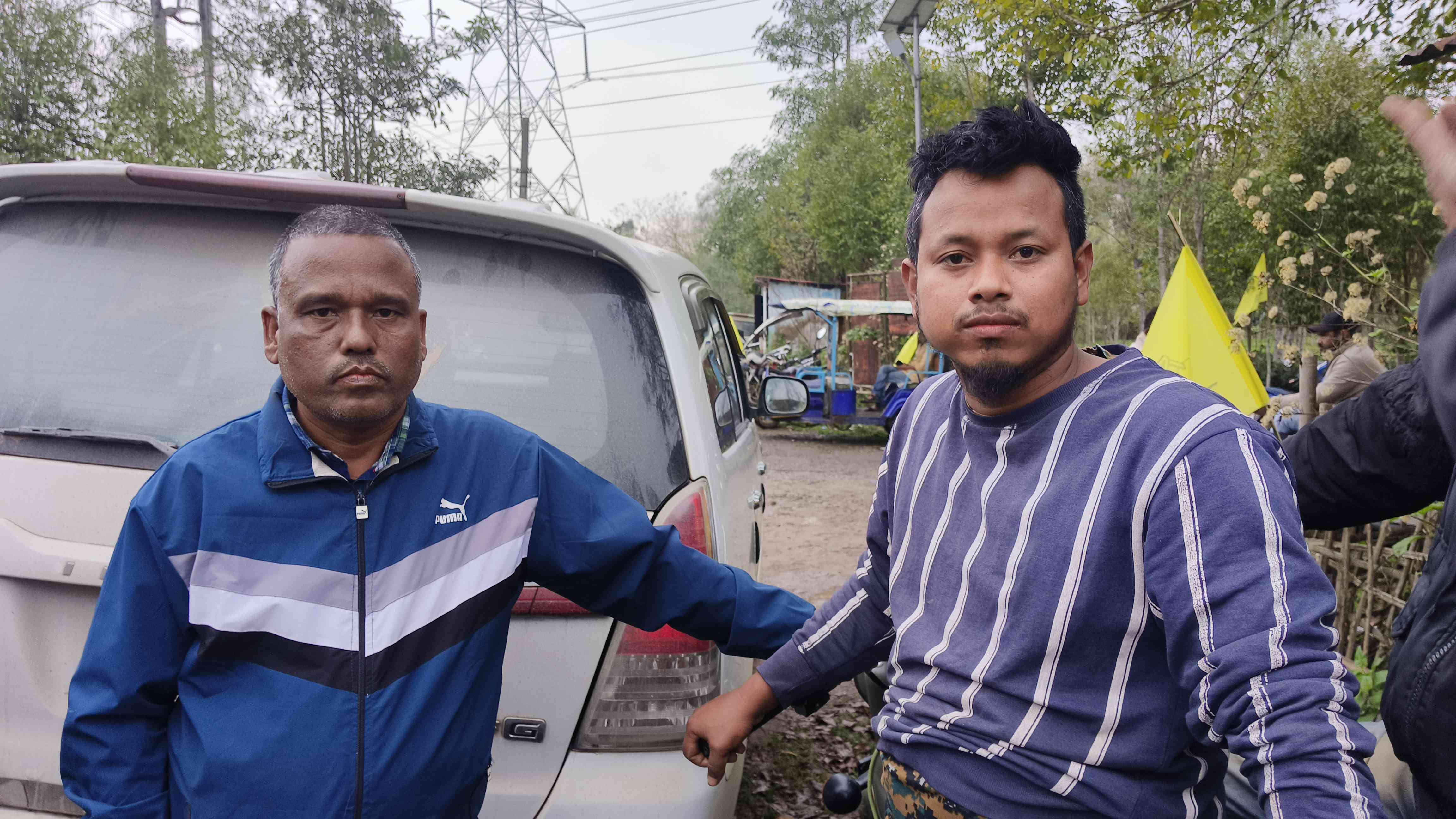
Congress leaders claimed that the unhappiness with the ruling party will lead to close contests in several seats in Upper Assam. “Our campaign over the last few weeks shows there is high anti-incumbency against BJP MLAs over local issues,” Gaurav Gogoi said.
However, the Congress has been hamstrung by exits of high-profile leaders like former Assam Congress president Bhupen Bora and sitting Lok Sabha MP Pradyut Bordoloi to the BJP.
A Congress spokesperson from Upper Assam said though Congress has managed to put up a fight in Sivasagar and Jorhat districts, their organisational strength is still not strong in Dibrugarh and Tinsukia.
The delay in stitching together an alliance has also chipped away at its gains.
In Mariani, for instance, the Congress has decided to make way for the Raijor Dal, even though the seat is one of its traditional strongholds.
The Raijor Dal has pitted a former college teacher and anti-CAA activist, Gyanashree Bora, against Rupjyoti Kurmi, the five-time MLA.
Kurmi, one of the few Congress leaders from the tea tribe community, won the seat in the last election but soon switched to the BJP, dealing a big blow to the party in the region.
A senior leader of the Raijor Dal told Scroll that the Mariani seat has become a contest between Assamese-speaking people and the tea tribe community. “Politics in Upper Assam is always based on ethnicity,” he said.
But Raijor Dal’s weak organisation is a hurdle, party leaders admitted, as is the fear that the alliance took too long to come together.
“Though there is a huge anti-incumbency in a number of seats, we are not in the driver’s seat because of the lack of organisation and weak management,” another Raijor Dal leader said. “We are banking on Congress workers in many seats like Mariani, Margherita and Sissiborgaon. The transfer of votes may be an issue.”
Wooing the tea tribes
Faced with voter unhappiness, the BJP’s moves to cement its support of the tea tribe community may prove to be a deciding factor.
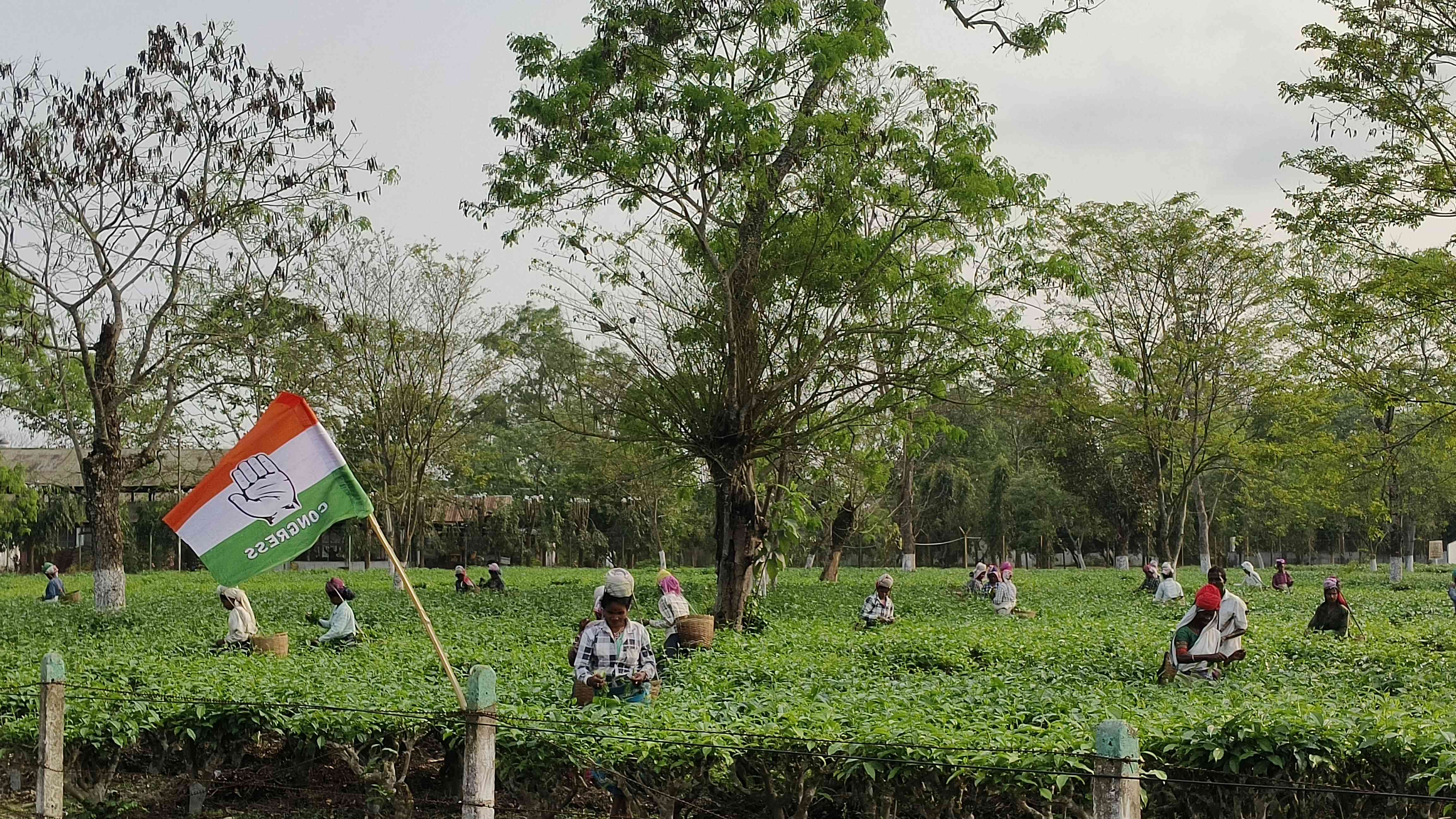
The tea tribes – Adivasis from central India who had been brought by the British on tea plantations for cheap labour – account for over 20 per cent of the electorate in 20 of the 35 seats in Upper Assam. They also have a significant presence in five other seats.
Once known to vote for the Congress, the community’s support shifted to the BJP around 2016.
Ahead of this election, too, the party moved to secure the group’s vote, by increasing the wages of tea workers and distributing land titles.
“The government has increased our wages from Rs 250 to Rs 280 a day,” said Sulandur Nayak, a 31-year-old who lives and works at Tyroon tea estate in Titabor, explaining why he would vote for the BJP.
Madhav Ghatowar, another tea worker in Meleng tea estate in Jorhat, said that apart from his wife getting the Orunodoi grant, the family received a one-time financial aid of Rs 5,000 under a scheme for tea plantation workers.
Nayak added: “The BJP has also given us land.”
Just days ahead of the imposition of a model code of conduct, on March 13, Prime Minister Narendra Modi distributed land titles to tea-garden workers. The BJP manifesto claimed “it has given land pattas to 3.5 lakh garden families,” though it has distributed land deeds to over 28,000 tea workers families so far.
Bimol Ravi Das, a 38-year-old worker of Dholi tea estate in Titabor, was one of those who got a land deed. But he said that not all tea workers will vote for the BJP. “We have got titles for only 50% of our land,” he said. He pointed out that the hike in wages was far less compared to the party’s promise to pay Rs 351 a day to tea plantation workers.
Das added: “We have not given Scheduled Tribe status as well.”
The tea tribes are one of six communities in Assam that had been agitating for a Scheduled Tribe status. In November last year, the government proposed to accommodate the Adivasi tea tribes by creating a new category – ST (valley) – which has not been met with much enthusiasm by the community.
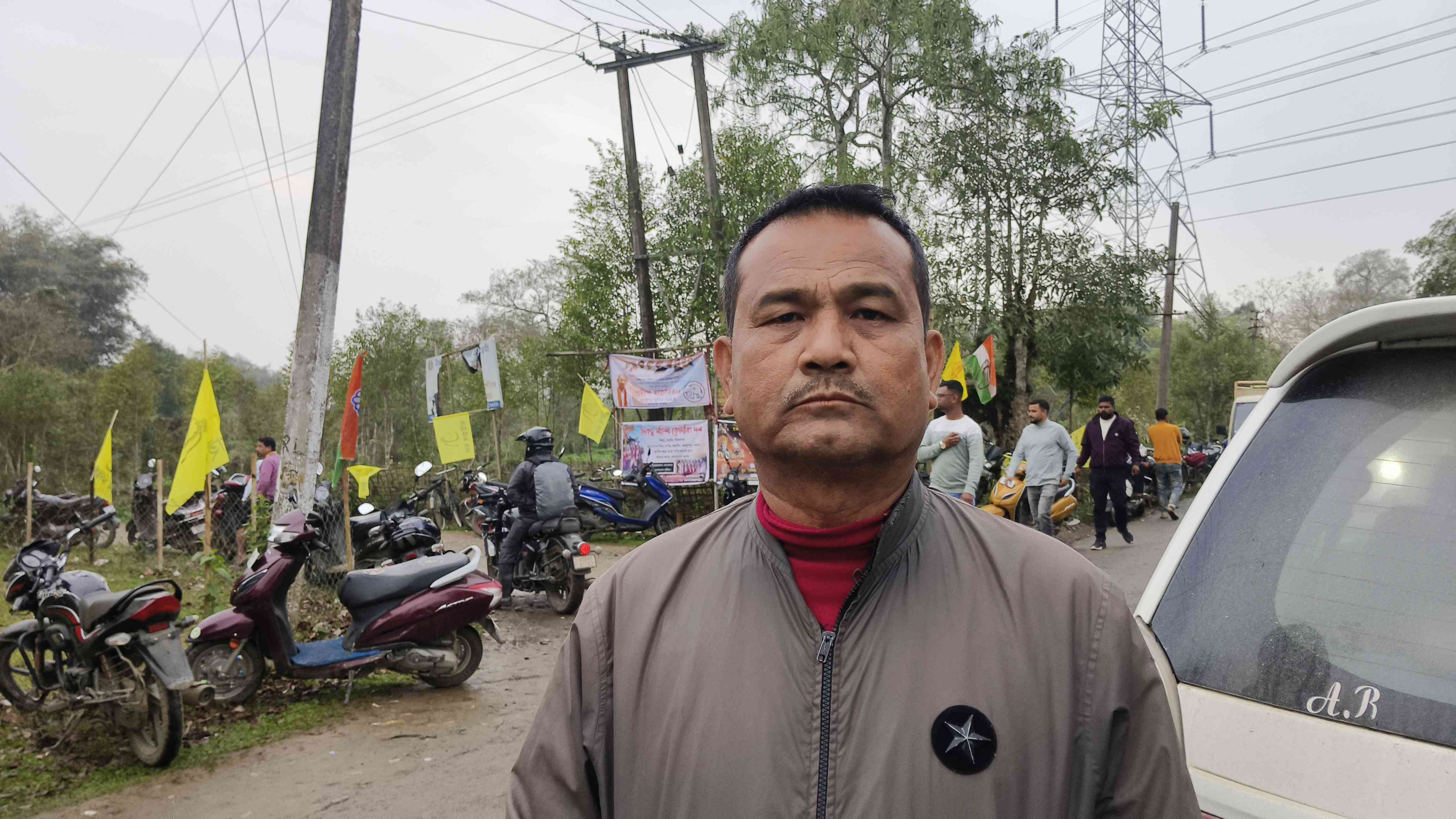
Nevertheless, Horen Goowala, the first college principal from the tea community in the state, said the BJP continues to enjoy mass support in the tea gardens.
“The quota for tea tribes in state government jobs and the land pattas will be the game changer,” Goowala said.
He was referring to the Assam cabinet’s decision in February to reserve 3% of the Class I and Class II government jobs for the “tea tribes” and Adivasi community.
Political scientist Dhruba Pratim Sharma, who teaches in Gauhati University, agreed that the BJP had an advantage when the state goes to poll on April 9. “There is little chance of a significant shift of any of the communities away from the ruling coalition,” he said.
Chandan Sharma, the sociologist from Tezpur University, offered a caveat. He said a section of Ahom voters and those from the tea tribes and other smaller communities, appear to be shifting away from the BJP because of local issues. “But this may not represent a majority within these communities, given the continued impact of development initiatives and the series of beneficiary schemes implemented by the BJP,” he said.
