




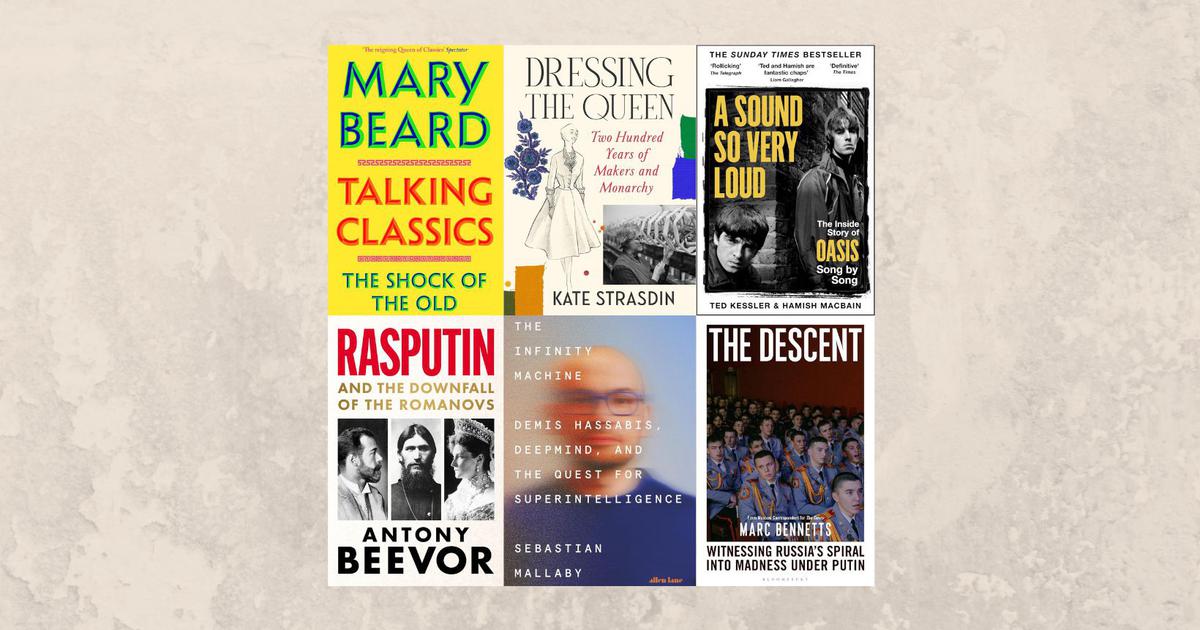
All information sourced from publishers.
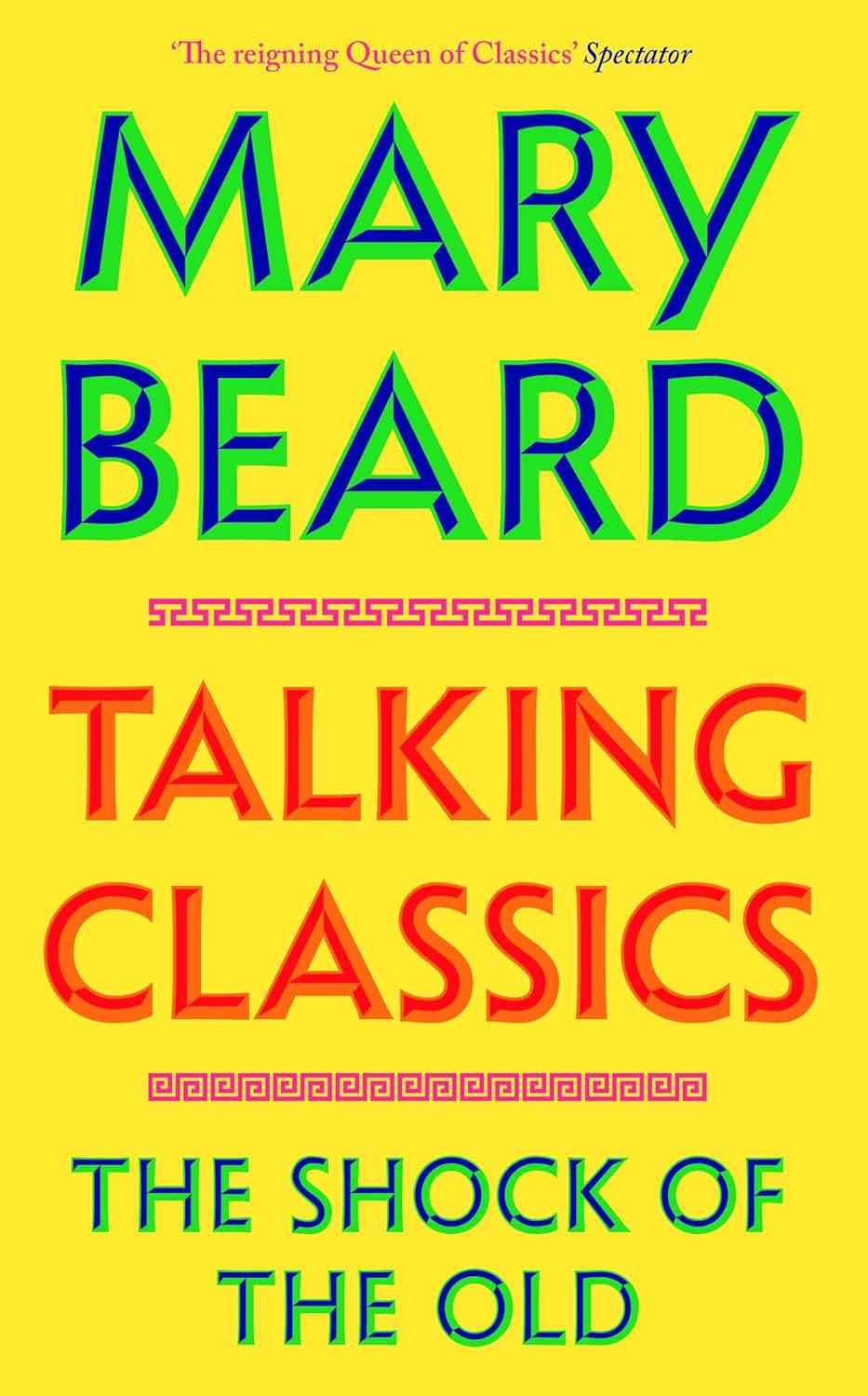
Talking Classics: The Shock of the Old, Mary Beard
What’s exciting about a piece of bread 4,000 years old? Or some pots of paint abandoned in the eruption at Pompeii? Why should we be bothered with the distant past anyway? What’s the point?
The life, art and literature of ancient Greece and Rome have something to offer everyone. They are not the property of wealthy white men only. They make us wonder how to make sense of people who lived long ago (from angry landlords to giggling senators) – and to think harder about our own world, to look at it differently.
In Talking Classics, Mary Beard points to the surprising connections between antiquity and the present. From revolutionaries to dictators, Bob Dylan to Beyoncé, she joins forces with the varied modern characters who have been transfixed by the ancient world. It’s not compulsory, she argues, to be excited by antiquity, but it’s a shame not to be.
After half a century teaching and studying classics, she fills the book with lively stories, curious facts and some good gossip. Talking Classics explains why the deep past really does affect us all.
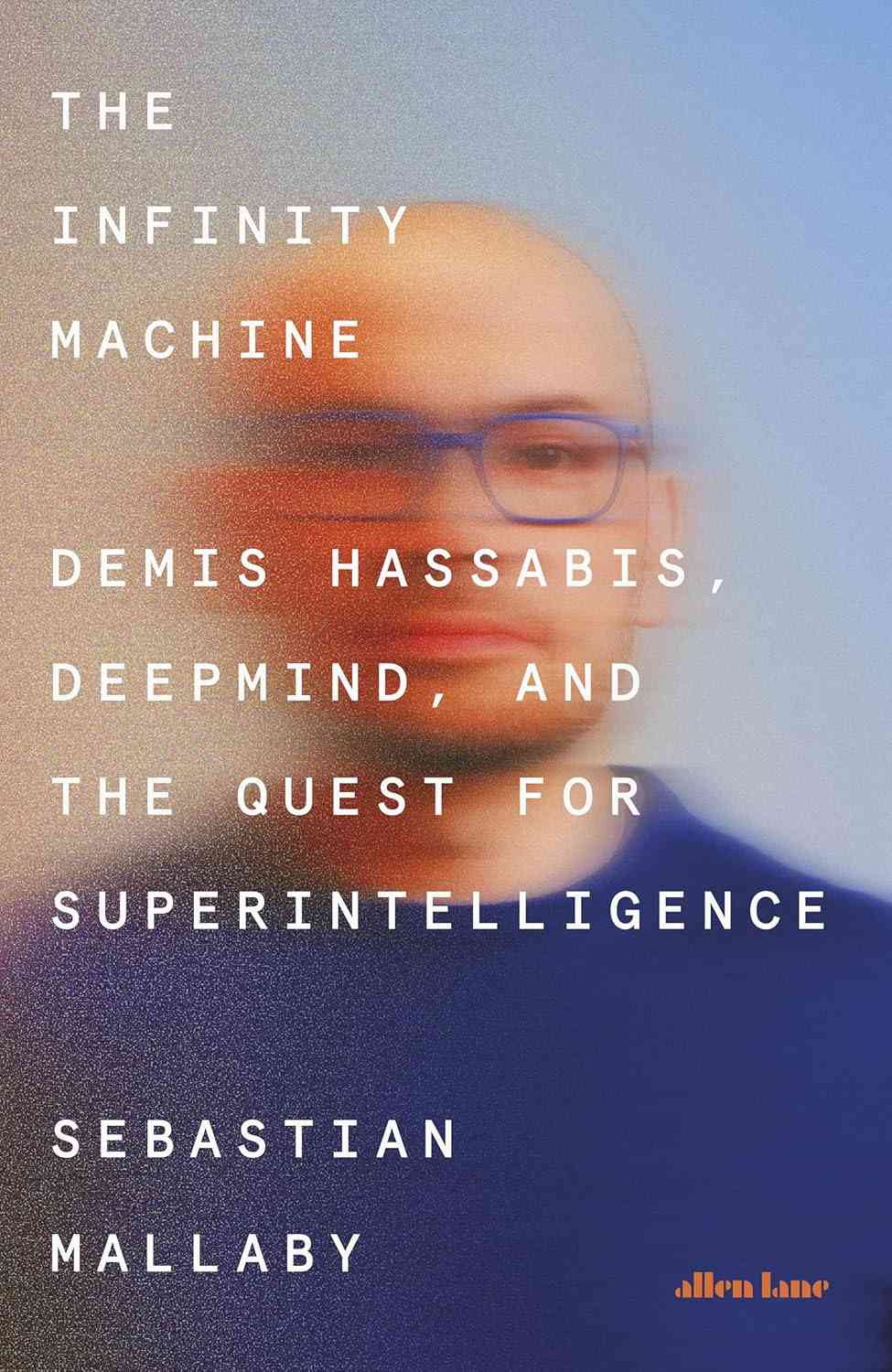
The Infinity Machine: Demis Hassabis, DeepMind and the Quest for Superintelligence, Sebastian Mallaby
Even in a tech world crowded with visionary leaders, Demis Hassabis is recognised as a special case. Born to working-class, immigrant parents in North London, a chess prodigy by five and wizard coder in his teens, he turned down a seven-figure job offer from a video-game studio to study science at Cambridge. Long before the current obsession with AI, he founded the path-breaking company DeepMind in order to pursue a single, audacious goal: the dream of artificial superintelligence, which would solve humanity’s hardest problems, change life and work as we know it, and perhaps even unlock the deepest mysteries of the Universe. For his scientific achievements, he won a Nobel Prize in 2024, and his company, now Google DeepMind, is considered the tech giant’s engine room.
For the past three years, Sebastian Mallaby has had unprecedented access to Hassabis and DeepMind, conducting hundreds of hours of interviews with him and his inner circle, as well as detractors and rivals at other companies. The result is a revelation-packed portrait of a singular mind and a historic reckoning with the AI revolution, a shift potentially more significant than any since the dawn of complex thought 70,000 years ago.
As Mallaby chronicles, DeepMind is locked in an arms race with Silicon Valley competitors to build artificial general intelligence, and thereby become the keeper of humanity’s future. Yet this is not a Silicon Valley story. Hassabis has remained in Britain, and unlike his rivals, his aims are not wealth and power but scientific enlightenment. Like them, however, he is haunted by the memory of Robert Oppenheimer, the creator of the atom bomb. He aims to control the technology, but the technology may ultimately control him – and humanity writ large.
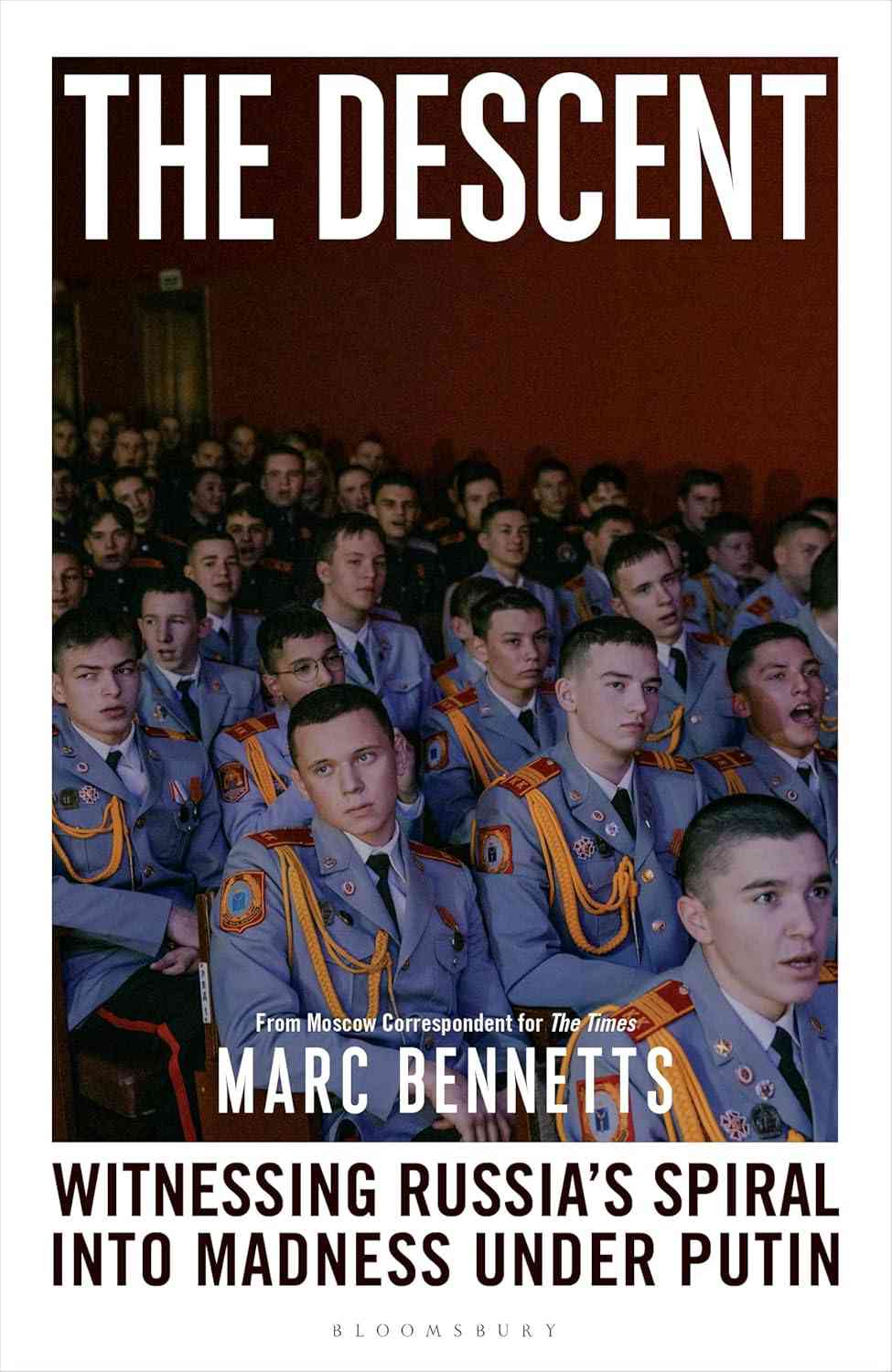
The Descent: Witnessing Russia’s Spiral into Madness Under Putin, Marc Bennetts
Marc Bennetts, foreign correspondent for The Times and The Sunday Times, moved to Russia in the chaotic final years of President Yeltsin’s rule. 25 years later, The Times pulled him out of Russia over concerns for his security following his arrest in Moscow at a protest against the war in Ukraine.
From the “wild” 1990s in Moscow to narrowly escaping death under fire in Ukraine, The Descent is a unique and personal diary of how Russia spiralled into violent insanity. Bennetts witnessed the often-terrifying events in Russia up close, observing how the Kremlin’s ubiquitous propaganda warped minds and fomented hatred of Putin’s foes, at home and abroad, even among people close to him. After leaving Russia, he travelled in war-torn Ukraine, where he came face-to-face with the appalling consequences of this madness.
Bennetts meets a vast array of characters, from pro-war Russian politicians, influential Russian Orthodox Church officials and aggressive Kremlin activists to opposition figures and a Siberian shaman who tried to “exorcise” Putin, as well as Russians who took up arms to fight Moscow’s invading forces. In this extraordinary panorama, Bennetts shows in frightening detail how a society can lose its mind, and how easily a power-hungry leader can reshape an entire country in his own malevolent image.
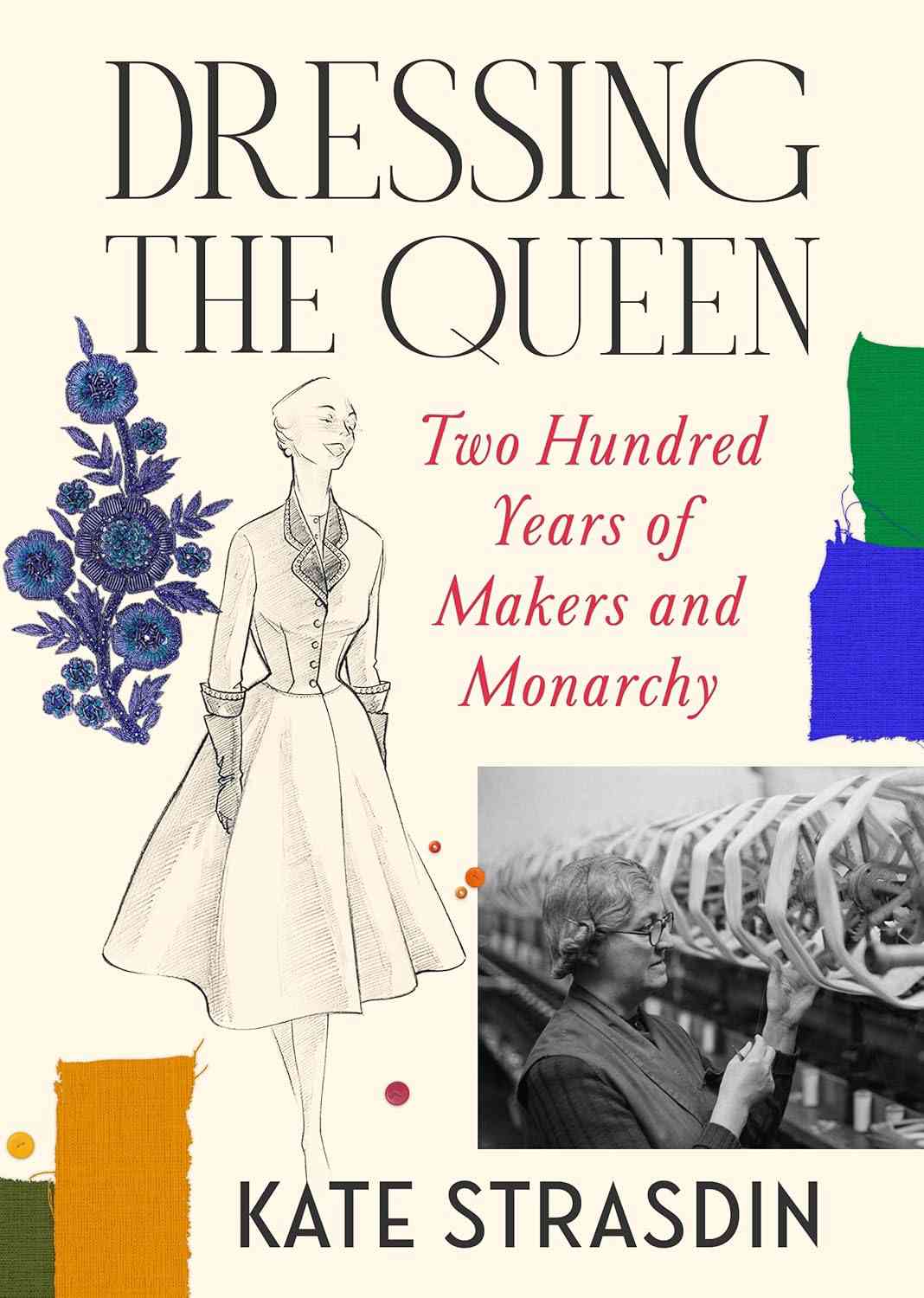
Dressing the Queen: Two Hundred Years of Makers and Monarchy, Kate Strasdin
From tours and walkabouts to the dazzling spectacle of a wedding or Coronation, the clothes worn by royal women have always been a fascination. Starting with Queen Victoria and moving to the modern Elizabethan age, Dressing the Queen shows the incredible craftsmanship and painstaking effort that go into the making of what is known as the “Royal Wardrobe”, from handmade boots to Crown Jewels; country tweeds to delicate stockings.
Dress historian Kate Strasdin reveals a tribe of previously unsung women and men. Some may be more renowned – such as designer Norman Hartnell or suitcase-maker Louis Vuitton – but most are ordinary, highly talented working people from across the British Isles. From rural straw plaiters to wartime coat-makers and refugee glovers, their skilled labour is a vital part of our country’s history.
As we see modern princesses sally forth in fantastically arranged ensembles, we can think again of the vanishing trades that once employed millions – and still remain integral to royal life today.
A Sound So Very Loud: The Inside Story of Oasis Song by Song, Ted Kessler and Hamish MacBain
A Sound So Very Loud is not only a deeply researched tribute to the generational creative talent and star power of the Gallaghers, but it is also crammed with unknown detail and the kind of anarchic, brilliantly funny anecdotes that only Oasis could generate. Music journalists Ted Kessler and Hamish MacBain first met Liam and Noel in 1994, when the brothers were playing tiny venues, and have since interviewed them dozens of times, tracking the astonishing success of Oasis as they became one of the biggest bands in the world. In this comprehensive telling of the Oasis story through their spectacular back catalogue, Kessler and MacBain focus on the enduring power of the music, exploring the tales behind the lyrics and revealing the background to the writing, recording and impact of all the songs, from megahits like “Live Forever”, “Wonderwall”, “Don’t Look Back in Anger” and “Champagne Supernova” to the fan-favourite B-sides and deep cuts such as “Acquiesce”, “The Masterplan” and “Half the World Away”. With their unique perspective on all things Oasis and their numerous encounters with the band over the years, they bring this story to life in glorious colour.

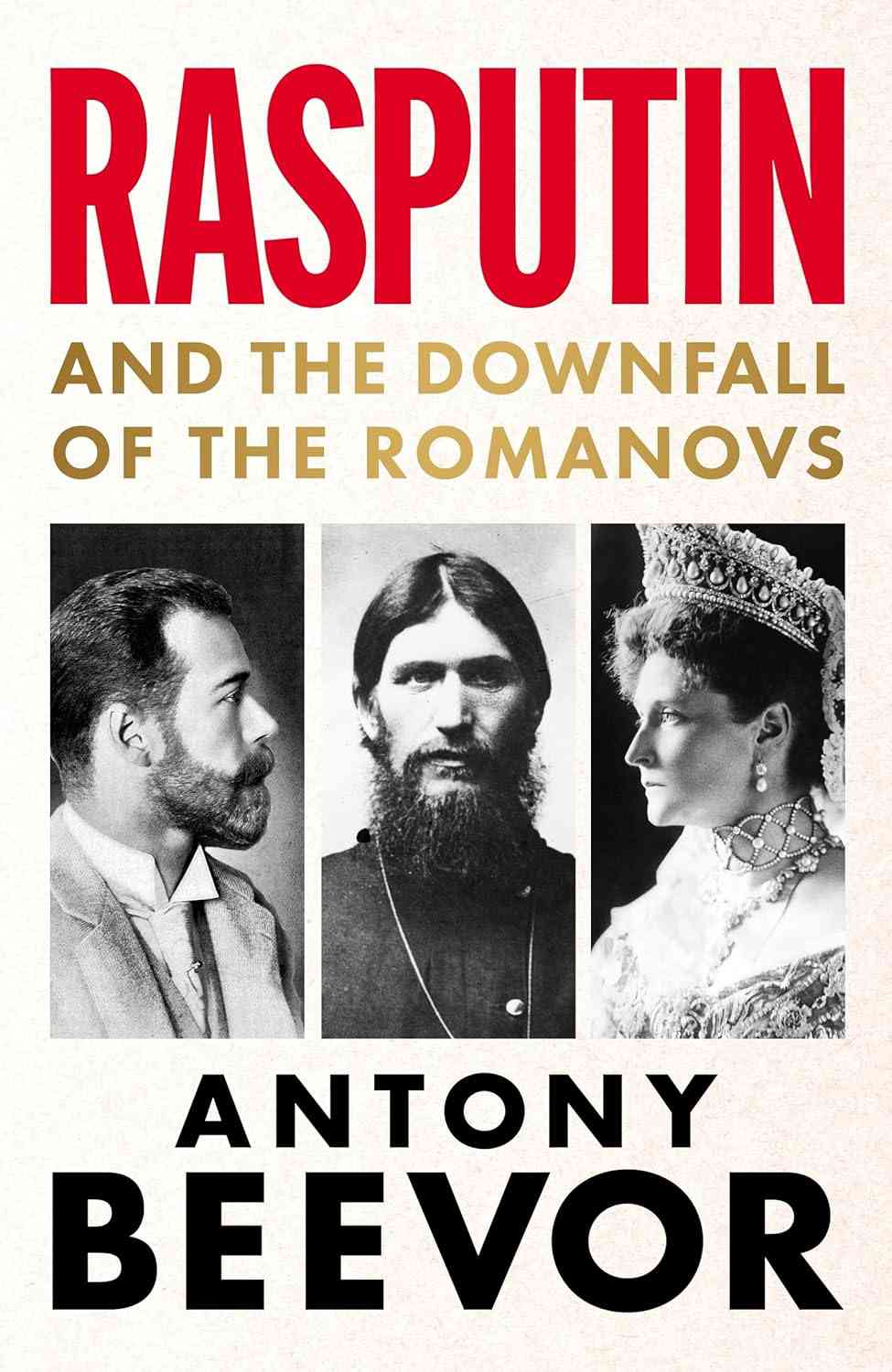
Rasputin: And the Downfall of the Romanovs, Antony Beevor
How could a barely literate peasant from Siberia determine the fate of the world? Undoubtedly, the so-called “mad monk” Rasputin bewitched Tsar Nicholas II and his wife, Alexandra. Yet their strange and scandalous relationship conceals a riddle, one that casts an intriguing light on the controversial “great man” theory of history.
Rasputin was a devoted monarchist, not a revolutionary. He had no official position, no forces at his command. Nevertheless, he contributed more to the fall of the Romanov dynasty than any other individual. So demoralised was the Tsarist officer corps by stories of corruption, to say nothing of the rumours of his debauchery with the Empress – and even her daughters – that when the February Revolution broke out, not a sword was raised in defence of the regime.
Just as Rasputin cast a spell over the Romanovs, his legend has bewitched historians. More than a century later, we still fail to fully comprehend the collapse of the greatest autocracy on Earth. Was there any truth to the wild tales that brought down the empire? Or was his true legacy an unsettling lesson on the potency of myth?