




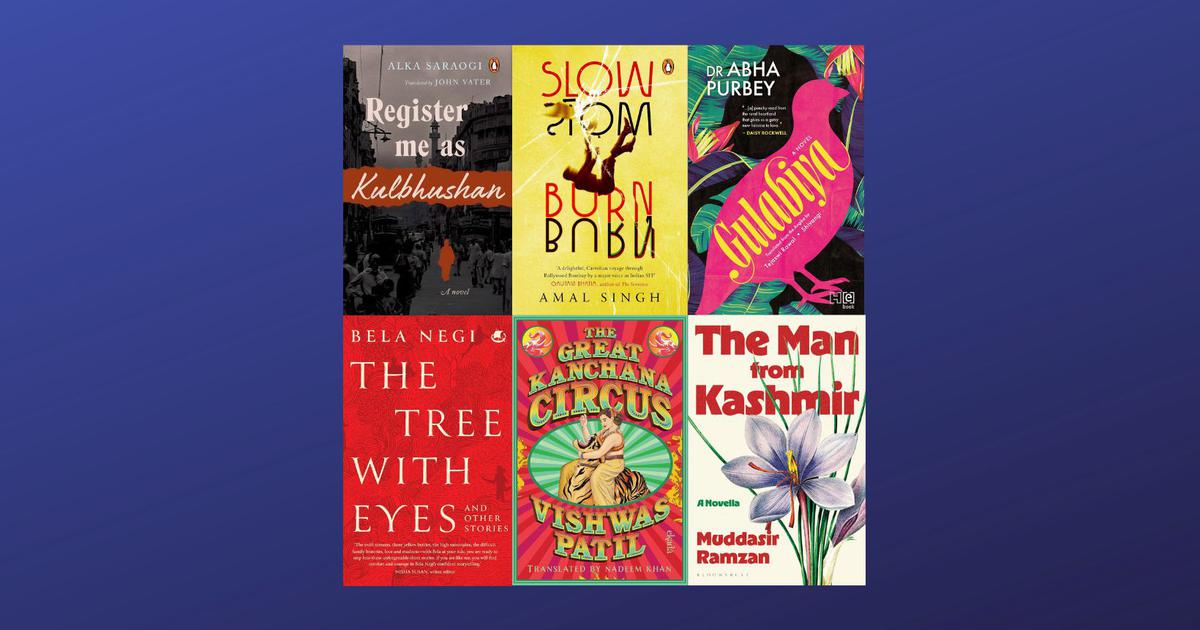
All information sourced from publishers.
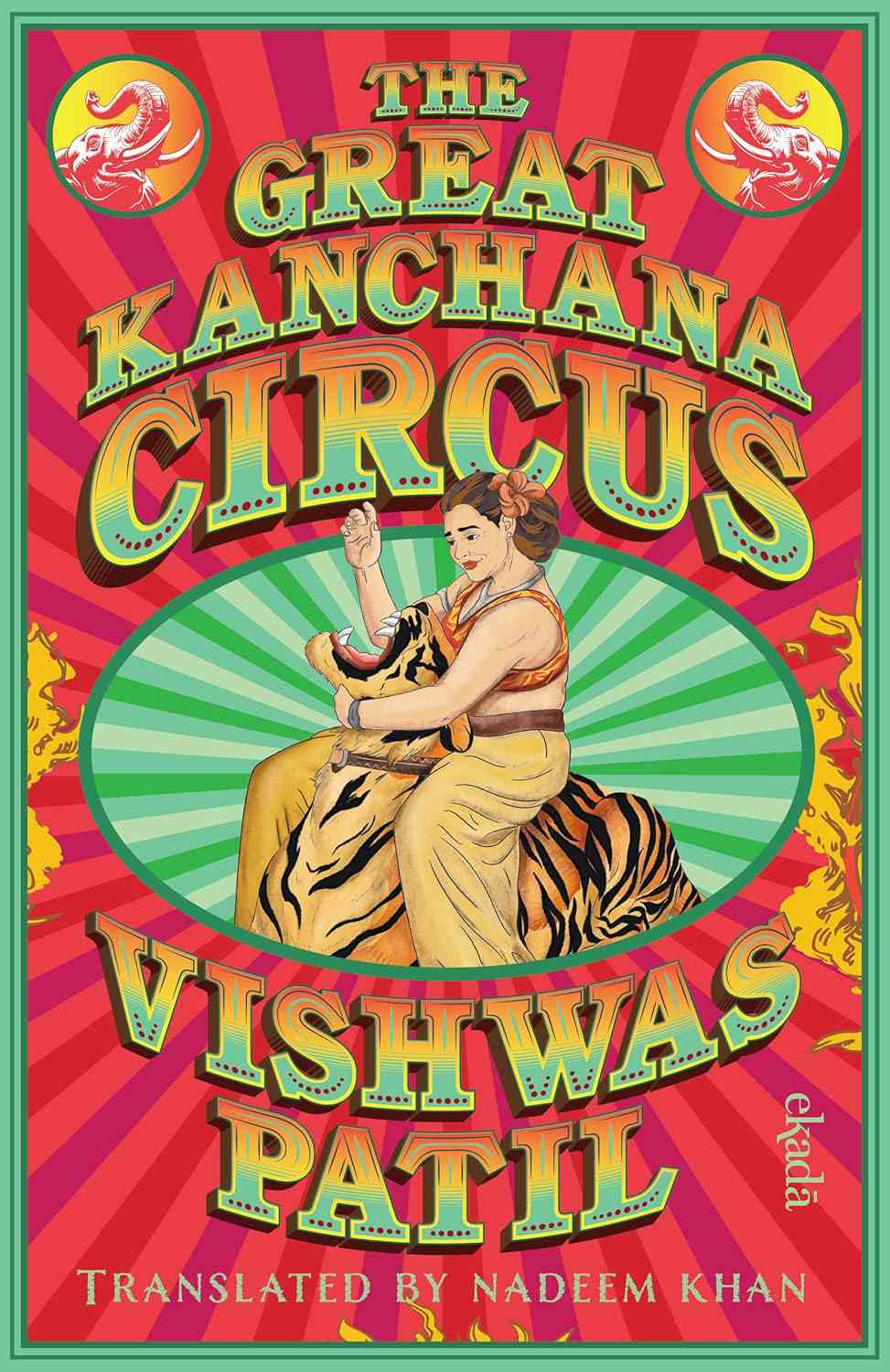
The Great Kanchana Circus, Vishwas Patil, translated from the Marathi by Nadeem Khan
It is the early 1940s. India is struggling to break free of British rule, and the Second World War is at its peak. The famed Great Kanchana International Circus is touring Burma when Japanese fighter planes bomb Rangoon and Mandalay, razing the British administrative and military installations to the ground and killing the local population in hundreds of thousands.
As their foot soldiers approach to take occupation, Kanchana Sarang Shine, proprietor of the circus company, risks her life and limb to ensure a safe passage back to India for her 300-strong troupe, walking thousands of kilometres through treacherous mountains and jungles.
Sweeping in scope and vivid in its portrayal of war and the world of circuses, this historical novel is based on true events at a time when 40 forty circus companies were being run by women in western and southern India.
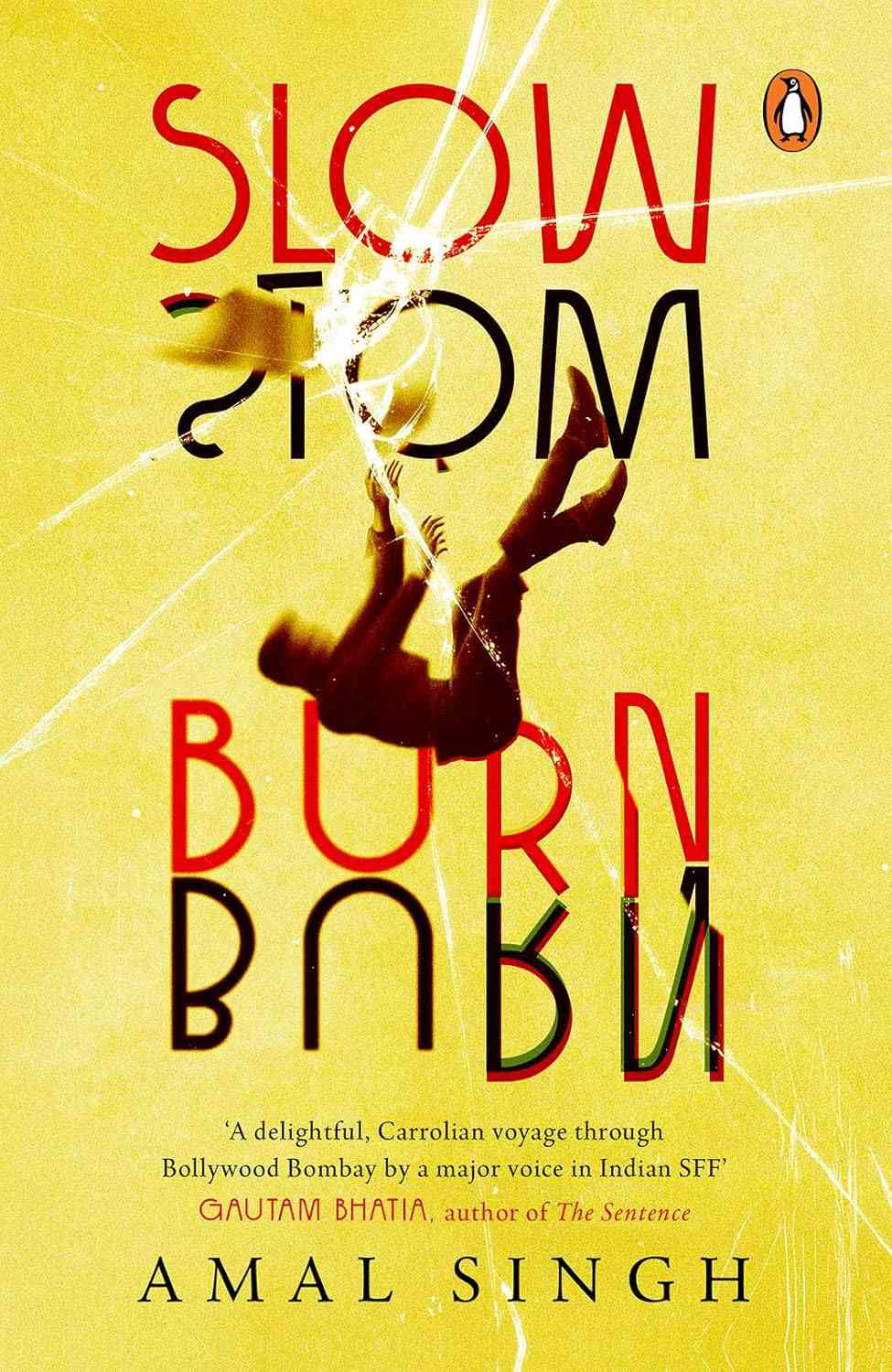
Slow Burn, Amal Singh
Rishi Tripathi has failed as an actor. When an important audition doesn’t go as planned, rage consumes him and he punches a mirror. But instead of getting hurt, he slips right through and arrives in the Mumbai of his dreams.
In this inverted city, Rishi is a superstar, a critically acclaimed darling. Success kisses his feet, and producers flock to his doors. But success, too, comes at a cost, and behind the twinkling arc lights of showbiz is chaos and a sinister scheme. When this dark reality catches up with him, he wants to leave this new Mumbai right away.
But is Rishi truly ready to go back to the life he left? Is he ready to go back to being a failure? And will
fate stand in the way of his return?
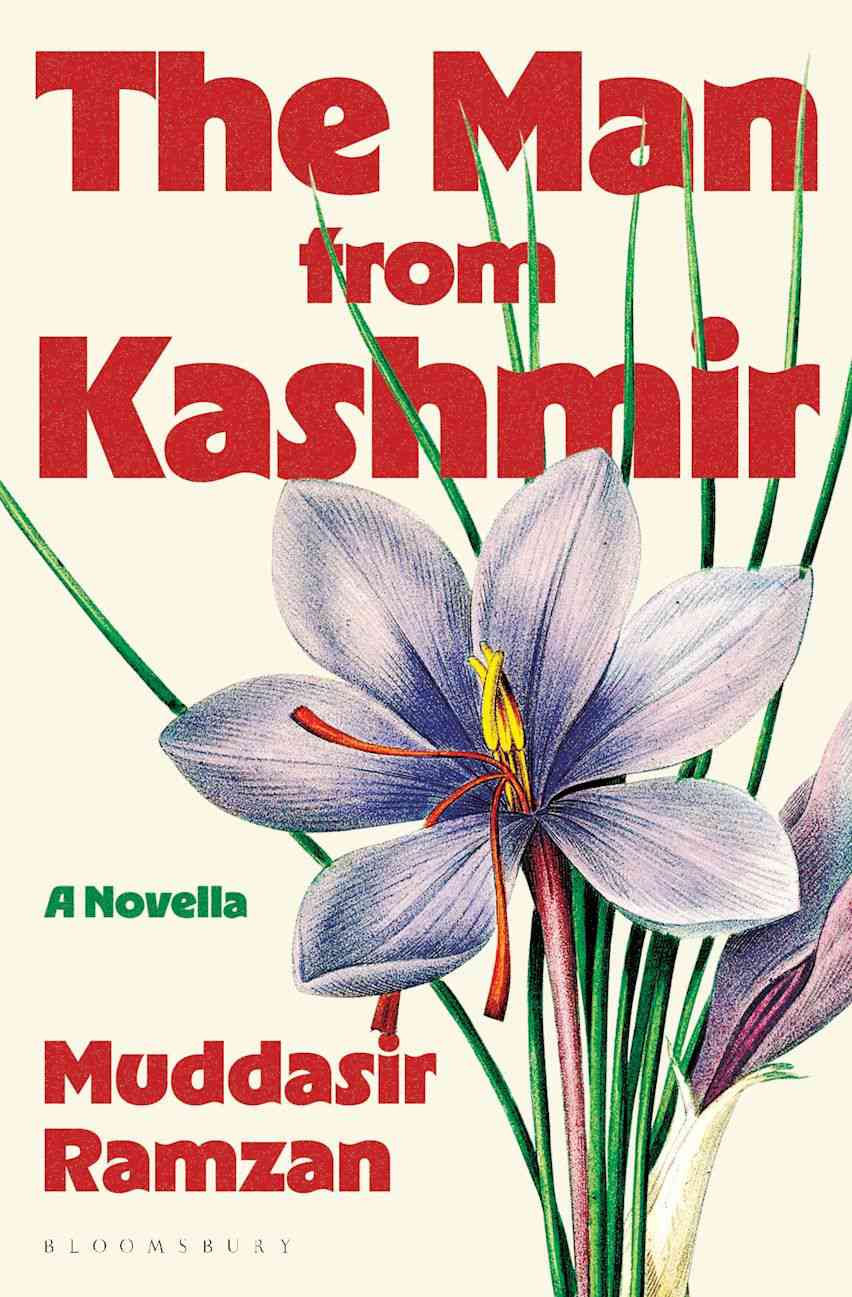
The Man from Kashmir, Mudassir Ramzan
In a packed mosque, a woman gives birth to a boy while the hiding village watches. His first cry brings uniformed men to their doors.
A foul forest witch drags a man back to her forest cave, holding him hostage, until a boy and his uncle stumble across his lair.
In the far future, a bomb breaks the city of bunkers, and a man loses his life. His mother, a spiritual leader of the community, is to choose if she can still believe in God.
Told through episodic, interconnected vignettes that tightly unfold through characters of a sprawling family across generations in a fictional town of Poshmarg, Muddasir Ramzan brings alive the fragmented texture of life in Kashmir in this new novella.
From an atavistic folk-myth to a modern-day portrait of the allure of militancy, Muddasir's unbridled imagination crafts stories about ordinary people of a living dystopia. He writes of mothers, lovers and others making uneasy choices in order to survive the day, navigating a present that constantly needs to rewrite the past, even as it confronts a fractured future that allows for more death than hope.
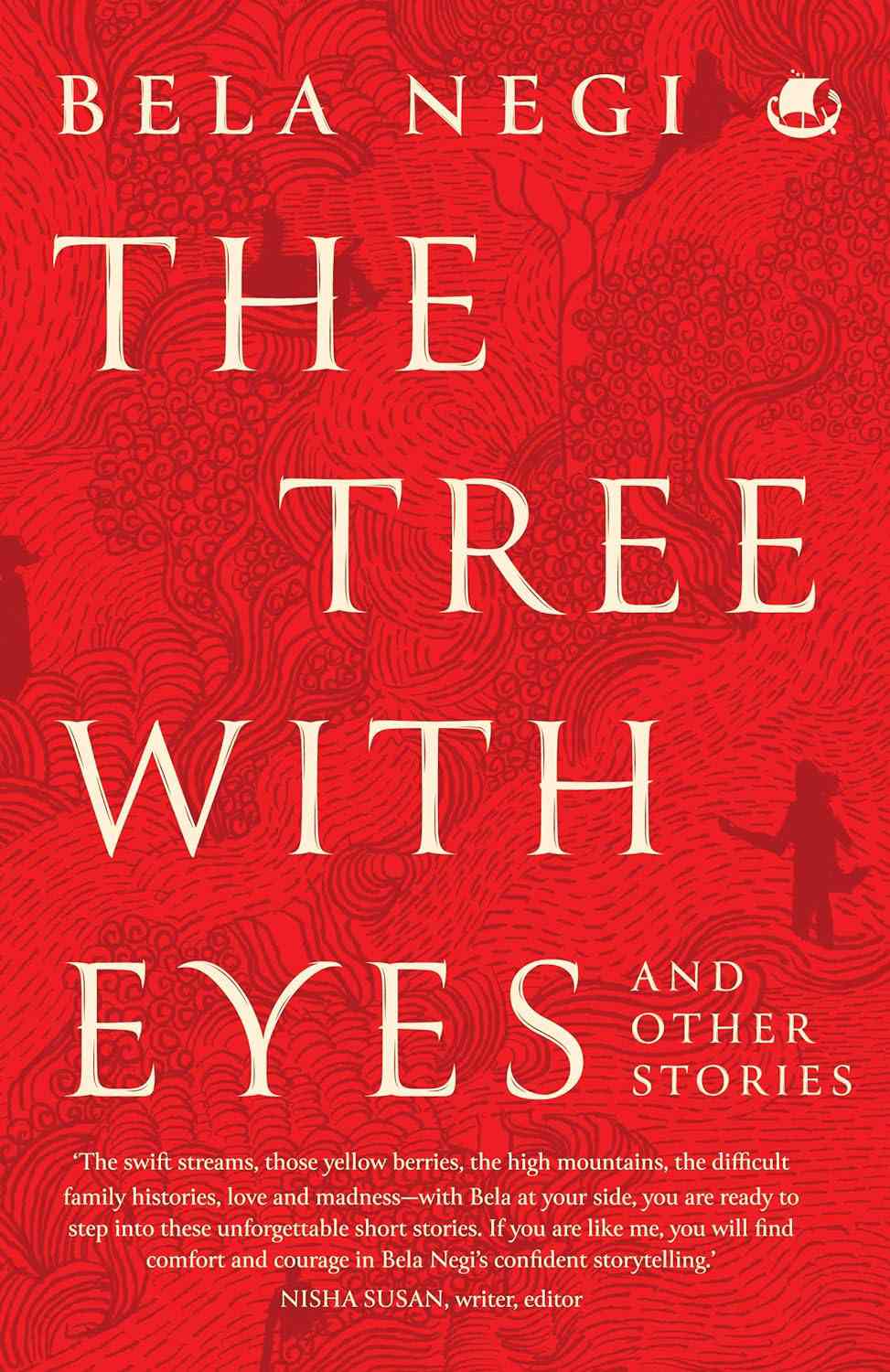
The Tree With Eyes and Other Stories, Bela Negi
A debut collection set in Uttarakhand that chronicles the changing times through the lives of people whose stories it tells. Rich in emotion, these multilayered stories are not just tales of a place but of people whose souls are one with the hills.
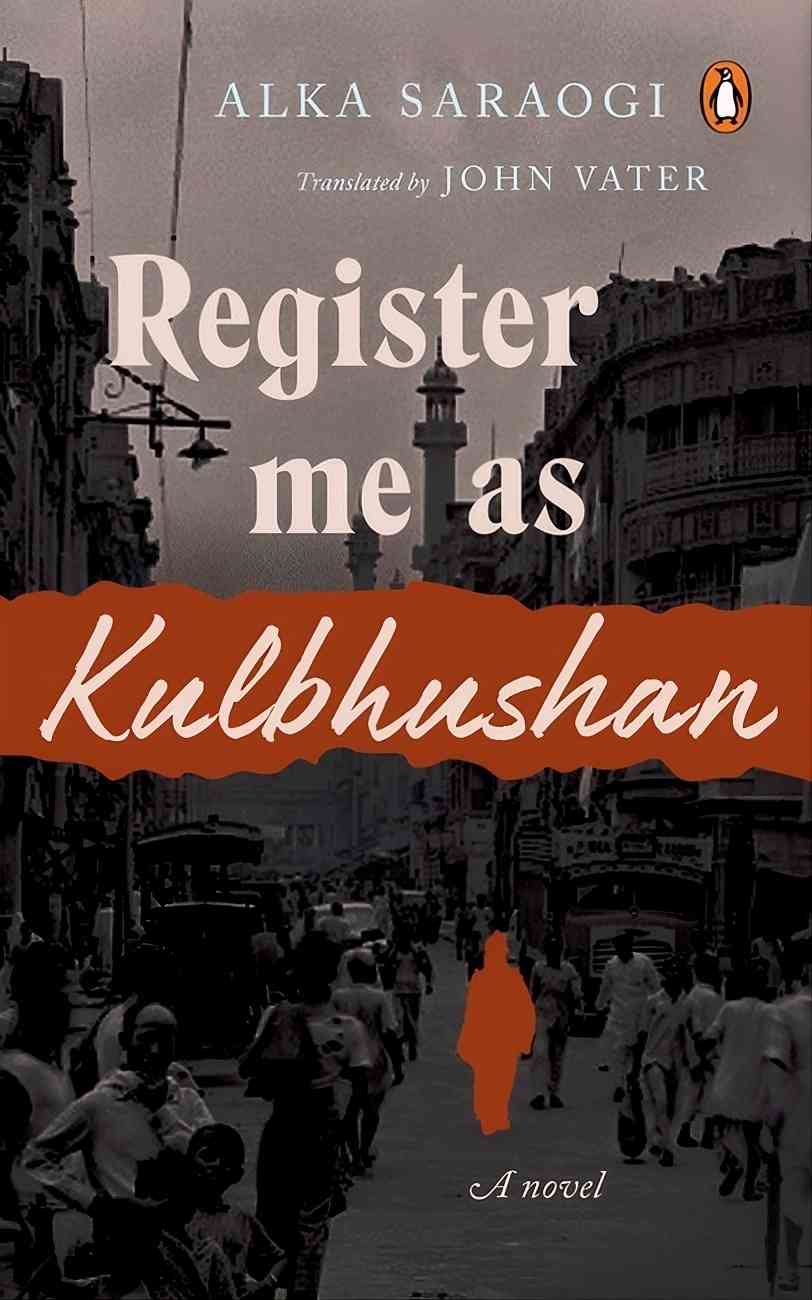
Register Me as Kulbhushan, Alka Saraogi, translated from the Hindi by John Vater
Traversing the streets of Calcutta in his one-and-a-half slippers, our dark lanky hero, variously known as Bhushan Chacha, Kulbhushan Jain and Gopal Chandra Das, wanders a maze of memories, searching for himself. Like many East Bengalis scarred by the trauma of Partition, he has trained himself to dive into forgetfulness. By punching the “button of forgetting” – a mantra taught to him by his childhood friend Shyama Dhobi – he can induce instant amnesia and survive the suffocating, alien streets and the belittlements of his Marwari relatives, whose household drudgery he shoulders. But forgetfulness has a cost.
Shyama, too, is more than he seems. Delivered into his parents’ lap by an itinerant fakir and blessed with admirable resourcefulness, he rises through the ranks. He transforms from washerman to rickshaw-puller to trusted confidante of cotton mill-owning Bengali aristocrats – all amid the mounting communal violence and brutality of the West Pakistani army that sets the stage for the Bangladesh Liberation War. When injustice becomes unbearable, Shyama is compelled to join the freedom fighters in search of redress and meaning.
At once humorous, sincere and philosophical, Register Me as Kulbhushan is a modern epic of exile and the fundamental human need to belong.
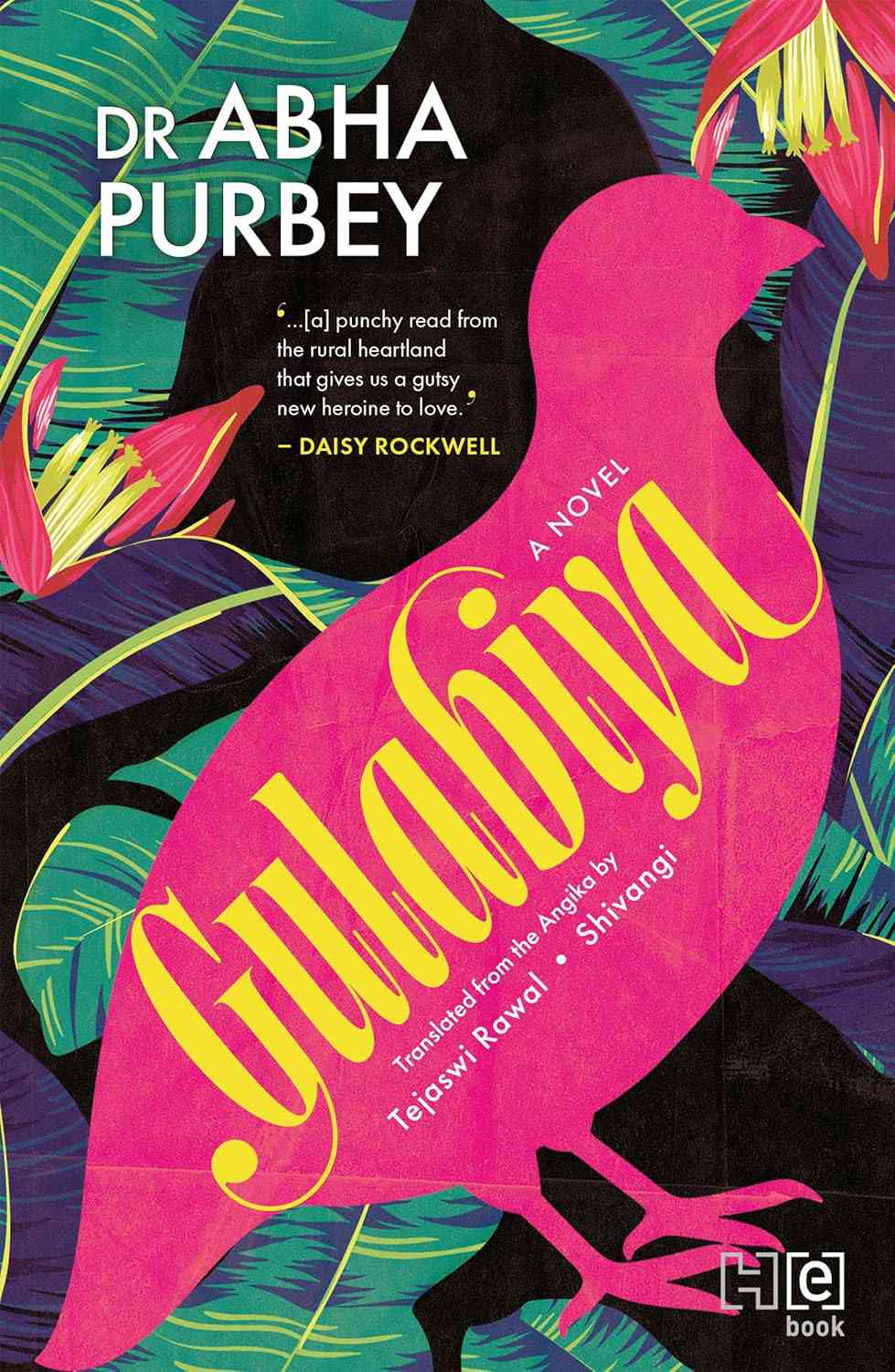
Gulabiya, Abha Purbey, translated from the Angika by Tejaswi Rawal and Shivangi
On the hot floodplains of the Kosi River, Gulabiya is a young farmhand in love with Balesar, the manager of a nearby farm’s fieldhands. When Balesar decides to till his own land, he is joined in this enterprise by his Gulabo.
Their dreams, most moderate, attract the wrath of Balesar’s landlord. Gulabiya is betrayed by her own family, leading to a heartbreaking separation from her lover.
Meanwhile, the village’s wealthy power brokers scheme to sabotage Balesar’s success. The powerful believe they have suppressed yet another attempt at resistance, but they couldn't be more wrong.
What follows is a tale that shocked and scandalised readers when it was first published in 2008, a story that breaks down the realities of farm labour and life in 21st-century India. In this caste- and class-ridden society, Gulabiya and Balesar’s audacious escape from servitude will shake the very earth they till for others.