





You receive a message without preamble.
I want to publish a book.
Your contact details were shared without permission. Access to you is treated as community service. A text like that does not simply demand your attention; it disrupts your existing work. That is not an ideal way to start a dialogue.
Access is often mistaken for availability. Availability, for obligation. The assumption is that an independent publisher must always be looking for new material. That they must absorb aspiration on demand. Every such interaction draws on a finite reserve: focus. To give you an example, I have received two follow-up calls while editing this piece. For projects I had already declined.
Yes or no/ Yes and no
A manuscript is the manifestation of an author’s vision, and to reject it is to injure their sense of self. But there’s another side to the story.
For publishers, particularly those working on a small scale, there is no efficient way to say “no” without leaving residue. I may attempt to minimise the hurt by deferring or qualifying the rejection, but there’s no harmless way to do the deed. The issue becomes especially acute when the submission arrives through personal recommendation. One risks damaging long-time associations for refusing to grant one’s consideration.
I keep receiving proposals with insistence attached. They may have merit, and the author may hold influence, but I cannot take on subjects that don’t align with my mission.
Taking on a book extends beyond accepting and refining a manuscript. It involves rethinking and restructuring. In a founder-led outfit, job descriptions are fluid. I am a writer-editor, but also a typesetter, art director, and production manager. Decisions about text are intertwined with choices of design, form, and outreach. All these are set in motion before a contract is even presented. I have put in time, whether the project goes on the floor or not.
Reading with intent is already a form of editing. To engage with a submission is to sense its flaws and imagine its possibilities.
From acceptance to print, a children’s book, something that is my domain, takes six months to a year. Apart from editorial development, illustrations need to be planned. The process is tied to the interior layout and the final MRP. Cover design, proofing, and pre-press need further man-hours.
The texture of the paper, the right shade of red, the proportion of white space, the typeface…every behind-the-scenes input accumulates fatigue. Fresh eyes and a fresh mind are a luxury in my trade.
All this does not always register for the person who necessitated it. The final goal, for them, is a finished book. I have been asked, quite seriously, to “work my magic” and make a book within a month. A month.
Money matters
Alongside all that runs the question of money.
Independent publishing operates within narrow margins. Words cannot be detached from numbers: the cost of a print run, the uncertainty of sales and distribution, the timelines of recovery. What a book deserves may not match what the market will bear.
To hire good artists is to invest in the full potential of a story – I commissioned 171 illustrations last year – but aesthetics have economic weight. To keep a book accessible is to risk eroding margins. To price it profitably is to restrict its reach.
And then there is the unease.
I have woken up at 2 am and stopped the press because I dreamt I had missed a comma.
In a founder-led setup, there is no buffer between editorial and financial responsibility. The stress peaks after publication. A title may not move; it may sit in storage; it may be returned. The distance between making a book and its discoverability is not a function of quality.
And the work does not pause. It continues across multiple titles, at different stages of development. I have released an anthology of humour while directing a series on grief. It takes a toll.
Then there is the task of managing people. Authors are a human resource of a very special kind, regardless of experience. Author care is not adjacent to the job; it is the job.
Every intervention lands within a relationship. All suggestions are a jugalbandi of trust and alignment. To work with a writer is to fine-tune their authority. To work with an artist is to fortify the text. The way feedback is framed, how clarity is maintained, requires precision and objectivity.
But care is not accommodation. It is not a compromise.
Authors rely on the publisher not only for support, but for guidance. Care demands that we risk disagreement in the service of the book. It is fine if they choose to mute you on X.
These calibrations have a cost. These do not announce themselves on balance sheets or catalogues.
But the price one pays is justified when the book arrives. The first copy, the first review… The author steps forward. You recede. The book is theirs now. You edit yourself out.
Not as an act of sacrifice. As part of the design.
And then, sans fanfare, the work begins again.
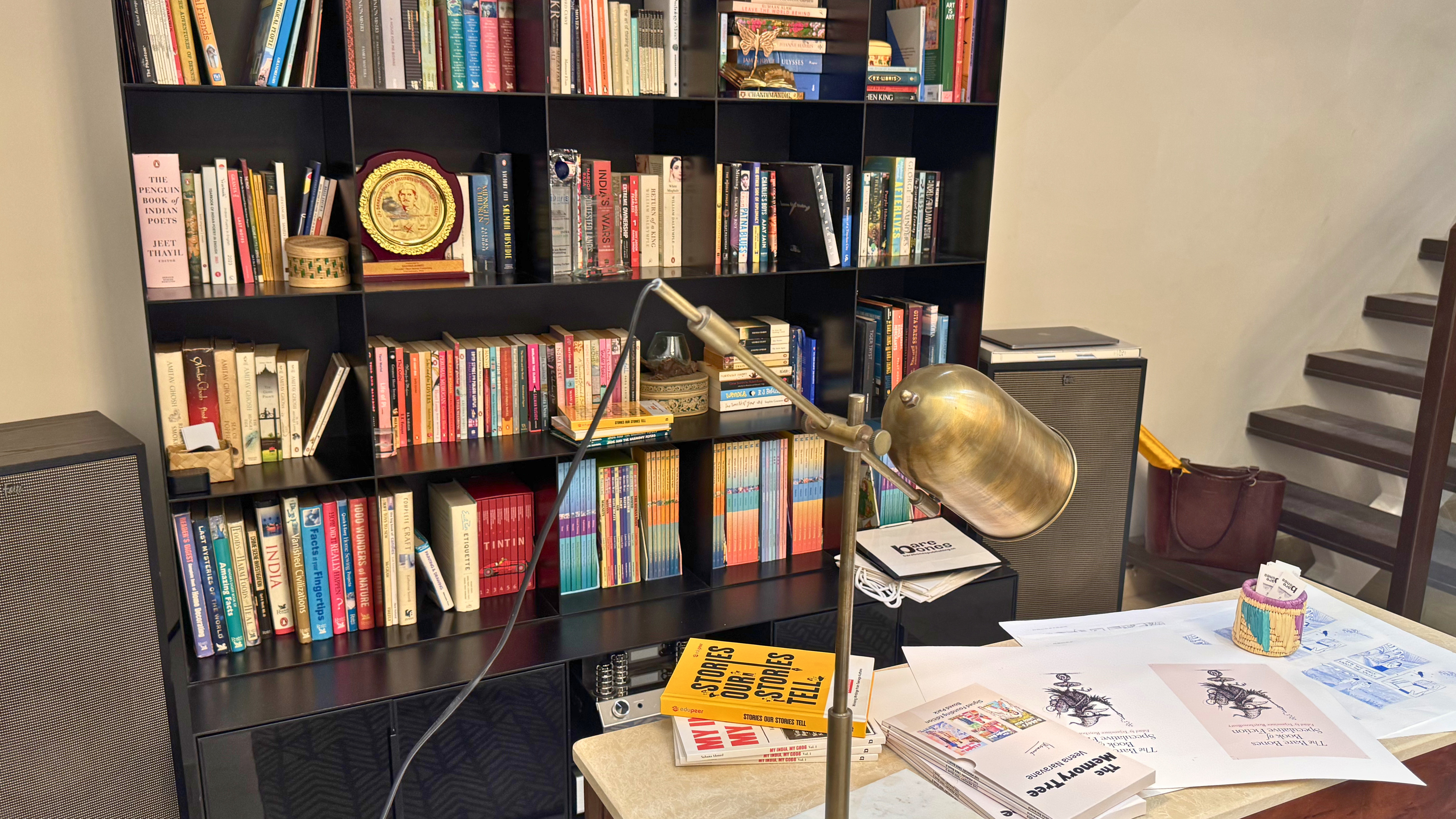
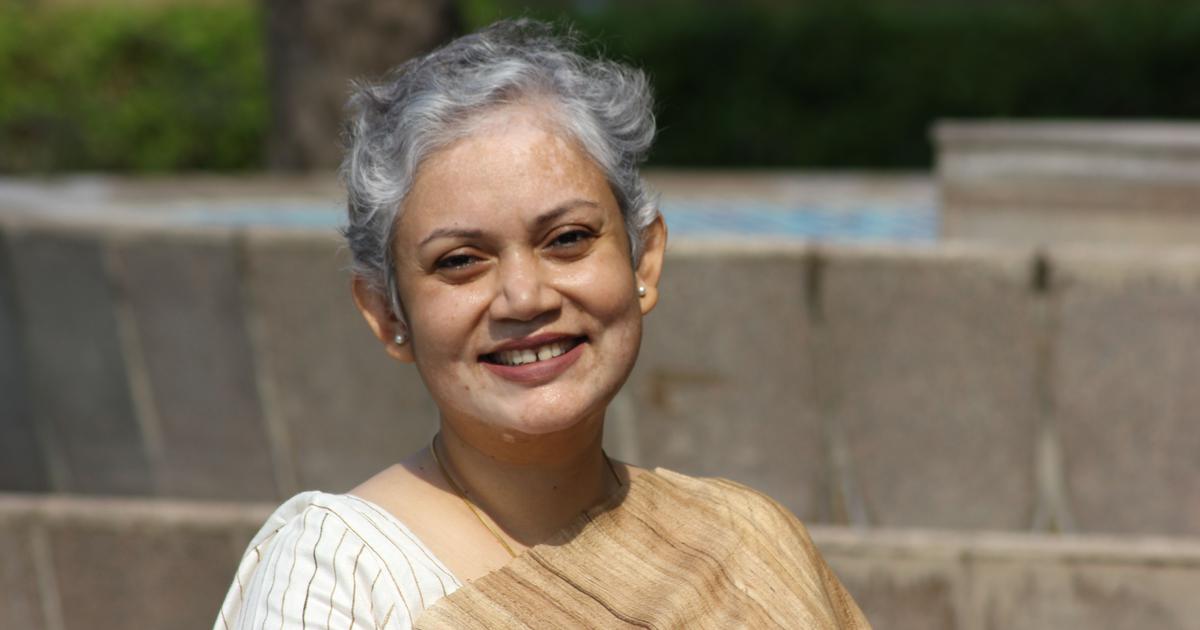
Sahana Ahmed is founder and CEO of Bare Bones Publishing.
