


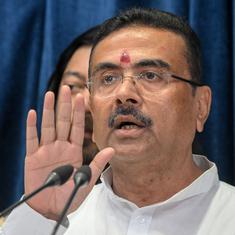

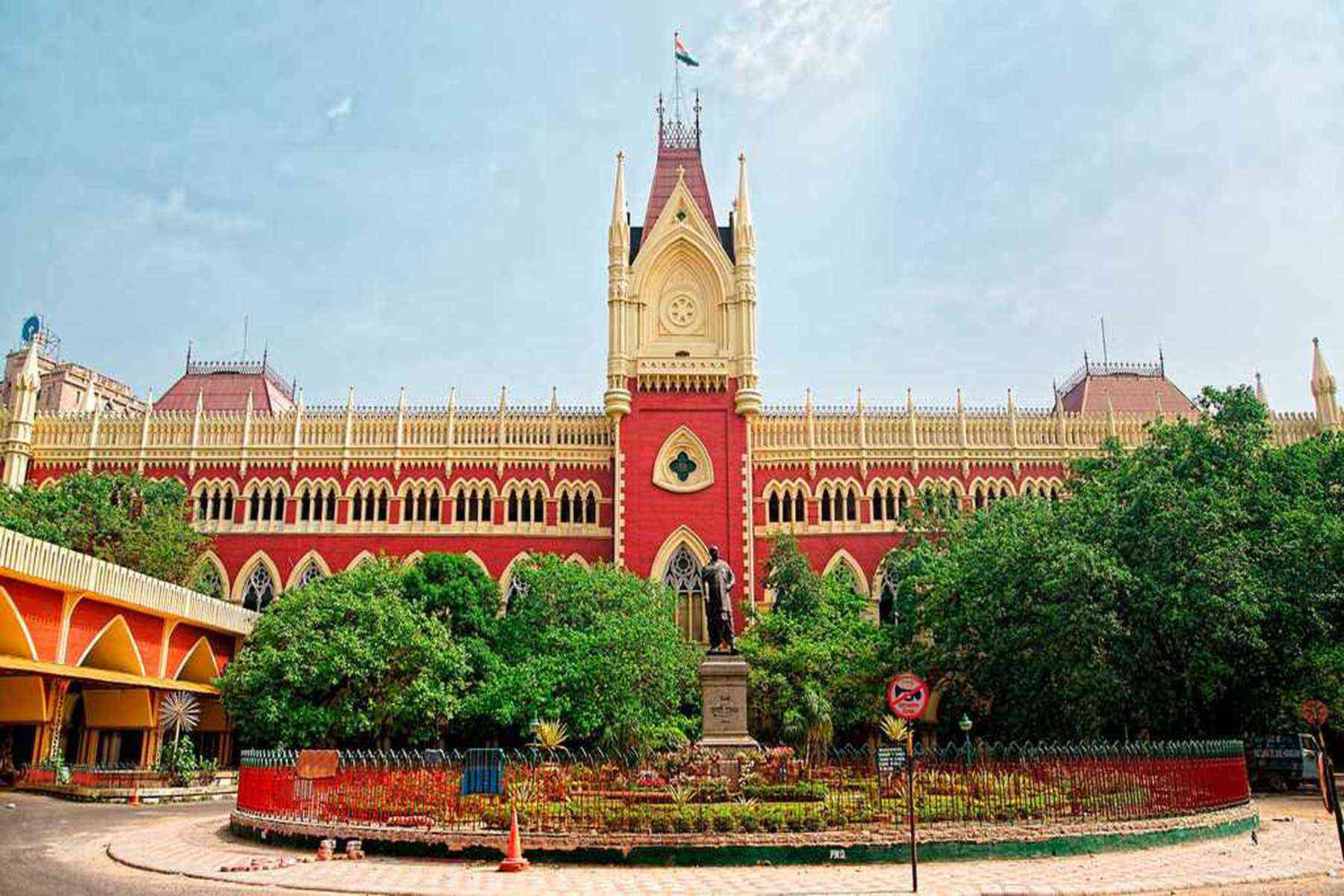
The new Bharatiya Janata Party government in West Bengal announced on Monday that it would scrap the state’s list of Other Backward Classes and reduce the OBC reservations of jobs in educational institutions and government jobs from 17% to 7%. The decision was made in keeping with a Calcutta High Court judgement from May 2024, minister Agnimitra Paul said at a news conference.
The move in effect reverts the state’s list of OBCs to its composition in 2010, nullifying the OBC status of as many as 76 caste groups. Most of those adversely affected by this development are Muslims.
Monday’s announcement came days after the state government said it would re-verify about 48 lakh OBC certificates issued in the 15 years during which the Trinamool Congress was in power. The two decisions dismantle OBC reservations as Bengal has known them in recent years.
This is in line with one of the BJP’s long-held criticisms of former chief minister Mamata Banerjee. The Hindutva party alleges that Banerjee’s OBC reservation policy was aimed at what it calls the appeasement of Muslims, and not the upliftment of genuinely backward groups.
But Bengali Muslim academics worry that the sweeping changes will undo the little upward mobility that their otherwise marginalised community has experienced of late.
A brief history
The trajectory of OBC politics in Bengal differs dramatically from the Hindi belt. While OBC groups in those parts had become entitled to a 27% quota in government jobs after 1990, the eastern state had capped reservations for them at just 7% till as late as 2010.
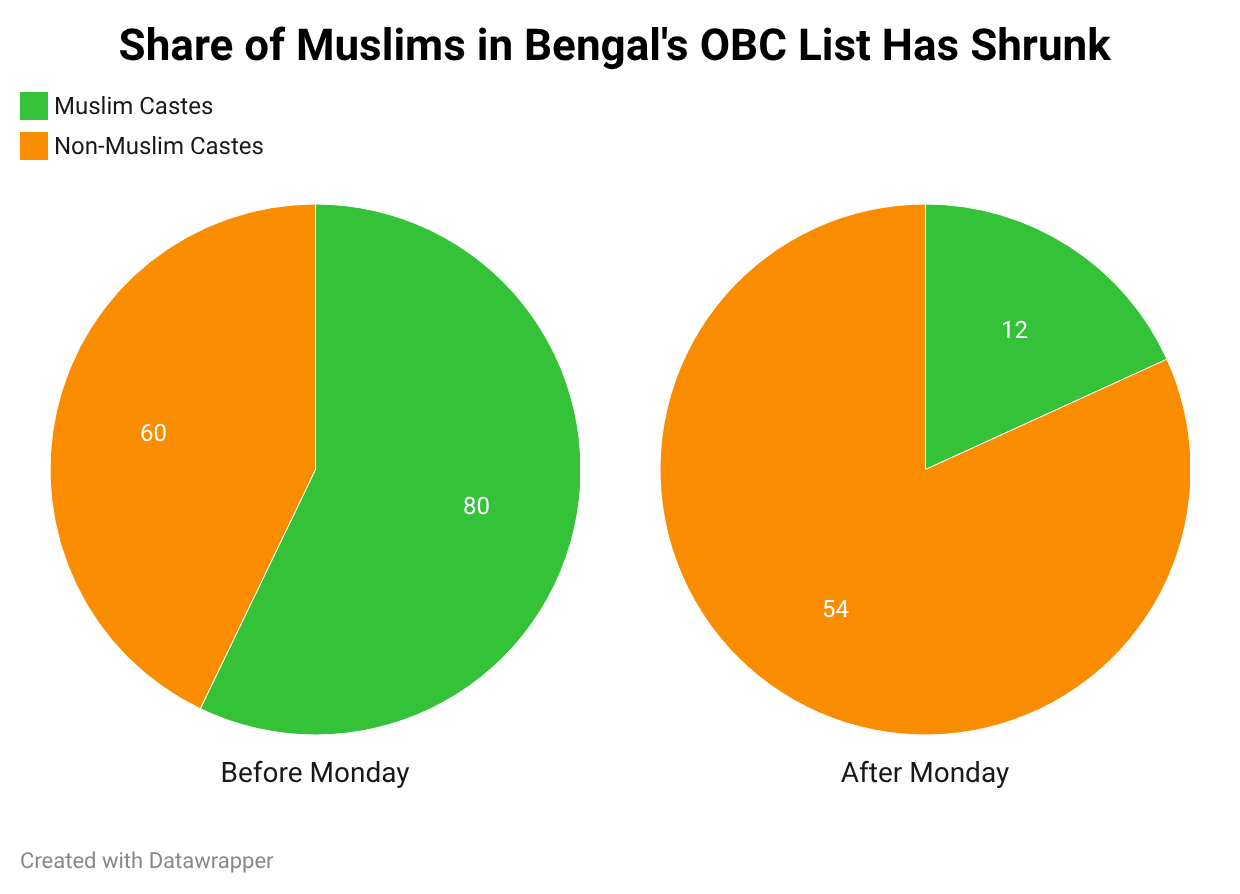
The Left government, which ruled Bengal between 1977 and 2011, had granted OBC status to only 66 castes even as the lists of such castes in other states swelled. The number of Muslim castes among those that Kolkata recognised as backward was merely 12.
Critics put this down to the Left’s historical aversion to caste politics and its avowed commitment to class-based mobilisation.
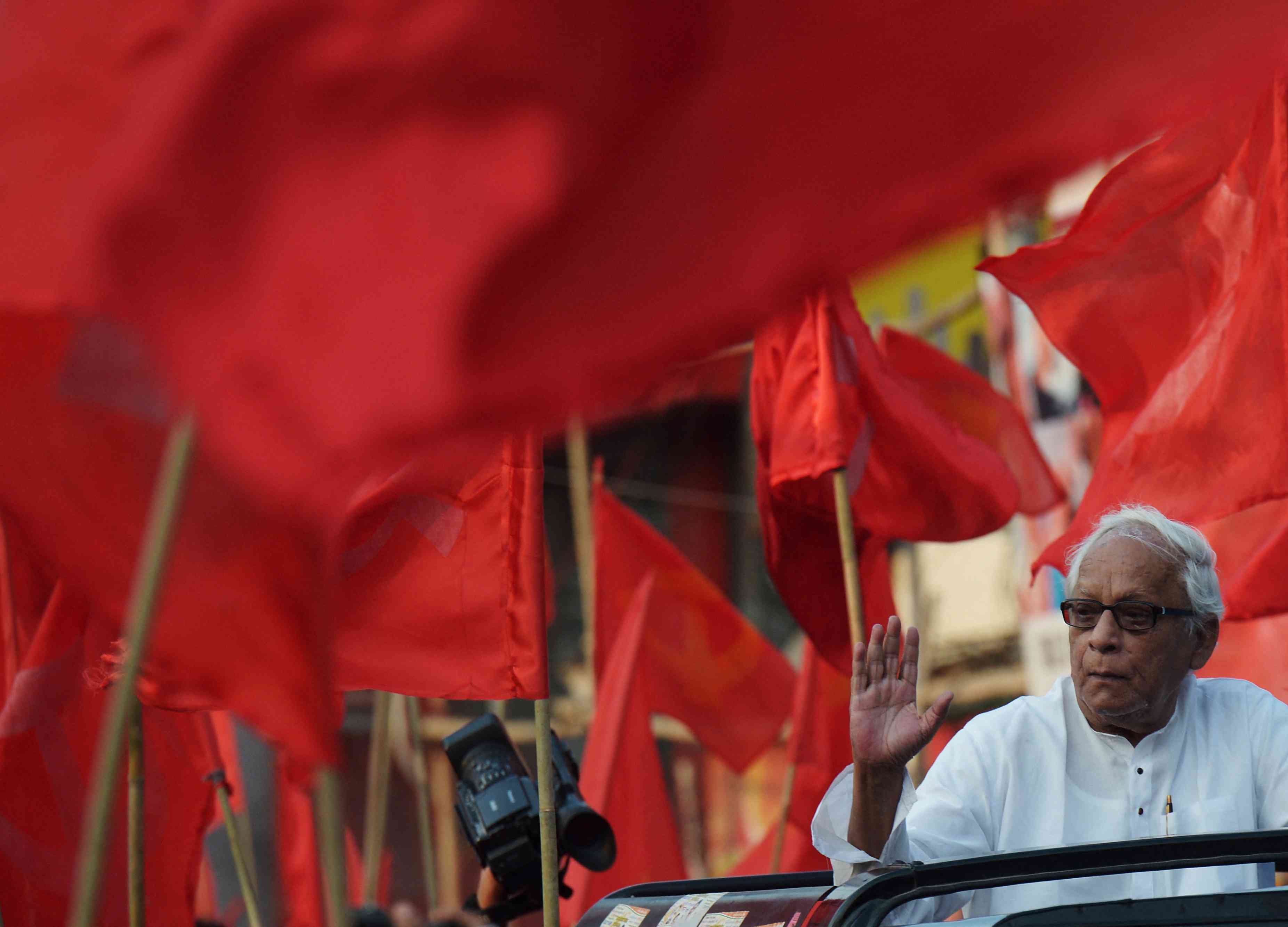
However, Buddhadeb Bhattacharjee, the last communist to serve as the chief minister of Bengal, tried to change this, albeit belatedly. Faced with rising anti-incumbency, particularly among Muslims who made up about a fourth of the state’s population then, Bhattacharjee revised his OBC reservation policy.
In a span of a few months, his government added dozens of new castes to Bengal’s OBC list and increased the quota to 17%. Of this, 10% was earmarked for the “Most Backward” caste groups. Muslims constituted the bulk of this category, which was christened OBC-A in bureaucratic parlance. The remaining 7% of the quota came to be known as OBC-B.
But the last-minute move failed to stop Mamata Banerjee from unseating the Left and becoming chief minister in the 2011 Assembly elections. Though she differed with the Left on most issues, her government continued with the same OBC reservation policy and recognised more Muslim castes as backward. In fact, the Trinamool would often boast that it had granted OBC status to over 90% of the state’s Muslims.
More SIRs to come
This markedly Muslim tilt in Bengal’s OBC politics is what the BJP takes exception to.
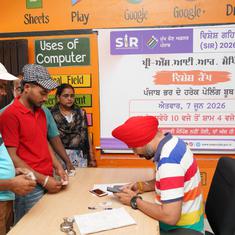
“Those who are actually OBCs did not get any benefit,” alleged Debjit Sarkar, the party’s chief spokesperson in the state. “Every aspect of governance in Bengal needs an SIR [special intensive revision]. Everything needs to be investigated deeply.”
Sarkar echoed what Agnimitra Paul, Bengal’s new minister for women and child development and social welfare, had told reporters on Monday. “We will set up a new inquiry,” she had promised.
The minister was presumably referring to fresh surveys that the West Bengal Commission for Backward Classes will conduct to identify backward caste groups. In May 2024, when the Calcutta High Court had first scrapped the changes made to the state’s OBC list since 2010, it was this body that had come under the spotlight.
“The commission has been reduced to a handmaiden or a compulsively obedient pet,” the court had observed then. “It appears that the primary and sole consideration for the commission had been to make religion-specific recommendations.”
In response to the High Court scrapping the additions to the OBC list, the Trinamool government revised its reservation policy and tilted the balance away from Muslims. While 118 Muslim castes used to be recognised as OBCs before the judgement, only 80 made it to the revised OBC list after the court ruling.
“The Muslim community had cursed us a lot for making those changes,” said a Trinamool leader who was involved in the revision process at the time.
Social justice, Hindutva-style
Bengali Muslim academics argue that it is not the changes in themselves, but the manner in which they were made that created room for controversy.
“Neither the Left nor the Trinamool made any serious efforts to study the status of lower-caste Muslims,” contended Abdul Matin, a political scientist at the Jadavpur University in Kolkata. “They just rushed to include some castes in the OBC list whenever it was politically expedient for them to do so.”
With the BJP holding the reins of power in the state now, these academics fear that Bengali Muslims stand to lose the benefits that have accrued to them through OBC reservations.
“This is what the backward classes have been demanding from us,” Sarkar, the BJP spokesperson, claimed. “They tell us that the wrong people have cornered all the benefits. There was no such thing as social justice in Bengal so far. But we will implement the Constitution now.”
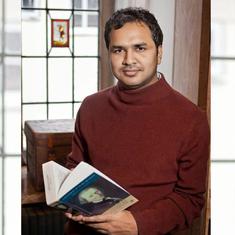
Adil Hossain, an anthropologist at the Azim Premji University in Bengaluru, was of the view that those who had already availed of the OBC quota would not be affected. The 2024 High Court judgement, he pointed out, had clearly stated that the services of existing beneficiaries “cannot be terminated and the benefits derived cannot be revoked”.
Hossain, who hails from Uttar Dinajpur district and frequently writes about the marginalisation of Bengali Muslims, was more concerned about the political changes that he expects in the state.
The Left and the Trinamool never approached the issue of backwardness among Muslims from the prism of social justice, said Hossain. “Hindutva forces can easily pit Hindu OBCs against Muslim OBCs here,” he added. “They can ask, ‘Since caste exists only among Hindus, why should Muslims get reservations?’ They are experts at this sort of identity politics.”
