





Earlier this fortnight, in The Milli Gazette, I argued that Indian Muslims should resist evaluating every emerging movement solely through the lens of immediate Muslim interests. Democracies are not defended only when our own rights are threatened. They are defended whenever citizens insist that power remain accountable.
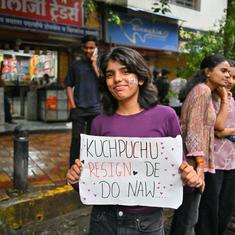
Over the past several weeks, I have watched the Cockroach Janta Party movement grow. I have also watched the Muslim response – not only the response of ordinary Muslims, but that of people and institutions regarded as community leaders.
Generally speaking, in spontaneous moments, while individual Muslims participate with conviction and passion, some established Muslim organisations and community leaders remain hesitant. Some wait. Some criticise. Some identify shortcomings. Others search for hidden motives. A number of them simply remain silent.
This scepticism is not irrational. Decades of surveillance, selective prosecution, media demonisation, communal violence and state manipulation have cultivated understandable caution. Distrust is often manufactured through repeated experience.
Nor is suspicion toward the Cockroach Janata Party uniquely Muslim. It has been widespread across many political and ideological spaces outside the Bharatiya Janata Party ecosystem. Veteran commentators, civil society activists and political observers have worried that the movement could resemble the Anna andolan, the anti-establishment mobilisation that, in their view, helped create the political conditions that brought the BJP to power in 2014.
For some experienced analysts, suspicion was the default response. Scroll’s own early coverage raised questions about the movement’s undefined ideology and its vulnerability to co-option. Such concerns were reasonable. They make the distinction between scrutiny and disengagement more important, not less.
State intimidation
In many sections of society, scepticism coexists with engagement. People debate, question, criticise and still participate. However, within parts of the Muslim community, scepticism too often becomes a reason to remain on the sidelines until the risks of state intimidation appear sufficiently low.
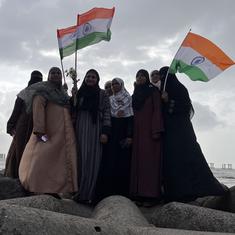
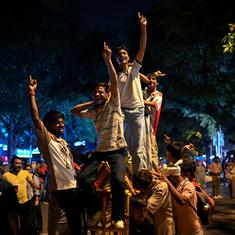
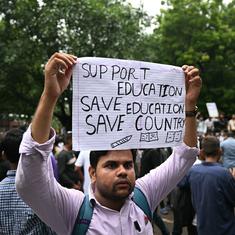
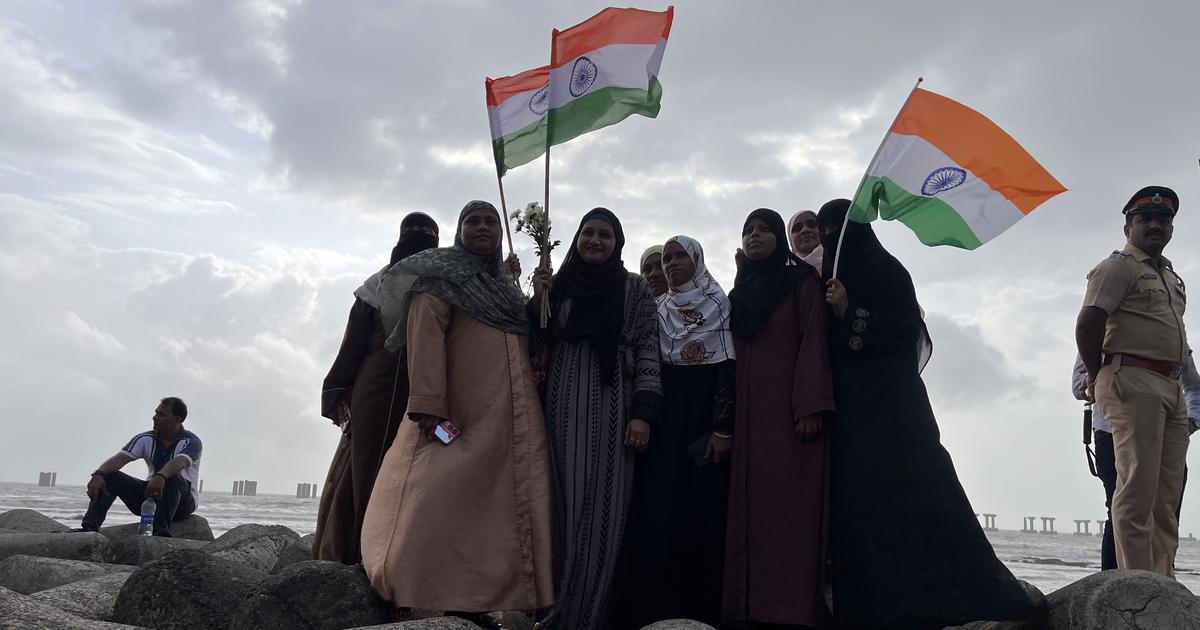
Ordinary Muslims have often responded differently. Reports described Muslims joining demonstrations, small businesses distributing food and water and community volunteers assisting protesters. Among them was Muhammad Junaid from Ghaziabad, who began distributing water at Jantar Mantar on June 6 and later helped provide food and other essentials. His account also illustrated that such participation can carry genuine personal risk, as he alleged that he had been detained by the Delhi Police, as was his family in Uttar Pradesh.
The absence of a highly visible institutional Muslim presence may also have produced one unintended benefit. It denied the state an easy opportunity to distract from the protesters’ demands by deploying its most effective political diversion: immediately turning a democratic movement into another Hindu-Muslim controversy.
Still, that should not become an argument for permanent organisational absence.
Every meaningful initiative passes through a difficult beginning. The earliest participants assume the greatest risks because they act before success is visible. Those who join after momentum has formed still contribute – but history is usually shaped by those willing to move first.
Communities are no different.
Those who invest their time, credibility and resources when success is uncertain may face disappointment or retaliation. Yet they also create the possibility of influence. Those who wait until the outcome is obvious assume less risk, but they also surrender much of the opportunity to shape the movement’s direction.
I sometimes wonder whether my community has instinctively institutionalised caution. Years of state intimidation understandably taught many senior leaders that survival required minimising exposure. History explains that instinct. It need not permanently define it.
Young Muslims increasingly seem to understand this distinction. Many no longer ask whether every movement is specifically “about Muslims”. They ask whether it concerns justice, democratic accountability, public institutions, and the expansion of civic space.
That is a healthier question.
The Cockroach Janta Party should not be placed beyond criticism. It is neither an established political party nor a movement with a clearly defined ideological programme. Like any rapidly expanding mobilisation, it could make mistakes, be co-opted or develop contradictions.
But scrutiny should not become paralysis. Nor should ideological perfection become a prerequisite for solidarity.
For Indian Muslims, the deeper question is not whether every demand perfectly reflects our own priorities. It is whether we wish to participate in India’s democratic future or remain permanent spectators waiting for invitations that may never arrive.
Defending democracy
Communities cannot build influence only by defending themselves. They also build influence by standing where democratic principles themselves are under pressure. That requires discernment, courage and occasionally the willingness to act before success appears inevitable.
I remain optimistic – not because the challenges facing Indian Muslims have diminished, but because younger Muslims increasingly appear less interested in owning movements than in strengthening democracy itself. They seem less concerned about who receives credit and more concerned about whether something worthwhile succeeds.
The responsibility now rests with the community’s senior leadership. Wisdom is measured not only by experience, but by the ability to recognise changing realities, encourage responsible risk-taking, and prepare the next generation to lead in circumstances different from those their predecessors faced.
Experience should become a bridge to the future, not a barrier that prevents the next generation from engaging confidently with the democratic opportunities before them.
Perhaps that is an important lesson the Cockroach Janta Party has offered – not about politics alone, but about the difference between caution that protects a community and caution that ultimately confines it.
Rasheed Ahmed is the Executive Director of Indian American Muslim Council.
