





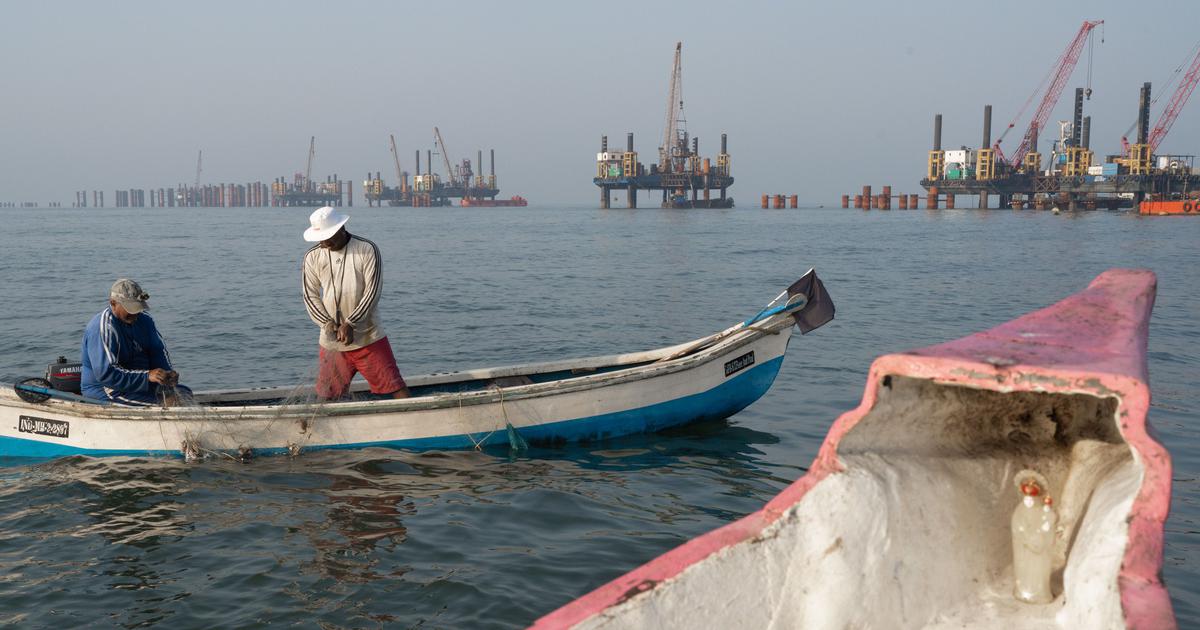
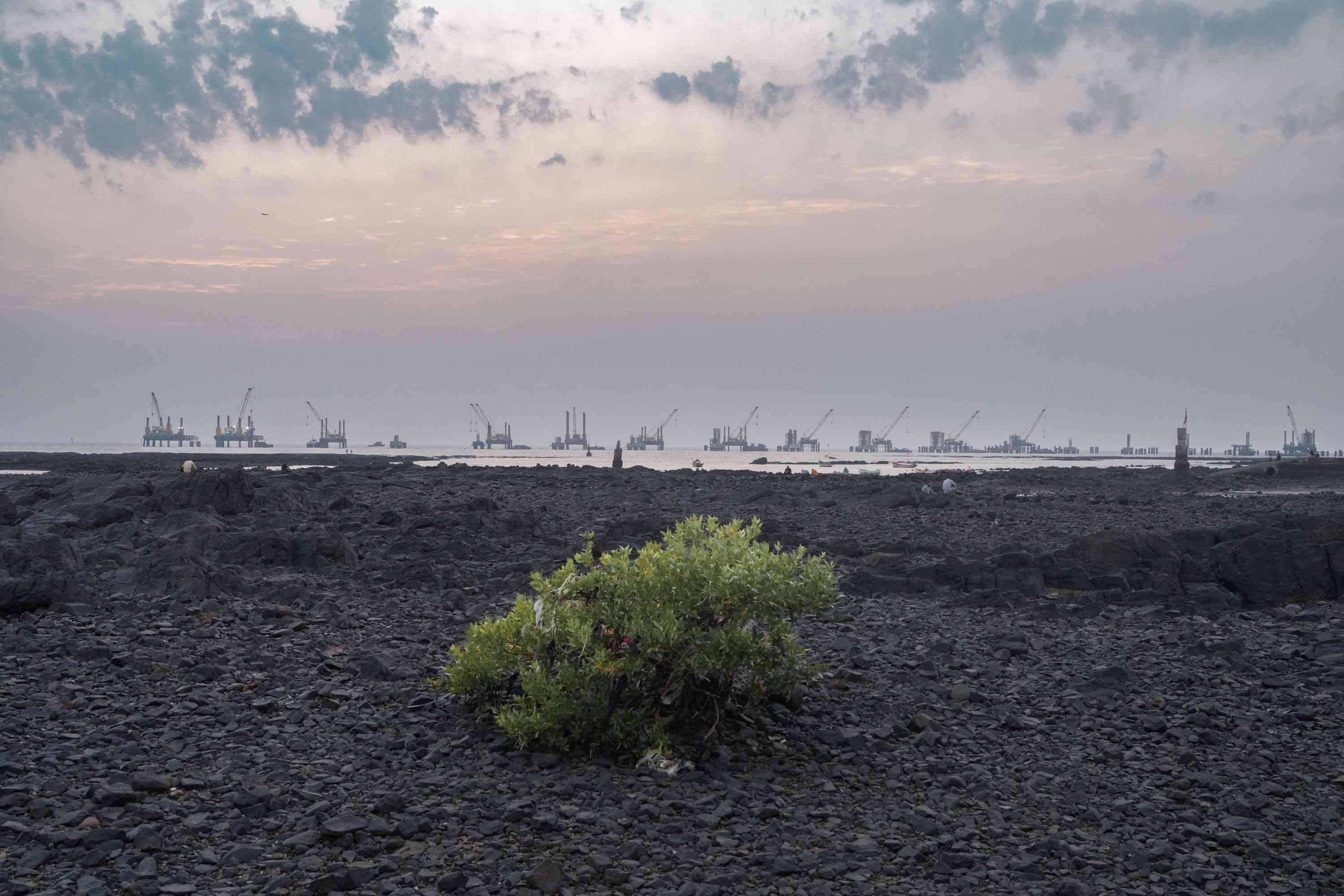
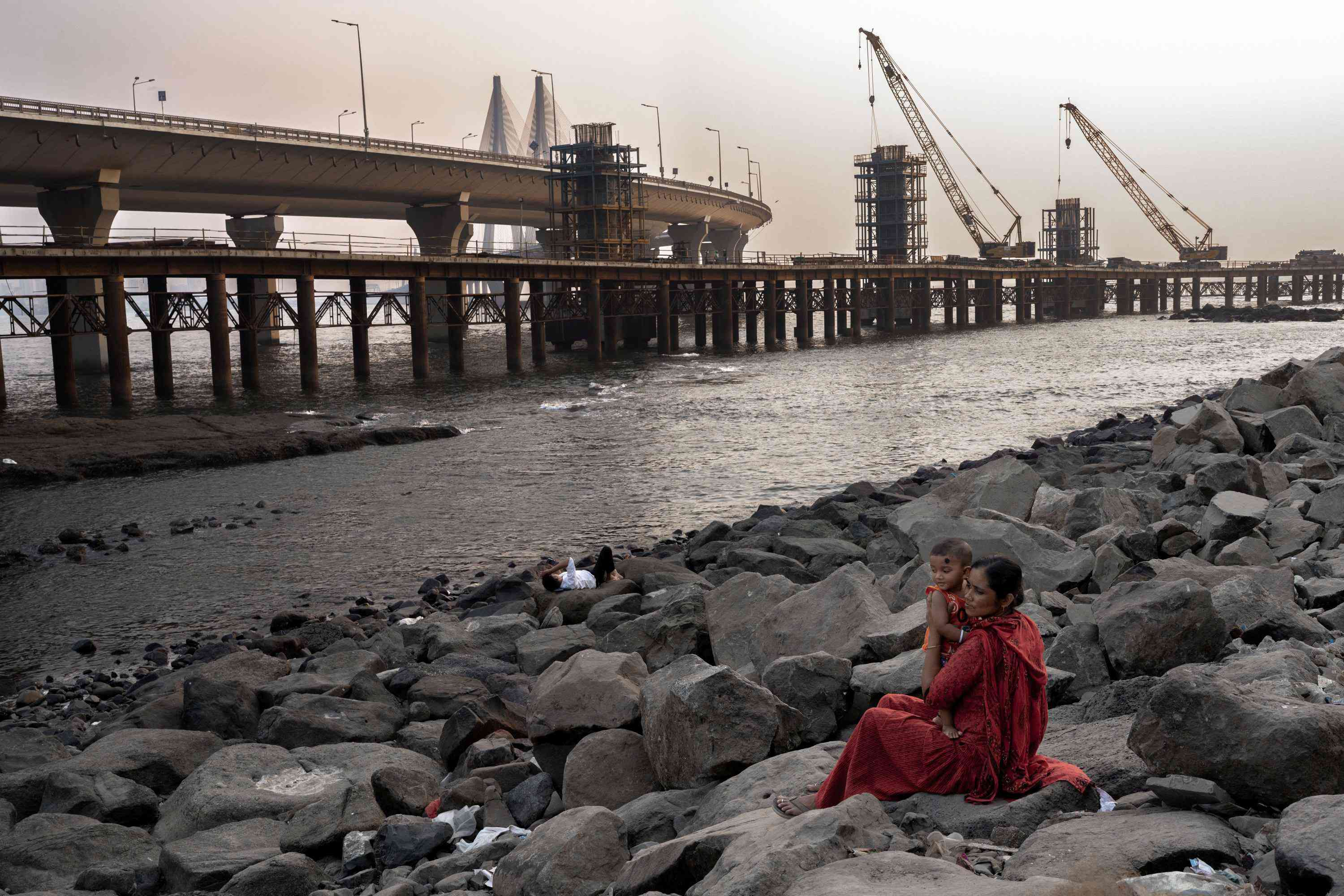
Standing in front of pillars being constructed for Mumbai’s Coastal Road in Mora Gaon, Juhu beach, Manav Mangela showed off the haul from the two-hour fishing trip he had taken with his cousin and uncle that morning. Their catch has earned them around Rs 1,500, barely enough to support a family in one of India’s most expensive cities.
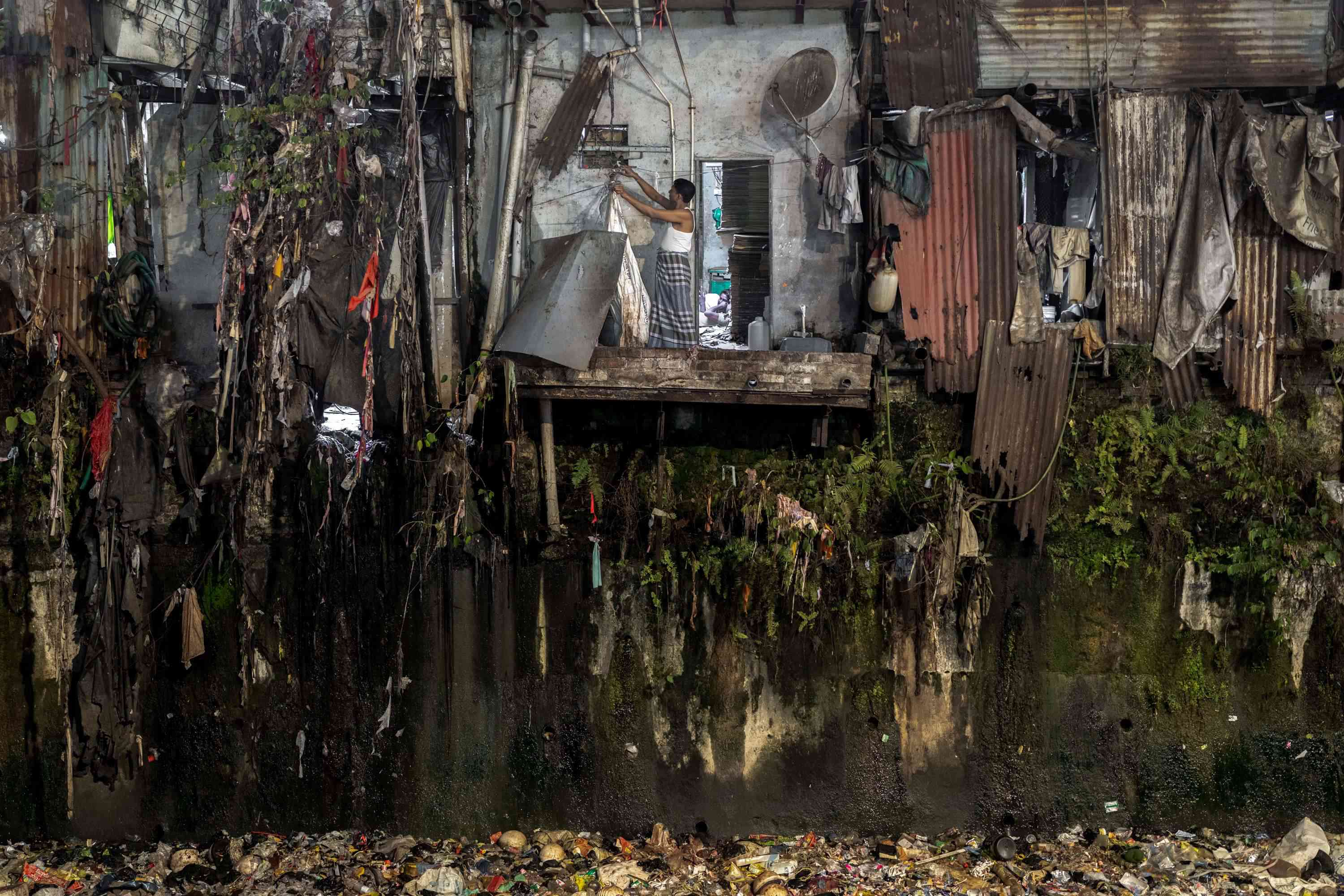
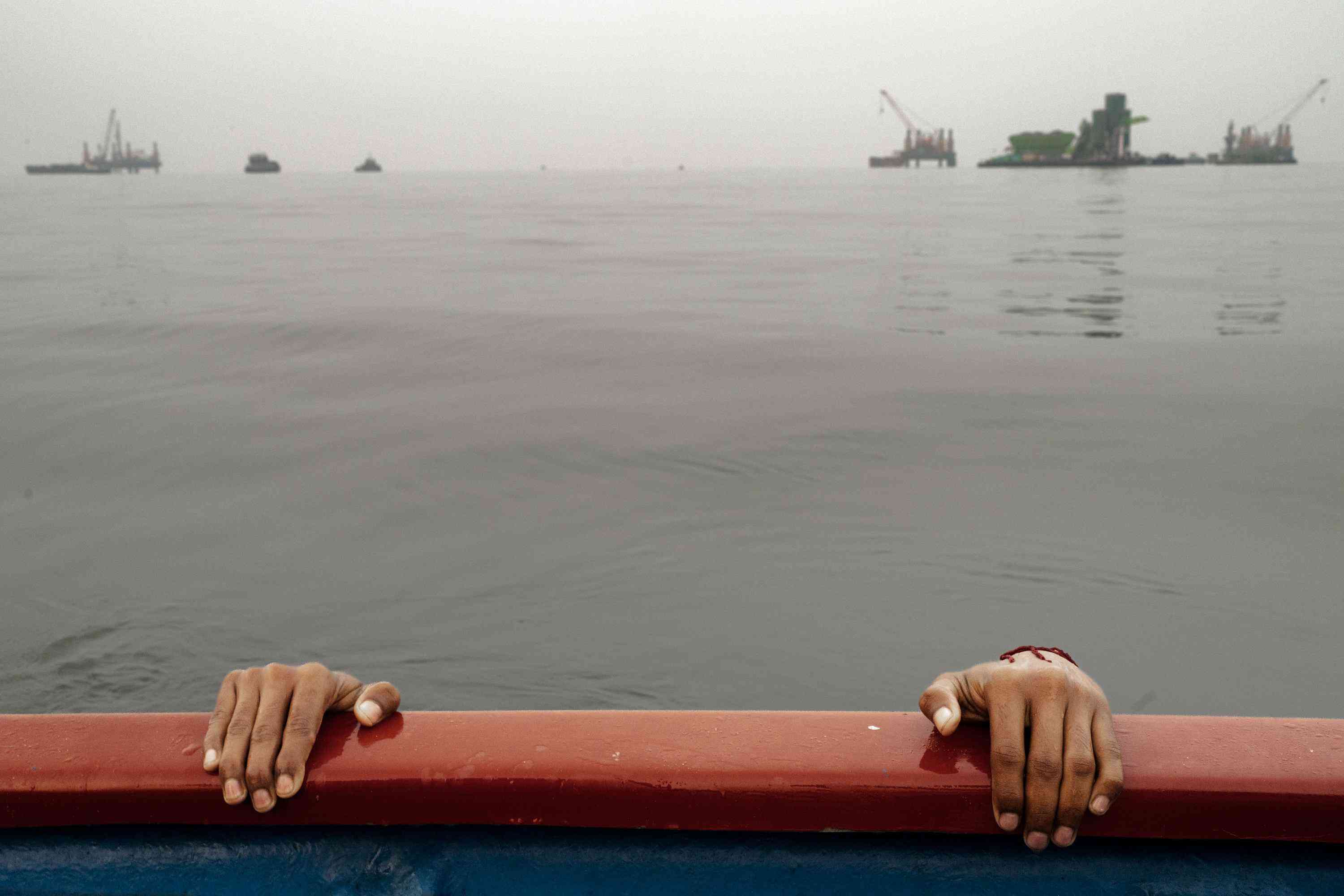
Until three decades ago, their village was on the edge of an estuary and they had easy access to the water. But now, the mudflats have been filled over and the shore is contaminated by industrial waste and plastic.
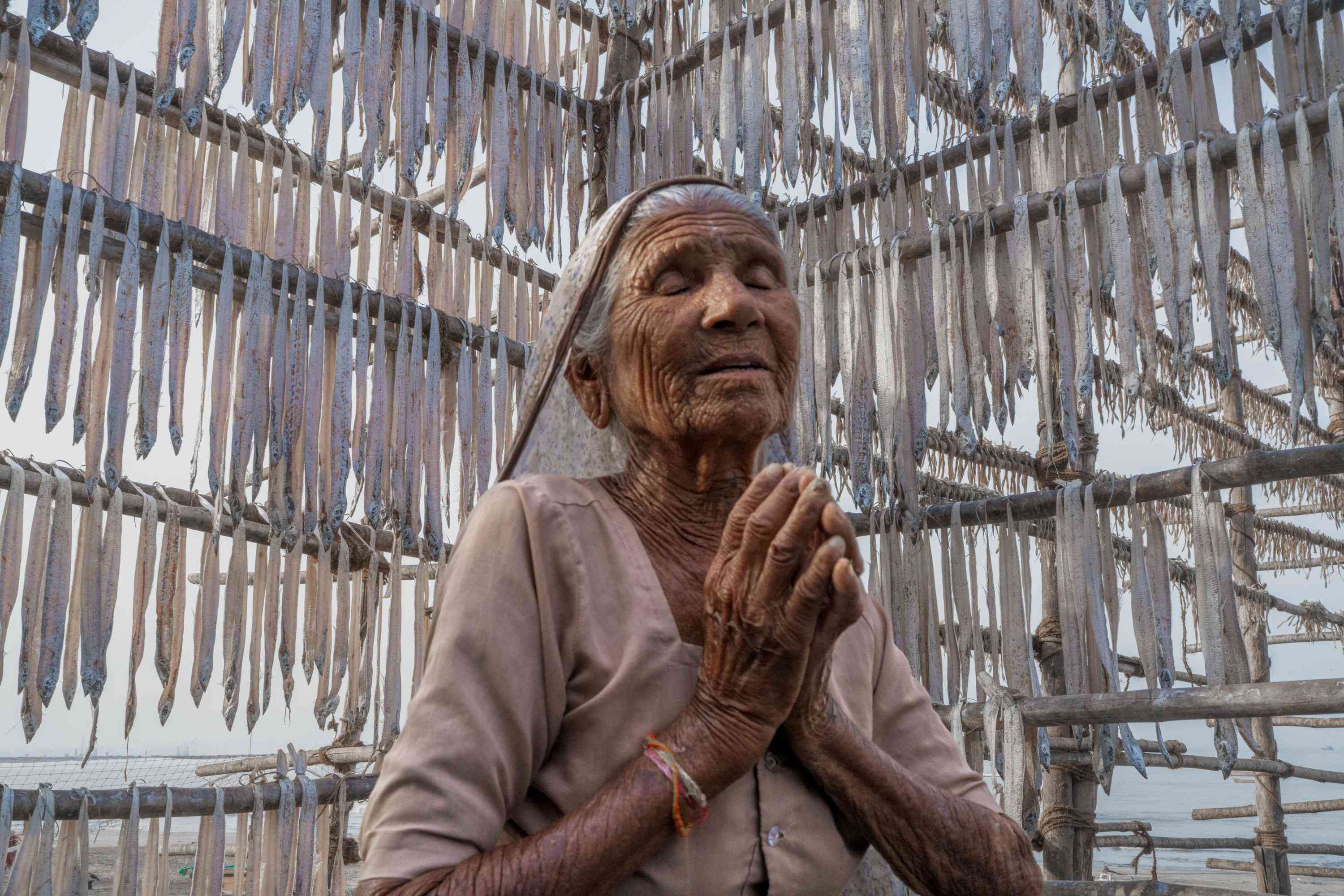
The Mangela family are Kolis, members of the indigenous fishing community that have lived in Mumbai centuries before it became India’s financial capital. An estimated 500,000 Kolis still live in the city, though only 20% still depend on artisanal fishing for a living.
Their habitations and way of life have long been under threat from landsharks and toxic levels of oceanic pollution off the city shore. But this new infrastructure project may now finally put an end to it all.
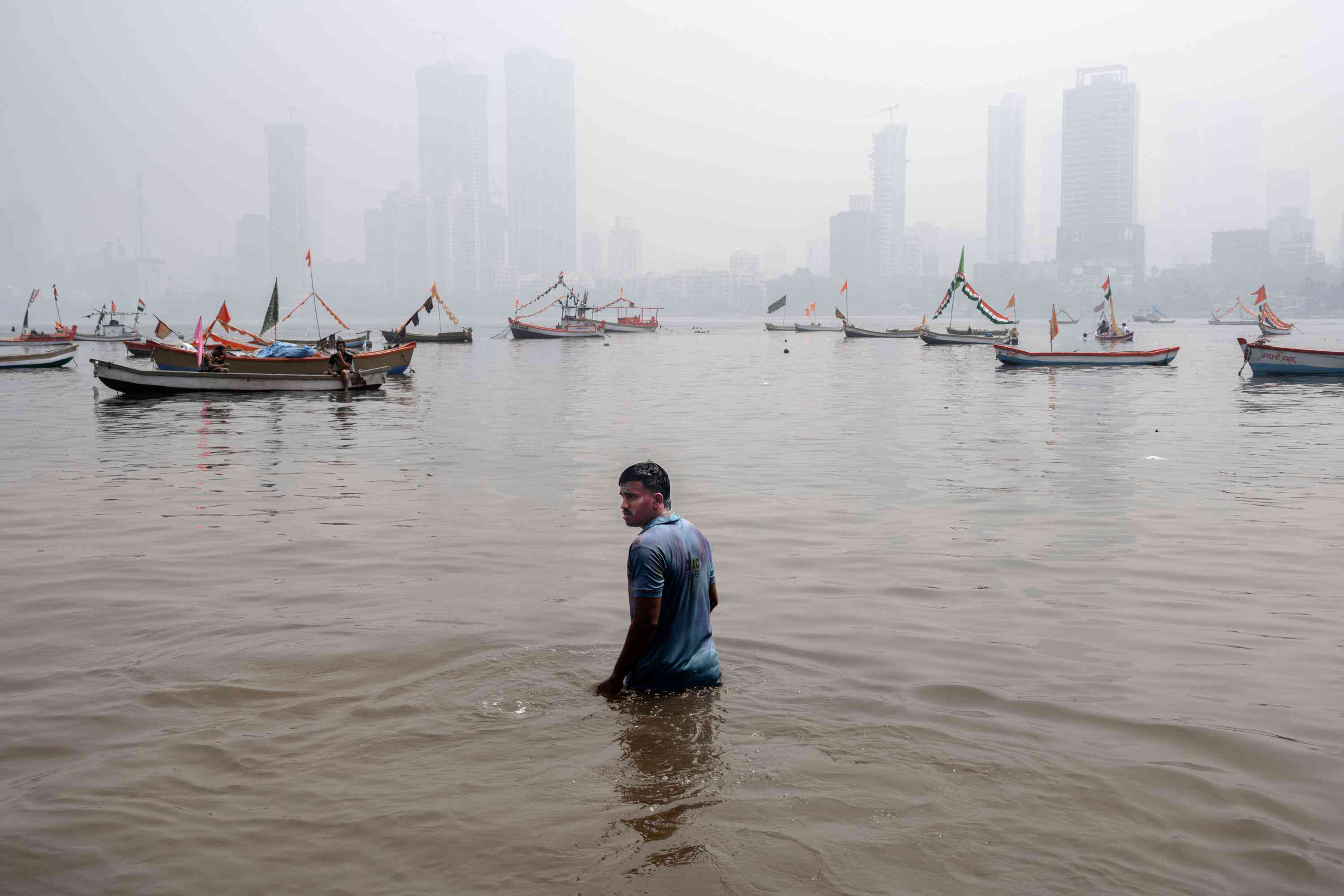
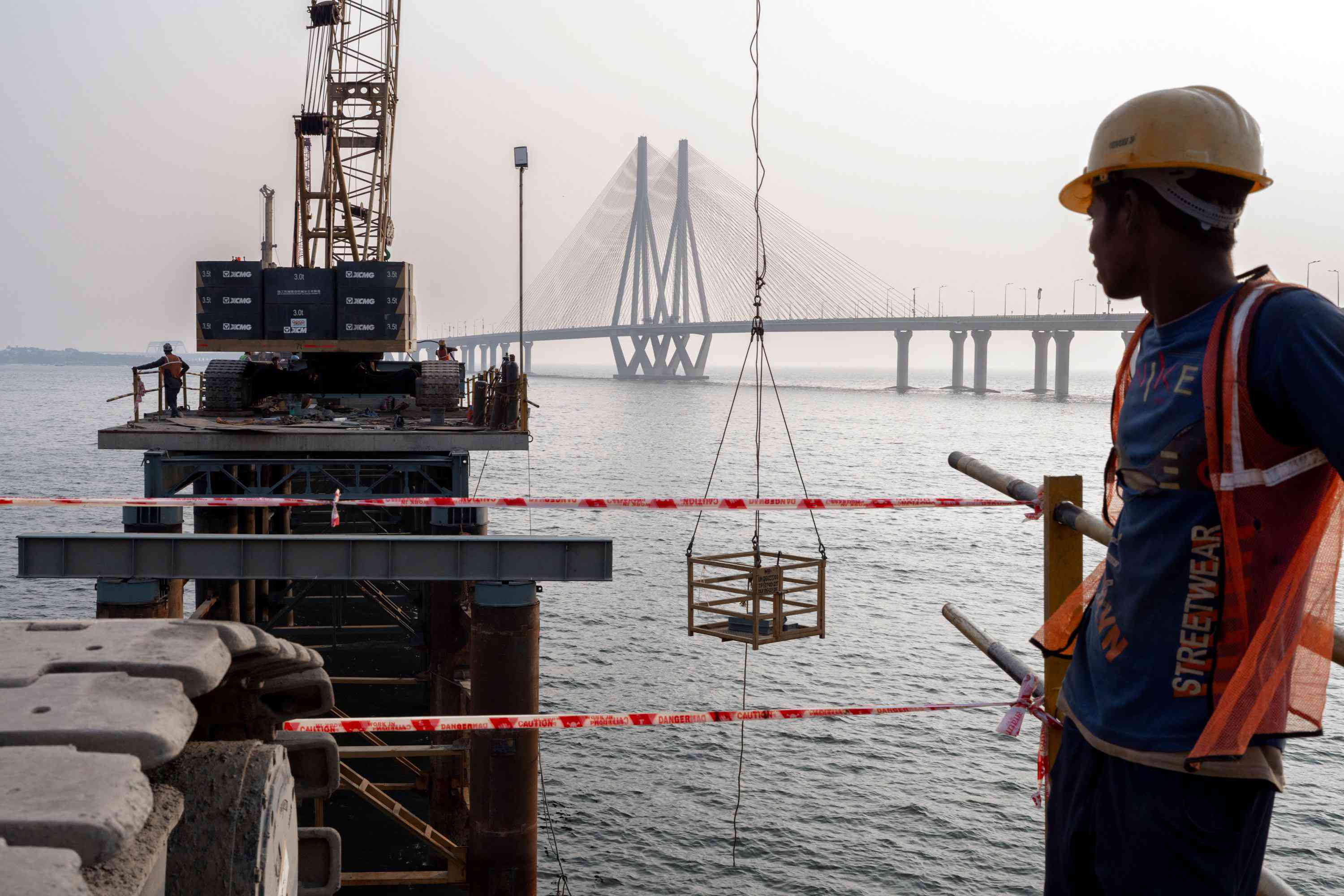
The Coastal Road – one of Mumbai’s largest infrastructure projects, costing Rs 14,977 crore ($1.8 billion) – promises faster travel for car owners between South Mumbai and the city’s western suburbs.
A 10.58-km section between Marine Drive and Worli is already operational. A further coastal corridor extending north, including the stretch past Juhu, is under construction. It is expected to be completed in stages between 2026 and 2028.
The project has become a flashpoint in a wider debate about who Mumbai is being built for.
The city is home to roughly 90% of India’s billionaires, while more than six million people live in informal settlements – around 55% of the population of central Mumbai. Some 64% of the Mumbai Metropolitan Region’s 22.5 million residents depend on public transport for their daily commutes.
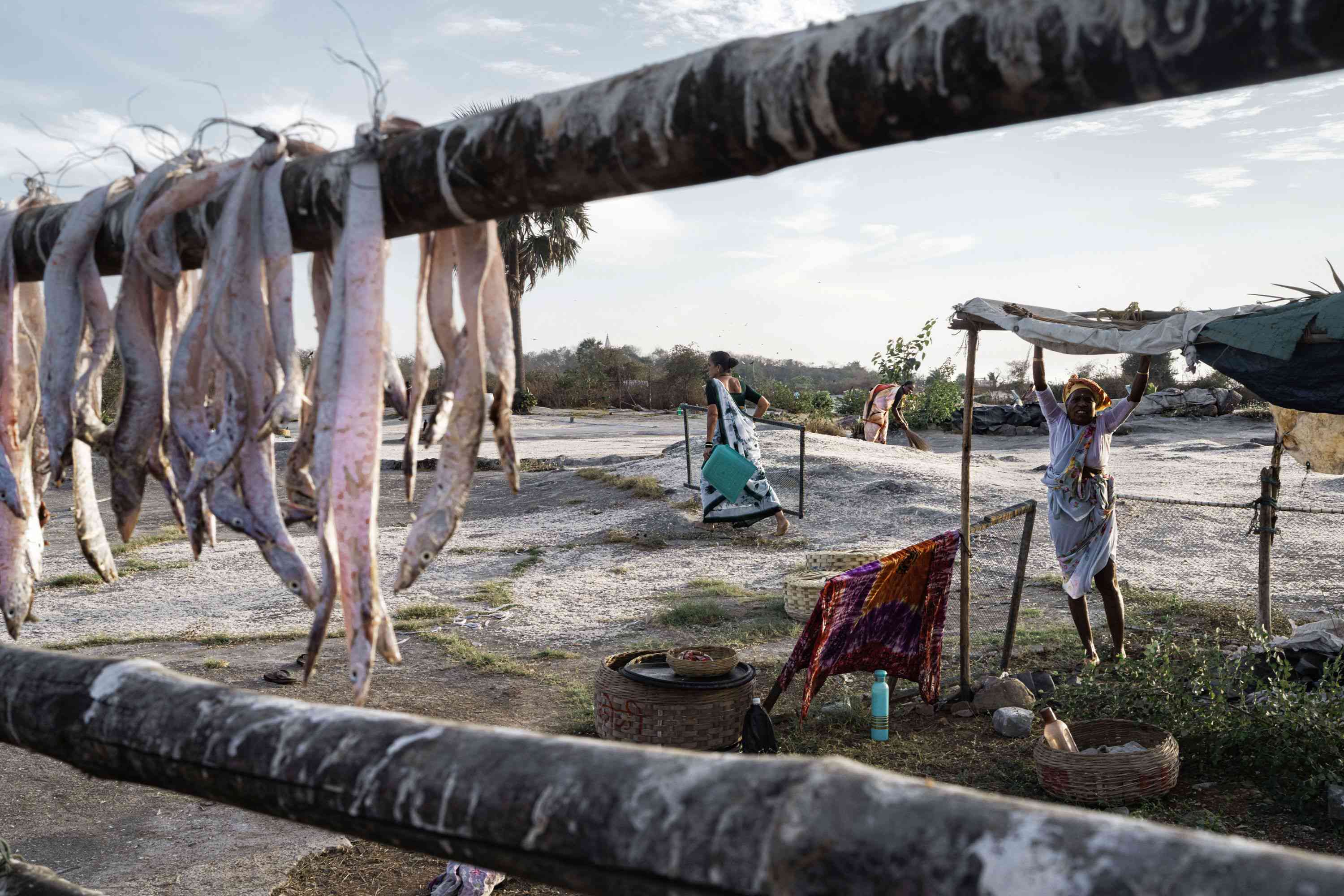
Urban designer Ketaki Bhadgaonkar sees the Coastal Road as more than a transport project. “It represents a vision of Mumbai centred on private mobility,” she said. “While presented as a project for the city, it prioritises infrastructure for cars over investments that would benefit a much larger share of residents. The communities that bear the environmental and social costs – particularly the Kolis – have limited influence over how such projects are planned and implemented.”
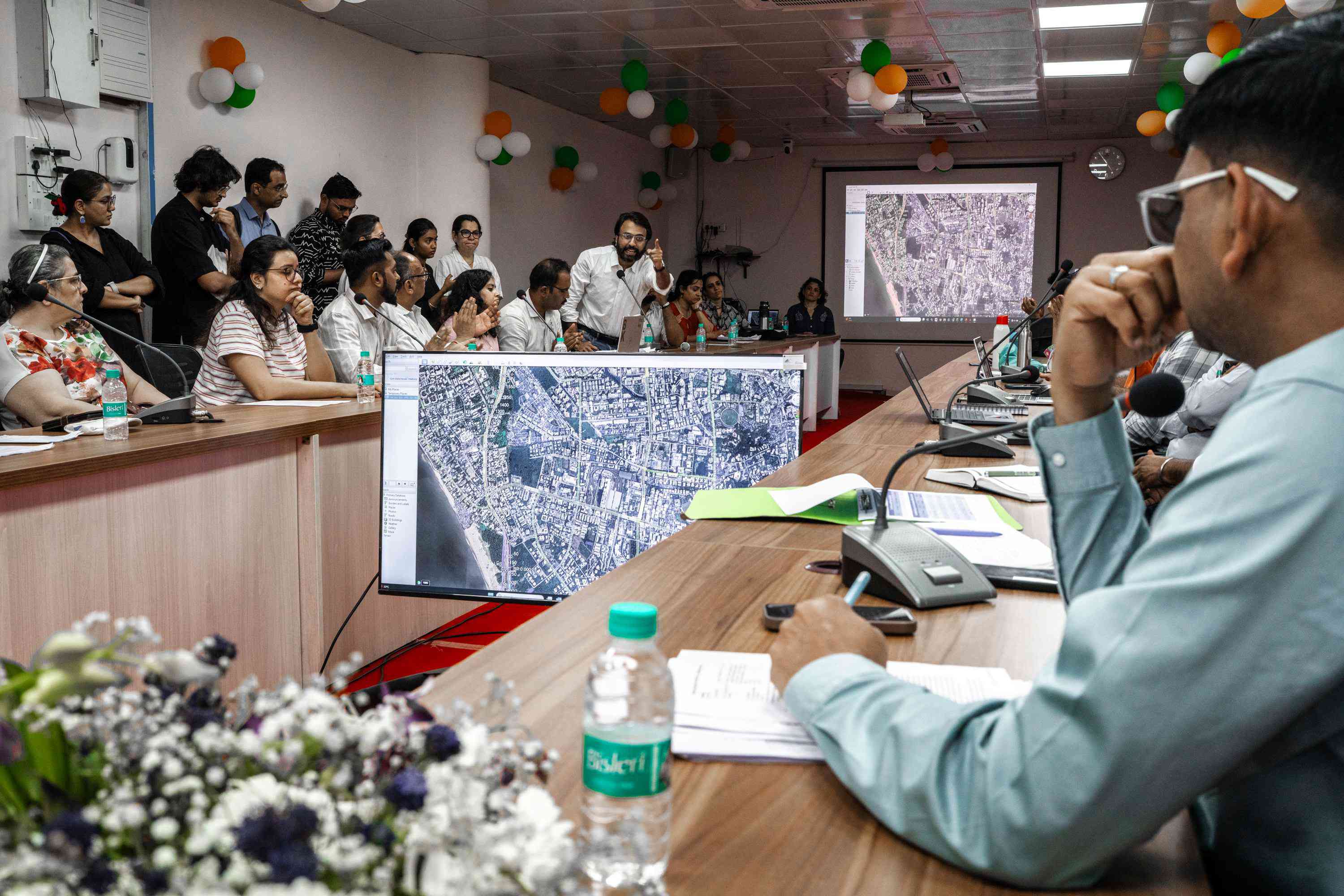
Municipal officials reportedly argued that no separate public hearings were required because the road alignment did not pass directly through fishing villages.
In 2019, the Bombay High Court set aside initial environmental clearance after fishing communities challenged the approval, ruling that a more robust assessment was required. The project later resumed under revised clearances.
“Sometimes you have to give up something for a greater good,” said Pranav Krishan, a Mumbai entrepreneur. “Traffic congestion had become a huge problem. Yes, marine life will be affected, but overall the population of Mumbai will benefit. Once the full network is completed and connected across the city, it will be a game changer.”
Built on a narrow peninsula and expanded through centuries of land reclamation, every square metre of Mumbai carries enormous economic value. Before modern development, the city was an archipelago of fishing hamlets. Now, only around 30 survive.
Many have been classified as slums – a legal designation that makes their land eligible for clearance and redevelopment, opening it to demolition and private construction.
For fishing communities, the dispute goes beyond a road. It is about territory. As Mumbai’s population grows, Koli settlements, fishing grounds and mangroves compete for space with infrastructure projects, redevelopment and real-estate expansion.
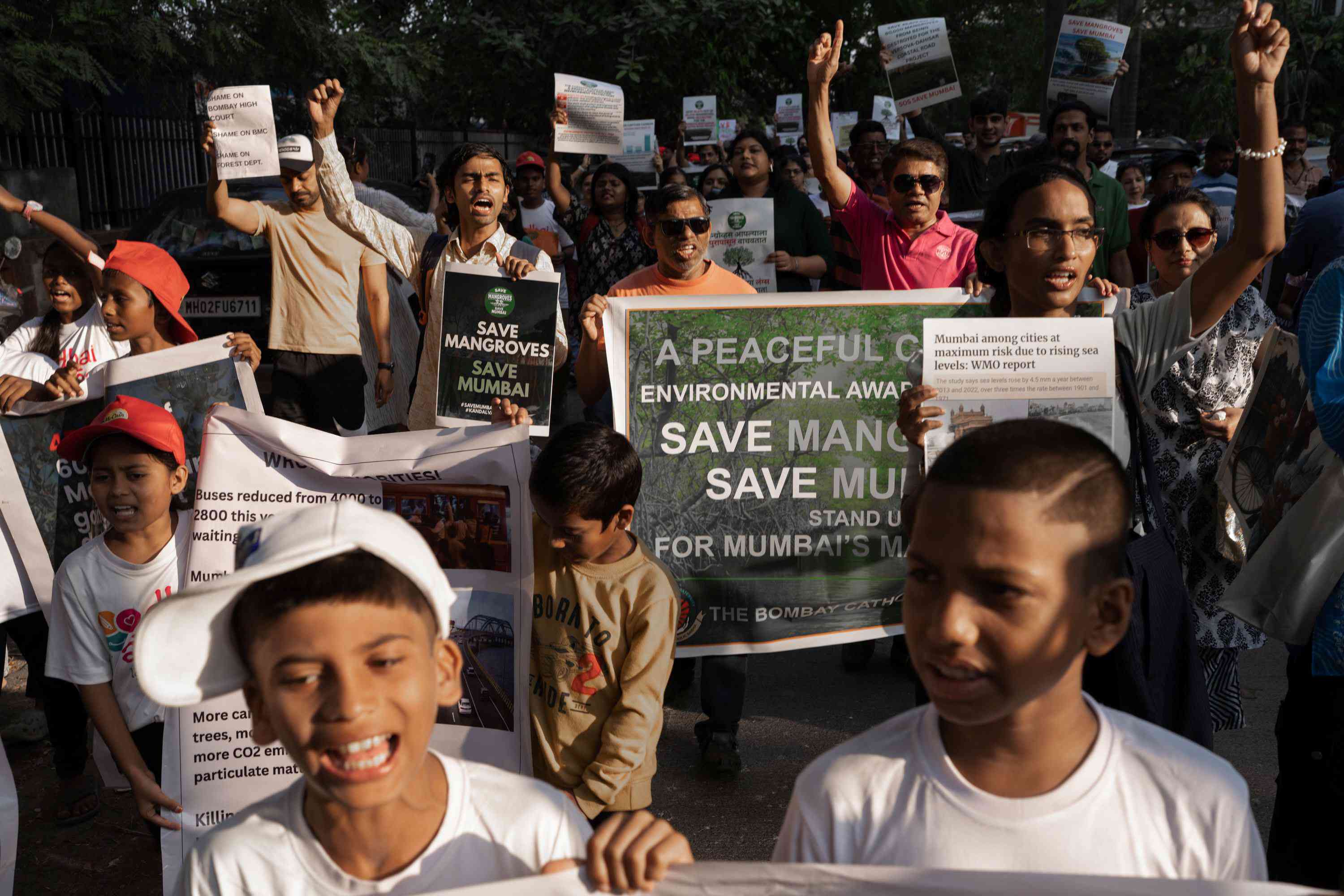
Koli organisations have long argued that reclamation, construction activity and altered tidal flows have damaged near-shore habitats where many fish species breed. Mangroves serve as nurseries for many of those same species – and as a natural flood barrier in a city regularly inundated during the monsoon.
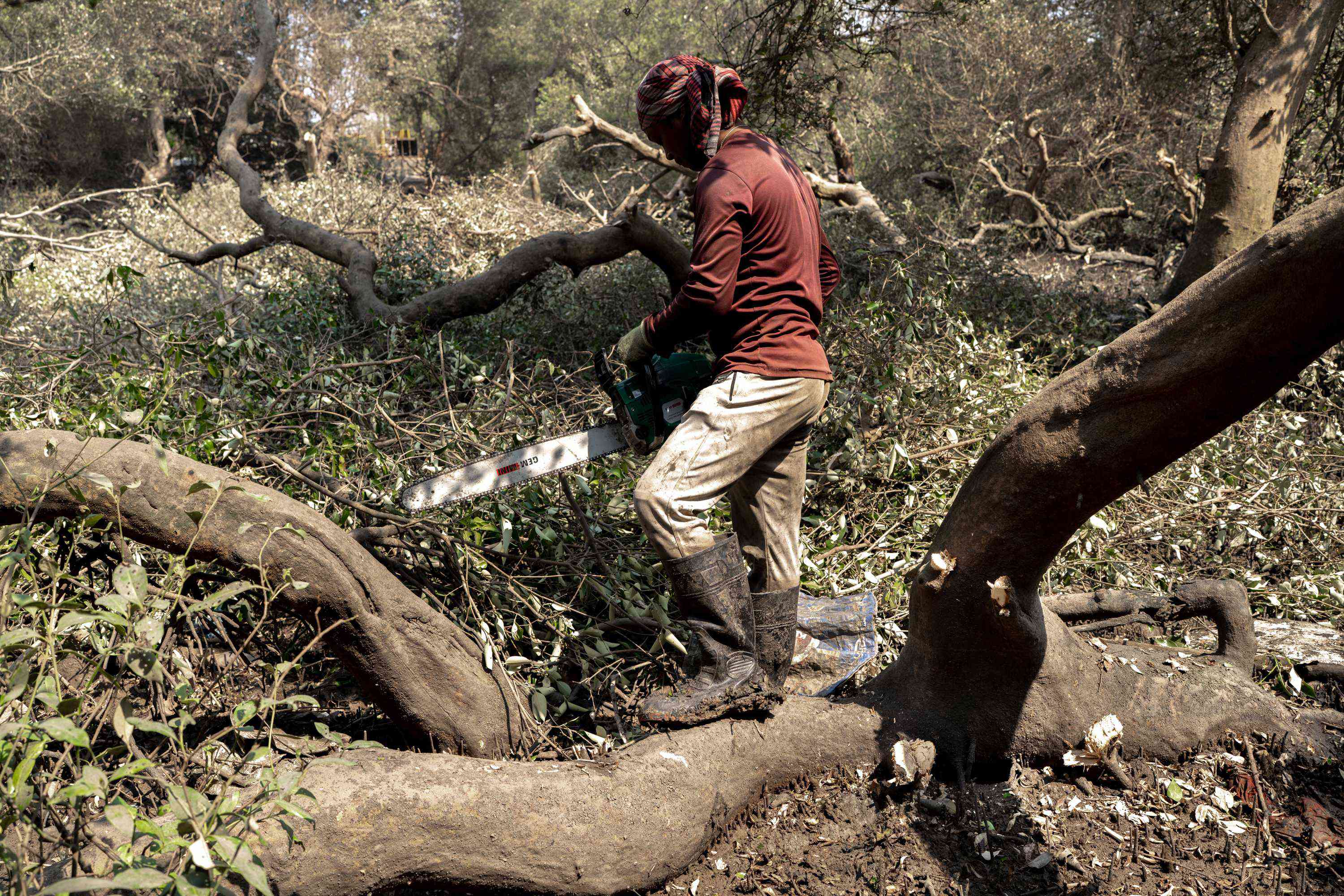
Since 1991, Mumbai has lost approximately 40% of its mangrove cover. On March 20, the Supreme Court allowed the felling of approximately 45,000 mangrove trees along the Coastal Road’s northern extension.
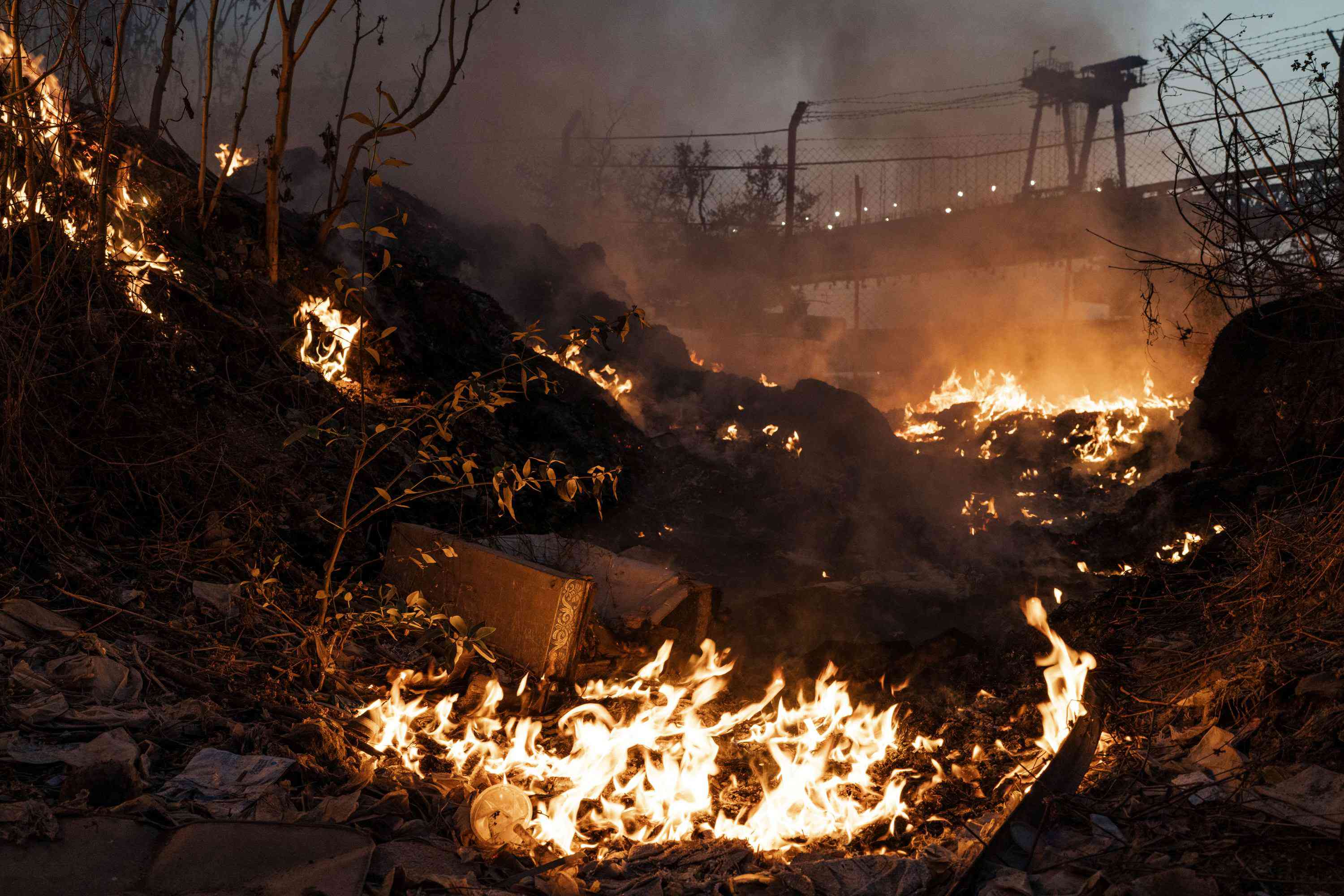
“The problem is not only what is removed today,” said Vidushi Kala, an environmental lawyer. “It is what becomes impossible tomorrow. Once ecological systems are fragmented, their functions are often lost long before people realise it. By the time the consequences become visible, the ecological relationships that sustained both nature and livelihoods may already be gone.”
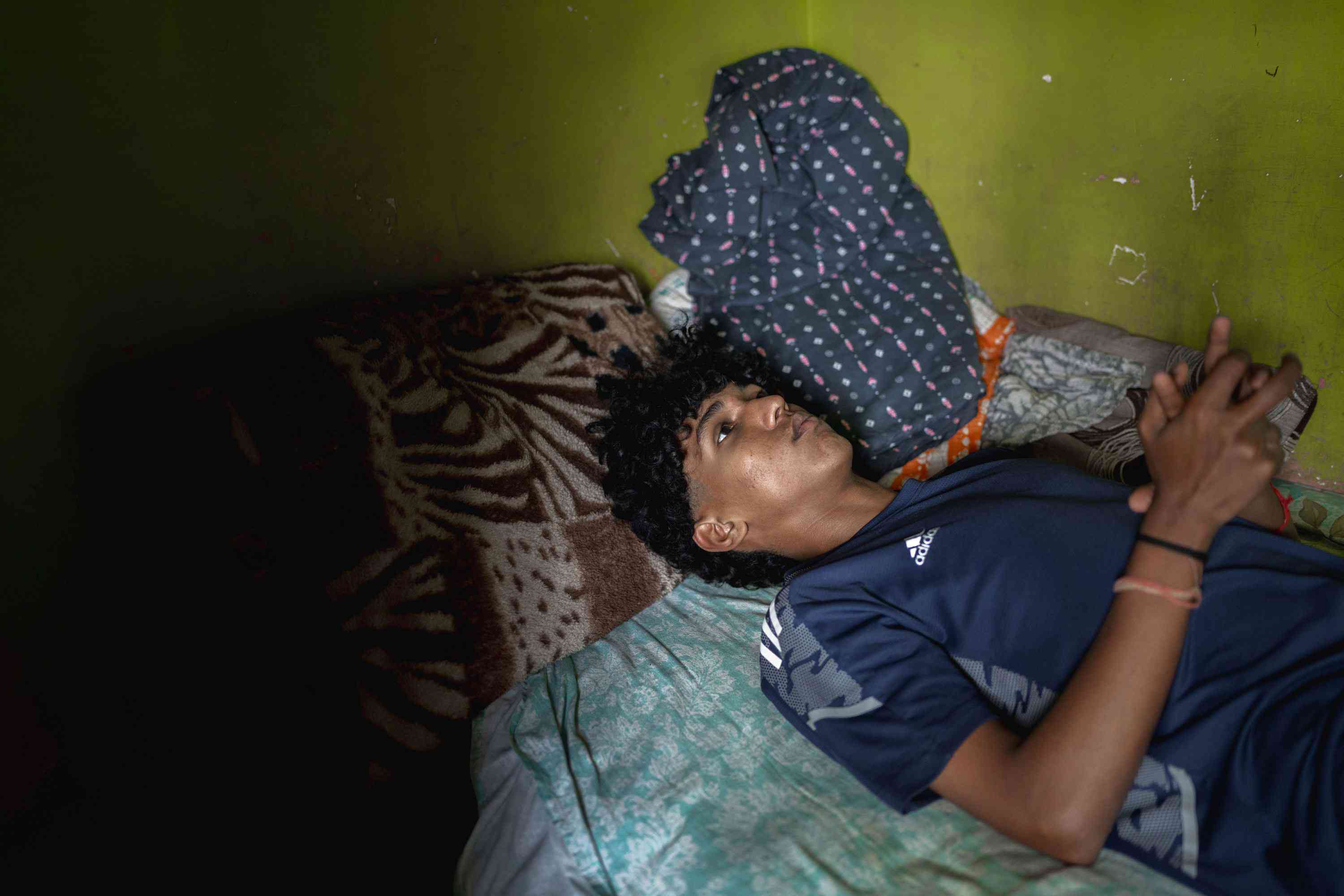
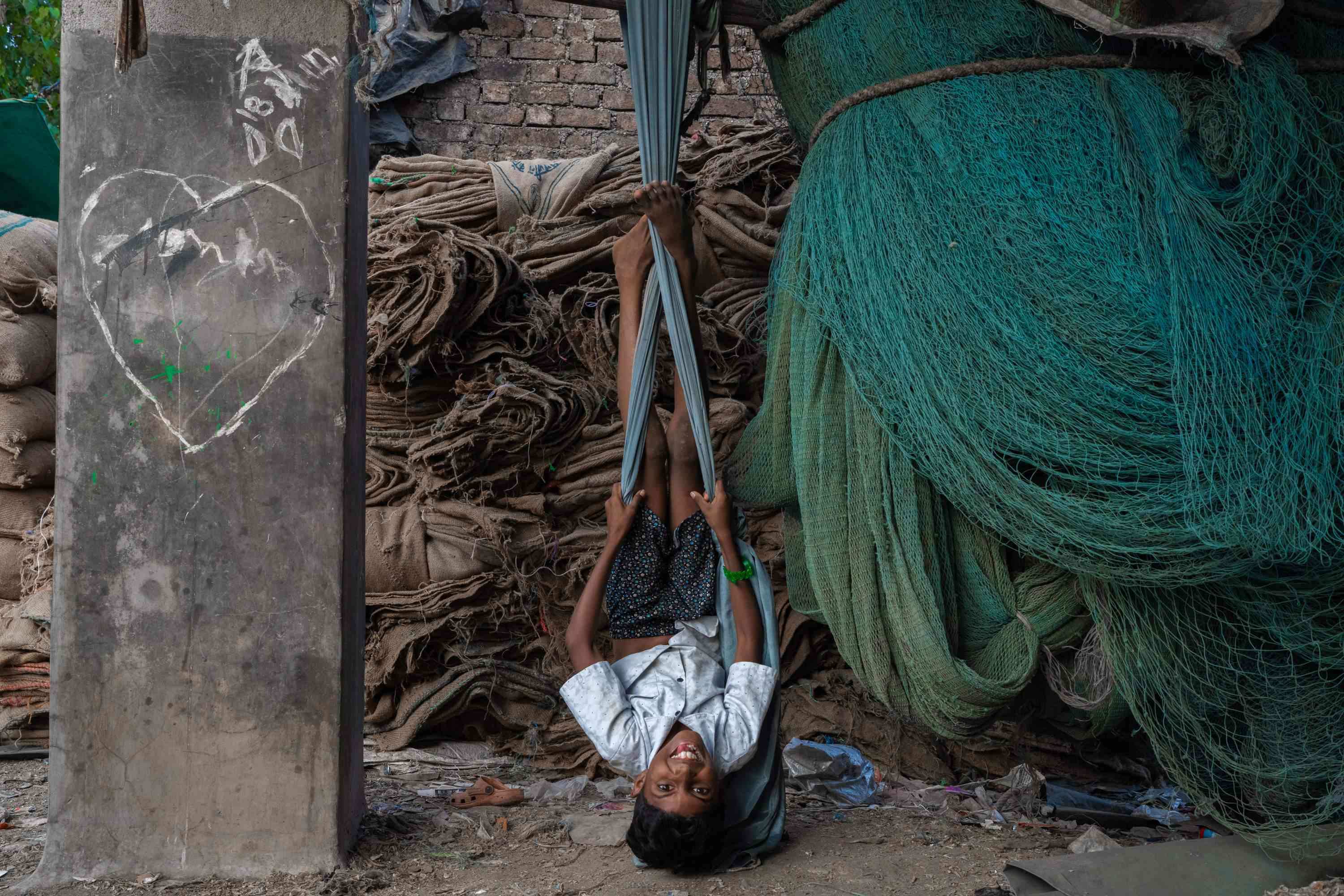
For 41-year-old Shilpa Mangela, Manav’s mother, fishing is not just work but a family tradition that stretches back generations. Living in a settlement the authorities classify as a slum, she says life in the community has become harder.
“We had plenty of fish,” she said. “Today there are far fewer. The community is struggling much more than before, and it is becoming harder to earn a profit. Nobody sees our work. Everyone is busy in their own world. They don’t see how hard we work.”
Asked what has changed most during her lifetime, she talks about the sea.
“The coast was peaceful,” she said. “Only fishermen were here. We had so many fish that we would go out four times a day. Today everything has changed. I don’t want my son to be a fisherman.”
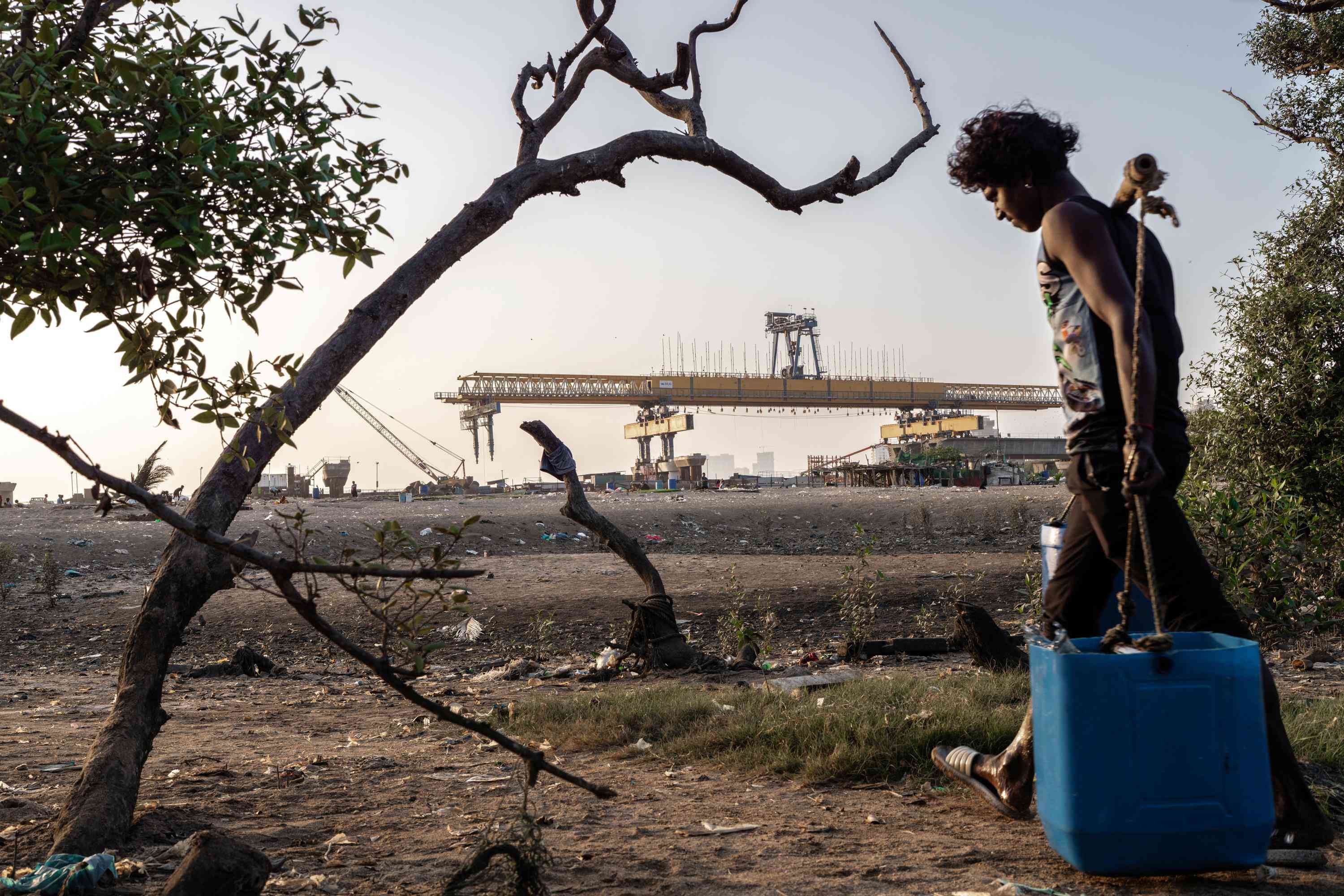
At 18, Manav is weighing whether to continue fishing or find work elsewhere in the city. “Profits are too low, and my parents know how hard it is,” he said. “If our generation leaves fishing, Mumbai will continue as it is.”
He added: Mumbai doesn’t care who you are. If you work, you stay. If you stop working, Mumbai moves on without you.”
His mother thinks Koli culture may survive another generation, but not the fishing that sustains it.
“In 20 years, only a few people will still fish,” she said. “In 30 years, there may be none left in this area. The city is developing. The government will move us into apartments and build towers and hotels near the coast.”
Added Manav: “By leaving the sea, we lose our identity, our culture and the memories we made fishing with our family and friends. We are Mangela, we are Koli, we are known as the kings of the sea.”
Nicolò Brugnara is a documentary photographer born in Italy with a background in environmental science. Based in Mumbai, his work documents environmental and social stories across India. See more of his work here.
