




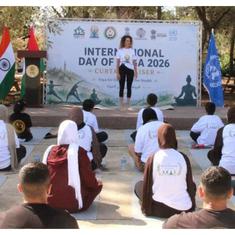


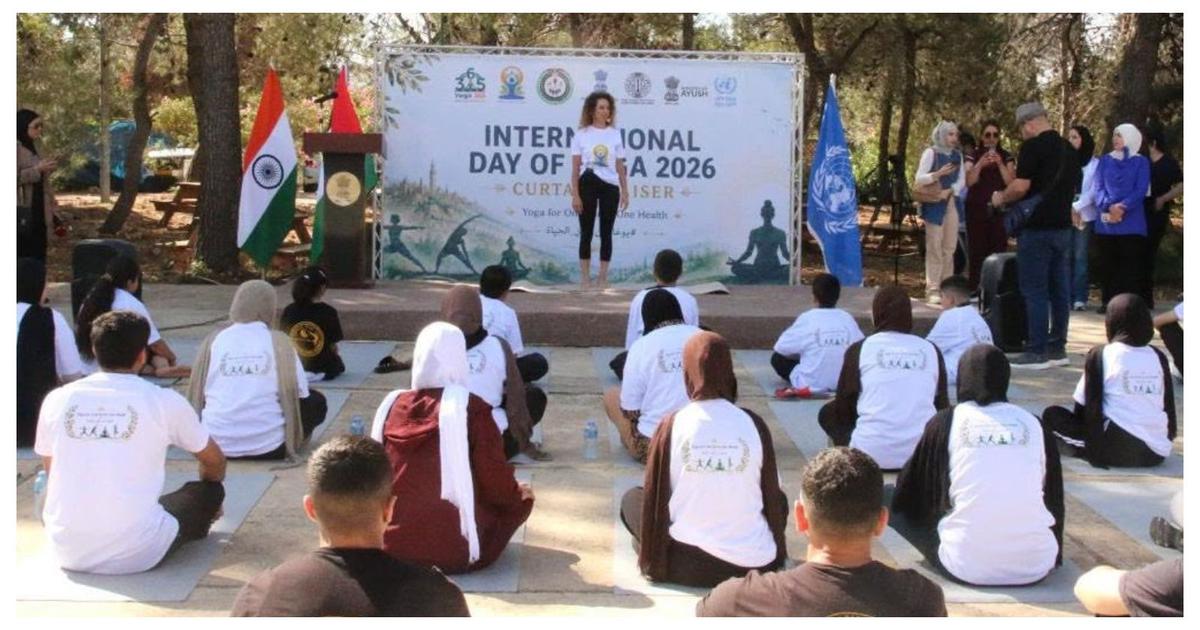
Yoga has become a prominent feature of India’s cultural diplomacy abroad, with the government, from 2014 onwards promoting it more forcefully as a key instrument of soft power.
“Yoga is truly universal. Friends, when we do yoga, we feel physically fit, mentally calm and emotionally contained,” India’s Prime Minister Narendra Modi said in 2014.
“But this is not just about doing exercises on a mat, yoga is a way of life. A holistic approach to health and wellbeing, a way to mindfulness in thought and action. A way to live in harmony with self, with others and with nature,” he added.
Much of this yoga diplomacy has been concentrated in the West.
Led by India’s Ministry of Ayush (Ayurveda, Yoga and Naturopathy, Unani, Siddha and Homoeopathy), the Indian government has used yoga as a means of marketing India as a place of peace, harmony and safety.
This has been especially egregious given that India has grown increasingly authoritarian and intolerant towards minorities under Modi’s administration.
“Modi has mobilised yoga to obfuscate the increasing violence, inflexibility, and intolerance of difference under his administration,” Anusha Lakshmi wrote in 2020.
And it is in Palestine that India’s use of yoga has been arguably most problematic.
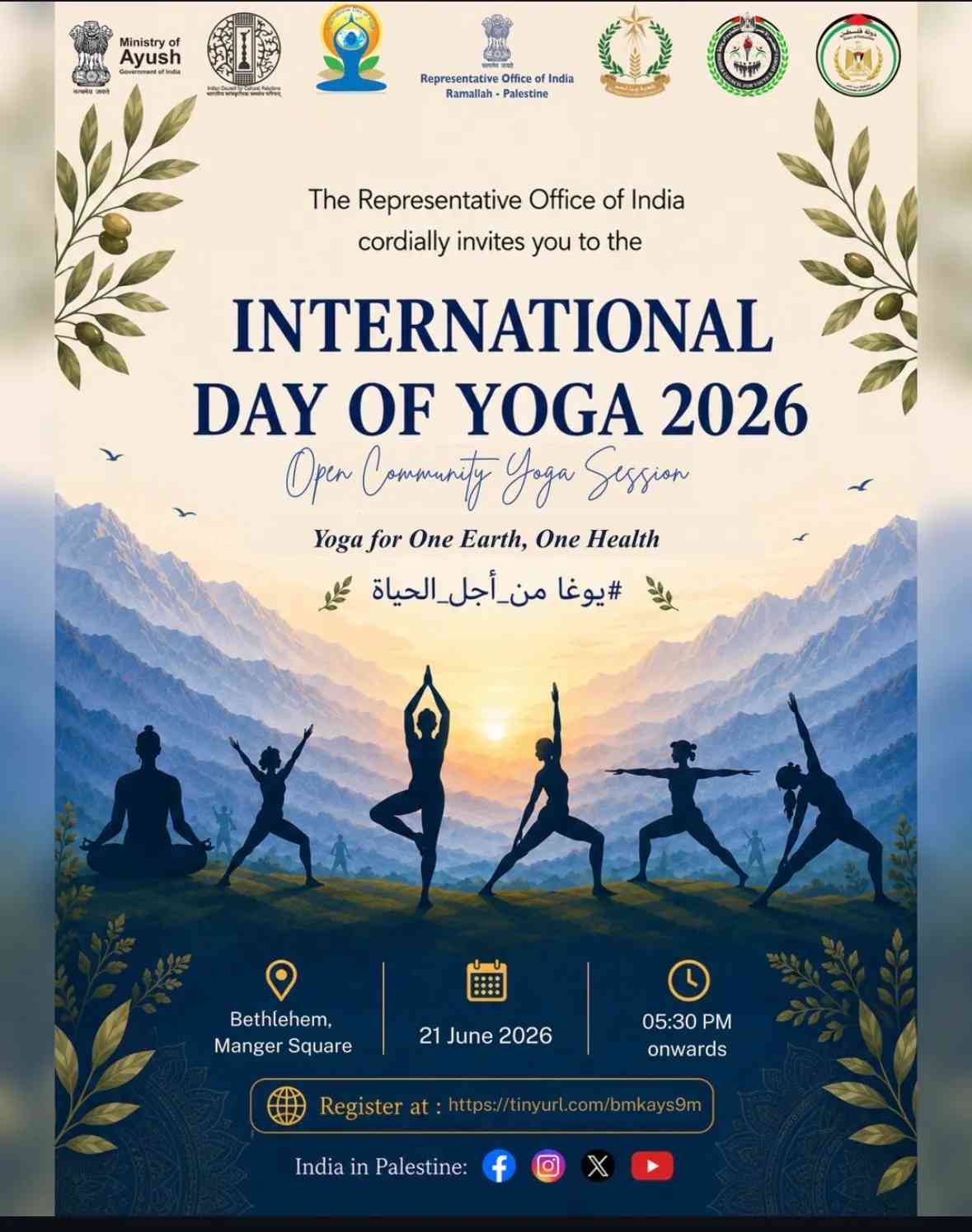
Exhibit A: March 9, 2025
In the midst of the genocide in Gaza, the Indian mission to Palestine asked for nominations for the Prime Minister’s Award for yoga.
In the graphic shared online, the Mission wrote: “Celebrate the power of yoga in transforming lives.”
Just the day before, on March 8, 2025, seven Palestinians were killed by Israel in Gaza, taking the death toll by the end of the day to 48,453 , with a further 111,000 injured, and thousands more still buried under the rubble.
The next morning, on March 9, Israel’s Energy Minister Eli Cohen ordered an immediate halt to electricity supplies to Gaza, jeopardising the operation of desalination plants relied upon by hundreds of thousands.
It was Ramadan. Aid shortages were worsening, and a tenuous ceasefire hung by a thread.
Meanwhile, in the occupied West Bank, attacks on Palestinian civilians in Jenin, Tulkarm, and Tubas continued.
It was reported that there were around 10 incidents in January 2025, with attacks surging to nearly 100 in February 2025.
“Since the operations began on 21 January, around 40,000 Palestinians have fled camps in Jenin and Tulkarm, marking the largest such displacement since the 1967 Six-Day War,” the Armed Conflict Location & Event Data monitor said.
India’s response to these calamities was to promote yoga to Palestinians.
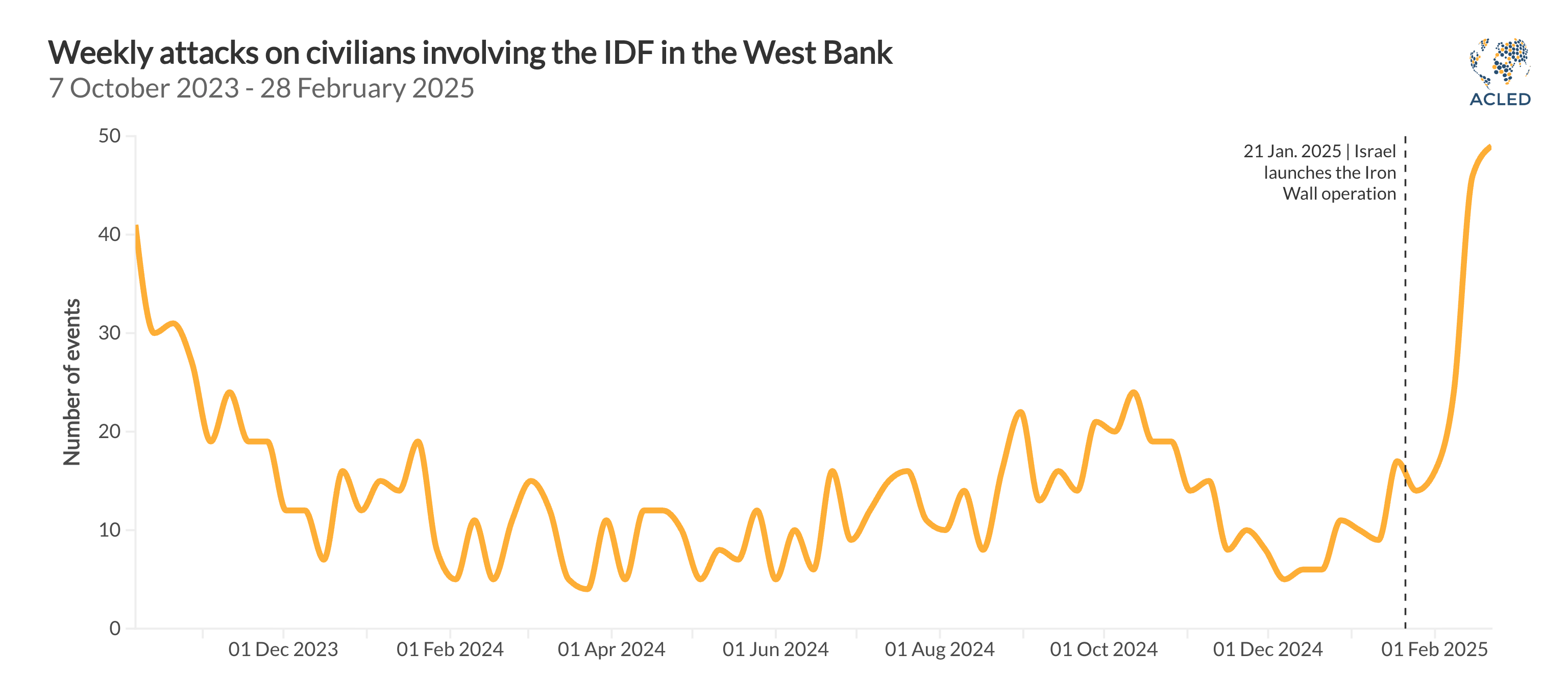
Exhibit B: December 21, 2025
In this post published by the Indian Mission in December 2025, the Indian government called on Palestinians to “Meditate online with Daaji” on World Meditation Day.
That the Indian government would call on the people of Palestine to join an online meditation session to come together for “peace, compassion and unity” while Israel bombed and destroyed some of the oldest and most iconic mosques in Gaza is an unfathomable irony.
If that wasn’t enough, on 21 December 2025, the following incidents took place:
A Palestinian, named Mohammad Wael al-Sharouf, was shot in the head and killed by Israeli forces outside Hebron.
Al Jazeera reported that Israeli forces shot dead a 16-year-old child during a raid in the occupied West Bank town of Qabatiya.
And Israel approved 19 new illegal West Bank settlements.
India’s post suggested that Palestinians should turn to meditation.
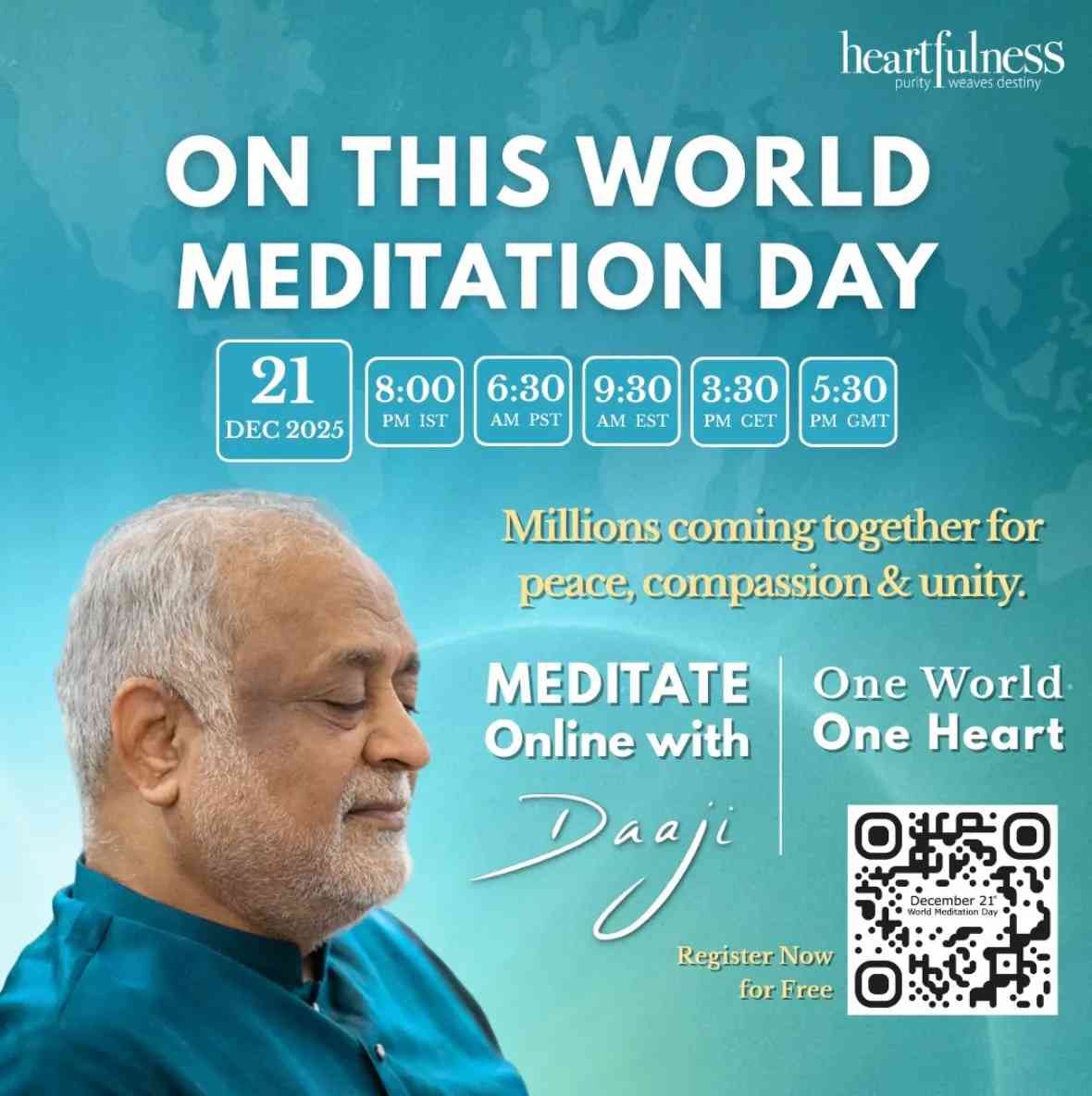
On one hand, these posts may be seen as simply ill-timed and insensitive.
But given India’s close relationship with Israel, it is hard to escape the conclusion that these events serve a more sinister purpose: masking complicity through the performance of peace.
Nowhere is this better illustrated than in the Indian Mission’s repeated posts extolling yoga as a source of resilience for Palestinians, while remaining conspicuously silent on the forces that make such resilience necessary in the first place.
As many scholars have argued, yoga and more broadly the “wellness” brand, are far from apolitical.
This is evident in how yoga is used in Israel, too.
Zionists in Israel have hosted pro-Israel yoga demonstrations, and former Israeli soldiers have created yoga groups to “heal their wounds from war and terror.”
While the notion of Israeli soldiers using yoga to cope with the mental toll of war may appear incongruous, India’s promotion of yoga in Palestine functions as cultural diplomacy that projects neutrality and goodwill, even as its strategic and military ties with Israel remain firmly intact.
This logic becomes clearer when one considers the other tools India uses to project a soft image to Palestinians.
In addition to hosting yoga events, the Indian Mission offers scholarships to Palestinian students and has also promoted Indian-Palestinian business ties in the West Bank.
Meanwhile, India is the largest buyer of Israeli arms by a factor of four.
Moreover, India has sent tens of thousands of construction workers to Israel to replace the Palestinian workers whose visas have been revoked since October 7, and the two nations recently upgraded their relationship to a “Special Strategic Partnership.”
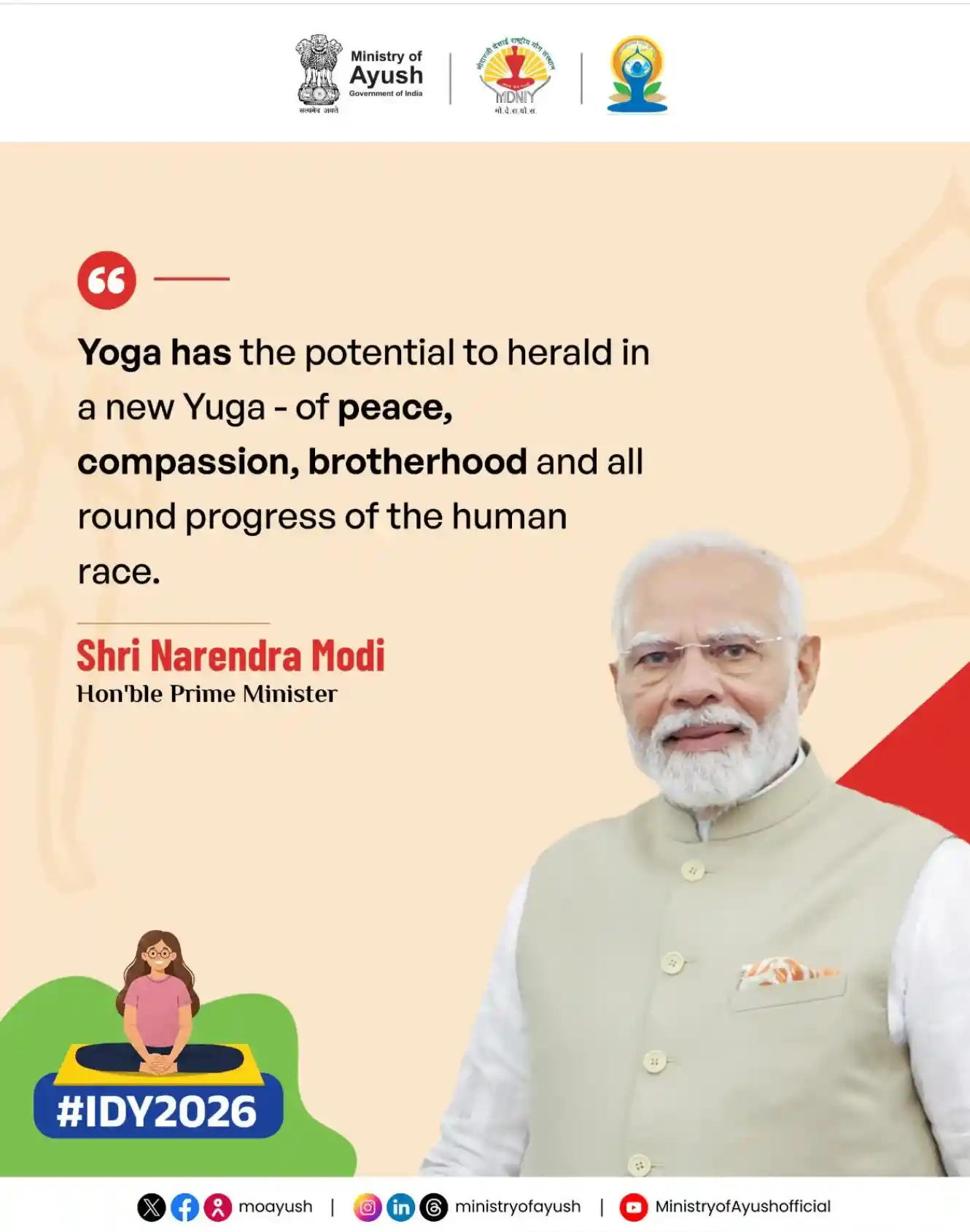
Other posts by the Indian mission highlight the importance of reducing plastic waste as part of Indian Prime Minister Narendra Modi’s “One Nation, One Mission: End Plastic Pollution” campaign.
Even this effort is stripped from context.
It ignores how Israeli settlers frequently destroy attack olive trees in the West Bank, and how the Jewish National Fund plants invasive pine forests over the ruins of depopulated Palestinian villages.
To foreground plastic waste in a context of occupation and genocide is akin to promoting yoga in Palestine: a pose that serves to disguise India’s close ties with Israel.
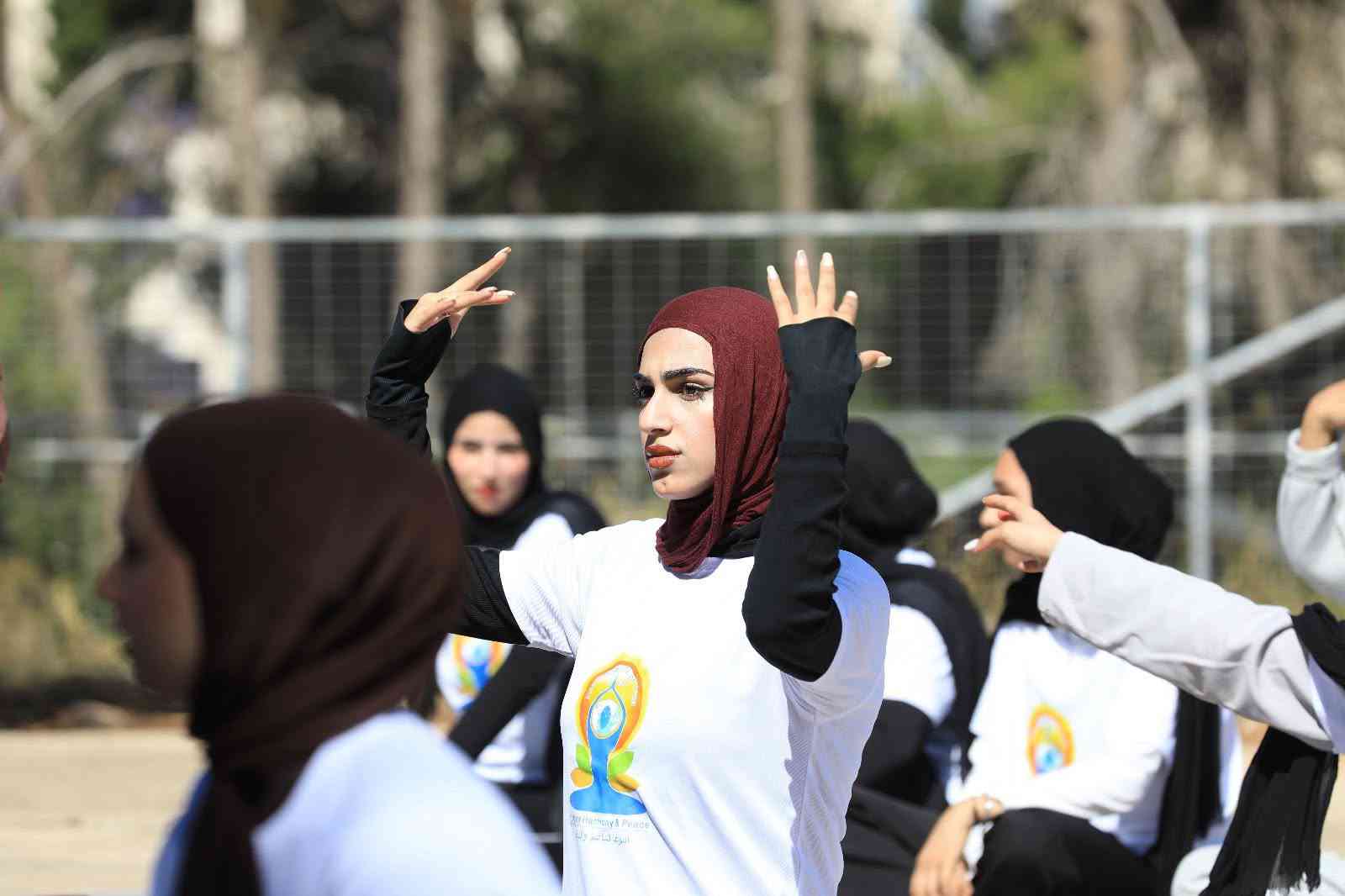
This article first appeared on Hostile Homelands, a newsletter about India and Israel.
