


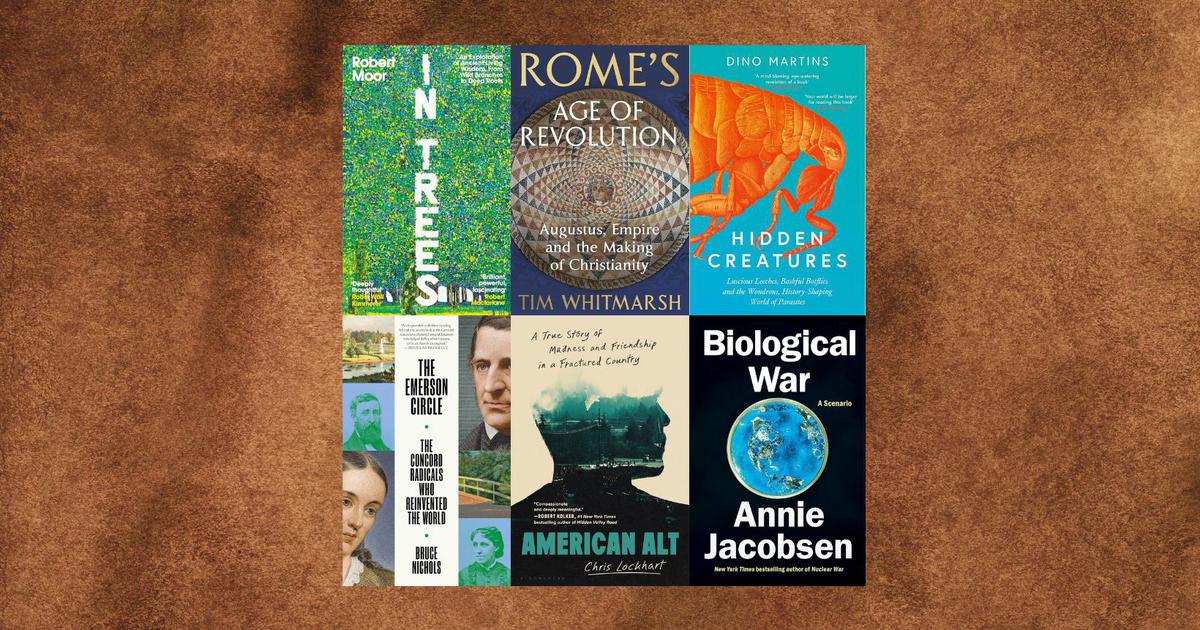
All information sourced from publishers.
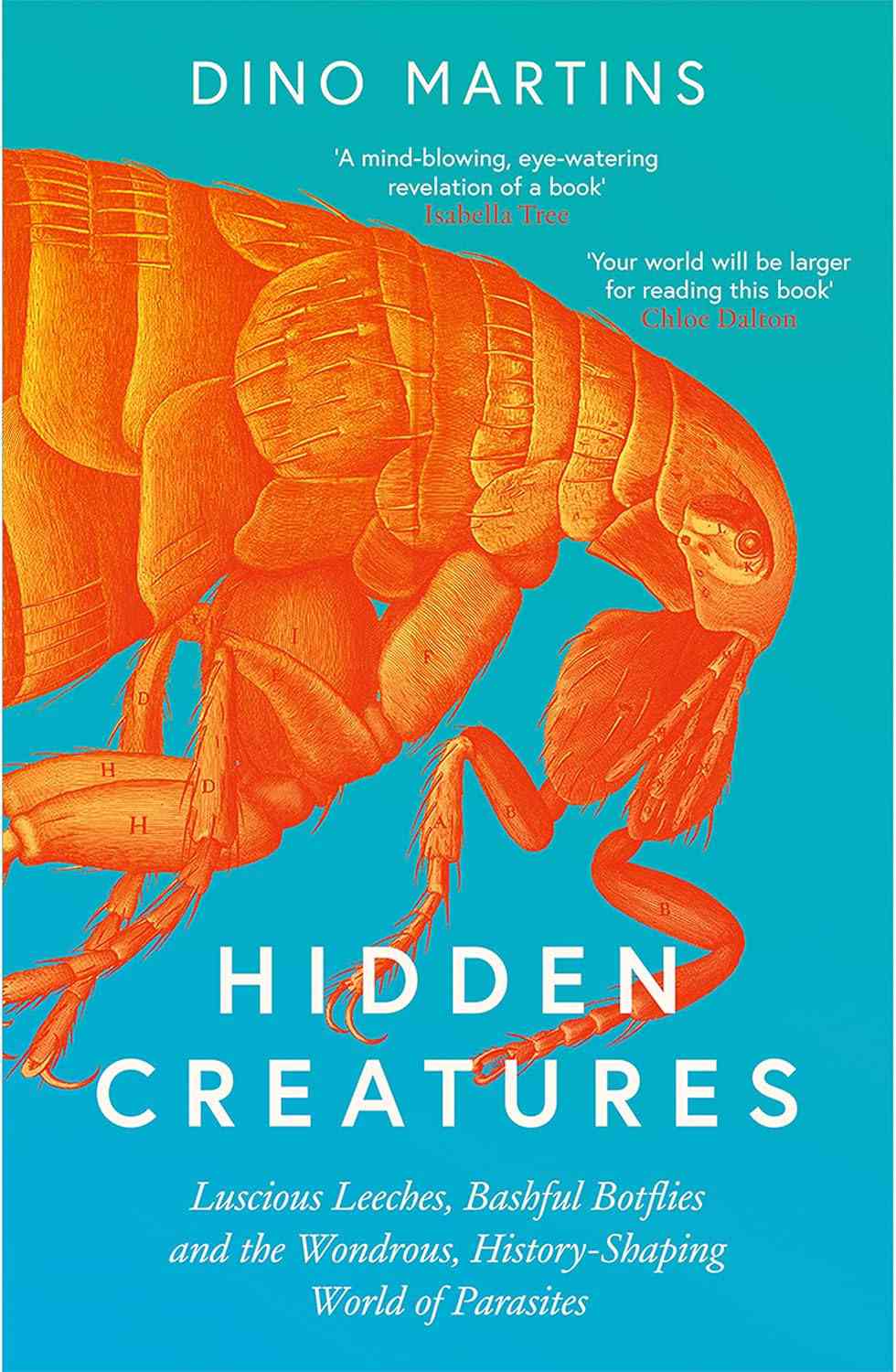
Hidden Creatures: Luscious Leeches, Bashful Botflies and the Wondrous, History-Shaping World of Parasites, Dino Martins
There is the tapeworm, which can grow 120 feet within the gut of a whale. The tsetse fly, a notorious vector of disease, whose needle-like mouth can pierce even crocodile skin. And the most universal symbol of parasitic behaviour: the much-mythologised leech. Long villainised, yet vital to every ecosystem on Earth, these parasitic creatures have driven evolution, shaped civilisations, and altered the course of human history. And we have almost entirely ignored them.
Entomologist and biologist, Dino Martins, from Kenya's Turkana Basin – where life on Earth began – has made it his life's mission to demystify these beguiling beings. Hidden Creatures takes us on a journey around the world ten times over – from the wilds of East Africa to the rainforests of the Amazon, from Borneo to the public parks of London. Along the way, we encounter brilliant and eccentric experts and students who join Martins on his adventures to investigate not just parasites but their astonishing cast of hosts: elephants and rhinos, hyraxes and hippos, and, of course, the elusive human.
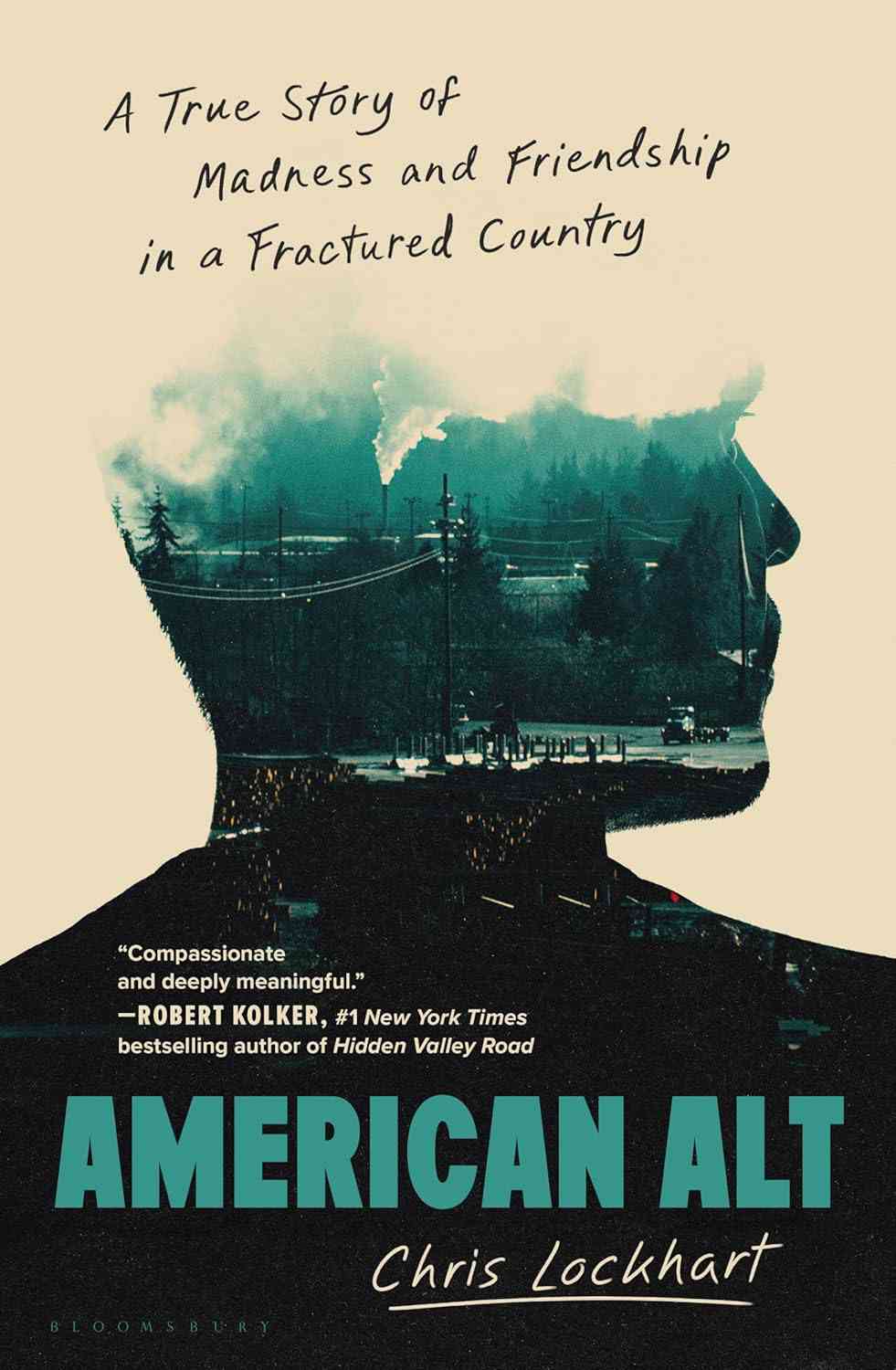
American Alt: A True Story of Madness and Friendship in a Fractured Country, Chris Lockhart
On the eve of January 6, 2021, Michael Dodd and his three friends found themselves in a stolen vehicle on the grounds of the Washington State Capitol, armed to the teeth, and ready to kidnap Governor Jay Inslee. Only there weren’t actually three others in the car – Michael was alone. Months later, the violent plan thwarted, Michael sat in a psychiatric hospital and learned that he was struggling with undiagnosed schizophrenia and dissociative identity disorder. His knowledge of that fateful day was spotty, fractured by the different personality states he now knew were affecting his reality. Sceptical of a state mental health system, but anxious to find out how his world turned upside down, he reached out to his longtime friend, the author Chris Lockhart, for help.
American Alt is the odyssey of two friends trying to piece together the fragments of Michael’s shattered memory and uncover the truth of what pushed him to the edge. Set against the beautiful but economically broken region where both men rambled in their youth, Lockhart delivers a moving story of discovery and affirmation.
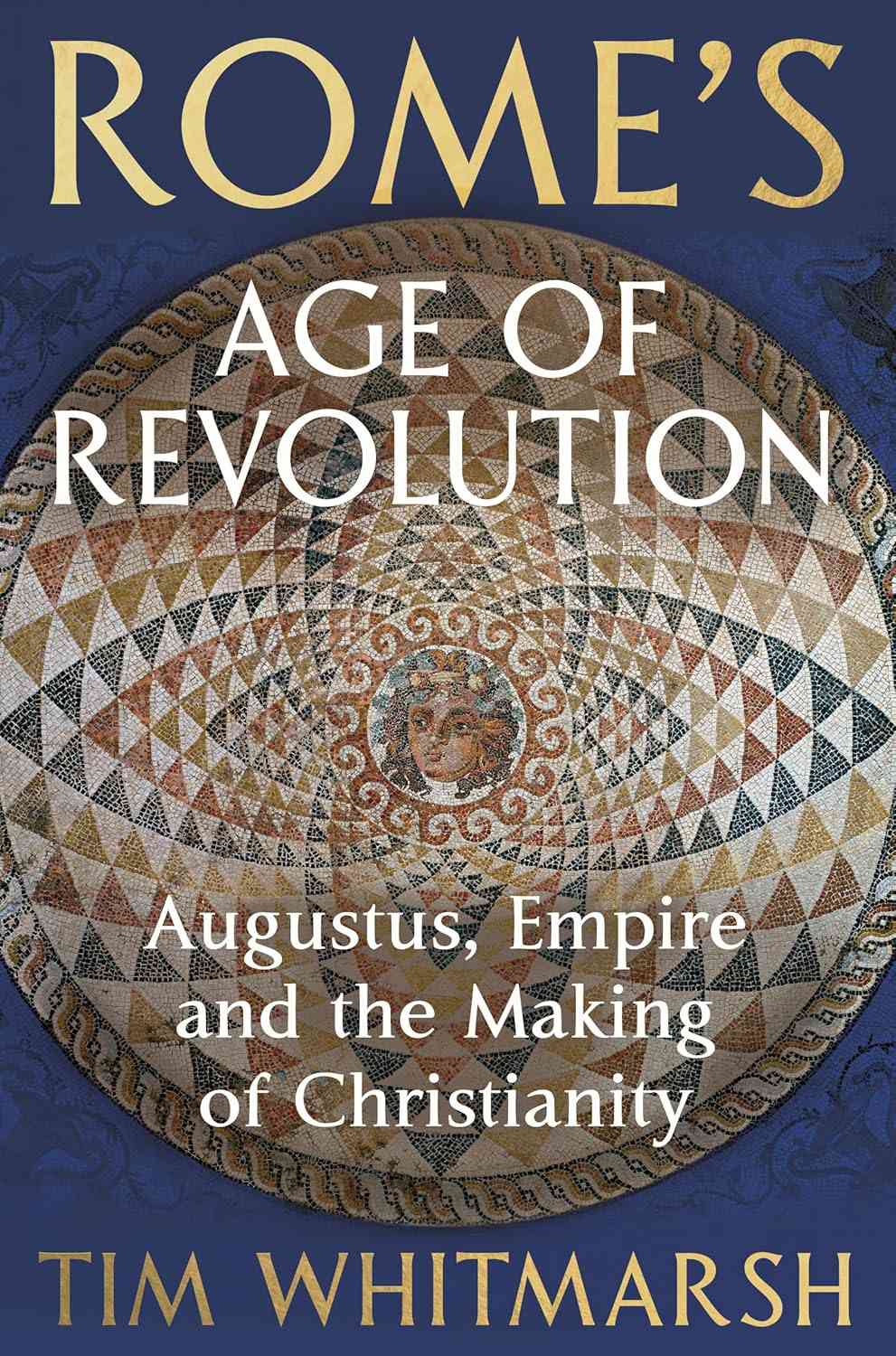
Rome’s Age of Revolution: Augustus, Empire and the Making of Christianity, Tim Whitmarsh
Rome’s Age of Revolution corrects the triumphalist narrative that the Christian message was so persuasive, and indeed superior, that people converted in huge numbers, abandoning their pagan beliefs, thereby turning a small, persecuted sect into the state religion of the Roman Empire.
Tim Whitmarsh shows that Christianity would never have succeeded if it had not taken advantage of the infrastructure and culture of the Roman Empire; in turn, the new religion was indelibly shaped and transformed by Roman beliefs and ideas, especially those circulating in the Greek-speaking, or Hellenistic, eastern parts of the empire. This radical transformation, Tim argues, can only be described as a revolution. And the consequences are with us to this day.
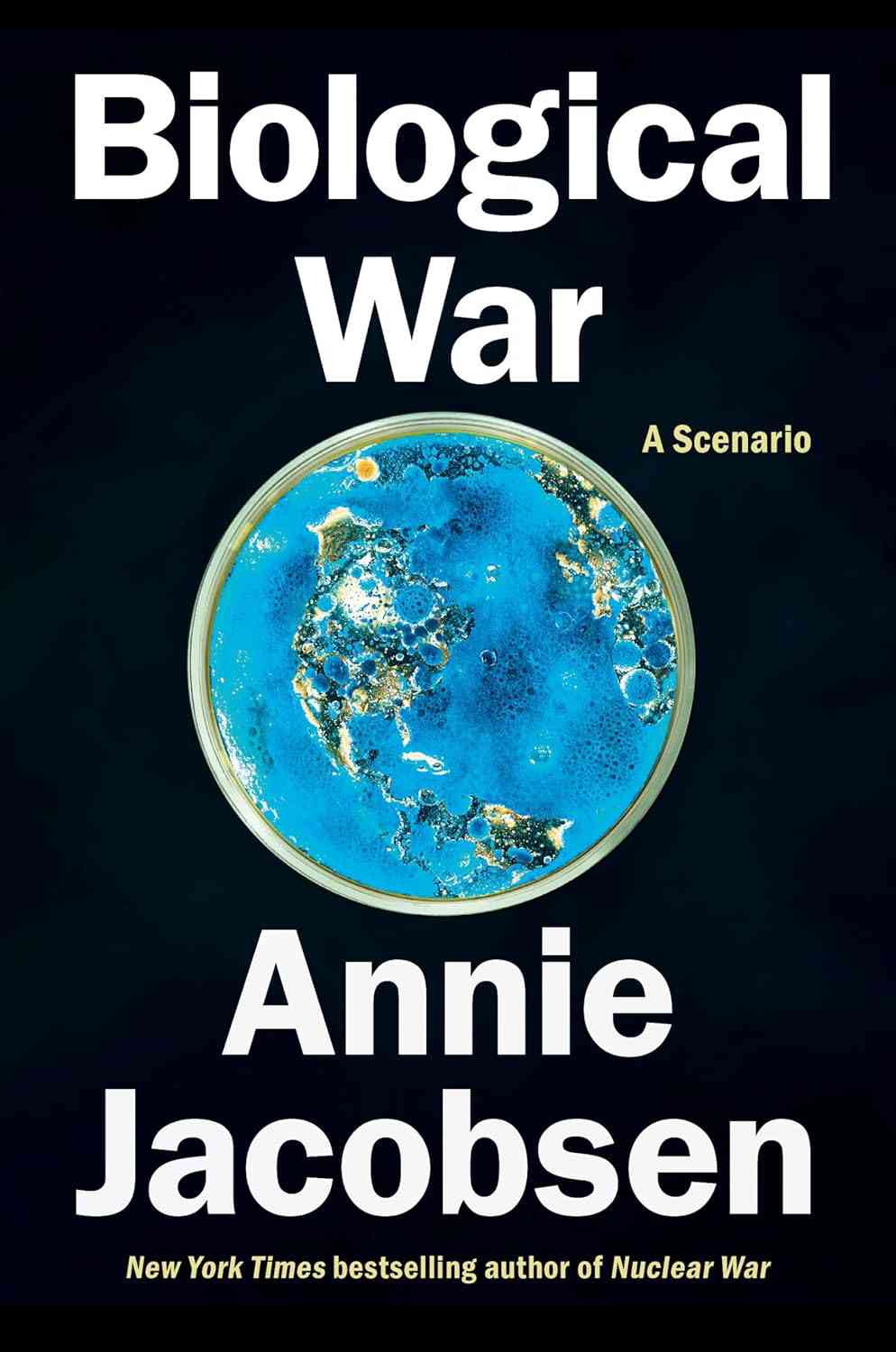
Biological War: A Scenario, Annie Jacobsen
A lab accident, a bio-attack, a global pandemic, and the collapse of human society. In this essential new book, based on dozens of new interviews with experts with high-level political, governmental, medical, and military responsibility, Annie Jacobsen examines this very scenario. It would be only a matter of days from such a global infection before the infrastructure built to handle this gravest of situations would be in a battle for human existence.
The fallout: mass death, total societal breakdown, widespread insurrection, anarchy, and a plague-ravaged wasteland that no longer resembles modern civilisation. In other words: dystopia.
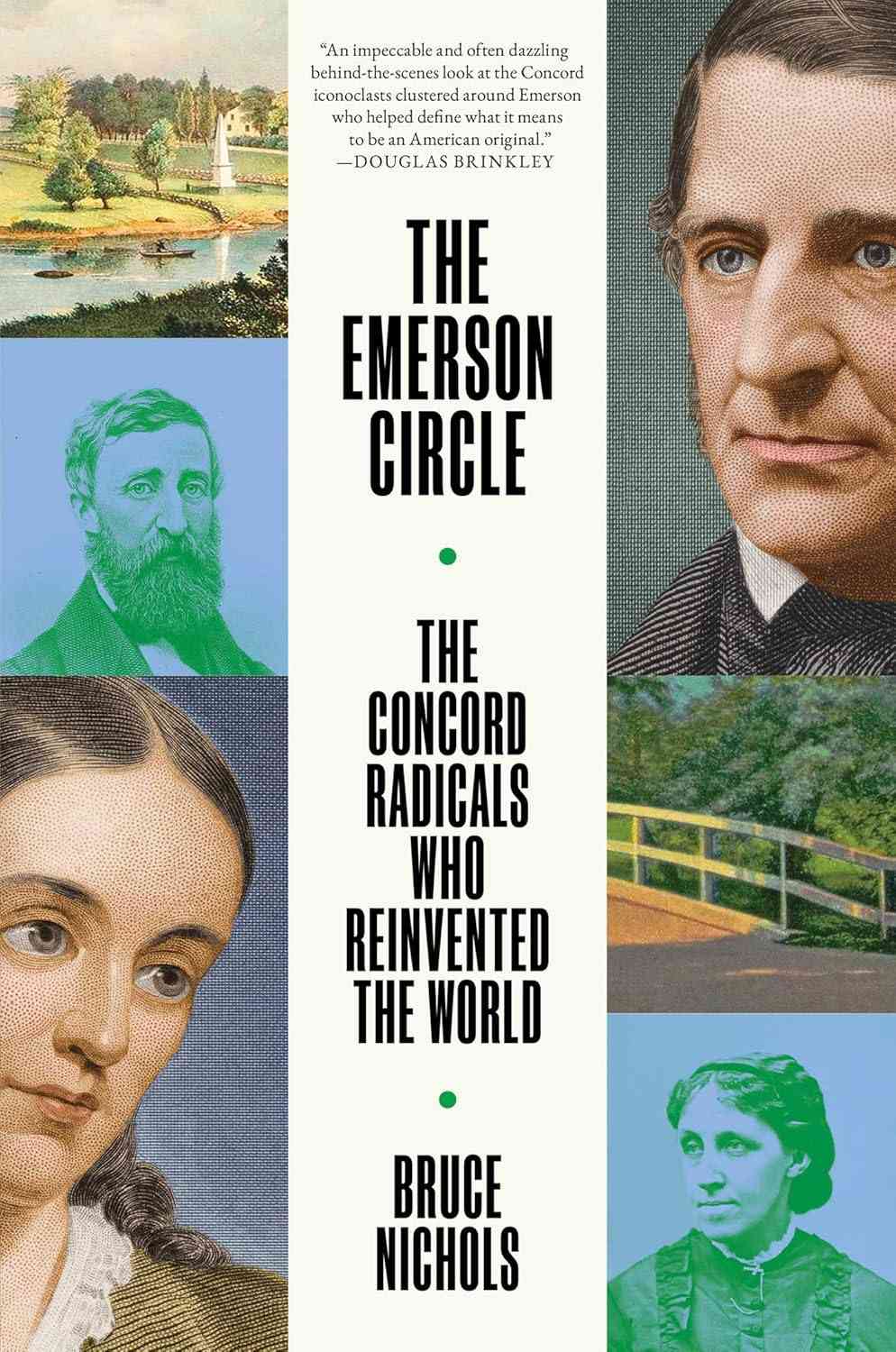
The Emerson Circle: The Concord Radicals Who Reinvented the World, Bruce Nichols
In the 1840s, America was a land of utopian promise, and nowhere captured this spirit of possibility better than Concord, Massachusetts. At the heart of this intellectual and cultural revolution was Ralph Waldo Emerson, a national celebrity who brought together a circle of bold and creative free thinkers. In The Emerson Circle, Bruce Nichols delivers a fascinating narrative of this transformative era, breathing life into the friendships and philosophies that comprised the titanic intellectual energy of this American Renaissance.
Concord wasn’t just a town; it was a crucible of innovation and reform. Luminaries such as Ralph Waldo Emerson, Nathaniel Hawthorne, Margaret Fuller, Louisa May Alcott, and Henry David Thoreau gathered there, united by ideas that would shape the nation. Nichols recreates this vibrant world, packed with brilliant conversations, emotional correspondences, and the essays, novels, speeches, and poetry that forever marked and changed American culture. Along the way, he shares intimate, surprising details – Thoreau’s frustration with Emerson, Hawthorne’s intense shyness masking deep love and hate – that make these iconic figures human.
This book captures a forgotten utopian moment in history. Anything seemed possible: abolishing property, money, and marriage, not just slavery; granting equal rights to women; eating vegan diets; banning alcohol and caffeine. These men and women turned away from the Bible in favour of the natural world and science, and they inspired our greatest early writers to create their most original and lasting works.
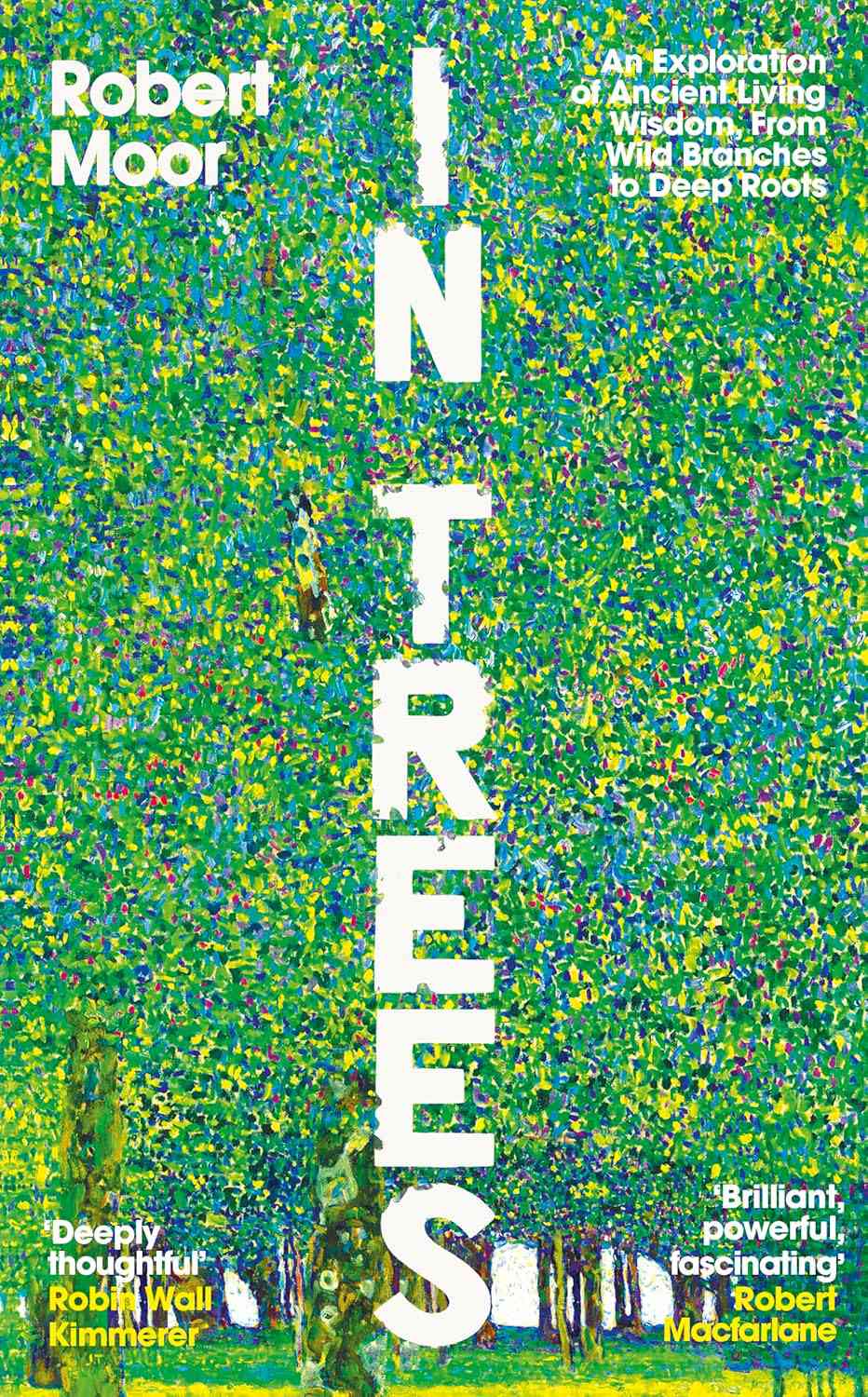
In Trees: An Exploration of Ancient Living Wisdom, Robert Moor
One day, on a whim, Robert Moor set out to climb a tree near his home, unwittingly embarking on what would become a decade-long, globe-spanning adventure. Drawing on an astonishing range of thinkers, from cutting-edge scientists to ancient philosophers, Moor explores how trees have shaped human lives for millennia – and how they can guide us into the future.
His hunt for the “wisdom of trees” takes him from the Lake District to Ethiopia, Tanzania, Papua and Japan. He dines with David Attenborough, naps with chimpanzees and risks his life to save an ancient forest. Along the way, Moor investigates some of humanity’s oldest mysteries: What is the secret to growing old well? How do we set down roots in an increasingly chaotic world? And most importantly, how should we – as individuals, as communities, as stewards of the Earth – live?
What begins as an ode to the miracle of trees blossoms into a joyous, daring, fiercely hopeful endeavour to broaden our minds and deepen our connections. To truly grasp the wisdom of a tree, this bold new classic announces, you must learn to think like one.