

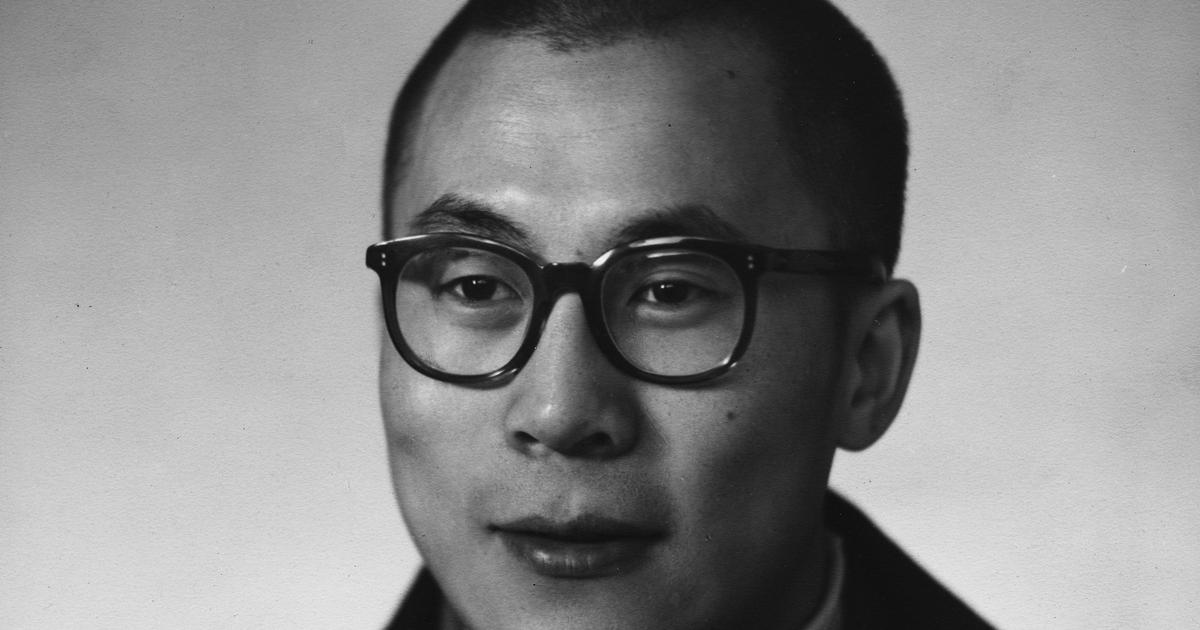
The day before the Dalai Lama was due to leave China and return to Tibet in the spring of 1955, he was attending a meeting of the Steering Committee. While Lu Rau-chi, the presiding official, was in the middle of his oration, the Dalai Lama’s security officer suddenly burst into the room, rushing over to him. “Chairman Mao wants to see you at once. He is waiting for you,” the officer said. The Dalai Lama was caught off guard. He couldn’t just leave the meeting abruptly, especially since Lu Rau-chi showed no sign of pausing. “In that case,” the Dalai Lama replied, “you will have to go and have me excused.” The officer immediately complied and excused him.
They went directly to Mao Zedong’s office, where Mao was indeed waiting. Mao informed the Dalai Lama that he wanted to give him some advice on government before he left for Tibet. He began to explain how to organise meetings, how to draw out people’s opinions, and how to decide on the key issues. The Dalai Lama listened closely, taking notes, as he always did during their meetings. Mao then emphasised the importance of communication for any form of material progress and stressed the need to train as many young Tibetans as possible in this field. Mao added that whenever he passed something on to the Dalai Lama, he wanted it to be done through a Tibetan.
As the conversation continued, Mao leaned in and said, “Your attitude is good, you know. Religion is poison. Firstly, it reduces the population because monks and nuns must stay celibate, and secondly, it neglects material progress.” At this, the Dalai Lama felt a sharp, burning sensation spread across his face and was suddenly overcome with fear. So, you are the destroyer of the Dharma after all, he thought.
As Mao spoke those words, the Dalai Lama leaned forward as if to write something, half concealing the horror he felt. He was desperately trying to hide his emotions, hoping Mao wouldn’t sense his dismay, as this might jeopardise the trust Mao had in him. Luckily, Phuntsok Wangyal, who normally interpreted for them, was not present this time. The Dalai Lama was certain that if he had been there, his feelings would have been detected, as they would later discuss everything in detail.
Despite the Dalai Lama’s internal turmoil, the meeting ended a few minutes later. He felt an immense sense of relief when Mao stood up to shake his hand. Mao appeared completely alert and full of life, despite the late hour. They walked outside together into the night, where the Dalai Lama’s car awaited. As the car began to move, the Dalai Lama turned and waved. His glimpse of Mao was of him standing in the cold, without a hat or coat, waving goodbye.
Fear and amazement gradually gave way to confusion. The Dalai Lama couldn’t understand how Mao had misjudged him so thoroughly. How could Mao believe that he wasn’t deeply religious when every aspect of his life was dedicated to Dharma? The Dalai Lama knew that everything he did was recorded – his hours of sleep, the number of bowls of rice he ate, and what he said during each meeting. He assumed that weekly reports of his behaviour were submitted to Mao. Given this, Mao must have noticed that, every day, the Dalai Lama spent hours in prayer and meditation. Furthermore, the Dalai Lama was receiving religious instruction from his tutors while in China, and he was preparing for his final monastic exams, which were only a few years away. How could Mao not have seen this devotion?
The only plausible explanation was that Mao had misinterpreted his strong interest in scientific matters and material progress. While it was true that the Dalai Lama wished to modernise Tibet in line with the People’s Republic, he also believed in scientific and technological advancement. His scientific curiosity was part of his mindset. The Dalai Lama speculated that Mao, in his ignorance of Buddhist philosophy, had not understood the Buddha’s teaching that each practitioner of the Dharma must test its truth for themselves. An openness to modern scientific discoveries might have misled Mao into thinking that the Dalai Lama’s religious practices were merely conventional or superficial.
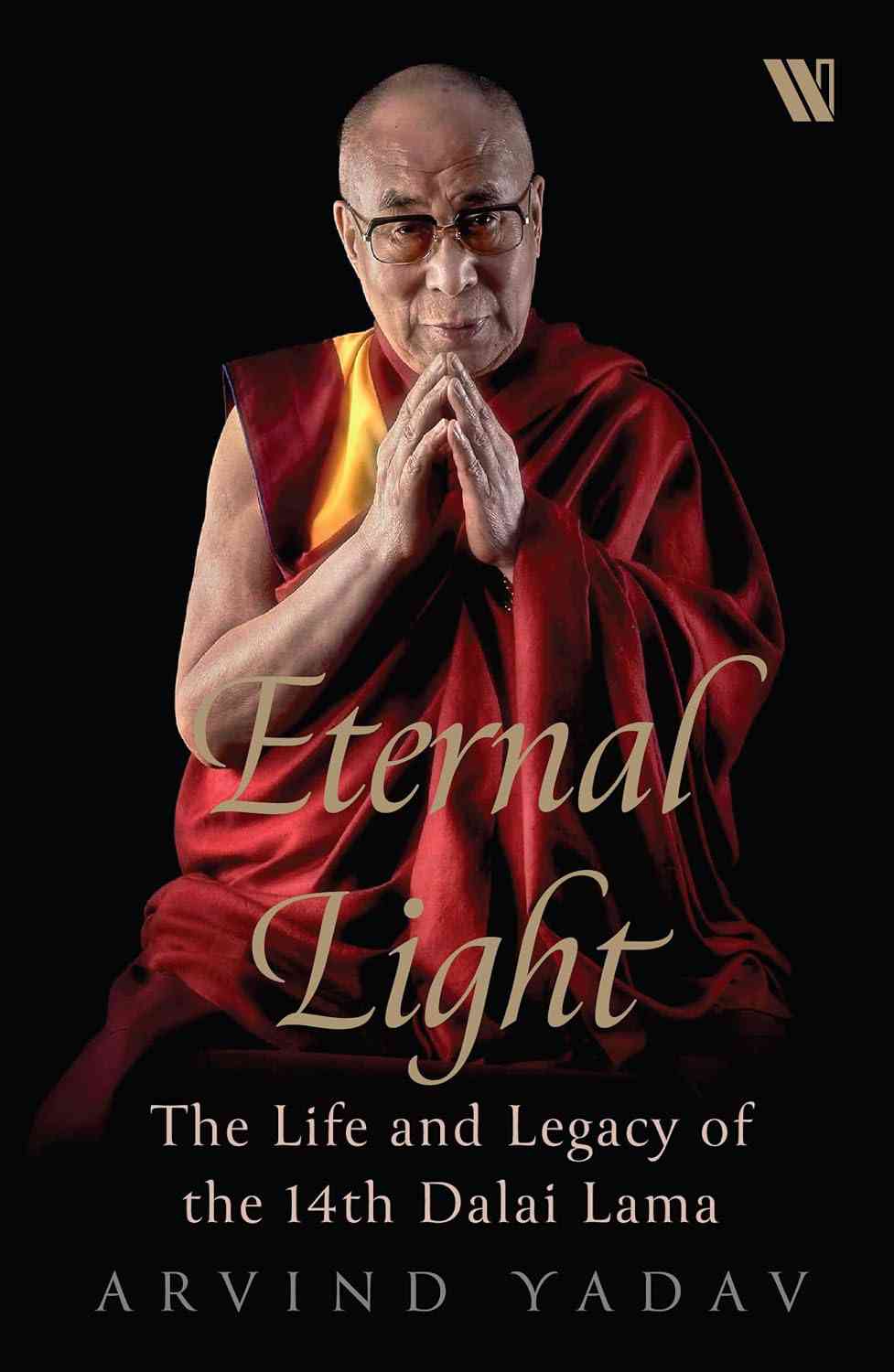
Excerpted with permission from Eternal Light: The Life and Legacy of the 14th Dalai Lama, Arvind Yadav, Westland.
