


Contradiction appears to be the cornerstone of Goa Chief Minister Manohar Parrikar’s stint in power, ever since he led the Bharatiya Janata Party to an unprecedented majority in the 2012 state assembly poll. He is now at the mid-point of his term.
The key U-turns on policy and pre-poll promises began only a few months after he became the most powerful politician in Goa.
1) Mining
When Parrikar was leader of the opposition, he complained to the Central Bureau of Investigation, the President of India and the Crime Branch about illegal mining that he alleged was worth Rs 25,000 crore. Yet in July 2012, only four months after being elected chief minister, he told the legislative assembly, “there are no illegal mines operating in Goa”.
Since then, Parrikar’s assessment of the scam’s financial value has whittled down to between Rs 3,500 crore and Rs 5,000 crore. In contrast, the Justice MB Shah Commission of enquiry, appointed by the Union Ministry of Mines, pegs the value of illegal mining at Rs 35,000 crore over the seven years from 2005.
Despite a pre-poll promise of action against the politician-bureaucrat-mining magnates nexus that fuelled illegal mining in the state, Parrikar seems to have revised his opinion. “The mining lease owners trusted the government when no one else did,” he said last month, explaining that he favoured renewal and not auction as the methodology to grant 27 leases to mining companies in the state. Several of these companies have been indicted in the Commission’s report.
Parrikar’s trust in the mining companies goes against a promise made by Prime Minister Narendra Modi in his party’s 2014 Lok Sabha election manifesto, which favoured auctions for India’s natural resources.
2) Casinos
Goa’s controversial association with the gaming industry has also caused Parrikar to contradict himself.
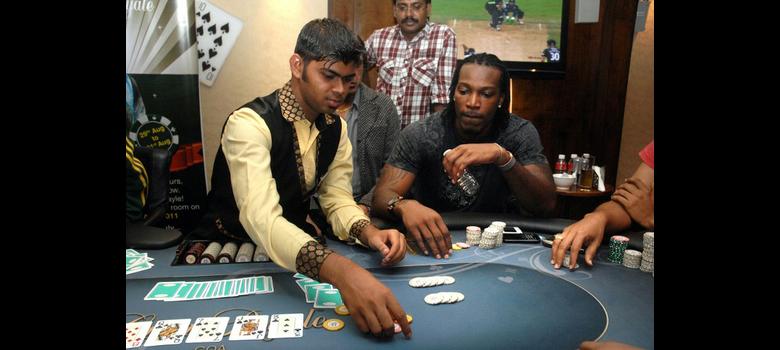
In seven years as opposition leader, Parrikar repeatedly went after the five offshore casinos parked in the Mandovi river off Panaji, saying they were the cause of social and cultural degradation.
In 2008, he even led a mashaal (or flame-torch) procession in protest, threatening to throw the casinos out of Goa. His party's manifesto in the 2012 state assembly elections promised action against the industry. But as soon as he was in power, Parrikar’s stance altered drastically.
The casinos continued to operate under his rule, so for a full year Parrikar was asked searching questions by the media, civil society and opposition leaders about this. The BJP first argued that getting rid of casinos immediately after coming to power would send a bad signal to potential investors. The government resolved to get rid of casinos in Goa by 2016.
“By the time I complete four years, there will be no casino boat in Goa's waters,” Parrikar said on May 27, 2013.
3) Drugs
The Goa government’s position on the state’s great narcotics problem matches its position on illegal mining.
When the BJP and Parrikar were in opposition, they claimed repeatedly that the drug mafia was running riot in the state, and that the home minister at the time, Ravi Naik, his son Roy, and the police were in cahoots. A legislative committee report in 2013 called Kishen Kumar, Goa’s General of Police at the time, a “kingpin” who sheltered the drug mafia.
Yet Parrikar has managed to flip-flop. “There are no organised gangs which specialises in distribution of drugs in the state,” the chief minister told the monsoon session of the Goa legislative assembly on August 20, even as police statistics tabled in the same session showed a drug bust almost every week for three years running.
4) Corruption
Parrikar’s administration has also failed to deliver on its much-touted maxim of zero tolerance to corruption. It has failed to appoint State Information Commissioners or even a functional Lokayukta (ombudsman) during its time in office. A minister in the cabinet, Ramesh Tawadkar (Sports) has been charged with armed rioting, while another Dilip Parulekar (Tourism) has been booked for land-grabbing and cheating.
There is also the danger posed by the seemingly moderate chief minister remaining silent in the face of increasingly conservative noises about banning bikinis, pubs, and mini-skirts, and calls by Goa’s ruling lawmakers to transforming India into a "Hindu nation".
Such provocative comments by Goa’s elected representatives have met with no public censure by either the chief minister or the BJP, which until 2012 actively wooed Goa’s 26% Catholic vote.
We welcome your comments at
letters@scroll.in.
The key U-turns on policy and pre-poll promises began only a few months after he became the most powerful politician in Goa.
1) Mining
When Parrikar was leader of the opposition, he complained to the Central Bureau of Investigation, the President of India and the Crime Branch about illegal mining that he alleged was worth Rs 25,000 crore. Yet in July 2012, only four months after being elected chief minister, he told the legislative assembly, “there are no illegal mines operating in Goa”.
Since then, Parrikar’s assessment of the scam’s financial value has whittled down to between Rs 3,500 crore and Rs 5,000 crore. In contrast, the Justice MB Shah Commission of enquiry, appointed by the Union Ministry of Mines, pegs the value of illegal mining at Rs 35,000 crore over the seven years from 2005.
Despite a pre-poll promise of action against the politician-bureaucrat-mining magnates nexus that fuelled illegal mining in the state, Parrikar seems to have revised his opinion. “The mining lease owners trusted the government when no one else did,” he said last month, explaining that he favoured renewal and not auction as the methodology to grant 27 leases to mining companies in the state. Several of these companies have been indicted in the Commission’s report.
Parrikar’s trust in the mining companies goes against a promise made by Prime Minister Narendra Modi in his party’s 2014 Lok Sabha election manifesto, which favoured auctions for India’s natural resources.
2) Casinos
Goa’s controversial association with the gaming industry has also caused Parrikar to contradict himself.
In seven years as opposition leader, Parrikar repeatedly went after the five offshore casinos parked in the Mandovi river off Panaji, saying they were the cause of social and cultural degradation.
In 2008, he even led a mashaal (or flame-torch) procession in protest, threatening to throw the casinos out of Goa. His party's manifesto in the 2012 state assembly elections promised action against the industry. But as soon as he was in power, Parrikar’s stance altered drastically.
The casinos continued to operate under his rule, so for a full year Parrikar was asked searching questions by the media, civil society and opposition leaders about this. The BJP first argued that getting rid of casinos immediately after coming to power would send a bad signal to potential investors. The government resolved to get rid of casinos in Goa by 2016.
“By the time I complete four years, there will be no casino boat in Goa's waters,” Parrikar said on May 27, 2013.
3) Drugs
The Goa government’s position on the state’s great narcotics problem matches its position on illegal mining.
When the BJP and Parrikar were in opposition, they claimed repeatedly that the drug mafia was running riot in the state, and that the home minister at the time, Ravi Naik, his son Roy, and the police were in cahoots. A legislative committee report in 2013 called Kishen Kumar, Goa’s General of Police at the time, a “kingpin” who sheltered the drug mafia.
Yet Parrikar has managed to flip-flop. “There are no organised gangs which specialises in distribution of drugs in the state,” the chief minister told the monsoon session of the Goa legislative assembly on August 20, even as police statistics tabled in the same session showed a drug bust almost every week for three years running.
4) Corruption
Parrikar’s administration has also failed to deliver on its much-touted maxim of zero tolerance to corruption. It has failed to appoint State Information Commissioners or even a functional Lokayukta (ombudsman) during its time in office. A minister in the cabinet, Ramesh Tawadkar (Sports) has been charged with armed rioting, while another Dilip Parulekar (Tourism) has been booked for land-grabbing and cheating.
There is also the danger posed by the seemingly moderate chief minister remaining silent in the face of increasingly conservative noises about banning bikinis, pubs, and mini-skirts, and calls by Goa’s ruling lawmakers to transforming India into a "Hindu nation".
Such provocative comments by Goa’s elected representatives have met with no public censure by either the chief minister or the BJP, which until 2012 actively wooed Goa’s 26% Catholic vote.
