



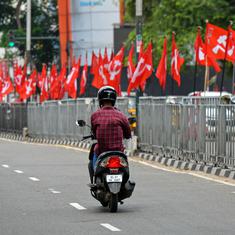


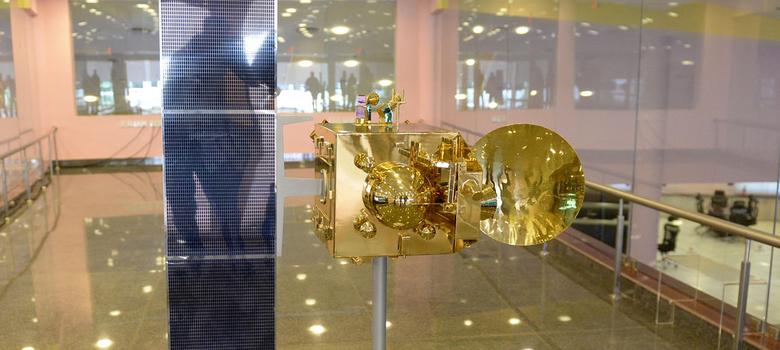
In India, 2014 was overarched by the general elections, in which over 550 million votes were cast in the largest democratic exercise on the planet. India reached Mars in its maiden flight and eliminated polio. It jailed an actress-turned-chief minister, sending her millions of supporters into a frenzied rage. It also incarcerated a businessman for failing the court’s order to repay billions to investors.
A look back at how the fortunes of people, industries and the country changed during the year.
1. Subrata Roy is jailed
The founder of the conglomerate Sahara India, which has business interests ranging from hotels to Formula 1, definitely did not have a good year. The Supreme Court ordered Roy’s arrest on February 26 for not paying back Rs 24,000 crore to investors.
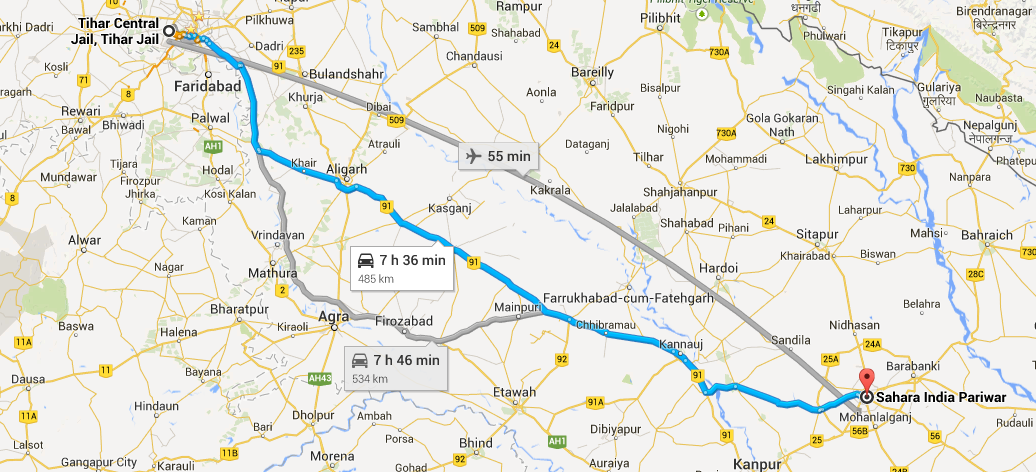
Distance between Delhi's Tihar Jail in Delhi, where Roy is lodged, and his home in Lucknow: 500 km.
In March, the court granted him interim bail on the condition that he deposit with it Rs 10,000 crore. His failure to do so has kept him in Delhi’s Tihar jail along with two directors of his company, Ravi Shankar Dubey and Ashok Roy Choudhary.
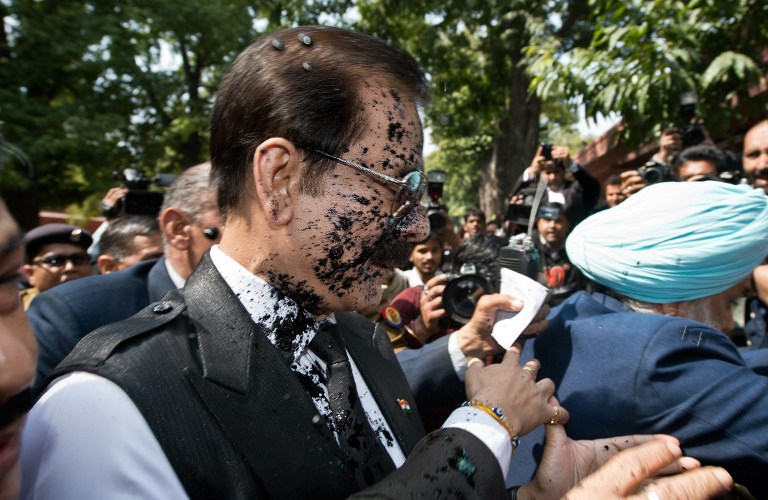
Roy is splattered with ink by a protestor as he arrives in court in March. Photo credits: AFP
2. Ten crore new bank accounts opened
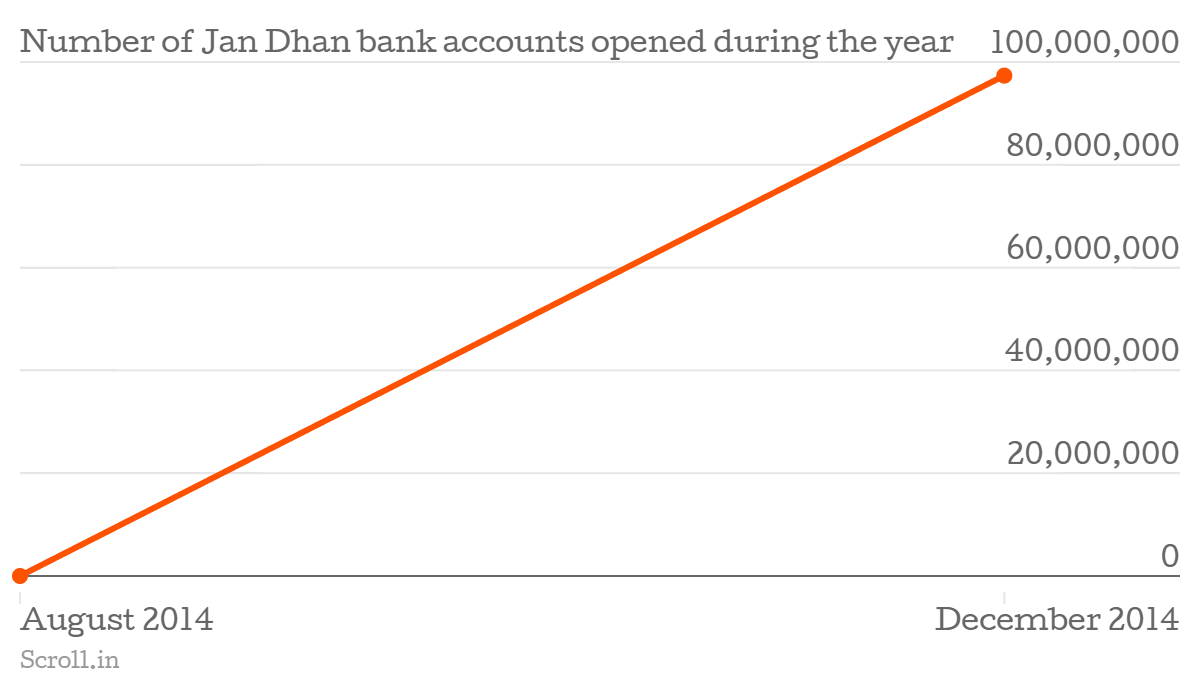
Within four months of the launch of an ambitious financial inclusion programme called Jan Dhan Yojana, about 9.82 crore accounts were opened. Even though most of them are lying dormant and the government has narrowed down the list of those who qualify for the incentives under the scheme, it has cast its net wide.
3. Jayalalithaa is convicted
Why these people are like this? #Jayaverdict #Jayalalitha pic.twitter.com/qWI4mr9unl
— Prasad Naik (@naikprasad) October 8, 2014In September, then Tamil Nadu chief minister Jayalalithaa Jayaram was sentenced to four years in prison for possessing assets disproportionate to her known sources of income during her first tenure as chief minister in 1991-1996. The assets, which included 30 kilograms of gold and 12,000 saris, added to a value of about Rs 66 crore.
AIADMK supremo J Jayalalithaa gets interim bail today. AIADMK CADRES before and after... pic.twitter.com/g1LGPyP3F0
— ASelvaraj@Journalist (@selvasuha) October 17, 2014Her supporters, always eager to show their adulation for her, reacted to the court verdict by staging large protests. According to reports, a few even committed suicide. When Jayalalithaa got interim bail in October, the supporters celebrated .
4. Polio is eradicated
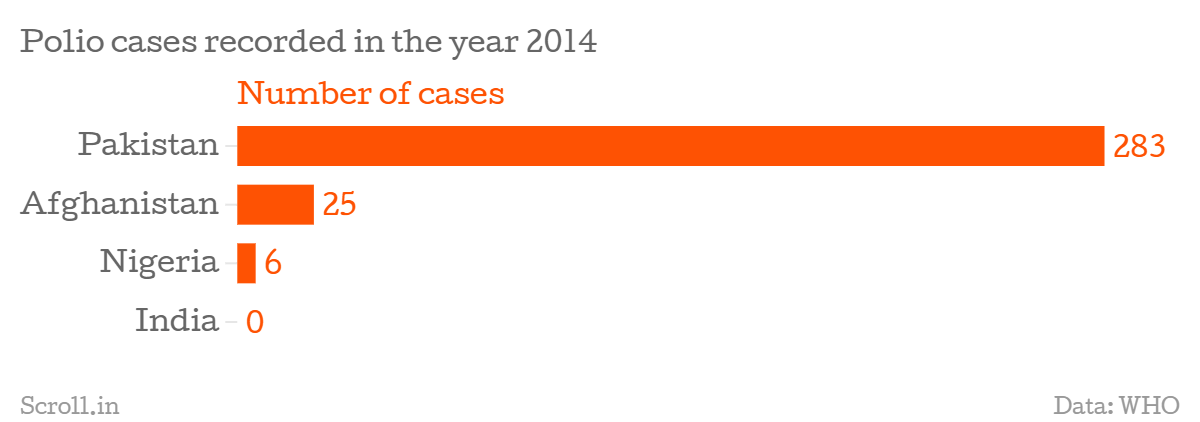
The World Health Organisation declared India “polio-free” this year after the country went three years without a single case of the disease being reported.
5. E-commerce balloons
Indian e-commerce giant Flipkart secured funding in at least three successive rounds this year, pushing its valuation from $1.6 billion to over $11 billion. Its rival Snapdeal, meanwhile, received over $500 million in funding from Japan’s Softbank this year.
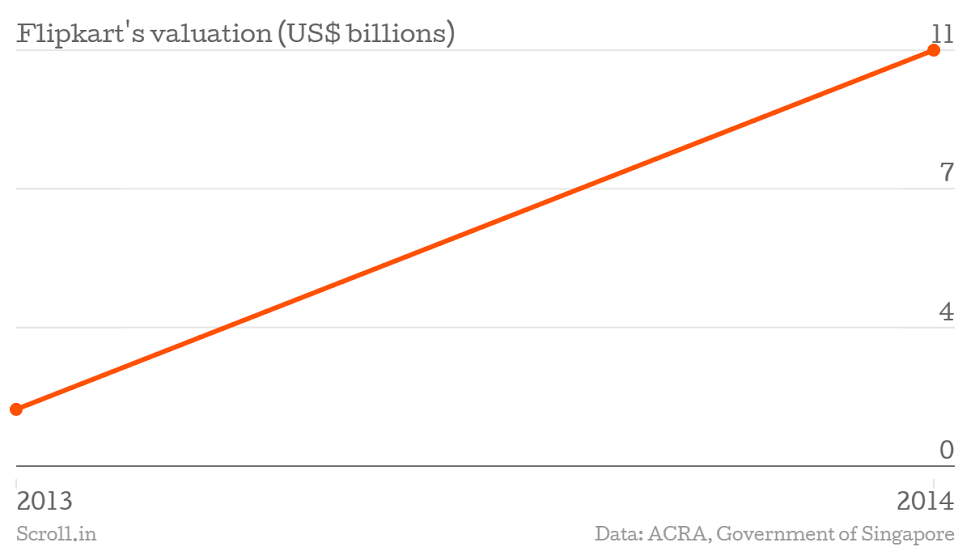
All these developments enhanced the country’s status as one the fastest-growing e-commerce markets in Asia-Pacific. According to the market research firm Gartner, Indian e-commerce market will generate $6 billion in revenue in 2015, a 70% increase over this year.
6. Mars Orbiter Mission is successful
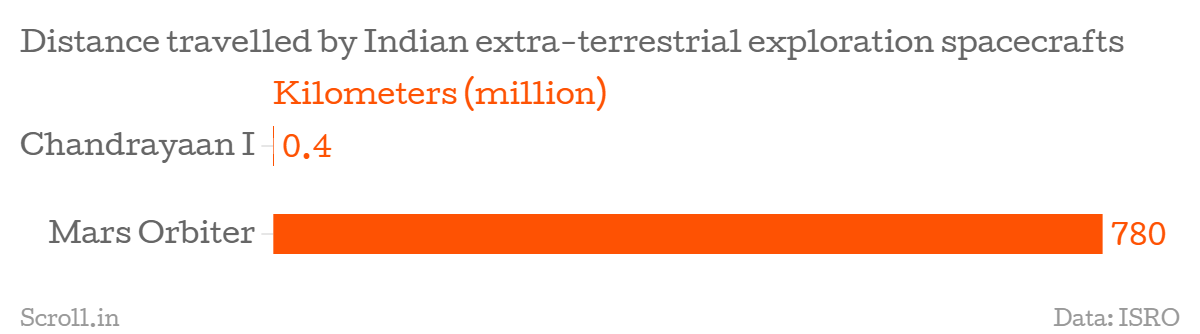
India’s Mangalyaan reached Mars orbit on September 24 after a 298-day journey. Indian Space Research Organisation’s mission was their first attempt to reach Mars and no other country in the world has reached the planet at its first attempt.
What is red, is a planet and is the focus of my orbit? pic.twitter.com/HDRWjOcPus
— ISRO's Mars Orbiter (@MarsOrbiter) September 24, 2014The spacecraft travelled over 78 crore km, making it the farthest any bit of Indian technology has gone. In comparison, India’s moon mission Chandrayaan I which was launched in 2008, covered four lakh kilometres.
7. 'Third gender' is recognised
The Supreme Court of India passed a landmark judgement in April, recognising transgenders as the “third gender” and ordering the government to give them quotas in jobs and education.
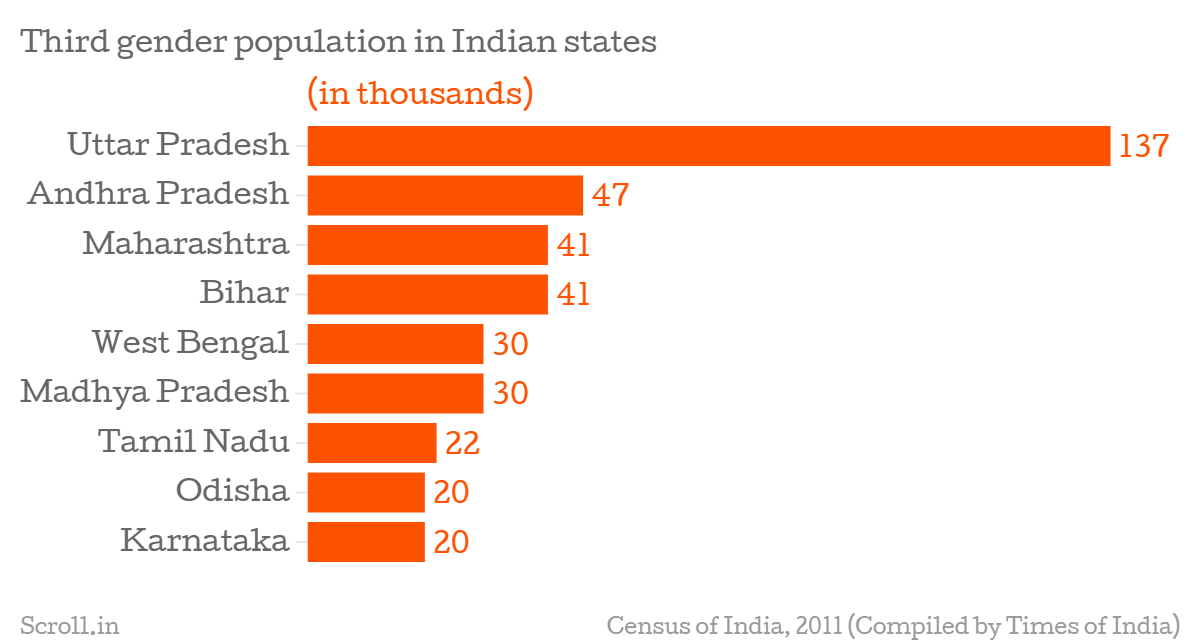
“These TGs (transgenders), even though insignificant in numbers, are still human beings and therefore they have every right to enjoy their human rights,” the judgement read.
