



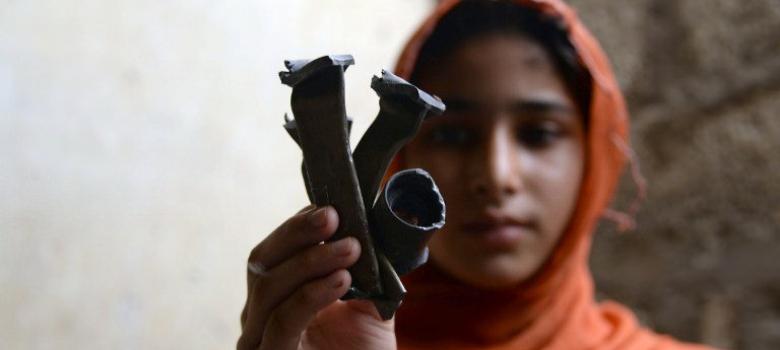
The deadly flare-up along the Line of Control in Jammu and Kashmir is earning the restive state renewed attention in India as well as internationally. The exchange of fire between India and Pakistan has served to bring into focus the deaths on both sides of the extremely militarised dividing line, and also highlight the fundamental challenges of the dispute between India and Pakistan over Kashmir. But it rarely brings to fore the complex political conditions within the state.
It feels like a very uncertain time again in Jammu and Kashmir. Nothing, and no one, appears to be standing on any firm ground. In fact it now looks like everything is wobbling.
But as is so often the case in Kashmir, knotty issues sometime help its people reach an understanding of the state's complex politics since they unpack a gamut of other concerns accumulated from its restive continuum.
The floods and after
Take the massive floods last September, which devastated infrastructure across Jammu and Kashmir and destroyed the lives and livelihoods of a large number of people, mainly in Kashmir valley. The situation since then has exposed so many challenges, it makes the existence of an elected government in the state appear to be a farce.
State elections were held in December while lakhs of people were still submerged by the anxiety of surviving the harsh Himalayan winter after being rendered homeless by the disaster. Elections, as we know in our part of the world, put governance in abeyance. Nevertheless, they were held “on time”, even though Kashmir's people needed a functional and robust administration more than a ritual of democracy.
Mufti Sayeed’s Peoples Democratic Party, desperate as it was for power after being out of government for nine years, used the post-flood situation as well as the fear in Muslim-majority Kashmir of the rise of right-wing Bharatiya Janata Party to coax voters into supporting it. But then it assumed power by joining hands with the same BJP, its ideological opponent, selling the argument that a coalition with the party that ran the government in New Delhi would guarantee the flow of funds necessary for post-flood reconstruction and rehabilitation.
A new reality
Not only have Kashmiris been left to their own devices to rebuild their lives, Mufti Sayeed’s coalition partner, the BJP, continuously directs its aggression towards the the state’s so-called special status within the Indian union. There continuous background talk about abrogating the law that bars people from other parts of India from buying land or settling in Jammu and Kashmir. The PDP-led government appears helpless at its best and the chief minister and his party are mute participants in rubbing salt over Kashmir’s old wounds.
In July, for the first time since India’s independence, half of the state cabinet – the BJP ministers – refused to join the Martyrs' Day ceremonies to pay their respects to the people who died in the state's 1931 struggle against the tyrannical Dogra autocratic rule of undivided Jammu and Kashmir. People in Kashmir are reading the BJP gesture as part of an aggressive attempt to re-establish the erstwhile Dogra supremacy in the state via the BJP.
All this is happening under the watch of Mufti Sayeed who, in his attempts to take the wind out of the separatists’ sails, hard-sold the dream of "self-rule" and the "return of dignity" to the Kashmiri people. Between 2002 and 2005, when Sayeed ruled the state for the first time, he had managed to create the perception that his administration had brought relief from the effects of endemic militarisation and police impunity.
The patriarch’s first term helped the PDP to grow not just as an alternative to the weakening National Conference. To some, it heralded the beginning of the end of a certain brand of separatist politics. But his alliance with the BJP, and Modi-led central government’s indifference towards the public expectations of the state government, appears to have diminished the stature of Sayeed and, indeed, the PDP, just like the party's emergence in 2000 had done to the National Conference.
The PDP has simply been unable to advance any of its purported ideological precepts nor has it tried to assert itself in any tangible way.
A 'matter of concern'
All these factors have energised the separatist argument that no mainstream political party can ever represent the people of the state adequately. A renewed despondency has set in, which is shifting the popular discourse towards active resistance. Armed militancy is regaining legitimacy in the public eye.
Villages, particularly in southern Kashmir, a bastion of the PDP, have been witnessing a return to cordon and search operations by the army just like in the 1990s when they were the norm all across Kashmir. Instances of high-handedness are reported regularly.
But something else has changed too. People appear to fear the army less and openly come out in support of home-grown militants. The expression of this support on social media is quite forceful at times.
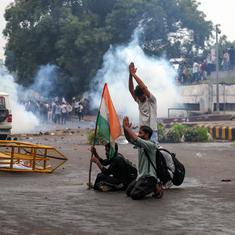
For instance, people poured out into the streets recently in Pulwama when two local militants were trapped in a village and tried to help them flee. A top police official said that when the government forces engage in encounters with militants, they now have to deal with ordinary people as well. The Indian army’s chief of Northern Command recently said that it was a “matter of concern” that more local youth are joining militant groups in Kashmir.
Although home-grown militancy in Kashmir is hardly ever going to present a substantial challenge to the police and army in the state, it highlights a change in the public mood as reports keep coming in of more youth from economically stable and educated backgrounds joining the militants.
Pakistan’s stiffening posture vis-à-vis Kashmir has also taken much of the sting out of Modi government’s tough position towards it, particularly after he met Nawaz Sharif in Russia in July.
In this situation, the National Security Advisers of India and Pakistan meeting on August 23-24 in New Delhi could indicate if anything will change any time soon.
We welcome your comments at
letters@scroll.in.
It feels like a very uncertain time again in Jammu and Kashmir. Nothing, and no one, appears to be standing on any firm ground. In fact it now looks like everything is wobbling.
But as is so often the case in Kashmir, knotty issues sometime help its people reach an understanding of the state's complex politics since they unpack a gamut of other concerns accumulated from its restive continuum.
The floods and after
Take the massive floods last September, which devastated infrastructure across Jammu and Kashmir and destroyed the lives and livelihoods of a large number of people, mainly in Kashmir valley. The situation since then has exposed so many challenges, it makes the existence of an elected government in the state appear to be a farce.
State elections were held in December while lakhs of people were still submerged by the anxiety of surviving the harsh Himalayan winter after being rendered homeless by the disaster. Elections, as we know in our part of the world, put governance in abeyance. Nevertheless, they were held “on time”, even though Kashmir's people needed a functional and robust administration more than a ritual of democracy.
Mufti Sayeed’s Peoples Democratic Party, desperate as it was for power after being out of government for nine years, used the post-flood situation as well as the fear in Muslim-majority Kashmir of the rise of right-wing Bharatiya Janata Party to coax voters into supporting it. But then it assumed power by joining hands with the same BJP, its ideological opponent, selling the argument that a coalition with the party that ran the government in New Delhi would guarantee the flow of funds necessary for post-flood reconstruction and rehabilitation.
A new reality
Not only have Kashmiris been left to their own devices to rebuild their lives, Mufti Sayeed’s coalition partner, the BJP, continuously directs its aggression towards the the state’s so-called special status within the Indian union. There continuous background talk about abrogating the law that bars people from other parts of India from buying land or settling in Jammu and Kashmir. The PDP-led government appears helpless at its best and the chief minister and his party are mute participants in rubbing salt over Kashmir’s old wounds.
In July, for the first time since India’s independence, half of the state cabinet – the BJP ministers – refused to join the Martyrs' Day ceremonies to pay their respects to the people who died in the state's 1931 struggle against the tyrannical Dogra autocratic rule of undivided Jammu and Kashmir. People in Kashmir are reading the BJP gesture as part of an aggressive attempt to re-establish the erstwhile Dogra supremacy in the state via the BJP.
All this is happening under the watch of Mufti Sayeed who, in his attempts to take the wind out of the separatists’ sails, hard-sold the dream of "self-rule" and the "return of dignity" to the Kashmiri people. Between 2002 and 2005, when Sayeed ruled the state for the first time, he had managed to create the perception that his administration had brought relief from the effects of endemic militarisation and police impunity.
The patriarch’s first term helped the PDP to grow not just as an alternative to the weakening National Conference. To some, it heralded the beginning of the end of a certain brand of separatist politics. But his alliance with the BJP, and Modi-led central government’s indifference towards the public expectations of the state government, appears to have diminished the stature of Sayeed and, indeed, the PDP, just like the party's emergence in 2000 had done to the National Conference.
The PDP has simply been unable to advance any of its purported ideological precepts nor has it tried to assert itself in any tangible way.
A 'matter of concern'
All these factors have energised the separatist argument that no mainstream political party can ever represent the people of the state adequately. A renewed despondency has set in, which is shifting the popular discourse towards active resistance. Armed militancy is regaining legitimacy in the public eye.
Villages, particularly in southern Kashmir, a bastion of the PDP, have been witnessing a return to cordon and search operations by the army just like in the 1990s when they were the norm all across Kashmir. Instances of high-handedness are reported regularly.
But something else has changed too. People appear to fear the army less and openly come out in support of home-grown militants. The expression of this support on social media is quite forceful at times.
For instance, people poured out into the streets recently in Pulwama when two local militants were trapped in a village and tried to help them flee. A top police official said that when the government forces engage in encounters with militants, they now have to deal with ordinary people as well. The Indian army’s chief of Northern Command recently said that it was a “matter of concern” that more local youth are joining militant groups in Kashmir.
Although home-grown militancy in Kashmir is hardly ever going to present a substantial challenge to the police and army in the state, it highlights a change in the public mood as reports keep coming in of more youth from economically stable and educated backgrounds joining the militants.
Pakistan’s stiffening posture vis-à-vis Kashmir has also taken much of the sting out of Modi government’s tough position towards it, particularly after he met Nawaz Sharif in Russia in July.
In this situation, the National Security Advisers of India and Pakistan meeting on August 23-24 in New Delhi could indicate if anything will change any time soon.
