









Construction activities banned, primary schools go hybrid as Delhi-NCR pollution turns ‘severe’
Authorities imposed Stage 3 restrictions under the Graded Response Action Plan to control the air pollution in the National Capital Region.
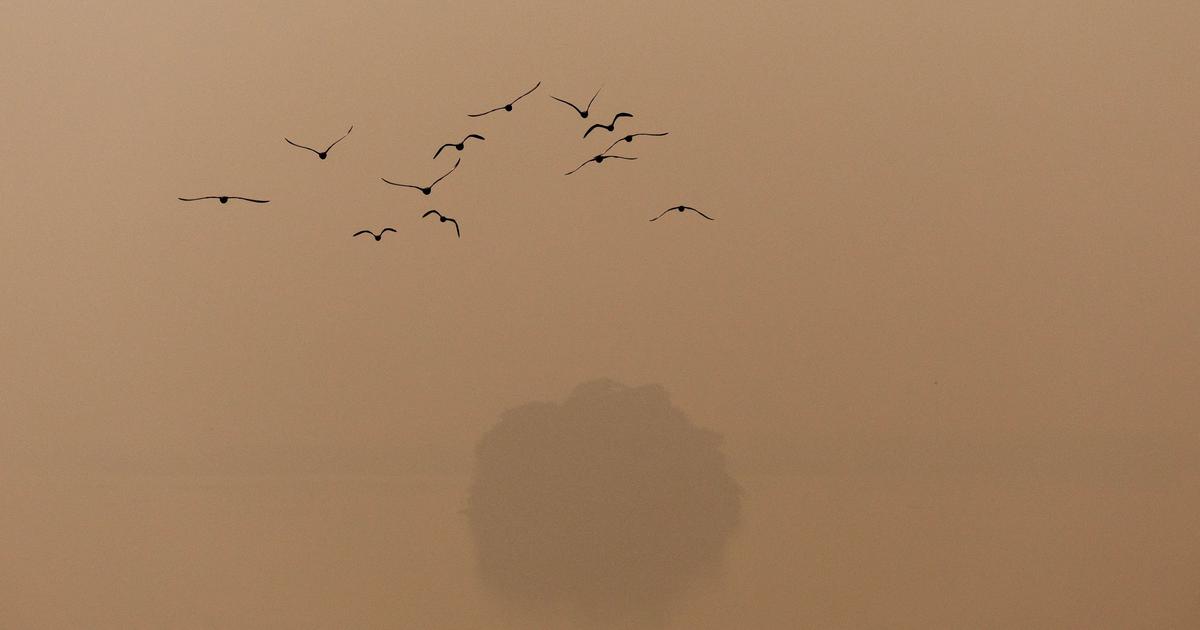
The Commission for Air Quality Management on Tuesday imposed Stage 3 restrictions under the Graded Response Action Plan to control pollution in the National Capital Region after the air quality plummeted to the “severe” level.
The plan, also known as GRAP, is a set of incremental anti-pollution measures that are triggered to prevent further worsening of air quality once it reaches a certain threshold in the Delhi-NCR region.
Stage 3 measures include a ban on non-essential construction work and the closure of stone crushers and mining activities, in addition to the measures already imposed under Stage 1 and Stage 2.
They also include the shifting of primary school up to Class 5 to hybrid mode. Parents and students have the option to choose between offline and online classes wherever available.
Additionally, the use of BS-III petrol and BS-IV diesel cars is restricted in Delhi and the NCR.
BS norms, or Bharat Stage Emission Standards, are regulations set by the Indian government to control air pollutants from motor vehicles. The higher the BS norm, the stricter the standard and the lower the permissible emissions.
The commission said that the decision to impose Stage 3 was taken after the Air Quality Index in the national capital rose sharply from 362 on Monday to 425 early on Tuesday morning due to calm winds, a stable atmosphere and unfavourable weather conditions that allowed pollutants to accumulate close to the surface.
At 11.06 am on Tuesday, the average Air Quality Index was 429, categorised as “severe”, according to data from the Sameer application, which provides hourly updates published by the Central Pollution Control Board.
More than 30 monitoring stations recorded “severe” air quality.
An index value between 0 and 50 indicates “good” air quality, between 51 and 100 indicates “satisfactory” air quality and between 101 and 200 indicates “moderate” air quality. As the index value increases further, air quality deteriorates. A value of 201 and 300 means “poor” air quality, while between 301 and 400 indicates “very poor” air.
Between 401 and 450 indicates “severe” air pollution, while anything above the 450 threshold is termed “severe plus”.
Air quality deteriorates sharply in the winter months in Delhi, which is often ranked the world’s most polluted capital.
Stubble burning in Punjab and Haryana, along with the lighting of firecrackers, vehicular pollution, falling temperatures, decreased wind speeds and emissions from industries and coal-fired plants contribute to the problem.
The air quality in the national capital has been in the “poor” or worse categories since mid-October, leading to the implementation of anti-pollution measures under GRAP.
On Sunday, organisers of a protest against air pollution in the national capital alleged that they were repeatedly pressured by police officials to cancel the demonstration. The police also detained several of the protesters, including some senior citizens, who had gathered near India Gate.
Also read: Delhi’s failure to act against the biggest source of its air pollution – vehicles
