









US says it has allowed India to buy Russian oil stranded at sea amid West Asia conflict
The 30-day waiver will help keep global oil supplies flowing amid disruptions, said United States Treasury Secretary Scott Bessent.
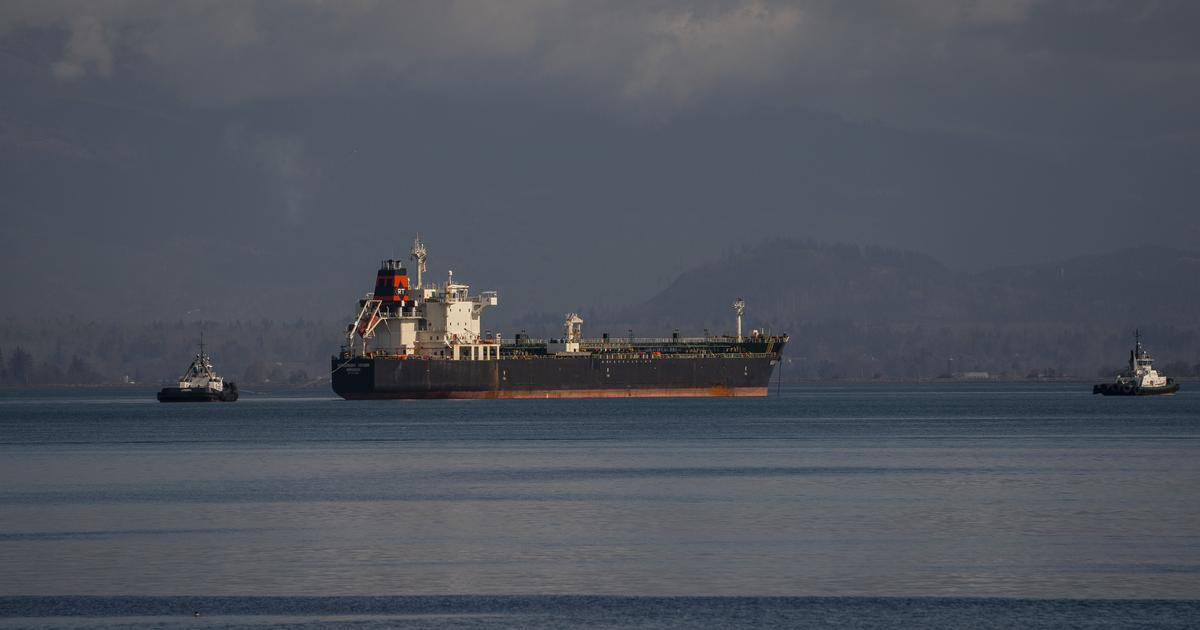
The United States on Thursday granted Indian refiners a 30-day waiver to buy Russian oil stranded at sea amid the conflict in West Asia.
US Treasury Secretary Scott Bessent said that the decision was a short-term measure to keep oil supplies flowing globally amid disruptions because of the conflict.
The measure “will not provide significant financial benefit” to the Russian government because it only permits the trade of oil that is already stranded at sea, he added.
The decision came amid concerns about rising crude oil prices and its supply from West Asia being disrupted.
“India is an essential partner of the United States, and we fully anticipate that New Delhi will ramp up purchases of US oil,” Bessent said on social media. “This stop-gap measure will alleviate pressure caused by Iran’s attempt to take global energy hostage.”
Commenting on Bessent’s statement, Congress MP Karti Chidambaram said that the “operative word is ALLOW!” and that it was a “disgrace to our sovereignty”.
India is a net importer of oil and gas, with around 80% to 85% of its energy requirements met through imports.
The price of benchmark Brent crude had reached $84 per barrel by Friday, marking a 15.9% increase from February 27, when it was at $72.87. The jump came after Israel and the US on February 28 launched a joint operation to “degrade the capabilities” of the Iranian government.
The attacks came amid tensions between the three countries over Tehran’s nuclear programme. Washington acts as a guarantor of Israel’s security. Israel has been claiming that Iran is close to obtaining a nuclear weapon, which could alter the regional security balance.
Tehran has long maintained that its nuclear programme is for civilian purposes.
Iran retaliated by striking Israel and US military bases in the region, and targeting major cities in other Gulf countries and some ships.
On Monday, Iran claimed that the Strait of Hormuz was “closed” for shipping traffic, warning that any vessel attempting to pass through the strategic waterway would be set on fire, according to reports.
In measures viewed as an attempt to assuage concerns about access to oil, US President Donald Trump on Tuesday said that he had ordered the country’s International Development Finance Corporation to provide political risk insurance and financial guarantees for maritime trade in the Gulf.
The US Navy will escort oil tankers through the Strait of Hormuz, Trump had said.
The narrow waterbody connects the Gulf to the Arabian Sea. About 20% of global petroleum liquids consumption traverses the maritime chokepoint.
On February 7, Trump issued an executive order to remove the additional 25% punitive tariff on imports from India over New Delhi’s purchase of Russian oil. This brought the effective US tariff rate on Indian imports to 18% after the interim trade deal was agreed to.
While the US had repeatedly alleged that India’s purchase of Russian oil helped fuel the war in Ukraine, New Delhi had maintained that its oil purchases were aimed at ensuring its own energy security.
Also read:
