








Trump says he ‘cancelled’ strikes against Iran, announces ‘great settlement’ with Tehran
Iran’s foreign ministry spokesperson Esmaeil Baqaei said that the country had not yet arrived at a final conclusion on any agreement.
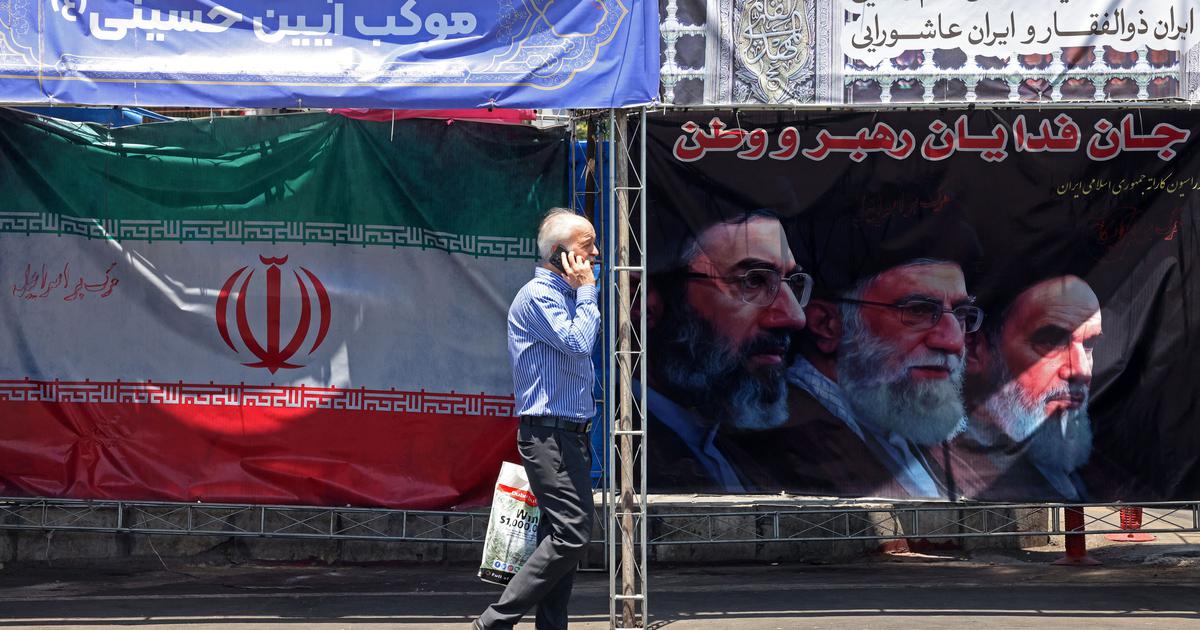
United States President Donald Trump on Thursday said that he had “cancelled” a third consecutive day of planned US strikes on Iran, claiming that a deal with Tehran was close to being finalised and that the time and place for signing would be announced soon.
Speaking later at the White House, Trump announced a “great settlement” to end the war in West Asia, adding that he expected it to be signed in Europe as soon as this weekend, AFP reported. He said that Vice President JD Vance would represent the US at the signing.
“The [Strait of Hormuz] will officially open as soon as we sign, which could be soon, very soon,” Reuters quoted him as saying.
The remarks came just hours after Trump had warned that US forces would strike Tehran “very hard tonight”.
Since mid-March, Trump has repeatedly claimed that a deal with Iran to end the war is close.
In the past week, the two sides have traded strikes, straining a ceasefire announced on April 8.
Iran’s foreign ministry spokesperson Esmaeil Baqaei said that Tehran had not yet arrived at a final conclusion on any agreement, AFP reported.
After Trump’s announcement, oil prices fell sharply, with the benchmark Brent crude dropping to a two-month low. Brent was trading at $88.7 per barrel on Friday after falling nearly 3% overnight.
The price of Brent had reached as high as $114 per barrel on May 4. It was $78 per barrel on February 27, a day before the conflict started.
The Indian stock market opened higher. The benchmark Sensex had risen nearly 1% as of 10.45 am, buoyed by positive global sentiments.
Other Asian stock markets also rose. Japan’s Nikkei was up 3.6%, South Korea’s KOSPI 8.5%, China’s Shanghai Composite 1.2% and the Hang Seng in Hong Kong 1.8%.
The war
The US and Israel launched an attack on Iran on February 28, claiming that Tehran’s action posed an existential threat to Israel. Washington acts as a guarantor of Israel’s security. Iran retaliated by striking Israel and US military bases in the region, targeting major cities in Gulf countries and ships.
Since the conflict began, the Strait of Hormuz, the narrow waterbody connecting the Gulf to the Arabian Sea, has been blocked for most international commercial vessels, triggering a global energy crisis. About 20% of global petroleum supply passes through the maritime chokepoint.
On April 8, the US and Iran agreed to a ceasefire to allow for further negotiations to end the war. However, the two sides have not yet been able to turn the ceasefire into a permanent end to the conflict.
On Wednesday, the US launched fresh airstrikes on Iran after Trump blamed Tehran for the downing of a US Army helicopter near the Strait of Hormuz. In retaliation, Iran’s Islamic Revolutionary Guard Corps claimed that it struck 21 US military sites in Kuwait, Bahrain and Jordan.
Written by Tanya Shrivastava. Edited by Neerad Pandharipande and Nachiket Deuskar.
