






Bengal passes bill allowing year-long preventive detention for ‘anti-social’ activities
Detainees would not be allowed to have a lawyer represent them before the panel deciding whether they should be released.
The West Bengal Assembly on Monday passed a bill that would allow the preventive detention of “anti-social” persons for up to a year, The Hindu reported. The bill would not allow detainees to be represented by a lawyer before the panel reviewing their detention, except in certain cases.
Every detention case would be reviewed within three weeks by an advisory board headed by a serving or former High Court judge, which would decide whether the detainee should remain in custody or be released, the newspaper reported.
The Assembly also passed the West Bengal Maintenance of Public Order Amendment Bill which would require those found responsible for damaging public or private property during riots or unlawful assemblies to pay compensation.
The first piece of legislation, titled the West Bengal Public Safety and Control of Anti-Social Activities Bill, would allow the government to order the preventive detention of a person for up to one year if they are “generally reputed to be desperate and dangerous to the community”.
Such detention orders could be issued by a district magistrate, a commissioner of police or a state-authorised police officer of at least the rank of deputy inspector general, The Indian Express reported.
The bill would also expand the definition of “anti-social” activities to include organised extortion, obstruction of business and other acts that create fear or insecurity among the public, the Deccan Herald reported.
Under the bill, the police would be able to conduct raids, seize property and make arrests in cognisable and non-bailable offences. It would also make it an offence to harbour or assist persons against whom detention or externment orders have been issued, The Indian Express reported.
The second piece of legislation, the West Bengal Maintenance of Public Order Amendment Bill, provides for the establishment of a Claims Commission to assess losses and determine compensation, the Deccan Herald reported. Unpaid compensation could be recovered through the attachment and auction of property.
It would also make not only those directly involved in violence, but also organisers, financiers, instigators and those providing logistical support, liable to pay compensation, the newspaper reported.
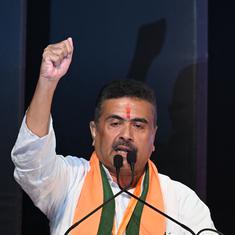
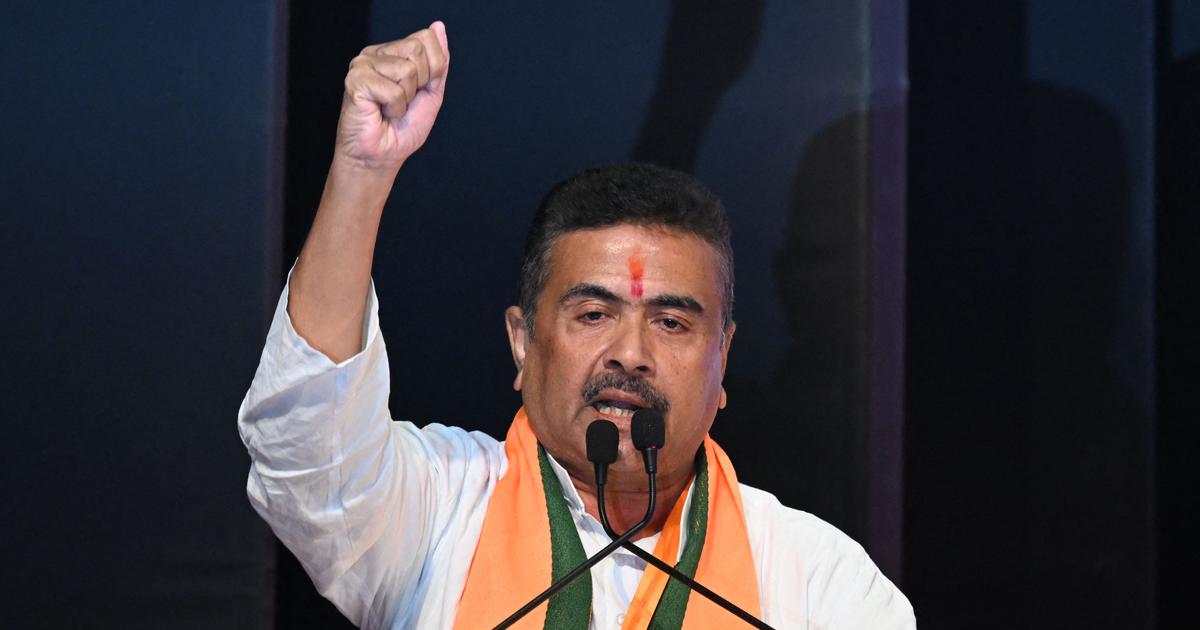
Chief Minister Suvendu Adhikari said that the two bills were needed because of the “criminalisation of politics”, The Hindu reported.
“The law will not be used against any one for the purpose of political vendetta,” the newspaper quoted the Bharatiya Janata Party leader as saying.
Several Opposition MLAs raised concerns that the bills would curb peaceful protests and student movements.
Trinamool Congress MLA and former Indian Police Service officer Prasun Banerjee described certain provisions of the bill as “scary” and said the law would not stand judicial scrutiny, The Hindu reported.
State Parliamentary Affairs Minister Sankar Ghosh defended the legislation, saying that “anarchy” had prevailed in the state because of the Trinamool Congress’ 15-year rule.
“Right to protest can be a fundamental right, but right to destroy public property cannot be a right,” the newspaper quoted him as saying.
Edited by Tanya Shrivastava.
