










Centre extends customs duty waiver on 40 petrochemical products till July 15
The exemption was implemented amid the West Asia war on April 2 and was set to lapse on June 30.
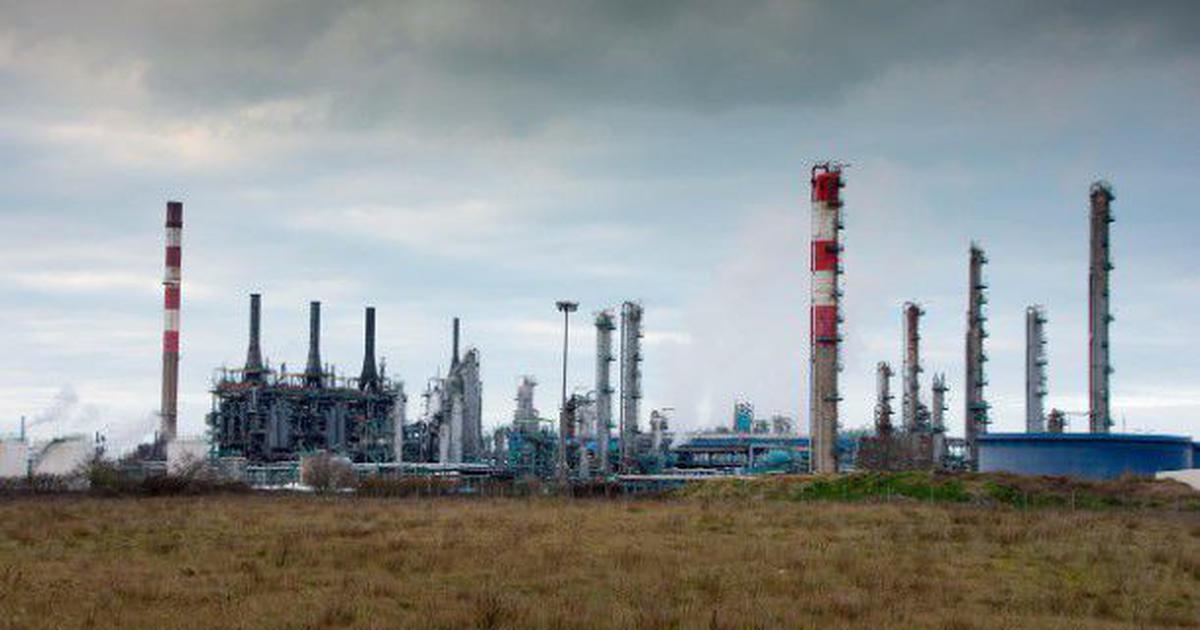
The Union government on Tuesday extended full customs duty exemption on about 40 petrochemical products by 15 days till July 15, citing the conflict in West Asia and the resulting disruptions in global supply chains.
The waiver on customs duty on critical petrochemical products was implemented on April 2 and was set to lapse on June 30.
The waiver was provided to ensure sufficient availability of petrochemicals in the domestic market, considering that Indian petroleum companies “had been asked to concentrate on the production of LPG [liquefied petroleum gas] during this period”, the Union Finance Ministry noted on Thursday.
“As the situation is gradually normalising, to ensure a smooth and non-disruptive transition for the affected sectors, it has been decided to extend the said exemption by a further period of 15 days, that is, till 15th July 2026,” the ministry said in a press release.
👉 Government extends full customs duty exemption on critical petrochemical products in view of ongoing conflict in West Asia till 15th July 2026
— Ministry of Finance (@FinMinIndia) June 30, 2026
Read more ➡️ https://t.co/DimWPAcEol pic.twitter.com/QKArKKSC4v
Among the products for which the full customs duty waiver has been implemented are polypropylene, polystyrene, polyols, polybutadiene, styrene butadiene and anhydrous ammonia.
Although India produces some of the petrochemical products locally using liquefied petroleum gas and ethane, it is a net importer of such derivatives.
Soon after the conflict in West Asia broke out on February 28, the Union government had invoked the Essential Commodities Act, 1955, directing domestic oil refiners to prioritise the production of LPG.
Since the conflict in West Asia began on February 28, the Strait of Hormuz, the narrow waterbody connecting the Gulf to the Arabian Sea, had effectively been blocked for most international commercial vessels, triggering a global energy crisis.
The United States and Iran on June 17 signed an interim peace deal, which included a 60-day ceasefire and the reopening of the Strait of Hormuz for commercial traffic. The agreement requires the United States to end its naval blockade of Iran, and Iran to remove technical navigation through the strait, including mines.
However, military strikes and threats of recrimination between the two sides have intensified in the past week.
Written by Neerad Pandharipande. Edited by Sneha.
