





EC extends SIR timeline for Delhi, Punjab, Karnataka and Telangana
The poll panel had earlier this week revised the deadline for Haryana and Andhra Pradesh.
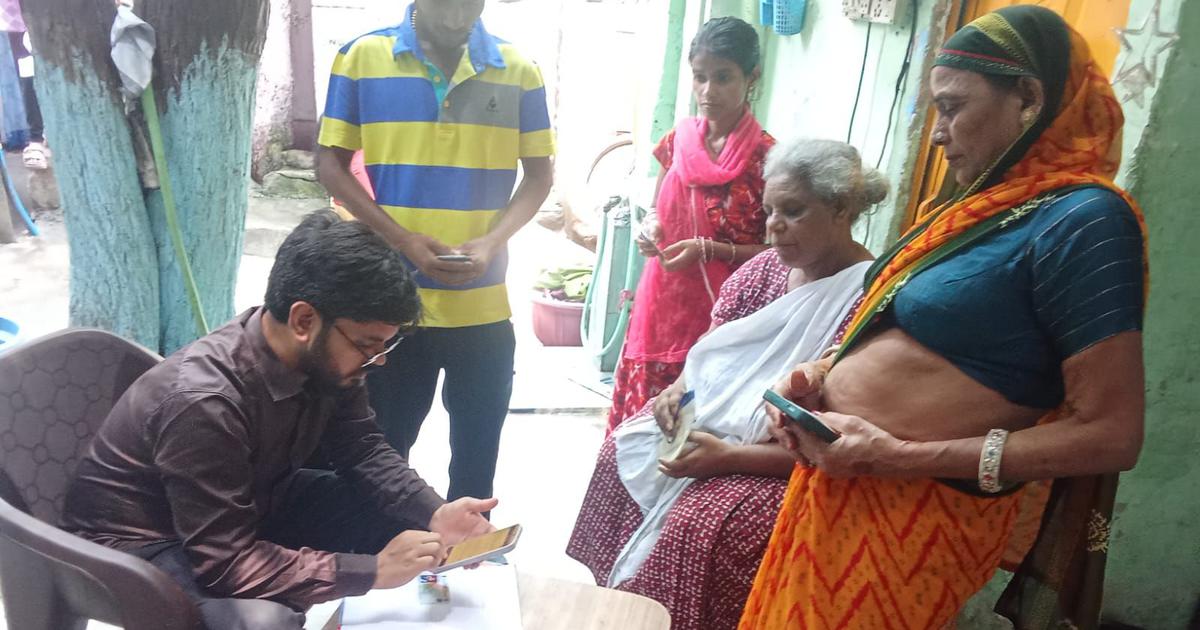
The Election Commission on Wednesday extended deadlines for house-to-house verification as part of the special intensive revision of electoral rolls in Delhi, Punjab, Karnataka and Telangana. The timeline for publishing the draft and final electoral rolls has also been moved ahead.
The poll panel is carrying out the exercise to revise electoral rolls through house-to-house enumeration and verification of old voter data.
In Delhi, the deadline for the house-to-house verification, which began on June 30, has been extended by 10 days. The exercise that was scheduled to conclude on July 29 will now continue till August 8.
The draft electoral roll will be published on August 17 instead of August 5. Claims and objections can be filed from August 17 to September 16 and will be disposed of by October 15. The final electoral roll will be published on October 19.
In Punjab, house-to-house verification has been extended till August 3 from July 24. The draft rolls will be published on August 13 instead of July 31, while the final rolls will be released on October 12, two days later than originally scheduled.
In Karnataka, verification has been extended till August 8 from July 29. The draft rolls will be published on August 17 instead of August 5, and the final rolls on October 19 instead of October 7.
In Telangana, the draft electoral rolls will be published on August 10, while the final rolls are scheduled for publication on October 12 under the revised timeline.
On Tuesday, the Election Commission extended the Special Intensive Revision schedule for Haryana and Andhra Pradesh.
The five states, along with Delhi, are part of the third phase of the special intensive revision. With this phase, the exercise will cover the entire country except Himachal Pradesh, Jammu and Kashmir, and Ladakh. The Election Commission said that the schedule for the revision in these regions will be announced later, considering the Census exercise and the adverse weather.
In 2025, the first phase of the voter roll revision exercise was conducted in Bihar and the second phase in 12 states and Union Territories.
Concerns have been raised that the exercise could remove eligible voters from the roll.
Several petitions were filed in the Supreme Court against the voter roll revision.
On May 27, the Supreme Court upheld the legality of the special intensive revision of electoral rolls conducted by the Election Commission, saying that the exercise “advances the constitutional imperative of free and fair elections”.
However, the court said that the poll panel’s inquiries for the purpose of including a person in the voter list do not mean that it can decide on whether the person is an Indian citizen.
Written by Tanya Shrivastava. Edited by Sneha.
