









Jammu & Kashmir sacks its standing counsel in SC over disagreement on 'sovereignty' verdict: Report
Lawyer Sunil Fernandes had refused to file a review petition against the apex court's ruling.
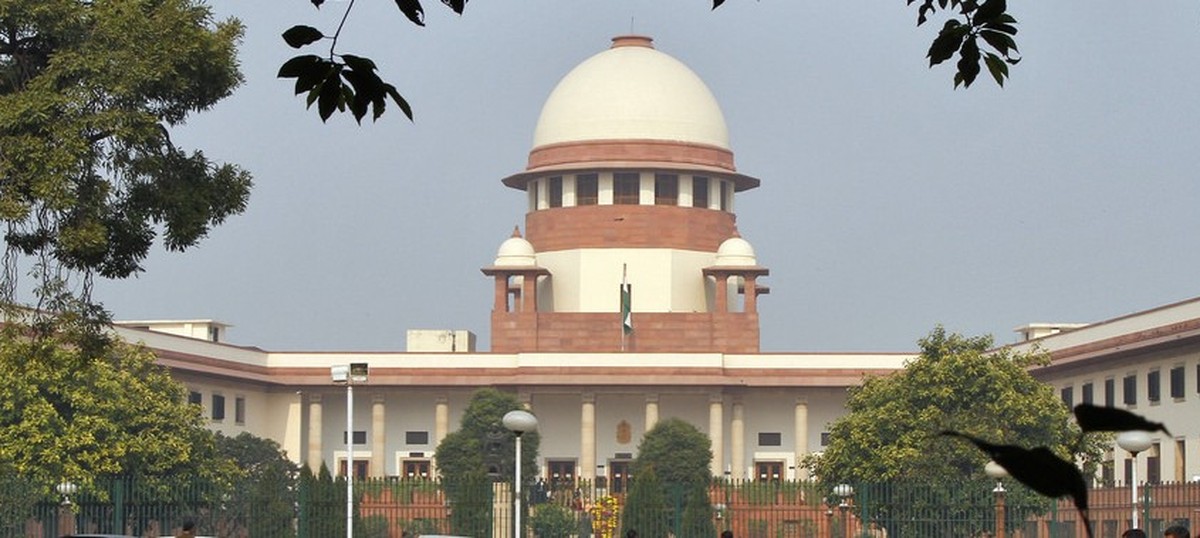
The Jammu and Kashmir government has fired lawyer Sunil Fernandes, its chief standing counsel in the Supreme Court, days after he refused to file a review petition to challenge the apex court’s ruling, reported The Indian Express. Fernandes was asked to “resign immediately” by the state government without being given any reasons.
On December 16, the Supreme Court in a judgement had said that Jammu and Kashmir has “no vestige of sovereignty” outside of the Indian Constitution and its own, PTI had reported. The J&K High Court had passed a verdict saying any law made by Parliament which affects the laws made by the state legislature, cannot be extended to Jammu and Kashmir. The Supreme Court bench of Justices Kurian Joseph and Fali Nariman had rejected this verdict.
Quoting unidentified officials, the English daily said the state law department had been mounting pressure on Fernandes to file a review petition against the apex court’s views. However, Fernandes said he would file a review against the court’s judgement only if he was given special instructions to do so in writing. He also argued that when the matter was before the apex court, his submissions were vetted by the state law department and he was not instructed to pick up the issue of state’s sovereignty then.
In November 2015, the J&K High Court had ruled that the provisions of the Securitisation and Reconstruction of Financial Assets and Enforcement of Security Interest Act, 2002, would collide with the Transfer of Property Act of Jammu and Kashmir, 1920. The State Bank of India had appealed in the Supreme Court against this verdict.
While setting aside the High Court ruling, the Supreme Court reminded the High Court that the residents of Jammu and Kashmir were “first and foremost” the citizens of India. ”We may also add that permanent residents of Jammu and Kashmir are citizens of India, and there is no dual citizenship as is contemplated by some other federal Constitutions in other parts of the world,” the bench had said.
