






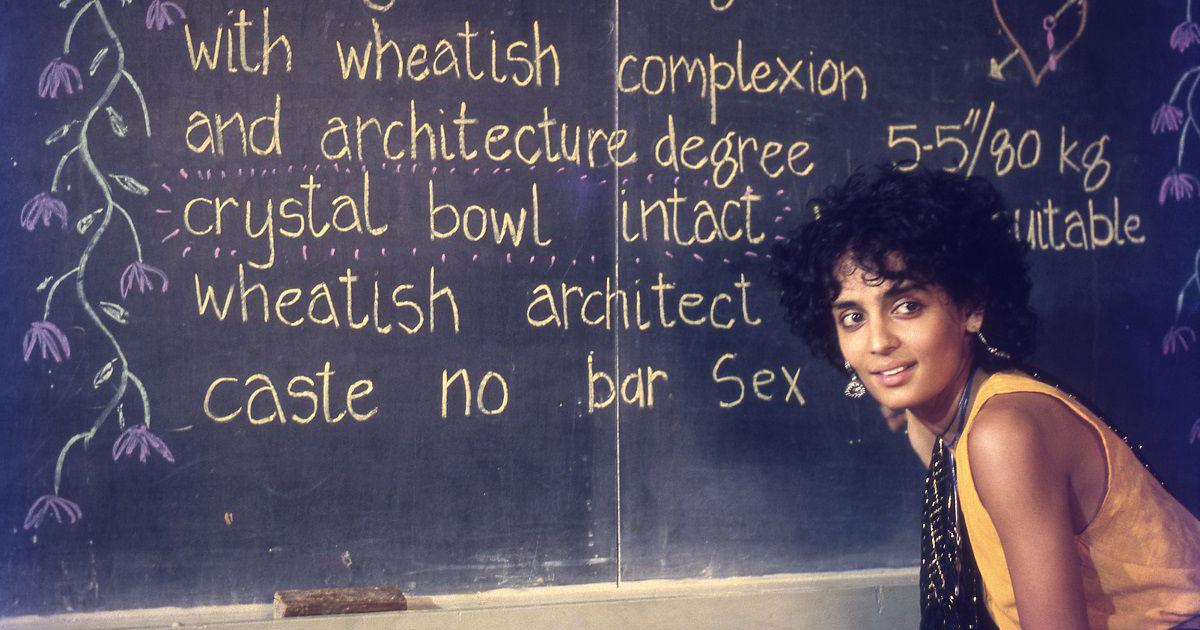
In Which Annie Gives It Those Ones, written by Arundhati Roy and directed by Pradip Krishen, was originally made for television and screened in a single late-night slot in 1989. The campus comedy revolves around a group of students working on their final-year submissions at an architecture college in Delhi.
A recent restoration carried out by Film Heritage Foundation has brought Annie, and its enduring charms, back into focus. Roy had previously published the screenplay in book form. That book has been updated to celebrate the Annie revival.
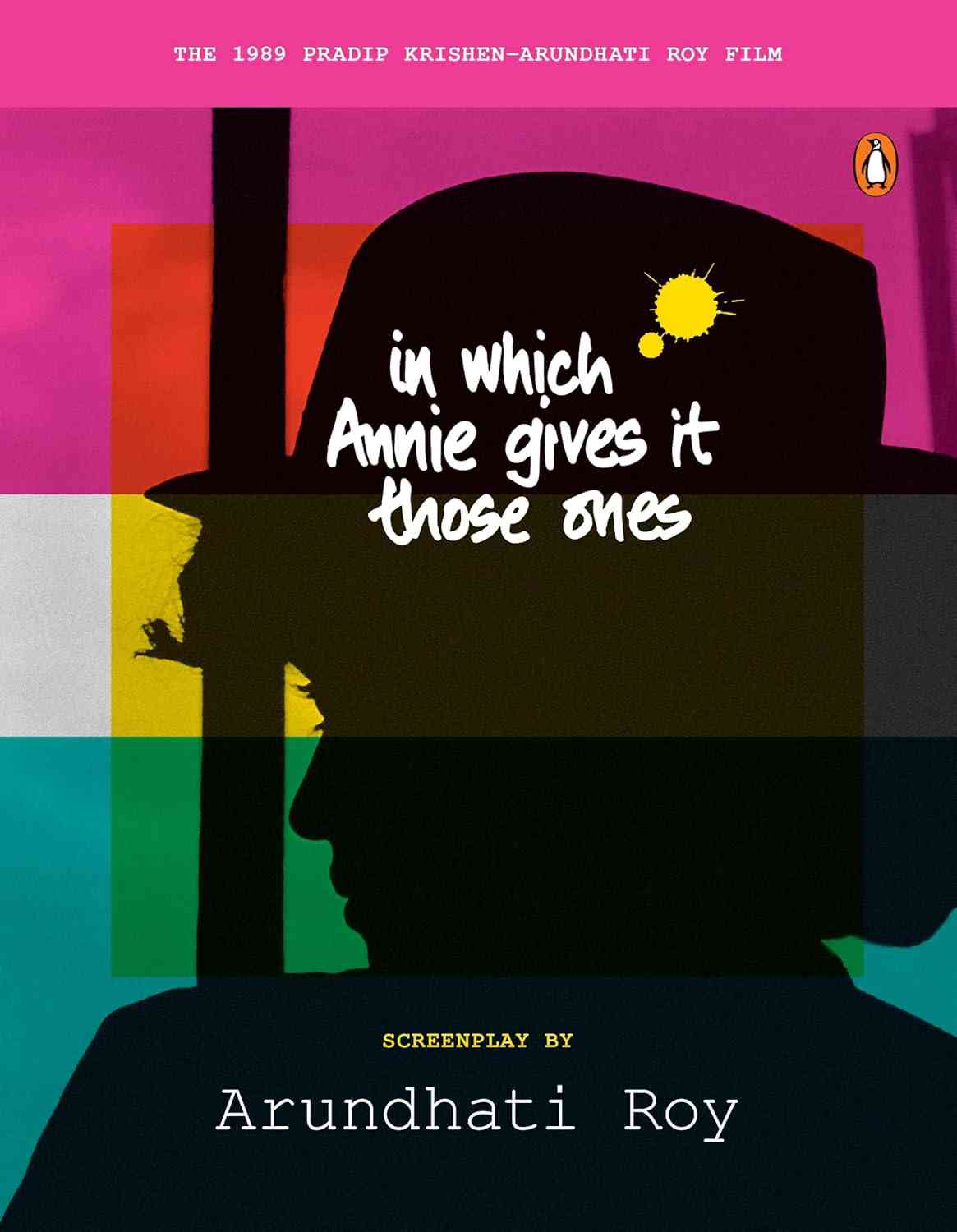
In Which Annie Gives It Those Ones – The Screenplay (Penguin Random House India), includes a new introduction by Roy – reproduced below – alongside the previous preface and essays by Pradip Krishen and Film Heritage Foundation founder Shivendra Singh Dungarpur on the restoration process.
‘A band, jamming together, jiving to the same beat’
This screenplay is the first thing I ever wrote that saw the light of day. I wrote it thirty-eight years ago, in 1988. The movie was directed by Pradip Krishen. I cannot remember us having a major disagreement during the shoot or the post-production. For good or for bad, we worked as though we were a single unit. I could not, and still cannot, imagine trusting anybody with that script as much as I trusted him. I could not, and still cannot, imagine anybody other than Arjun Raina playing Anand Grover (Annie).
In Which Annie Gives It Those Ones was screened just once, late at night on Doordarshan. To our great surprise, it won two National Awards. And then it disappeared into a rabbit warren, only to reappear first as fugitive video tapes and then DVDs, copied and re-copied, screened by students of architecture in campuses across the country as a kind of mandatory rite of passage. When the era of videotape and DVD ended, Annie migrated to YouTube, where it lives on in terribly degraded, grainy segments.
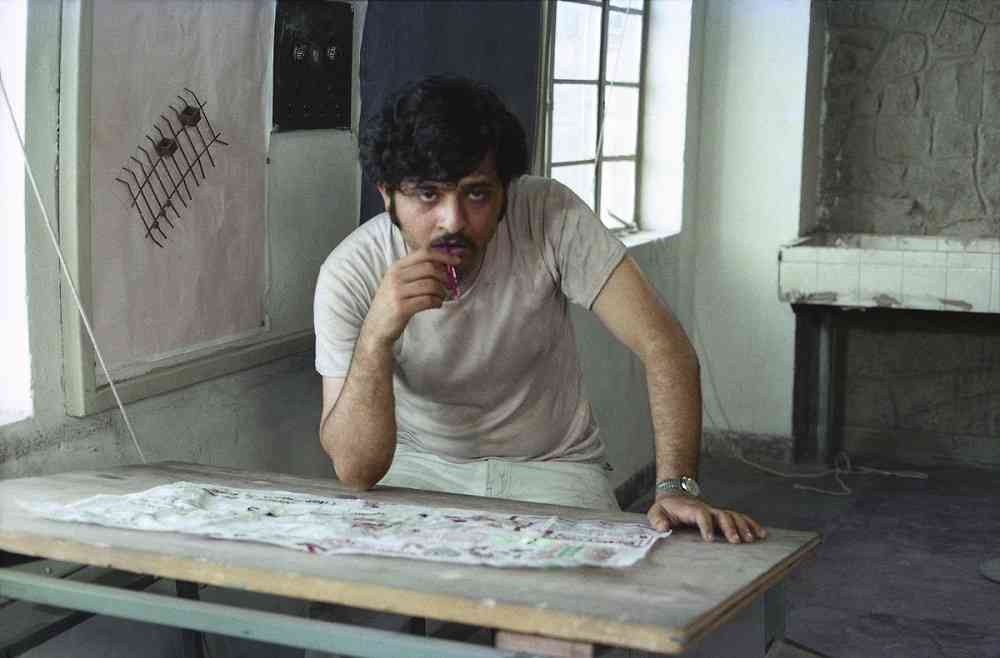
Suddenly, things have changed. As this book goes to press, the film has been given a new lease of life. It is set to be screened in the Classics section of the 2026 Berlinale and then released theatrically in a few cinema halls in India. The credit for this goes entirely to Shivendra Singh Dungarpur of the Film Heritage Foundation. If not for his dogged perseverance and stubborn love for the film, and if not for Pradip’s carefully archived Annie material, it would not have had the opportunity to take a bow in the real world before retiring to a resting place in some dim archive. Shivendra’s brief note in this book tells the story of how the Film Heritage Foundation managed to access and repair the severely damaged original 16mm negative in its lab in Mumbai before sending it on to L’Immagine Ritrovata lab in Bologna for further restoration.
That said, why does this small, scrappy little film, made on a budget of twelve lakh rupees (approximately $13,000 today), keep surfacing from its life underground? It’s what certain films and books and songs do. And we’ll never really know why. In Annie’s case, I believe it’s because all of us, every single person in the cast and crew, worked on it with joy. Together we were a band, jamming together, jiving to the same beat. There really were no stars. It was all of us. It’s what gives the film its irreverence, its lightness of touch.
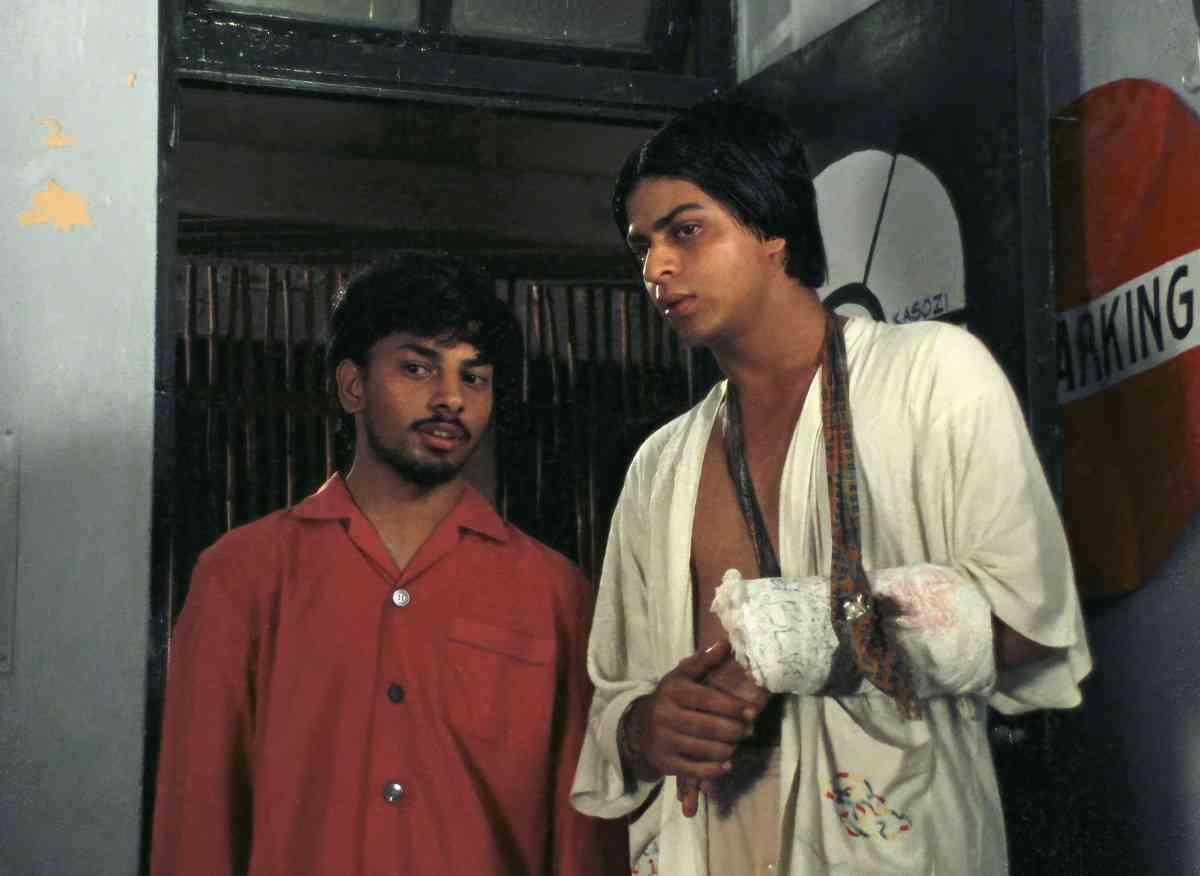
Fifteen years after I wrote Annie, when Penguin first published this screenplay in 2003, I wondered in my foreword what a film like this meant during a time when fascism was creeping up on us. Another decade on, by 2015, the onset of fascism was no longer stealthy. It had become a proud declaration. In September of that year, a mob of Hindu vigilantes attacked the home of fifty-two-year-old Mohammed Akhlaq in Dadri and beat him to death, accusing him of killing a cow. It marked the beginning of an era in which the public lynching of Muslims and the assassination of dissidents and critics was taking place with disturbing regularity under the benign gaze of our ‘Hindus First’ Hindu Nationalist government. Pradip and I were among the more than fifty writers, film-makers and artists who, outraged by what was happening, ‘returned’ our National Awards in protest. It was a symbolic gesture. But a gesture nevertheless.
Ten years later, the lynchings and murders continue. Only the outrage has died out.
Journalists writing about the new lease of life for Annie often ask me how I think Gen Z will react to the film. I have no idea, I tell them. What I do know for sure is that Gen Z (like Gen A, B, C, K, W or X) is not a monolithic mass with a single opinion. Speaking for myself, looking back at Annie now, I don’t see a film that addresses the great themes of its time. I see a light-hearted film about a group of young people who are certainly not from the most deprived sections of society, but for whom the cut-throat rat race is not the driving force. Failure is not mocked and frowned upon. They celebrate each other’s foibles and eccentricities. Their language is their own. Their humour is their own. Their sense of fashion is their own. They are free from the pressures of accumulating material possessions or ‘likes’ on social media. They are free from competing with their peers about who has more of what. They live by a different creed: to show off is considered ridiculous. The more ragged they are, the more alienated from the grid of what is considered ‘normality’, the more they are loved, the more fun life seems to be.
Viewed through the lens of 2026, that looks like a sort of radical freedom. Without necessarily meaning to, and even while their professors are inculcating their own narrow vision of ‘real life’ upon them, those ragged, defeated characters—however momentarily—pose a threat to Capitalism’s plastic dreams. The magic of cinema is that it can preserve a moment and stir it into a cocktail.
In Which Annie Gives It Those Ones isn’t a manifesto. It’s just a joyful stance.
Excerpted with permission from In Which Annie Gives It Those Ones – The Screenplay, Arundhati Roy, Penguin Random House India.
Also read:
Arundhati Roy talks movies: ‘Every person who reads my book has their own film in their head’
